
From Soil to Social: How Farmers Are Marketing Produce in Online Communities
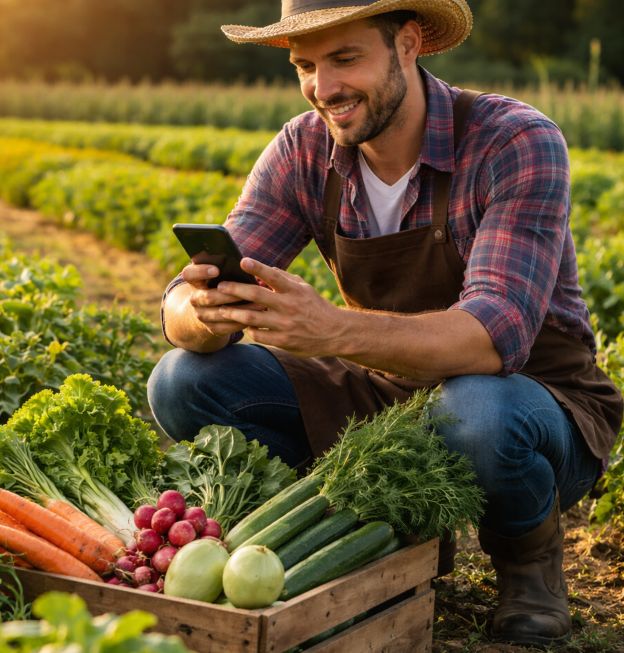
Small-scale farms produce nearly one-third of the world’s food supply, yet many struggle to reach buyers beyond their local markets, data indicates from the Food and Agriculture Organization (FAO). This gap between production and visibility has pushed many farmers to explore digital spaces that were once considered unrelated to agriculture. As traditional channels become less predictable, online communities are emerging as new marketplaces.
Turning to Online Communities for Growth
During slow harvest seasons or periods of low demand, many farmers begin searching for ways to expand their reach. Platforms like Reddit, known for niche communities and active discussions, have become an unexpected option. Some farmers discover resources that explain how visibility works on the platform, including strategies such as how to buy upvotes for Reddit posts. While this approach raises questions, it also highlights a key reality, gaining attention online often requires more than simply posting content.
Early Challenges in Digital Marketing
Initial efforts to market produce online often face low engagement. Farmers may share photos of fresh vegetables or describe their harvest process, yet receive little response. This reflects a broader pattern. Research from the Pew Research Center shows that online content exists in highly competitive environments, where algorithms and user interaction heavily influence visibility. As a result, even high-quality posts can go unnoticed.
Learning the Language of Online Platforms
Over time, farmers who persist begin to understand how these communities operate. Timing, storytelling, and authenticity play a significant role. Instead of simply showcasing produce, they start sharing stories about their daily routines, weather challenges, and the realities of farm life. These personal insights resonate more strongly with audiences and help build connections.
However, visibility remains a hurdle. To address this, some farmers explore ways to increase engagement, including tools or services designed to boost post performance. While these methods can provide initial exposure, experts from the Digital Marketing Institute note that artificial engagement should be used carefully, as it may affect credibility if audiences perceive it as inauthentic.
Balancing Organic Growth and Promotion
Successful farmers often find a middle ground between organic growth and strategic promotion. By focusing on genuine storytelling while occasionally using methods that enhance reach, they can gradually build an audience. Increased engagement, whether through higher upvote counts or broader sharing, often leads to more inquiries and direct customer interactions.
This balance is important. Online communities reward authenticity, yet they also rely on visibility signals. Without some level of exposure, even meaningful content can struggle to gain traction. Farmers who understand this dynamic are better positioned to navigate digital platforms effectively. At the same time, broader movements such as regenerative micro-farm networks for urban food hubs show how digital connection and local production can work together to expand reach and strengthen community-based food systems.
Ethical Considerations in Digital Farming Spaces
The use of engagement-boosting strategies raises important ethical questions. Agriculture relies heavily on trust, as consumers expect honesty about food sourcing and production. Techniques that artificially inflate engagement can blur the line between marketing and misrepresentation. The American Marketing Association emphasizes that ethical marketing should prioritize transparency and avoid misleading practices.
For farmers, maintaining credibility is essential. Many choose to focus on honest communication, ensuring that their online presence reflects real experiences. By doing so, they protect their reputation while still adapting to modern marketing challenges.
From Local Markets to Digital Communities
As more farmers adopt online strategies, a hybrid model is emerging. Traditional farmers’ markets remain important, but digital platforms are becoming a significant source of demand. Online communities allow farmers to connect directly with consumers, build relationships, and even secure repeat buyers.
This shift also encourages knowledge sharing. Farmers exchange tips on improving visibility, increasing engagement, and reaching wider audiences. Some discuss ways to amplify their posts or gain traction, while others focus on refining their storytelling approach.
A New Path Forward for Farmers
The intersection of agriculture and social platforms continues to grow. For small-scale producers, success now depends on both cultivating crops and building an online presence. Strategies that improve Reddit engagement, enhance post visibility, or expand audience reach can support this transition, but they must be used thoughtfully.
Ultimately, the move from soil to social represents more than a marketing shift. It reflects a broader change in how farmers connect with the world. While promotional tools and exposure strategies can offer advantages, long-term success still relies on trust, consistency, and genuine interaction. In this evolving landscape, farmers are not just producers, they are storytellers, community builders, and digital entrepreneurs.


