
From Farm to Table in Morocco: How Recommended Restaurants by AtMarrakech Support Local Agriculture
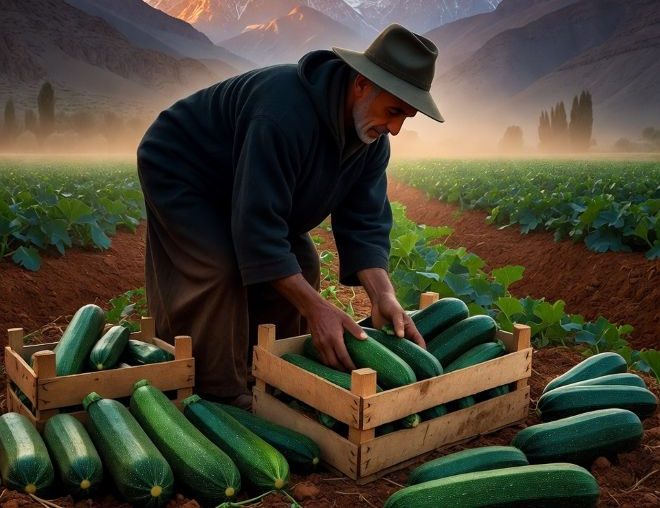
Moroccan chefs now serve vegetables harvested just hours earlier from fields outside Marrakech. This simple change has transformed both dining and farming in the region. Fresh produce travels less than 50 kilometers from soil to plate, keeping flavors intense and money in local pockets.
Tourists and residents seeking authentic meals increasingly turn to the recommended restaurants by AtMarrakech. These carefully chosen spots prioritize ingredients grown by small-scale farmers and cooperatives in the Haouz plain and Ourika Valley.
Farmers Gain Steady Markets
Most Moroccan family farms span fewer than five hectares. Before the farm-to-table movement gained speed, many growers struggled to sell perishable crops at fair prices. Restaurants solved that problem.
Chefs visit farms weekly or place standing orders. Farmers know exactly how much mint, zucchini, or pomegranate to plant. One cooperative near Tamesloht now supplies nine Marrakech restaurants with organic tomatoes and herbs. Its members doubled their income in three years.
This direct link cuts out middlemen. Farmers earn two to three times more than they did at wholesale markets. Women’s cooperatives, especially those making argan oil and preserved lemons, benefit most. Steady restaurant orders give them financial independence.
Preserving Old Ways and Old Seeds
Traditional crops almost disappeared under pressure from hybrid varieties. Chefs refuse to cook with them. They demand heirloom carrots from Oumnass, purple maize from the High Atlas, and Berber wheat grown near Asni.
- Amal Association restaurant trains disadvantaged women and buys all vegetables from nearby female-run farms.
- Le Jardin grows part of its salad greens in its own courtyard and sources the rest from a single family in the Ourika Valley.
- Nomad works with a saffron cooperative in Taliouine, ensuring fair wages for harvest workers.
- Dar Yacout keeps centuries-old recipes alive by insisting on specific varieties of olives and almonds.
Seasonal Menus Tell the Story
Walk into a farm-to-table restaurant in Marrakech today and the menu changes almost daily. No tomatoes in January. No watermelon in December. Chefs celebrate what the land gives right now.
That limitation sparks creativity. Winter brings slow-cooked tagines with turnips and quince from Setti Fatma. Spring explodes with fresh fava beans and artichokes. Summer means chilled yogurt soups with cucumber straight from the field.
Diners learn where each ingredient grew. Servers happily explain that the carrots came from Fatima’s plot near Aghmat or that the honey drizzled on dessert supports a mountain village beekeeper.
Water, Soil, and Future
Agriculture around Marrakech faces drought and soil depletion. Restaurants respond by choosing producers who use drip irrigation and natural compost. Some even pay premium prices for farms switching to agroecological methods and innovations in crop farming.
Young farmers see a future again. Instead of leaving for Europe, many return to family land. They plant almond trees, install solar pumps, and deliver boxes of greens to restaurant back doors at dawn.
A Model That Works
The farm-to-table movement in Marrakech proves simple ideas carry big impact. Chefs cook better food. Farmers earn decent livings. Ancient seeds survive. Water stays in the soil longer.
Next time you sit under the lanterns of a Marrakech rooftop, taste the difference. Every bite of fresh zaalouk or grilled pepper salad supports a farmer, a tradition, and a quieter kind of revolution happening just beyond the city walls.
The recommended restaurants by AtMarrakech continue to lead this quiet change, one plate at a time.


