
Diversified Small-Farm Calendar: Crop Maps by Microclimates
Plan a practical diversified small-farm planting calendar that matches crops to microclimates and market windows using crop maps, soil zones, and succession strategies for steady harvests year-round.
How do I plan a diversified small-farm planting calendar?
Start by mapping your farm microclimates, soil types, water sources, and market dates, then assign crop families and planting windows to each zone.
How do I plan a diversified small-farm planting calendar by mapping yields, shade, wind, and frost pockets first.
How do I plan a diversified small-farm planting calendar by noting irrigation lines, access paths, and storage near plantings.
How do I plan a diversified small-farm planting calendar by determining core enterprises: vegetables, herbs, cut flowers, small fruit, and grains.
What are the first mapping steps for microclimates on a small farm?
Record sun exposure, frost pockets, slope, wind, and soil depth across the farm using repeated observations and simple sensors.
What are the first mapping steps for microclimates on a small farm by walking the property at sunrise, midday, and sunset.
What are the first mapping steps for microclimates on a small farm by marking shade from trees and buildings on a base map or aerial photo.
What are the first mapping steps for microclimates on a small farm by placing inexpensive data loggers to record temperature and humidity for two weeks.
What are the first mapping steps for microclimates on a small farm by consulting USDA Plant Hardiness Zone data and local extension frost-date records.
What tools help create crop maps by microclimate?
Use a base aerial map, GIS or free mapping apps, field notebooks, soil test results, and temperature sensors to draw crop zones.
What tools help create crop maps by microclimate by using printed orthophotos or satellite images as a base layer for sketching zones.
What tools help create crop maps by microclimate by layering soil survey data from NRCS and your own pH and texture tests.
What tools help create crop maps by microclimate by using handheld GPS or smartphone GPS to locate beds and irrigation lines accurately.
What tools help create crop maps by microclimate by installing a few soil moisture sensors to refine irrigation scheduling and crop placement.
What crops should I place in each microclimate zone?
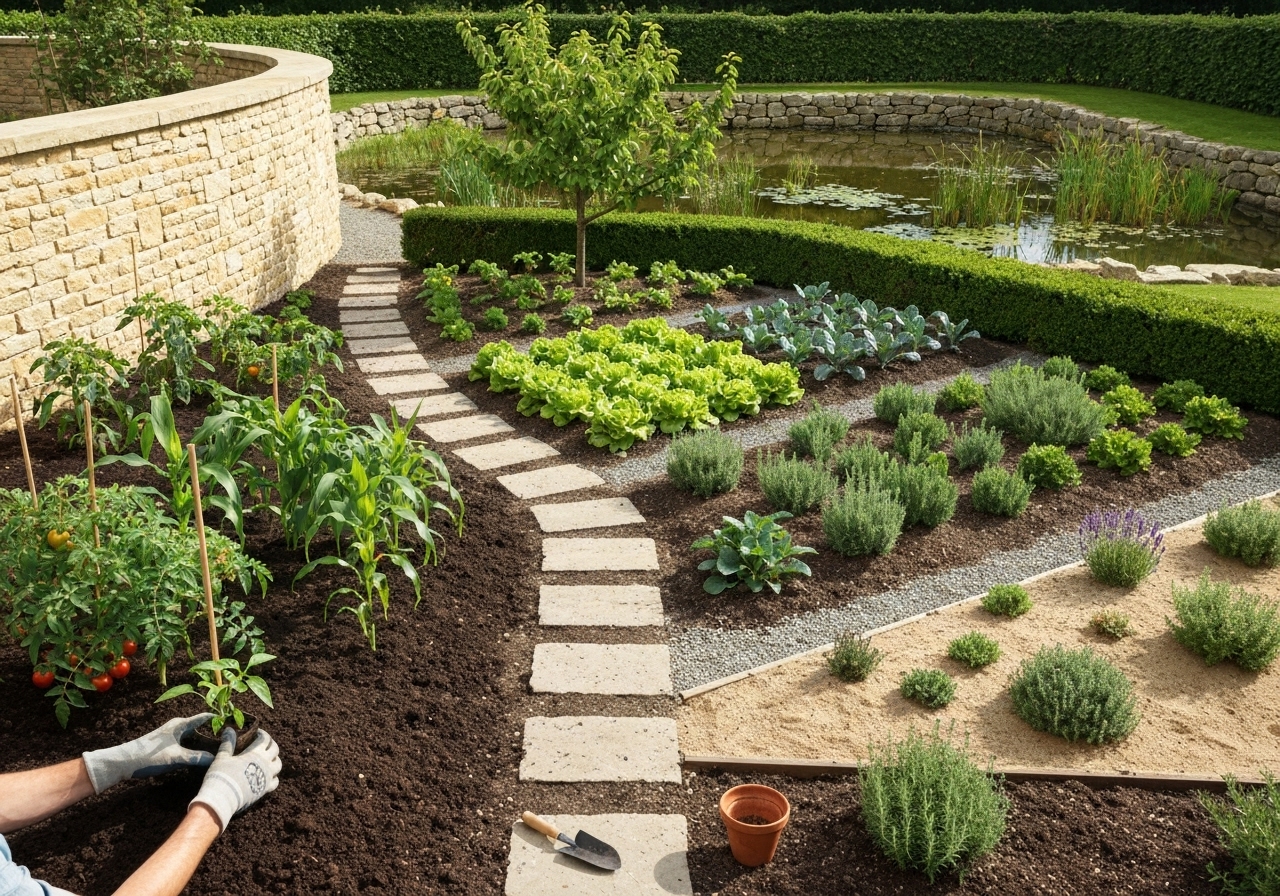
Match heat-loving crops to warm sites, cold-tolerant crops to frost pockets, moisture-loving crops to wet areas, and shallow-root crops to thin soils.
What crops should I place in each microclimate zone by grouping compatible families together to reduce pest pressure and simplify rotations.
What crops should I place in each microclimate zone by planting brassicas in cooler, well-drained soils and cucurbits in sunny, deep soils.
What crops should I place in each microclimate zone by locating herb gardens and cut-flower beds on well-aerated slopes with afternoon shade.
What crops should I place in each microclimate zone by reserving marginal or saline plots for resilient grains, millet, or salt-tolerant cover crops.
Which reference guides help match crops to microclimate?
Use local extension planting guides, seed company day-length and maturity tables, and crop heat unit models to pick varieties.
Which reference guides help match crops to microclimate by referencing days-to-maturity and chill-hour requirements for orchard and perennial crops.
Which reference guides help match crops to microclimate by consulting regional trial reports from state universities for local performance data.
Which reference guides help match crops to microclimate by using transplant shock and seedling hardiness notes from experienced growers.
When should I plant each crop and how do I build the calendar?
Base planting dates on last and first frost, soil temperature thresholds, crop maturity days, and desired harvest windows for market demands.
When should I plant each crop and how do I build the calendar by creating a year-long grid showing sowing, transplant, harvest, and fallow windows.
When should I plant each crop and how do I build the calendar by calculating back from target harvest dates using days-to-maturity plus germination and establishment buffers.
When should I plant each crop and how do I build the calendar by staggering plantings every 7 to 14 days for dozens of crops to maintain continuous supply.
When should I plant each crop and how do I build the calendar by grouping crops by similar care needs for labor efficiency and synchronized harvesting.
How to calculate soil temperature and frost dates?
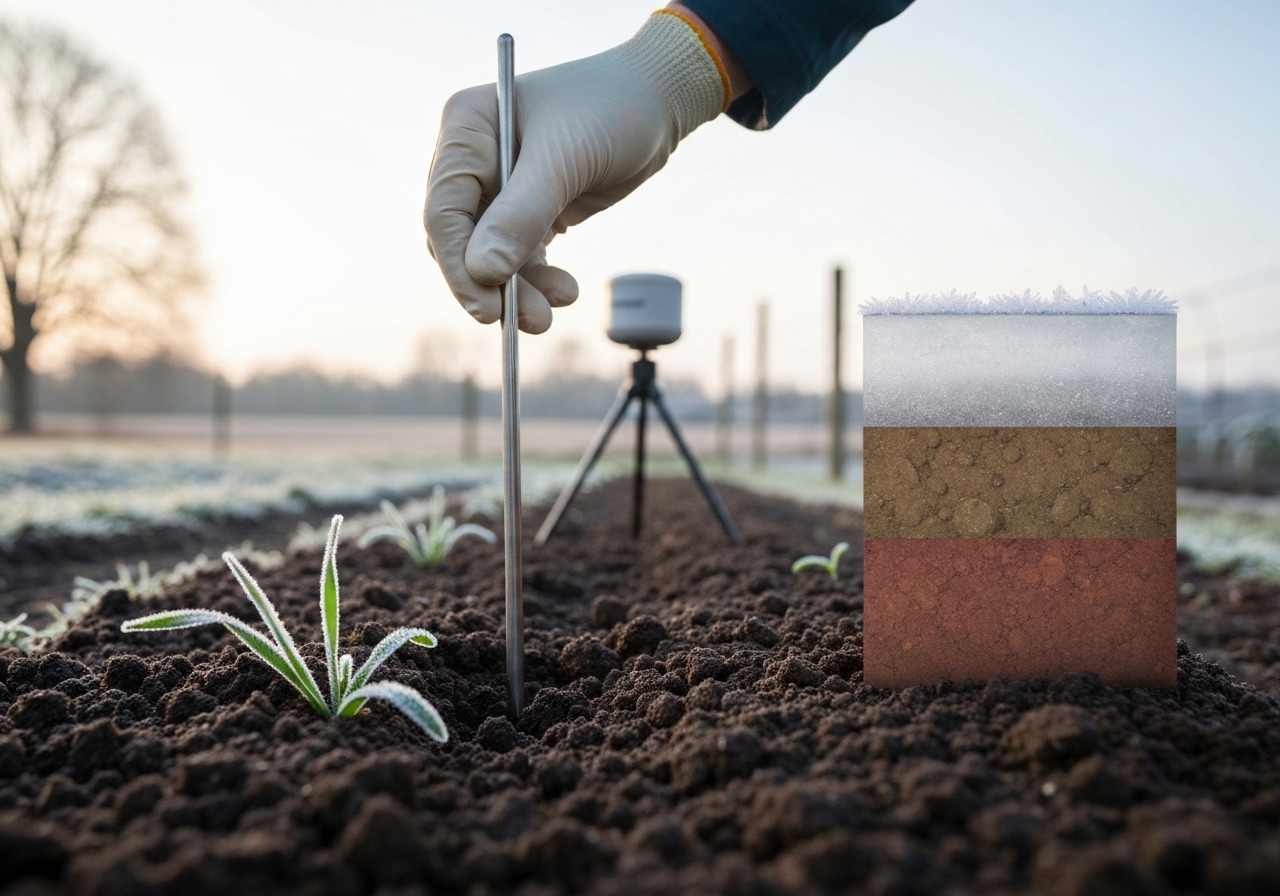
Measure soil temperature at 4 inches depth and use local frost statistics to set safe transplant and direct-sow dates.
How to calculate soil temperature and frost dates by installing a soil probe thermometer in representative zones and recording morning lows.
How to calculate soil temperature and frost dates by consulting local extension frost-probability charts for risk management.
How to calculate soil temperature and frost dates by allowing a 7 to 14 day buffer for unpredictable cold snaps and late frosts.
How do I design rotations and polycultures for a diversified small farm?
Rotate by crop family, root depth, and nutrient use; integrate legumes, deep-rooters, and mulch crops to build soil and break pest cycles.
How do I design rotations and polycultures for a diversified small farm by mapping family groups and assigning them to different fields each season.
How do I design rotations and polycultures for a diversified small farm by alternating heavy feeders like tomatoes with nitrogen-fixing legumes.
How do I design rotations and polycultures for a diversified small farm by planting diverse edge species to attract beneficial insects and pollinators.
How do I design rotations and polycultures for a diversified small farm by maintaining perennial strips such as alleyway herbs and hedgerows for habitat.
What are practical polyculture examples for small farms?
Combine a fruit tree alley with understory herbs, nitrogen-fixing shrubs, and seasonal vegetables for layered production and resilience.
What are practical polyculture examples for small farms by planting three-sisters beds: corn, beans, and squash for balanced yields and soil cover.
What are practical polyculture examples for small farms by integrating cut flowers between vegetable beds to split markets and pollinator attraction.
What are practical polyculture examples for small farms by using guilds around perennial systems to increase yield diversity and pest suppression.
How do I schedule succession planting and staggered harvests?
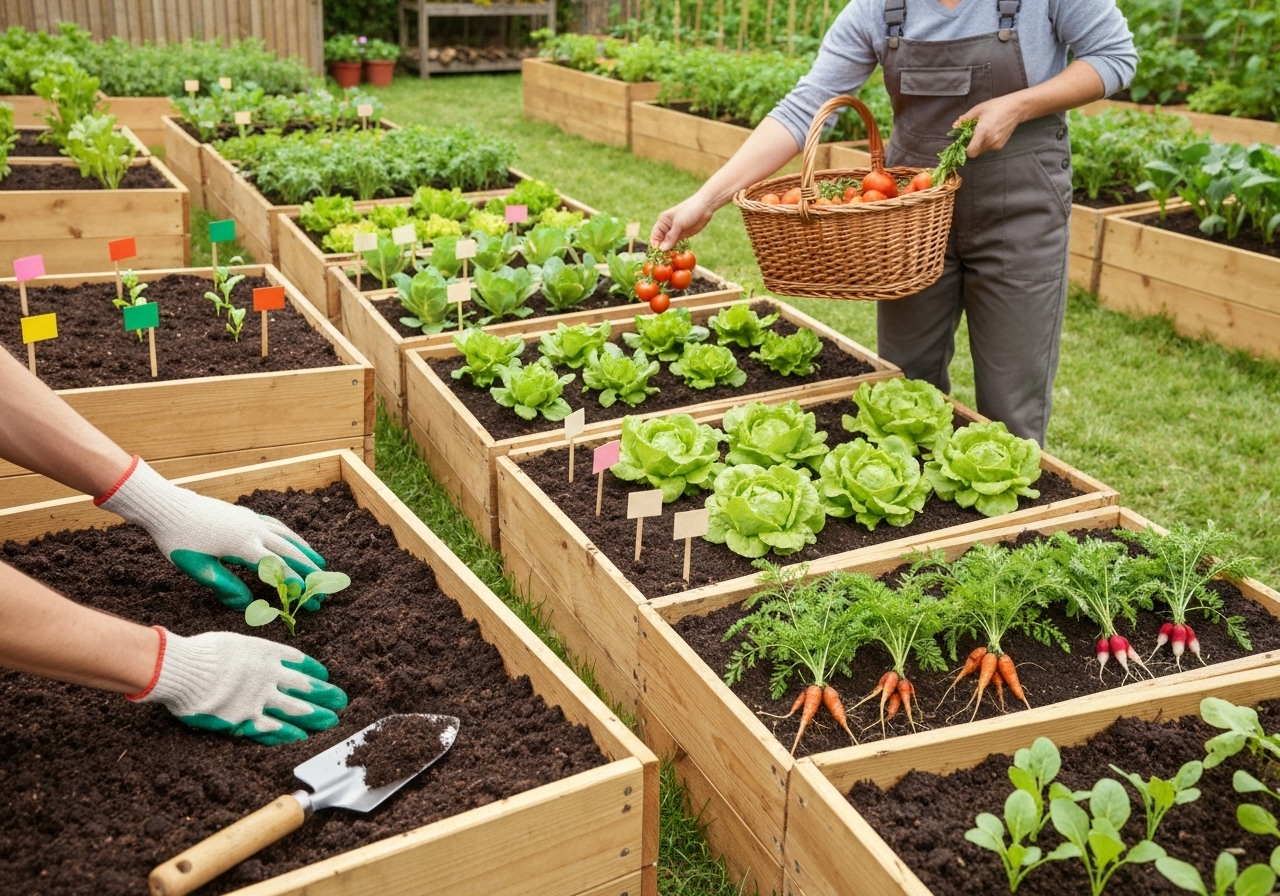
Sow short-cycle crops frequently, plan overlapping maturity windows, and keep seed-to-market timelines visible on the calendar.
How do I schedule succession planting and staggered harvests by using block plantings and wave sowing to manage labor peaks.
How do I schedule succession planting and staggered harvests by planning three or four plantings of salad greens across a 12-week season.
How do I schedule succession planting and staggered harvests by holding back small transplants to fill market gaps and replace failed stands.
What management tactics reduce risk in the calendar?
Build redundancy with backup plantings, use season extension, diversify markets, and maintain seed reserves for quick replanting.
What management tactics reduce risk in the calendar by assigning flexible beds that can swap crops if weather or pest events occur.
What management tactics reduce risk in the calendar by establishing a rainy-season and dry-season crop list to respond fast to conditions.
What management tactics reduce risk in the calendar by tracking local pest cycles and planning trap crops and biological controls ahead of time.
How can season extension alter the planting calendar?
Use simple season extension tools to move planting dates earlier or later and expand harvest windows without major infrastructure.
How can season extension alter the planting calendar by installing low tunnels, high tunnels, and row covers to protect against frost and heat stress.
How can season extension alter the planting calendar by implementing cold frames and cloches for early greens and late-season brassicas.
How can season extension alter the planting calendar by using mulches to moderate soil temperature and retain moisture during dry spells.
Which cost-effective season extension options work best?
Choose low tunnels for quick turnover crops and a single high tunnel for consistent winter production and greater labor efficiency.
Which cost-effective season extension options work best by sourcing recycled greenhouse plastics and portable hoops for budget-limited farms.
Which cost-effective season extension options work best by prioritizing tool placement near power and water to reduce daily setup time.
What data and technology improve calendar accuracy?
Leverage local weather stations, soil sensors, pest degree-day calculators, and simple farm management software to refine dates.
What data and technology improve calendar accuracy by logging planting and harvest dates to analyze yield trends and labor loads over seasons.
What data and technology improve calendar accuracy by using pest and disease forecast tools to adjust planting windows and variety choices.
What data and technology improve calendar accuracy by employing apps or spreadsheets for planting schedules and bed assignments.
What data and technology improve calendar accuracy by reading extension trial results and regional reports from university research.
Where can small farms learn mapping best practices?
Consult local extension services, NRCS resources, and regional training programs on microclimate mapping and regenerative design.
Where can small farms learn mapping best practices by following practical guides found in state agriculture publications and NRCS manuals.
Where can small farms learn mapping best practices by reading applied case studies from other smallholders and community organizations.
Where can small farms learn mapping best practices by experimenting with pilot plots before full-scale implementation.
How do pollinators and integrated services affect the planting calendar?
Include pollinator-attractive plantings timed to crop bloom windows to secure fruit set and maintain yields across seasons.
How do pollinators and integrated services affect the planting calendar by scheduling bloom overlaps for crop pollination and beneficial insect habitat.
How do pollinators and integrated services affect the planting calendar by protecting nesting areas and providing water sources for pollinators.
How do pollinators and integrated services affect the planting calendar by coordinating flowering strips to support early- and late-season pollinators.
How do pollinators and integrated services affect the planting calendar by exploring new technologies such as robotic pollinators to support pollination gaps in select crops.
How do pollinators and integrated services affect the planting calendar by learning from research and field trials discussed in recent reports on robotic pollination and pollinator corridors.
How do pollinators and integrated services affect the planting calendar by reading applied examples like those showing robotic pollinator trials and pollinator network design.
How do pollinators and integrated services affect the planting calendar by following innovation summaries from technology and ecology research groups.
How do irrigation and water planning integrate with the calendar?
Match crop water needs to irrigation zones and schedule sowing to align with water availability and seasonal rainfall patterns.
How do irrigation and water planning integrate with the calendar by designing irrigation circuits that serve similar-water-use crops together.
How do irrigation and water planning integrate with the calendar by allocating high-value, water-sensitive crops to zones with controlled irrigation.
How do irrigation and water planning integrate with the calendar by using micro-irrigation practices to save water and time during peak harvest periods.
How do irrigation and water planning integrate with the calendar by consulting tested methods such as those in regenerative micro-irrigation guides for small farms.
How do irrigation and water planning integrate with the calendar by reading practical case studies on soil moisture management and drip scheduling.
How should market windows shape my planting calendar?
Align planting dates to key market opportunities, farmer market schedules, restaurant demand, and seasonal price peaks.
How should market windows shape my planting calendar by surveying customers and local buyers for preferred produce timing and pack sizes.
How should market windows shape my planting calendar by timing specialty crops to restaurant windows and festival seasons for premium pricing.
How should market windows shape my planting calendar by building redundancy so multiple crops can fill a gap if demand shifts unexpectedly.
How should market windows shape my planting calendar by learning from supply-chain stories and local farm-to-table partnerships that support agricultural networks.
How should market windows shape my planting calendar by exploring examples of farms collaborating with restaurants to match micro-season yields.
How do I test and adapt the calendar yearly?
Review harvest dates, yields, labor peaks, and weather anomalies annually; adjust planting windows and variety selection accordingly.
How do I test and adapt the calendar yearly by keeping clear records of failures and successes by bed and zone for iterative improvement.
How do I test and adapt the calendar yearly by running small trials of new varieties and microclimate placements before scaling up.
How do I test and adapt the calendar yearly by using feedback from customers and chefs to refine quality and timing.
How do I test and adapt the calendar yearly by tracking soil health metrics to ensure rotation and cover practices improve long-term productivity.
Which indicators show calendar success?
Measure steady weekly yields, balanced labor distribution, low replant rates, and improved soil metrics as signs of a working calendar.
Which indicators show calendar success by monitoring gross margin per bed and per labor hour across the season.
Which indicators show calendar success by analyzing pest outbreaks and whether rotations prevented larger losses.
Which indicators show calendar success by observing expansion of market outlets and customer retention based on reliable supply.
Which additional resources and articles should I read?
Study microclimate mapping, regenerative irrigation, and pollination technology reports to add precision to your calendar.
Which additional resources and articles should I read by examining microclimate mapping practices tailored to small farms for step-by-step workflows.
Which additional resources and articles should I read by reading applied irrigation guides that show how to zone and schedule water for mixed crops.
Which additional resources and articles should I read by exploring innovations in pollination and sensor-guided polyculture to manage yields and labor.
Which additional resources and articles should I read by reviewing technology case studies and regenerative farm networks for applied lessons and market links.
Which additional resources and articles should I read by visiting posts on robotic pollinators and regenerative micro-irrigation to see applied small-farm tech examples: robotic pollinator trials that support small farms and practical micro-irrigation methods for smallholders.
Which additional resources and articles should I read by studying microclimate mapping approaches that tailor crop maps to fine-scale conditions: microclimate mapping practices for regenerative farms.
Which additional resources and articles should I read by combining those references with local extension data from USDA and state universities.
How do I begin implementing the calendar this season?
Create a simple bed map, schedule three pilot plantings, and monitor microclimate readings for immediate feedback.
How do I begin implementing the calendar this season by choosing 1 to 3 trial beds with distinct microclimates for quick learning.
How do I begin implementing the calendar this season by setting clear market targets and measuring labor to refine future schedules.
How do I begin implementing the calendar this season by documenting dates and observations for each trial to build a reliable local database.


