
Regenerative Micro-Harvest: Urban Farms’ New Blueprint
Regenerative Micro-Harvest: Urban Farms’ New Blueprint
Regenerative Micro-Harvest is a model for urban farms that prioritizes soil rebuilding, high-frequency harvests, water efficiency, and local markets in compact footprints.
What is Regenerative Micro-Harvest?
Regenerative Micro-Harvest means applying regenerative agriculture principles at small scale to produce frequent, high-value yields in urban settings.
Regenerative Micro-Harvest combines soil biology, modular infrastructure, sensor-driven management, and market-oriented cropping for consistent returns.
Why Regenerative Micro-Harvest matters to urban farming
Regenerative Micro-Harvest addresses urban constraints by increasing yield per square meter while rebuilding soil and reducing resource inputs.
Regenerative Micro-Harvest reduces supply chain distance, improves freshness, and generates social benefits by placing production near consumers.
Core principles of the regenerative micro-harvest blueprint
Core principles include maximizing soil life, diversifying crops, closing water and nutrient loops, and designing for rapid harvest cycles.
Core principles demand modularity so farms can scale incrementally and adapt plots to changing market signals or climate stressors.
Soil-first management
Soil-first management prioritizes organic matter accrual, microbial diversity, and minimal disturbance to increase fertility and water retention.
Soil-first management uses compost, cover crops, and targeted microbial inoculants to speed soil function recovery in urban substrates.
Crop diversity and succession
Crop diversity breaks pest cycles, increases total yield stability, and provides continuous harvest windows for market engagement.
Crop diversity blends fast-turnover greens, niche herbs, and small perennials to balance cash flow and ecosystem services.
Closed-loop water and nutrient systems
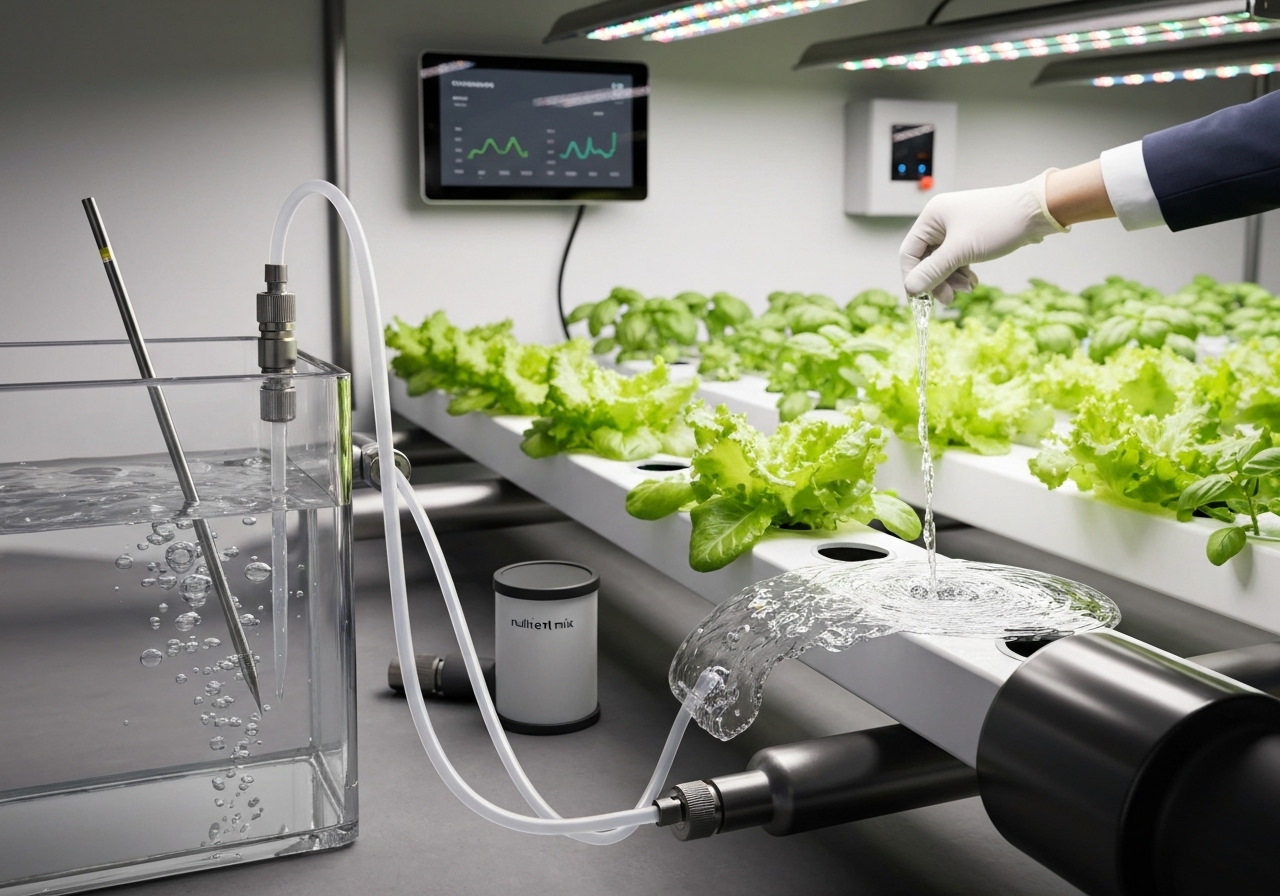
Closed-loop water systems capture and reuse runoff, integrate rainwater harvesting, and apply fertigation only to the root zone to reduce waste.
Closed-loop nutrient systems prioritize compost tea, vermicompost, and targeted mineral amendments over broad synthetic inputs.
Designing an urban micro-farm blueprint
Designing an urban micro-farm begins with site assessment, then moves to modular layout, water strategy, and sensor integration for continuous improvement.
Designing an urban micro-farm focuses on maximizing light capture, maintaining easy access for harvest, and protecting soil from compaction.
Site selection and microclimate mapping
Site selection evaluates sun hours, wind exposure, roof load capacity for rooftop farms, and local zoning constraints for ground sites.
Site selection uses simple microclimate mapping tools to place high-light crops in the brightest zones and shade-tolerant species in protected areas.
Modular bed and container systems
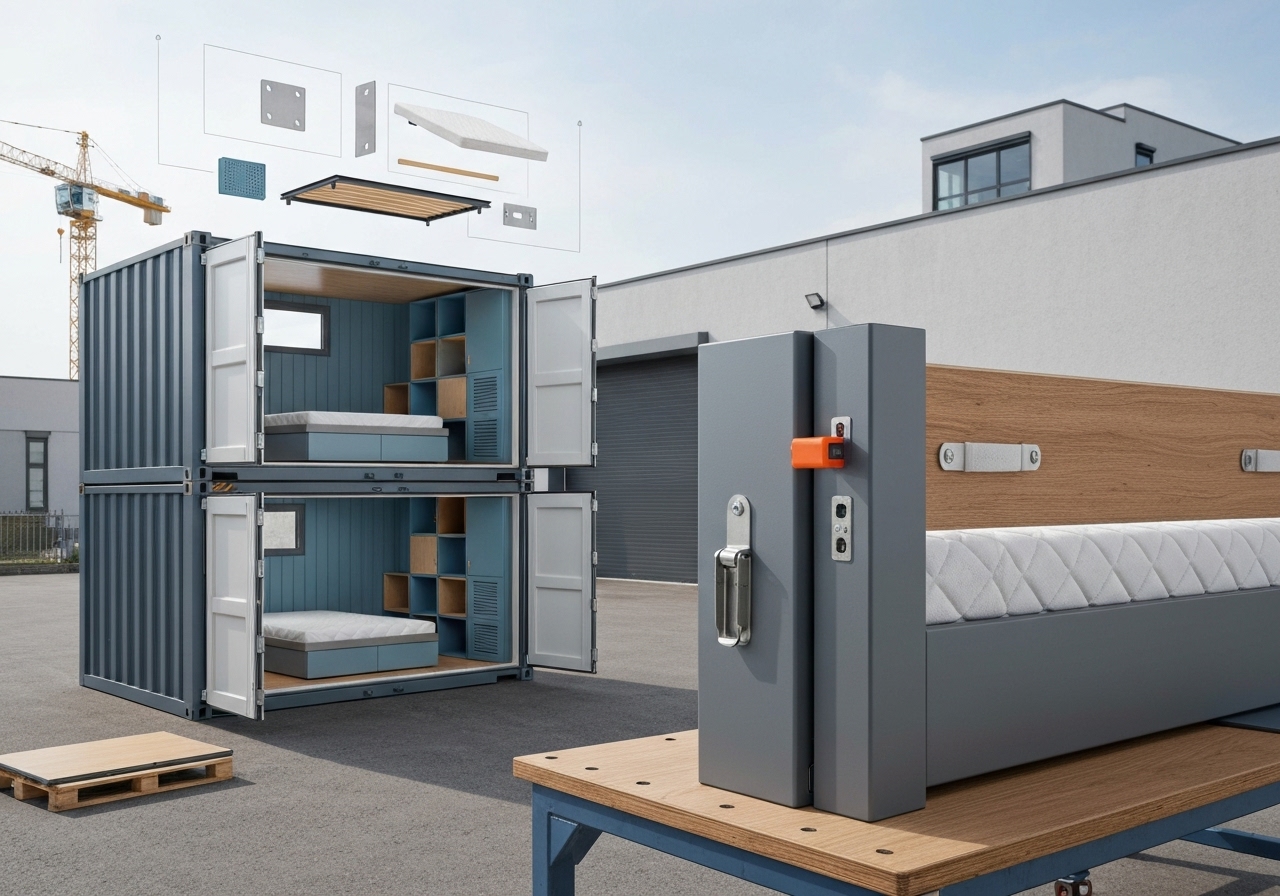
Modular bed systems use standardized dimensions to enable quick replacement, crop rotation, and mobility across rooftops or courtyards.
Modular bed systems reduce labor by enabling pre-mixed substrate swaps and localized bed amendments rather than wholesale plot renovation.
Vertical and stacked production
Vertical production stacks trays or towers to multiply harvest area per square meter while keeping root zones shallow for quick turnover.
Vertical production balances light distribution with forced airflow and targeted irrigation to avoid disease hotspots in dense canopies.
Water systems and reuse
Water systems integrate drip or ebb and flow for precise delivery, paired with filtration and UV treatment when reusing water across cycles.
Water systems include rain capture and cisterns to offset municipal use and reduce operating costs during summer peaks.
Energy and climate control

Energy systems prioritize passive design, LED lighting for supplemental needs, and solar panels to offset electricity for pumps and sensors.
Energy systems focus on low power lighting for greens, thermostatic control for seedlings, and energy storage for critical operations during outages.
Soil and microbiome management
Soil microbiome management aims to measure and optimize microbial communities that support nutrient cycling, disease suppression, and crop resilience.
Soil microbiome management benefits from mapping and diagnostic tools to track recovery trajectories and tailor amendments over time.
Soil microbiome tools include DNA-based mapping, respiration assays, and targeted inoculants to restore core functions quickly.
Soil microbiome mapping for small plots can be scaled using protocols from larger climate farms adapted for micro-harvest sites. Read a practical guide on soil microbiome mapping for small-scale climate farms for step-by-step methods.
Sensors, drones, and automation
Sensors track soil moisture, substrate EC, air temperature, and relative humidity to enable data-driven irrigation and fertigation regimes.
Sensors integrate with lightweight automation for solenoid valves and pump scheduling to reduce labor and respond to plant needs in real time.
Sensors pair with periodic drone or camera mapping when sites expand, to spot pest hotspots and canopy health issues at scale.
For lessons on using sensors, drones, and grazing principles in small systems see insights from broader pasture tech strategies at soil sensors and micro-climate monitoring.
Pollination strategies
Pollination strategies combine habitat for wild pollinators, managed bee boxes where permitted, and targeted manual or mechanical pollination for controlled crops.
Pollination strategies may include robotic pollination tech for enclosed spaces or high value crops when natural pollinators are absent. Explore research and lab approaches in robotic pollinators and pollination labs.
Crop selection, sequencing, and rotation
Crop selection prioritizes short cycle, high-value crops that match customer demand and fit the micro-farm microclimate.
Crop sequencing uses staggered plantings to ensure continuous harvest windows and to spread labor evenly across weeks.
Best crops for regenerative micro-harvest
- Lettuce mixes and salad greens for 30 to 45 day cycles.
- Herbs such as basil, cilantro, and mint with high per-area value.
- Microgreens and edible flowers for premium markets and fast turnover.
- Small fruiting crops like cherry tomatoes or peppers in protected microclimates for higher price points.
Rotation and cover strategies
Rotation uses rapid cover crops and green manures between cash cycles to feed microbes and prevent soil fatigue.
Rotation can include legumes or brassicas as brief covers in container beds to rebuild nitrogen and break pest life cycles.
Operational workflows and labor design
Operational workflows optimize transplant windows, harvest schedules, and packing flows to minimize waste and maximize freshness.
Operational workflows standardize bed templates, substrate mixes, and transplant protocols so seasonal hires can onboard quickly.
Labor roles
Labor roles split into production, post-harvest handling, sales, and maintenance to keep a compact team efficient and accountable.
Labor roles leverage volunteers or community partners for education events while maintaining professional workflows for market deliveries.
Market pathways and revenue models
Market pathways include CSA memberships, chef partnerships, farmers market stalls, and direct delivery to local retail or office kitchens.
Market pathways combine recurring revenue from subscriptions with premium one-time sales of specialty boxes or event catering.
Pricing and value capture
Pricing reflects freshness, reduced transport, and ecosystem service premiums such as soil rebuilding or biodiversity contributions.
Pricing models offer tiered subscriptions and occasional add-ons like workshops to boost lifetime customer value and community ties.
KPIs and metrics for regenerative micro-harvest
KPIs include yield per square meter, water used per kilogram of produce, soil organic matter change, and customer retention rate.
KPIs track biodiversity indicators such as pollinator visits per week and microbial diversity indices when monitoring soil biology.
Data collection tips
Data collection uses simple spreadsheets linked to sensor logs, harvest weights, and daily labor time sheets to calculate productivity metrics.
Data collection standardizes measures like harvest weight per bed, margin per crop, and input costs per crop cycle for continuous improvement.
Case studies and design examples
Case studies illustrate a balcony micro-harvest kit, a rooftop modular farm, and a shipping container micro-farm that scales across neighborhoods.
Case studies emphasize quick return designs such as mobile beds that can be shipped and installed in under a day for pop-up markets.
Balcony micro-harvest
Balcony micro-harvest uses stacked planters, a small drip system, and a shared customer pickup schedule for a single building or block.
Rooftop modular farm
Rooftop modular farms use lightweight raised beds, 1,000 liter cisterns, and solar pumping to serve a local restaurant route twice weekly.
Container micro-farm
Container micro-farms create climate-controlled micro-environments for year-round production and are ideal for pilot projects with direct contracts.
Policy, community engagement, and risk management
Policy engagement seeks rooftop access agreements, water use permits when required, and incentives for urban green infrastructure deployment.
Community engagement builds neighborhood support through open days, educational programs, and produce donations to shelters during harvest peaks.
Risk management
Risk management includes crop insurance where available, backup seed banks, and redundancy in water and power to reduce single point failures.
Risk management monitors pest and disease early with routine scouting, immediate spot treatments using regenerative methods, and quarantine beds for affected crops.
Implementation checklist for a regenerative micro-harvest pilot
- Assess site microclimate and regulatory constraints.
- Design modular bed layout and water capture plan.
- Source high-quality substrate, compost, and seed stock.
- Install sensors for soil moisture and microclimate monitoring.
- Plant a staged crop plan for the first 90 days.
- Establish customer channels and a simple delivery schedule.
- Measure baseline soil biology and repeat at 3 month intervals.
Common questions about regenerative micro-harvest
How long until the soil shows improvement?
Soil improvement typically appears in 3 to 12 months depending on starting condition and amendment intensity.
Soil improvement is fastest when combining compost, cover crops, and reduced disturbance with targeted microbial inoculants.
Can regenerative micro-harvest work on impermanent sites?
Yes. Regenerative micro-harvest adapts to impermanent sites using mobile beds, container systems, and removable infrastructure to avoid long term soil loss.
Does this approach require high capital?
No. Start-up can be low cost if using reused containers, community labor, and phased sensor deployment with priority on core needs like water and substrate.
Resources and next actions
Resources include local extension services, community agriculture groups, and supplier networks for modular bed components and substrate mixes.
Resources recommend starting small, documenting processes, and using the data to iterate designs before scaling to multiple rooftops or neighborhoods.
Further reading on related farming methods
Further reading on sustainable practices and transitions between conventional and regenerative methods is useful when planning hybrid operations. Compare methods in conventional farming as a modern practice to adapt processes that fit urban constraints.
Final implementation note
Final implementation emphasizes continuous measurement, community integration, and iterative design to keep regenerative micro-harvest productive and resilient in urban settings.
Final implementation seeks to produce nutritious food, restore soil, and deliver social value at a neighborhood scale while remaining financially viable.


