
Robotic Beehives: Boosting Pollination on Small Farms
What are Robotic Beehives?
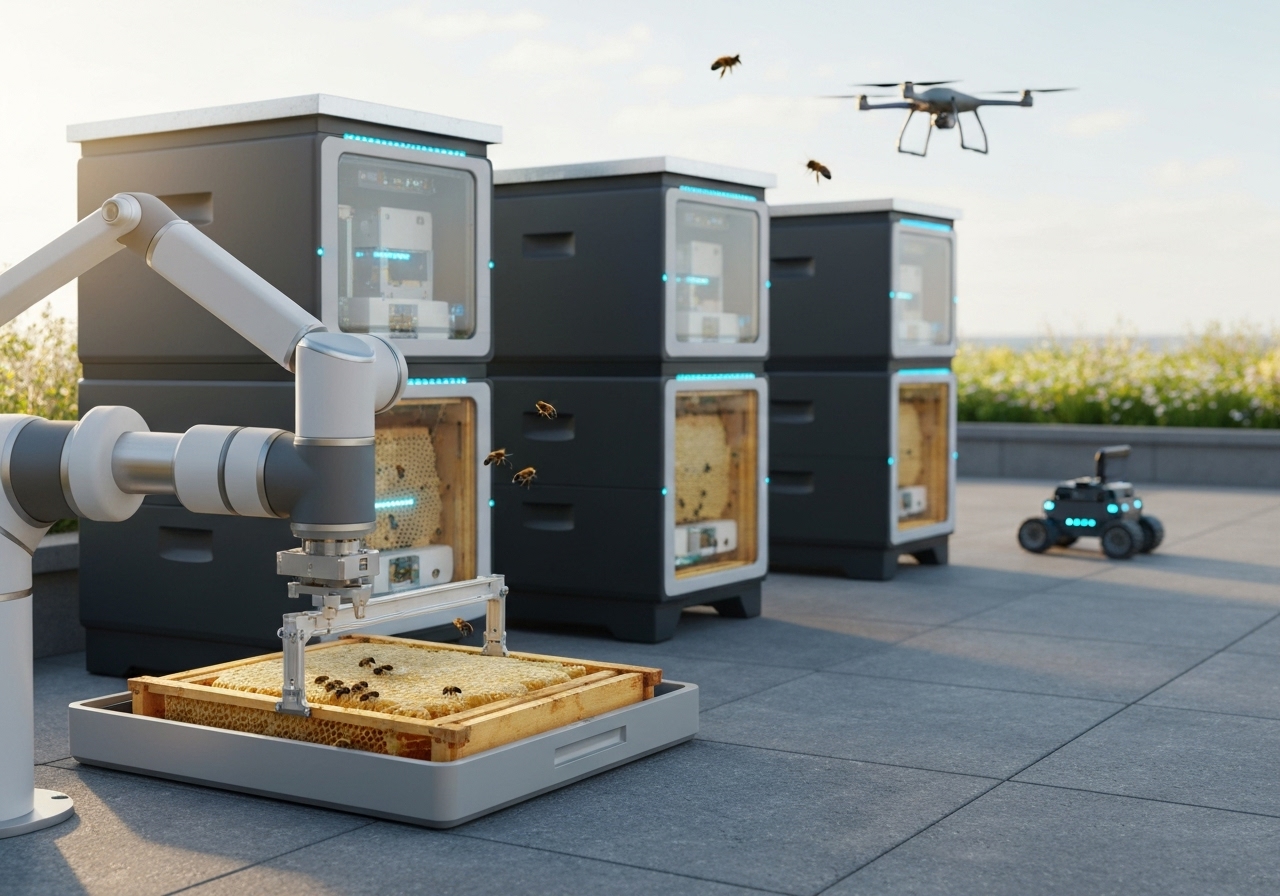
What are robotic beehives? Robotic beehives are integrated hive systems that combine traditional beekeeping with sensors, automation, and data analytics to monitor colony health, regulate microclimate, automate routine tasks, and assist targeted pollination on farms.
Why should small farms consider robotic beehives?
Why should small farms consider robotic beehives? Robotic beehives increase pollination reliability, reduce labor for routine hive checks, improve disease detection, and support more consistent crop yields when combined with good farm management.
Benefits for small farms include:
- Increased pollination efficiency leading to better fruit set and quality.
- Remote monitoring that reduces frequent manual inspections.
- Early detection of pest, pathogen, or stress signals via sensors and analytics.
- Data-driven hive placement and density planning to match crop bloom patterns.
- Reduced chemical or management risks to colonies through environmental controls and targeted interventions.
How do robotic beehives work?
How do robotic beehives work? Robotic beehives use a combination of hardware and software components—sensors, actuators, connectivity, and machine learning—to track colony state and automate specific tasks while keeping bees in a natural flow.
Which sensors are used in robotic beehives?
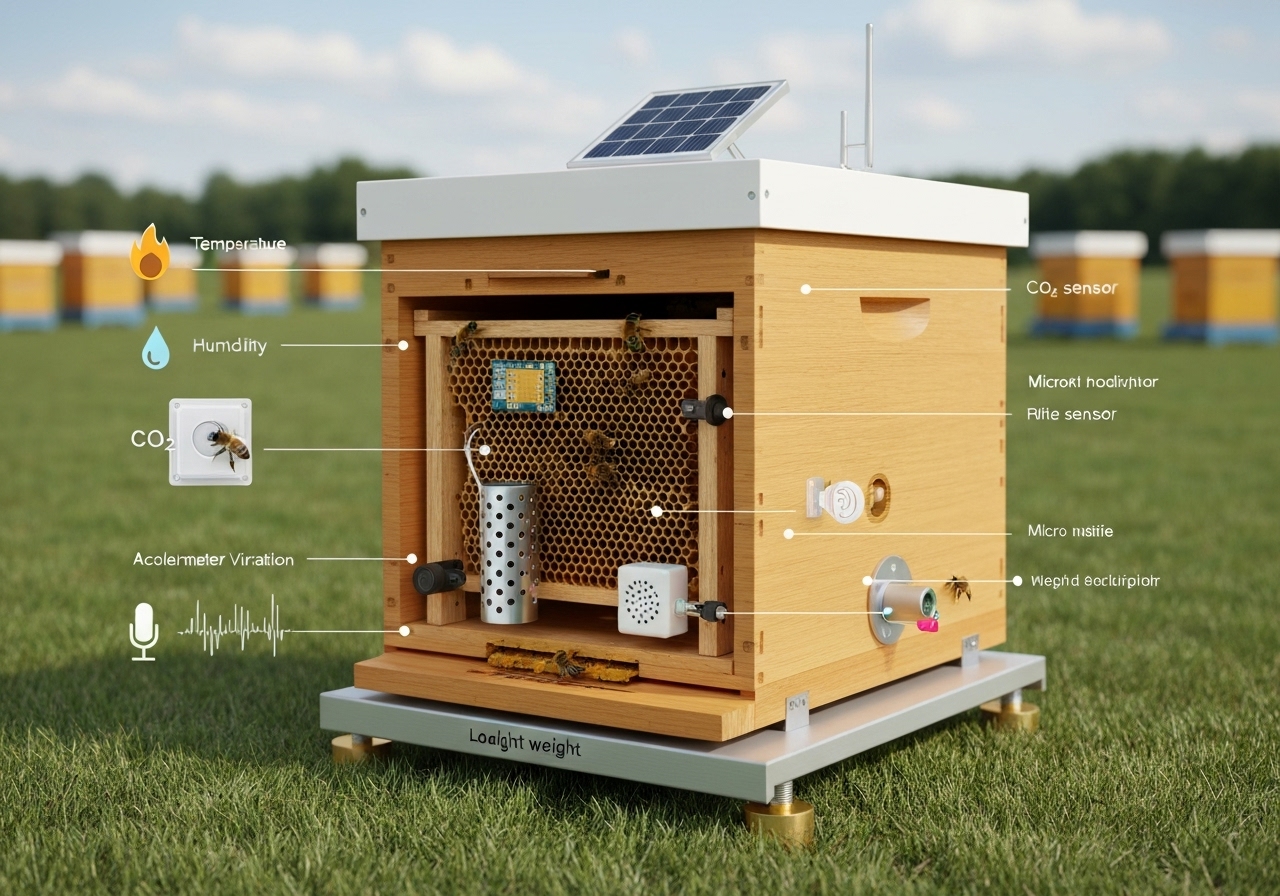
Which sensors are used in robotic beehives? Common sensors include:
- Weight scales to estimate nectar and brood changes.
- Temperature and humidity sensors to monitor broodnest conditions.
- Acoustic sensors and vibration detectors to infer colony stress or swarming behavior.
- Optical or camera modules for forager traffic analysis and entrance activity.
- Gas sensors for detecting hive ventilation issues or high CO2.
What automation features are typical?
What automation features are typical? Typical features include automated feeders, entrance controls to reduce robbing, smart ventilation, in-hive cameras, and remote firmware updates for analytics. Some systems offer automated medicated treatment delivery tied to diagnostic alerts.
How do analytics and AI support beehive decisions?
How do analytics and AI support beehive decisions? Analytics convert raw sensor data into actionable alerts: low food stores, brood temperature deviation, sudden weight loss, or unusual acoustic patterns. Machine learning models can predict swarming risk, disease events, and optimal intervention timing.
What pollination improvements can small farms expect?
What pollination improvements can small farms expect? Pollination improvements vary by crop, landscape, and management; pilot projects and early adopter reports show measurable gains in bloom visitation and fruit set when robotic hive data is used to optimize hive placement and timing.
Typical outcomes and expectations:
- Improved bloom synchronization by moving or activating hives when crops are in peak bloom.
- Higher visit rates per flower where hive density and location are optimized.
- Reduced pollination gaps during poor weather by preconditioning hives or supplementing forage.
- Potential yield increases ranging from modest single-digit percentages to double digits in high-value or pollinator-limited crops (results depend on crop type and baseline pollination levels).
How do you plan deployment of robotic beehives on a small farm?
How do you plan deployment of robotic beehives on a small farm? Deploy robotic beehives by assessing crop needs, bloom calendars, landscape resources, and connectivity, then pilot a small number of units before scaling.
What steps should a farmer follow?
What steps should a farmer follow? Use this step-by-step implementation plan:
- Map crops and bloom periods to identify high-need windows.
- Survey on-farm forage, water sources, and nesting habitats to ensure colony support.
- Select initial locations considering wind protection, solar exposure, and proximity to crops.
- Install connectivity (Wi-Fi, cellular, or mesh) and power (solar or mains) as needed.
- Deploy 1–5 units for a single-season pilot to collect baseline data and adjust hive placement.
- Evaluate pollination metrics, bee health indicators, and crop response before scale-up.
How many hives do small farms usually need?
How many hives do small farms usually need? Hive density depends on crop type, landscape, and desired pollination intensity. For many small-fruit or vegetable operations, a few well-placed hives (3–10) provide substantial benefits; for orchards or large acreage, higher densities may be needed. It depends on bloom period overlap, wild pollinator presence, and crop value.
How should robotic beehives be integrated with other farm technologies?
How should robotic beehives be integrated with other farm technologies? Integrate robotic beehives into farm monitoring systems and precision ag platforms to create a holistic pollination management plan.
Integration opportunities include:
- Link hive telemetry to farm dashboards and scheduling tools.
- Coordinate hive placement with soil and crop management plans informed by soil microbiome mapping.
- Combine weather forecasts, bloom models, and remote-sensing data to time hive interventions.
- Align pollination activities with pasture or field drone flights and soil sensor readings for complete agroecosystem optimization as discussed in smart pasture management workflows.
What maintenance and management tasks remain with robotic beehives?
What maintenance and management tasks remain with robotic beehives? Robotic beehives reduce but do not eliminate beekeeper tasks. Regular human oversight is essential for colony health and legal compliance.
Ongoing tasks include:
- Periodic manual inspections for brood pattern, queen status, and disease symptoms.
- Supplemental feeding during dearths and overwintering management.
- Equipment checks: battery, solar panels, sensors, and network modules.
- Hygiene and sanitation to reduce pathogen transmission between hives.
- Record-keeping and compliance with local apiary regulations.
What ecological and ethical considerations should farms evaluate?
What ecological and ethical considerations should farms evaluate? Evaluate impacts on wild pollinators, disease dynamics, and landscape-level biodiversity before large-scale deployment.
Key considerations:
- Competition with wild pollinators: Avoid excessive hive densities that outcompete native bees.
- Disease spillover: Monitor for pathogens (Varroa, Nosema) and manage to prevent transmission to wild pollinators.
- Forage diversity: Maintain or restore flower-rich habitats to support both managed and wild pollinators.
- Regulatory compliance: Check local rules on hive movement, registration, and pesticide interactions.
What are the typical costs and return-on-investment considerations?
What are the typical costs and return-on-investment considerations? Costs vary by system sophistication, connectivity, and service model; ROI depends on crop value, baseline pollination, and labor savings.
Cost and ROI points:
- Costs: Robotic hive systems range from low-cost sensor add-ons to complete autonomous units. Initial investment can vary from modest add-ons to several thousand dollars per hive for full-featured systems.
- Operating costs: Data subscriptions, maintenance, batteries/solar upkeep, and occasional replacements.
- ROI factors: Increased yield, improved crop quality, reduced labor, lower colony losses through earlier intervention, and potential premium pricing for reliably pollinated produce.
- Decision: It depends on your crop value, farm scale, and whether the technology replaces paid pollination services or internally reduces costs.
How do you choose a robotic beehive supplier?
How do you choose a robotic beehive supplier? Choose suppliers based on proven field trials, transparent data, compatibility with farm systems, and quality of after-sales support.
Supplier selection checklist:
- Request case studies and references relevant to your crop and region.
- Verify compatibility with your connectivity and power infrastructure.
- Check software flexibility: open APIs, data export, and dashboard features.
- Assess warranty, training, and service contracts.
- Consider modular solutions that let you upgrade sensors or automation over time.
What pilot metrics should a farm track?
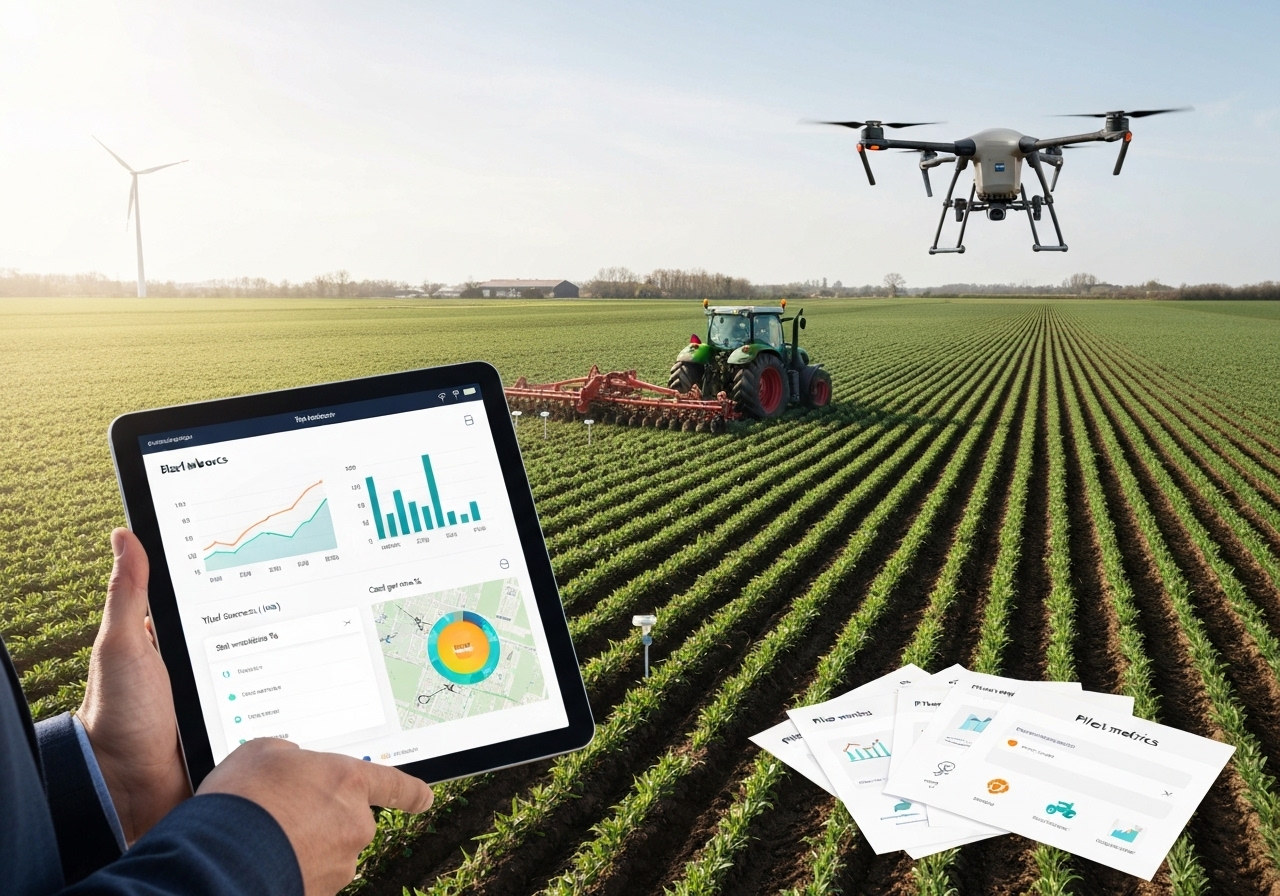
What pilot metrics should a farm track? Track both hive-level and crop-level metrics to measure success.
Recommended metrics:
- Hive health: weight trends, brood temperature stability, entrance activity, and acoustic alerts.
- Colony outcomes: overwinter survival, queen status, and disease incidence.
- Pollination outcomes: flower visitation rates, fruit set percentage, fruit quality measures (size, sugar), and uniformity.
- Economic outcomes: yield per hectare, labor hours saved, and input changes.
What role do robotic beehives play in sustainable farming?
What role do robotic beehives play in sustainable farming? Robotic beehives contribute to sustainable farming by enabling precise, low-impact pollination management while reducing unnecessary interventions and supporting data-driven conservation actions.
Ways robotic beehives support sustainability:
- Optimize hive placement to reduce transport and disturbance.
- Reduce chemical use by enabling targeted treatments only when diagnostics indicate need.
- Support biodiversity by informing habitat enhancement plans and avoiding overstocking.
- Integrate with broader sustainability programs such as sustainable farming practices to align pollination and conservation goals.
How do robotic beehives interact with other pollination technologies?
How do robotic beehives interact with other pollination technologies? Robotic beehives complement other solutions like managed bumblebee boxes, floral resource plantings, and mechanical/robotic pollinators by filling gaps in timing and colony health management.
Interaction examples:
- Use hive telemetry alongside mechanical pollination during weather-limited windows.
- Coordinate with lab-led robotic pollinator trials to support hybrid pollination strategies (see recent robotic pollinators research).
- Integrate habitat plantings with hive deployment to build resilient forage corridors.
What are common pitfalls and how can they be avoided?
What are common pitfalls and how can they be avoided? Common pitfalls include over-reliance on automation, poor connectivity, insufficient forage, and ignoring wild pollinator needs.
How to avoid them:
- Start with a small pilot and scale based on evidence.
- Ensure reliable power and network connectivity or choose systems with local data caching.
- Maintain or create diverse forage and clean water sources.
- Combine automated alerts with regular hands-on inspections.
What funding and support options exist for small farms?
What funding and support options exist for small farms? Funding options vary by region and include agricultural grants, conservation program payments for pollinator habitat, technology adoption subsidies, and partnerships with research institutions.
Where to look:
- Local or national agricultural extension programs and grants.
- Conservation grants for pollinator habitat or biodiversity enhancement.
- Cost-share programs tied to sustainable farming certifications.
- Collaborations with universities and pilot programs run by ag-tech firms.
What future developments will shape robotic beehives?
What future developments will shape robotic beehives? Future developments include greater AI-driven diagnostics, lower-cost sensor modules, swarm robotics for active pollination, and tighter integration into farm management ecosystems.
Emerging trends to watch:
- Improved acoustic and chemical diagnostics for earlier disease detection.
- Modular open-platform hives that interoperate with farm IoT networks.
- Autonomous micro-robotic assistants for hive inspection or targeted treatment delivery.
- Policy frameworks that balance managed and wild pollinator protection.
How should a small farm start a pilot project?
How should a small farm start a pilot project? Start a pilot with clear objectives, baseline measurements, and a short evaluation window.
Pilot checklist:
- Define the pilot objective (e.g., improve fruit set during a specific bloom).
- Choose pilot plots with clear control plots for comparison.
- Deploy 1–5 robotic beehives and collect sensor and crop data through the season.
- Compare outcomes: pollination metrics, bee health, labor use, and economic returns.
- Document lessons and plan scale-up only after measurable success.
Where can farmers find further reading and resources?
Where can farmers find further reading and resources? Explore technical literature, extension resources, and real-world case reports to evaluate technology fit and long-term implications.
Suggested resources and reading paths:
- Extension guides and beekeeping associations for practical management advice.
- Technology suppliers’ case studies and trial reports for vendor-specific performance.
- Research on pollinator health and landscape ecology; combine this with targeted tools like soil microbiome mapping to build resilient agroecosystems.
- Articles on farm innovation and precision agriculture to place beehives within a modern farm context, including discussions of smart pasture management.
Conclusion: Are robotic beehives right for your small farm?
Conclusion: Are robotic beehives right for your small farm? Robotic beehives are a practical tool for small farms seeking more reliable pollination, better colony monitoring, and integration into precision agriculture systems; evaluate them through a short pilot, track measurable outcomes, and align deployments with sustainable practices and pollinator conservation goals.
Action steps:
- Assess pollination needs and baseline wild pollinator activity.
- Plan a one-season pilot focused on a high-value crop.
- Measure hive and crop metrics and adjust placement and management.
- Scale up only after verifying ecological compatibility and economic benefit.
Robotic beehives offer a path to boost pollination on small farms while supporting sustainable farming systems and data-driven decision-making. Pair them with habitat enhancement and good apiary practice to maximize both yield and pollinator health.


