
Bio-active Mulches: Best Materials for Veg Crops Guide
Bio-active mulches improve vegetable crop performance by combining physical weed suppression with biological inputs that feed beneficial microbes, cycle nutrients, moderate soil temperature, and increase water retention. This guide compares the best materials, explains when and how to apply them, and gives crop-specific recommendations so small-scale and market gardeners can choose mulches that maximize yield and soil health.
What are bio-active mulches and why should vegetable growers use them?
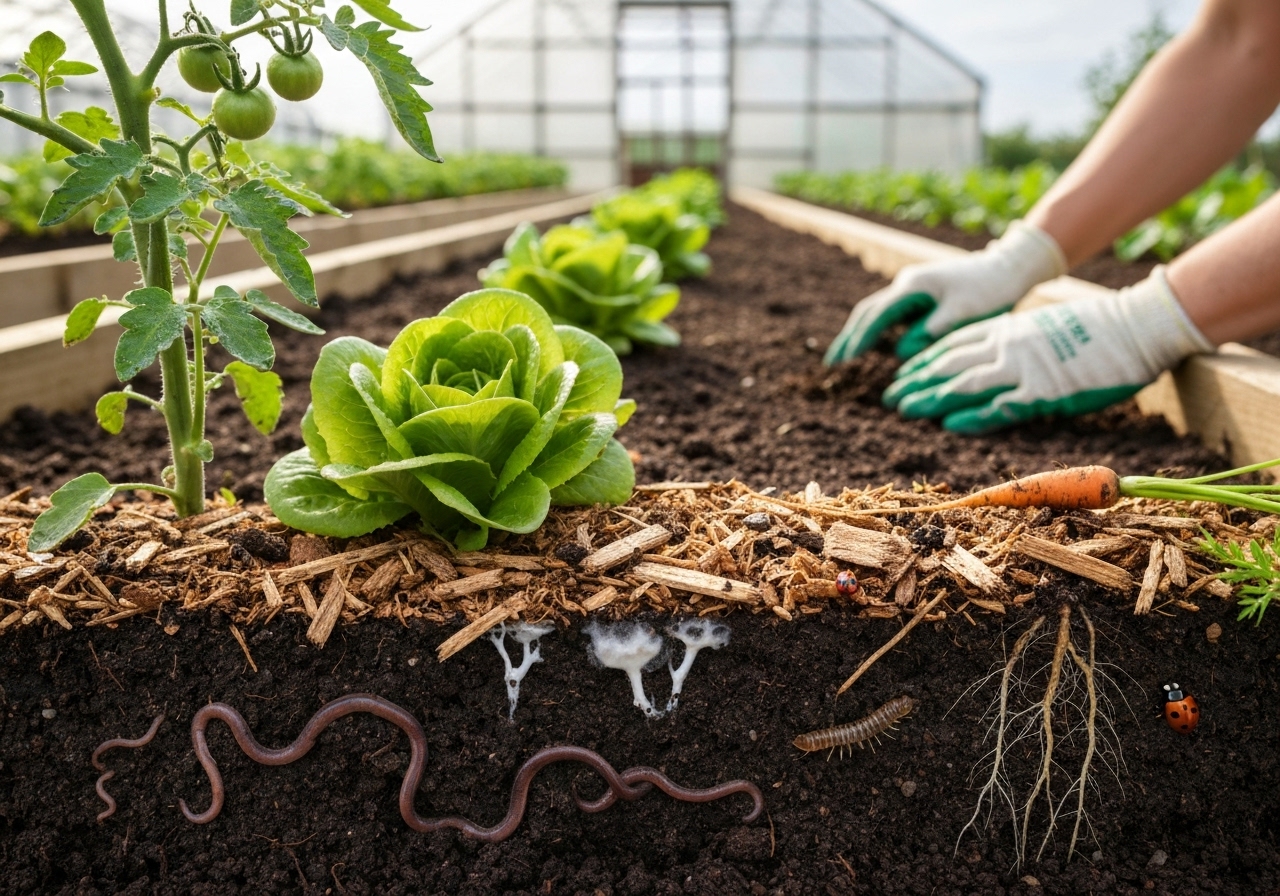
What are bio-active mulches and why should vegetable growers use them? Bio-active mulches are any surface cover that supplies both physical protection and a biological stimulus to soil life — organic residues, living covers, or charged amendments that feed microbes and fauna. Bio-active mulches differ from inert mulches because they add labile carbon, nutrients, pore space, or microbial inoculum that increase soil respiration, aggregate stability, and nutrient availability for crops.
Which mulching materials qualify as bio-active?
Which mulching materials qualify as bio-active? Materials that qualify include mature composts, leaf mold, seaweed, properly cured manure, biochar charged with compost, living mulches, seed-meal residues, and compost-amended woodchip blends. Each material supplies different resources: compost provides microbes and nutrients, biochar offers habitat and adsorption sites, seaweed supplies micronutrients and plant growth regulators, and living mulches fix nitrogen or support diverse microbial consortia.
What is compost and how should it be used as mulch?
What is compost and how should it be used as mulch? Mature compost is decomposed organic matter rich in microbes, available nutrients, and humic substances that support root growth and suppress some diseases. Apply compost as a .5-1 inch surface dressing for direct nutrient supply, or use 2-3 inches if you want lasting moisture retention and weed suppression. Avoid applying more than 3 inches of fresh uncomposted material because it can heat and immobilize nitrogen.
What is compost and how should it be used as mulch? Use quality-tested composts that meet local regulatory standards or garden-producer compost guidelines; look for earthy smell and crumbly texture. Combine compost with straw or leaf mulch to reduce surface crusting and speed microbial colonization.
What is biochar and how do you make it bio-active?
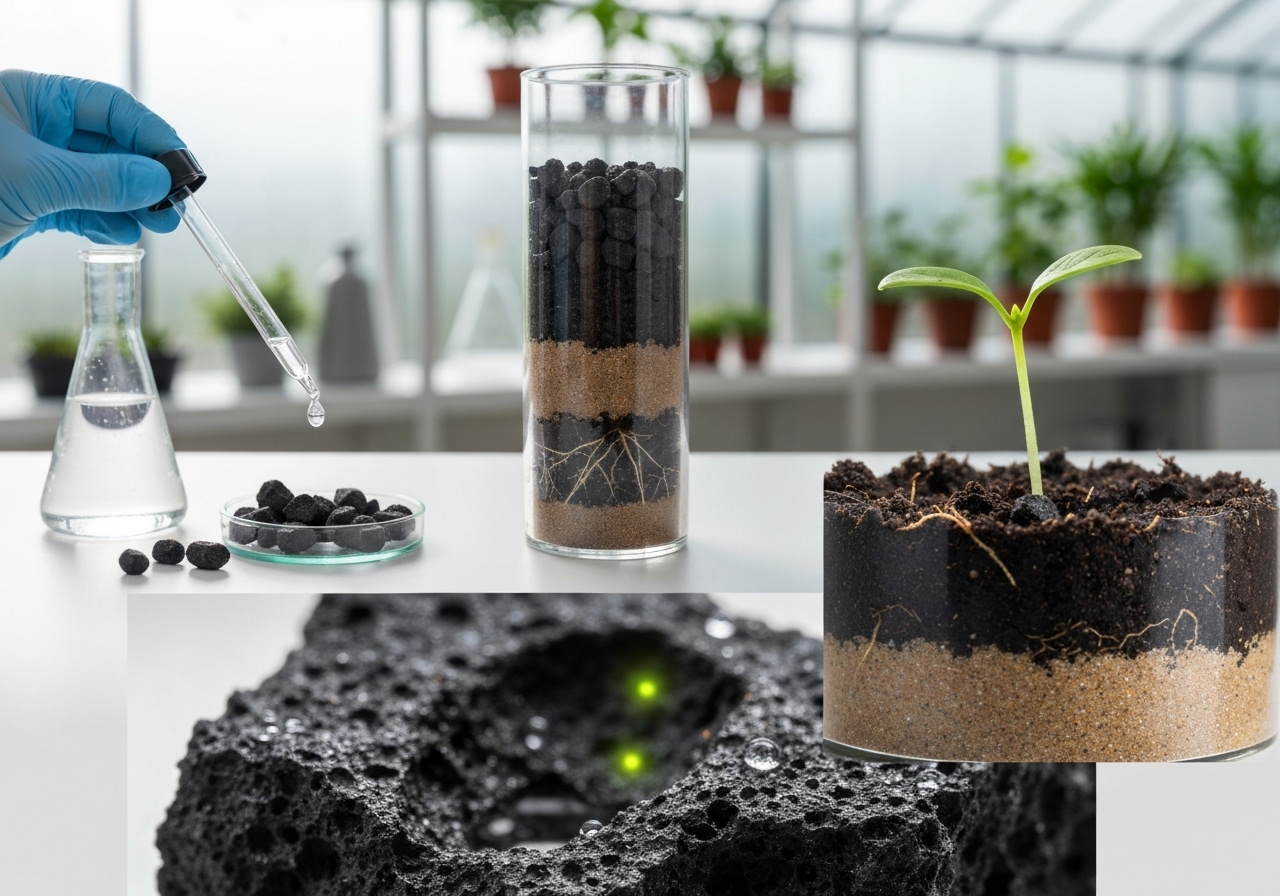
What is biochar and how do you make it bio-active? Biochar is stable, carbon-rich charcoal produced from pyrolysis and becomes bio-active when charged with compost, compost tea, or liquid microbial inoculants before field application. Charge biochar by mixing 1 part biochar with 3 to 6 parts mature compost or soaking in aerated compost tea for 24 to 72 hours. For vegetable beds, incorporate 5-10% by volume into the top 4-8 inches of soil or topdress .5-1 inch of charged biochar mixed with compost.
What are the pros and cons of straw and hay as mulches?
What are the pros and cons of straw and hay as mulches? Straw suppresses weeds, reduces evaporation, and moderates temperature; clean straw (seed-free) is the preferred choice for vegetables, applied 2-4 inches thick. Avoid hay that contains weed seeds. Straw can harbor slugs in wet climates and is bulky to handle. Replace or refresh straw annually; incorporate small amounts into soil during bed renovation.
Can leaf mulch be used for vegetables?
Can leaf mulch be used for vegetables? Leaf mulch and leaf mold supply diverse microbes and improve porosity; apply 2-3 inches and shred leaves to avoid matting and to speed decomposition. Leaves have a carbon-to-nitrogen (C:N) ratio that ranges widely; mix leaves with green residues or compost to balance C:N and avoid temporary nitrogen tie-up near heavy-leaf applications.
Are grass clippings a good bio-active mulch?
Are grass clippings a good bio-active mulch? Grass clippings provide fast-release nitrogen and organic matter but must be dry and applied in thin layers (.5-1 inch) to avoid matting and anaerobic breakdown. Use dry, pesticide-free clippings and mix with drier residues like straw or leaf mulch. Fresh wet clippings can heat and become slimy, so avoid heavy single-layer applications.
Is seaweed an effective mulch for vegetable crops?
Is seaweed an effective mulch for vegetable crops? Seaweed provides micronutrients, plant hormones, and solubles that stimulate microbial activity; apply rinsed, salt-free seaweed as a thin mulch layer or compost it first for the best results. Use seaweed sparingly if you cannot rinse it; high salt loads can harm sensitive seedlings. Seaweed is particularly valuable for brassicas and root crops when applied as a compost or topdressing.
When are wood chips appropriate for vegetable beds?
When are wood chips appropriate for vegetable beds? Wood chips are best used where crops are longer-lived or in pathways and perennial beds; use well-aged or composted chips and avoid deep fresh woodchip layers in seeded or transplant vegetable beds. Fresh wood chips have a high C:N ratio and can immobilize nitrogen near plant roots. If using for annual vegetables, place a thin compost layer between soil and chips or use chips only in paths and around permanent structures.
What about biodegradable plastic and paper mulches?
What about biodegradable plastic and paper mulches? Biodegradable plastics and paper mulches give the moisture and warming benefits of plastics while reducing long-term litter, but their breakdown rate and additives vary significantly by product. Choose certified biodegradable products designed for agricultural use, check local compostability standards, and test on small areas before field-scale adoption. Plastic mulches remain non-bio-active unless combined with organic topdressings or inoculants.
How do bio-active mulches influence soil temperature, moisture, pests, and microbes?
How do bio-active mulches influence soil temperature, moisture, pests, and microbes? Bio-active mulches moderate soil temperature, reduce evaporation, alter pest habitat, and fuel microbial processes that enhance nutrient mineralization and disease suppression. Organic mulches typically lower maximum soil temperatures in midsummer and raise minimums in cool periods, smoothing extremes that stress seedlings. Depending on material and depth, mulches can reduce surface evaporation by roughly 30 to 60 percent and increase plant-available water.
How do bio-active mulches influence soil temperature, moisture, pests, and microbes? Use porous mulches like compost and shredded leaves to promote aerobic microbial activity and avoid anaerobic pockets that can harm roots. Monitor for pests such as slugs under heavy straw in cool wet climates and use integrated strategies where needed.
How should growers match mulch materials to vegetable types and planting systems?
How should growers match mulch materials to vegetable types and planting systems? Match mulch by crop life cycle: short-season transplants need thin, quickly-clearing mulches; long-season crops tolerate thicker, longer-lasting mulches; root crops need loose, mineral-friendly mulches. For warm-season transplants (tomato, pepper, eggplant) use black plastic or dark organic mulches to warm the soil, or use compost topped with straw to combine biological benefits and moderate warming. For direct-seeded carrots and lettuce, use fine leaf mold or compost mulches that allow easy emergence and early-season warmth.
How should growers match mulch materials to vegetable types and planting systems? For cool-season crops (spinach, brassicas), use straw or leaf mulch to protect against late freezes while avoiding excessive warming that delays growth. For root crops, maintain a loose top layer to avoid deformities and allow easy harvest.
Which mulches are best for seedlings and transplants?
Which mulches are best for seedlings and transplants? Fine textured mulches such as well-aged compost, leaf mold, or shredded straw applied .5 to 1 inch deep give seedlings moisture retention and microbial inputs without blocking emergence. Avoid heavy wood chips and dense mats of fresh grass clippings on new transplants.
Which mulches are best for warm-season long-duration crops?
Which mulches are best for warm-season long-duration crops? Straw, compost-based mulches, charged biochar, and biodegradable plastic mulches are effective for tomatoes, peppers, and squash when applied 2-4 inches deep or in continuous plastic beds for warmth and weed control. Combine compost topdressing around plants with a broader straw mulch to promote microbes while preventing contact between mulch and stems.
How to apply and manage bio-active mulches for vegetable beds?
How to apply and manage bio-active mulches for vegetable beds? Prepare beds by removing weeds, apply a starter dose of compost if soil tests recommend it, then spread organic mulch to an even depth and keep mulch 1-2 inches away from stems. For seeded beds, avoid blocking seed emergence by using fine mulches or reduced depth. For transplants, apply mulch after plants are established to reduce transplant shock.
What are recommended application depths and timing?
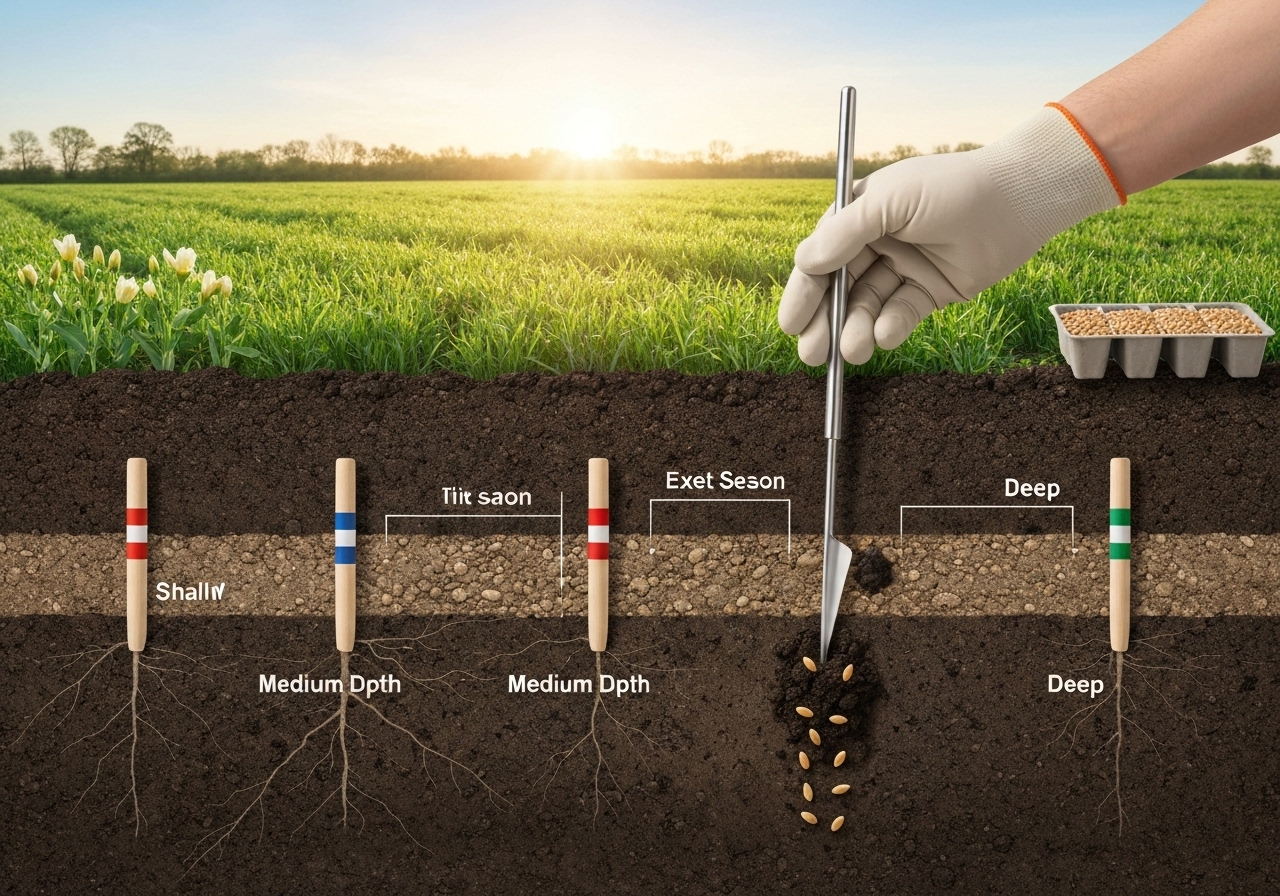
What are recommended application depths and timing? Use .5-1 inch for compost or leaf mold; 2-4 inches for straw or shredded leaves; 1-2 inches for charged biochar mixed with compost; and 2-3 inches for seaweed or cured manure topdressings. Apply mulch after soil warms in spring for warm-season crops; apply before the rainy season or in late fall for winter protection and to reduce erosion.
How often should mulches be renewed or replaced?
How often should mulches be renewed or replaced? Renew light mulches annually and topdress with compost or fresh organic material; heavier mulches like wood chips may last multiple seasons but benefit from periodic incorporation or replacement to refresh biological activity. Monitor mulch decomposition rates and replace when weed pressure increases or when mulch layer becomes patchy.
Can mulches be inoculated to increase biological activity?
Can mulches be inoculated to increase biological activity? Yes — mulches can be inoculated with compost tea, fermented plant extracts, or designed microbial consortia to accelerate colonization and shift soil microbiome composition. When inoculating, follow evidence-based protocols: use aerated compost tea within hours of preparation, avoid introducing pathogens, and pair inoculants with carbon-rich mulches to feed introduced microbes. For program design, consult resources on on-farm microbial consortia for stepwise inoculation strategies.
What common mistakes reduce mulch effectiveness and how to avoid them?
What common mistakes reduce mulch effectiveness and how to avoid them? Common mistakes include applying mulch too thickly, using fresh uncomposted high-carbon materials without a nitrogen source, letting mulch touch stems, and using contaminated or seed-rich materials. Avoid these by following depth guidelines, balancing C:N with green residues or compost, and maintaining a 1-2 inch gap between mulch and plant stems to reduce rot and pest access.
How can mulch cause nitrogen tie-up and how to prevent it?
How can mulch cause nitrogen tie-up and how to prevent it? Fresh high-carbon residues can immobilize nitrogen as microbes decompose them; prevent tie-up by using composted residues, adding a nitrogen-rich topdressing, or allowing a short decomposition period before planting. Monitor plant vigor and soil tests for nitrate if using large volumes of high-carbon mulch in beds that support high-nitrogen crops.
What about disease risks related to mulches?
What about disease risks related to mulches? Mulches can reduce soil splash and lower foliar disease incidence, but they can also harbor pathogens if made from diseased materials or if they smother plants and create anaerobic conditions. Use disease-free material, ensure good airflow, and keep mulch off stems. Composting at adequate temperatures reduces disease risk in source material.
How do mulches integrate with crop rotation and regenerative systems?
How do mulches integrate with crop rotation and regenerative systems? Mulches are a key tool in regenerative rotation plans: they retain moisture, build organic matter, and allow cover crop residue to be converted into active surface mulch that feeds the following cash crop. Combine mulching with rotation sequences that alternate deep- and shallow-rooted crops to cycle nutrients and break pest-disease cycles. For rotation templates and low-input planning, pair mulch strategies with adaptive rotation guides such as adaptive low-input crop rotation plans to align residues, nutrient flows, and planting windows.
How should growers monitor mulch impact on soil biology and crop yields?
How should growers monitor mulch impact on soil biology and crop yields? Track soil tests for organic matter and available nutrients annually, measure microbial activity with respiration or enzyme assays if possible, and keep yield and quality records by bed to compare mulched versus unmulched treatments. Use simple indicators like aggregate stability, earthworm counts, and crop vigor ratings. Where available, integrate sensor data to record soil moisture and temperature trends under different mulch types.
What simple field tests can indicate improved soil biology?
What simple field tests can indicate improved soil biology? Conduct an earthworm count, assess soil structure by hand (crumb structure), observe root health at harvest, and use a basic soil respiration kit if accessible to measure changes in microbial activity over time. Document these metrics annually to build a multipoint dataset that demonstrates mulch-driven changes.
Which mulches are best positioned for carbon accounting and regenerative credits?
Which mulches are best positioned for carbon accounting and regenerative credits? Compost applications, biochar additions, and long-lived organic layers (mulch that increases soil organic matter over years) are the materials most likely to contribute measurable increases in stable soil carbon. Document volumes applied, analyze soil organic carbon trends with regular testing, and follow recognized protocols if you intend to register changes for programs such as soil carbon credits. See strategies for translating soil practices into revenue and reporting in the discussion on soil carbon credits.
How does microclimate affect mulch choice and placement?
How does microclimate affect mulch choice and placement? Microclimate — sun exposure, wind, slope, and local thermal zones — determines whether mulches should prioritize warming, cooling, or moisture conservation. In cool microclimates, choose dark or insulating mulches that raise soil temperature early in the season. In hot, arid microclimates, select reflective or light-colored mulches and thicker layers to conserve moisture. Use microclimate mapping and zoning to place materials where they optimize crop windows; resources on microclimate mapping can help pair mulches with site microzones as described in materials on microclimate mapping.
What are practical recipes and mixes that growers can use?
What are practical recipes and mixes that growers can use? Try these field-proven mixes: 1) Compost-Leaf Blend: 1 part mature compost + 2 parts shredded leaves applied 2 inches for early-season beds; 2) Straw-Compost Topdress: 2 inches straw with .5 inch of compost under transplants; 3) Charged Biochar Mix: 1 part charged biochar + 3 parts compost spread .5-1 inch for perennial beds. Adjust recipes for nutrient-hungry crops by adding compost teas or small mineral amendments based on soil test results.
What are low-cost, high-impact strategies for small farms and market gardens?
What are low-cost, high-impact strategies for small farms and market gardens? Source local compost and shredded leaves, establish perennial mulch sources like hedgerow leaves, and use on-site residues such as cover crop residues and grass clippings to build mulch continually. Prioritize practices that reduce off-farm inputs and fit into rotation schedules. Coordinating residue harvest with rotation planning yields steady mulch supplies and reduces costs — integrate these strategies with broader regenerative planning to maximize benefits.
Where can growers find more guidance on microbial design, rotation and monitoring?
Where can growers find more guidance on microbial design, rotation and monitoring? Growers can deepen mulch programs by learning microbial consortia design, aligning residue flows with adaptive rotations, and using microclimate mapping to place mulches effectively. For stepwise guidance on building beneficial microbial communities in soil and residue systems, consult field resources on designing on-farm microbial consortia and for rotation templates and sequencing pairings refer to adaptive rotation plans.
What quick reference recommendations should growers follow?
What quick reference recommendations should growers follow? Follow these concise rules: 1) Use mature compost or charged biochar when you need biological stimulation; 2) Apply straw or shredded leaves at 2-4 inches for season-long moisture control; 3) Reserve wood chips for pathways and perennials unless composted; 4) Keep mulch off stems by 1-2 inches; 5) Monitor soil tests annually and adapt mulch volumes to crop needs. These simple rules reduce mistakes and accelerate visible benefits in yield and soil health.
What are next steps for implementing a bio-active mulch program?
What are next steps for implementing a bio-active mulch program? Begin with a soil test, pilot 3 to 6 beds with different mulch materials, track soil moisture and yield responses, and scale the mixes that show the best return on labor and soil improvements. Document inputs and results so you can quantify improvements and, where relevant, align data for carbon accounting or certification programs.
Bio-active mulches are a practical lever to convert residue streams into soil fertility and to marry physical bed management with active microbiology. By choosing the right materials for crop type, microclimate and season, and by managing depth, contact with plants, and timing, vegetable growers can improve yields, reduce irrigation needs, and build resilient soil systems over multiple seasons.


