
Cardboard-Lined Worm Beds: Cheap Raised Veg Planters
Cardboard-Lined Worm Beds: Cheap Raised Veg Planters
Cardboard-lined worm beds are low-cost raised vegetable planters that combine sheet-composting with vermiculture to build soil, conserve water, and produce vegetables with minimal inputs. This guide explains what they are, why they work, and how to build, plant, irrigate, maintain, and reuse them at backyard or small-farm scale.
What is a cardboard-lined worm bed?
A cardboard-lined worm bed is a raised planting bed built over cardboard where organic layers and composting worms convert carbon-rich materials into rich, friable planting medium. Cardboard-lined worm beds use cardboard as a biodegradable barrier to suppress weeds, retain moisture, and start decomposition between the native soil and the new organic layers. The cardboard accelerates sheet-composting by creating a moist, aerated layer that favors detritivores and worms while preventing surface weeds from invading the newly established bed.
Why use cardboard-lined worm beds for vegetable production?
Cardboard-lined worm beds lower construction cost, speed soil building, improve water retention, and reduce labor compared with conventional raised beds. Cardboard is usually free, accessible, and breaks down within months to years depending on climate. Introducing compost and epigeic worms (composting worms) stimulates rapid conversion of carbon to humus and integrates organic matter into the rooting zone. Extensions and regenerative-agriculture organizations report that sheet-composting and no-dig systems increase soil organic matter and infiltration while reducing initial soil disturbance.
What benefits do cardboard-lined worm beds provide?
- Cost savings: Cardboard replaces lumber and plastic liners, cutting initial cost to near zero.
- Soil building: Worms process organic layers into worm castings and fine, rootable substrate.
- Weed suppression: Cardboard blocks light and smothers perennial weeds when overlapped properly.
- Moisture retention: Carbon layers and castings increase water-holding capacity.
- Low labor: No heavy digging or hauling of topsoil is required; beds are built on-site.
- Flexibility: Beds can be built on compacted soil, gravel, or even concrete with appropriate drainage.
What are the drawbacks?
- Decomposition time: Fresh cardboard and bulky carbon require weeks to months to fully integrate; nitrogen tie-up can occur if not balanced.
- Pest habitat: Slugs and rodents may use thick organic layers; management is needed.
- Structural stability: Very loose beds may settle quickly; plan for top-up additions.
How do you build a cardboard-lined worm bed?
Follow material selection, site choice, and a layered build process: base prep, cardboard layer, carbon layers, compost/green layers, worms, and a planting surface. Below are step-by-step instructions suitable for a 4 x 8-foot demonstration bed, scalable to any size.
What materials do you need?
Gather cardboard, organic carbon (bark, straw, shredded paper), compost or aged manure, worms, top dressing (seedling mix or finished compost), and simple tools. Estimate materials for a 4 x 8 x 12-inch bed: 1-2 large appliance boxes (flattened) for cardboard, 6-12 bags of straw or 2-3 cubic feet of wood chips, 2-4 cubic feet of finished compost, and optional 1-2 cubic feet of topsoil or potting mix for transplanting. Tools: rake, wheelbarrow, sharp knife, hose or drip line, and gloves.
Where should you site a worm bed?
Select a level, well-drained site with at least 6 hours of sun for most vegetables and access to water. Cardboard-lined worm beds can be placed on turf, compacted soil, gravel, or slab. Avoid areas that flood often or sit under large tree root zones where roots will invade. If installing on concrete or rooftop, provide drainage and light-weight substrate options.
What dimensions work best?
Choose practical widths so you can reach the center: 3 to 4 feet wide is common; length is flexible. A common small-farm dimension is 4 ft x 8 ft with 12 to 18 inches depth of organic layers; urban gardeners may prefer 3 ft x 6 ft beds for balcony access. Depth influences water-holding capacity and root volume; 8-12 inches supports most leafy crops, while deeper beds (18+ inches) are better for root vegetables and tomatillos.
What are the step-by-step building instructions?
Build the bed in 8 clear steps: clear, lay cardboard, wet, add coarse carbon, add compost and green matter, seed/worm, topdress, and mulch.
- Clear: Remove surface debris and mower-height vegetation if needed. Leave shallow grass roots in place to prevent erosion.
- Lay cardboard: Overlap cardboard pieces by at least 6 inches; remove tape, staples, and waxy coatings. Make sure no glossy ink prints remain exposed to plant roots.
- Wet cardboard: Saturate cardboard to start microbial activity and prevent it from blowing away.
- Add coarse carbon: Spread 2-6 inches of straw, coarse wood chips, or shredded yard trimmings to create structure and air pockets.
- Add compost/green matter: Apply 1-3 inches of finished compost or a mix of kitchen scraps and green manure. Mix high-nitrogen materials with carbon to avoid nitrogen tie-up.
- Add worms: Introduce composting worms over the moist layers (see worm stocking rates below).
- Topdress: Put 1-2 inches of finished compost or a planting mix on top if you plant immediately.
- Mulch: Cover with straw or finished mulch to conserve moisture and moderate temperature.
What about drainage and bottom bedding?
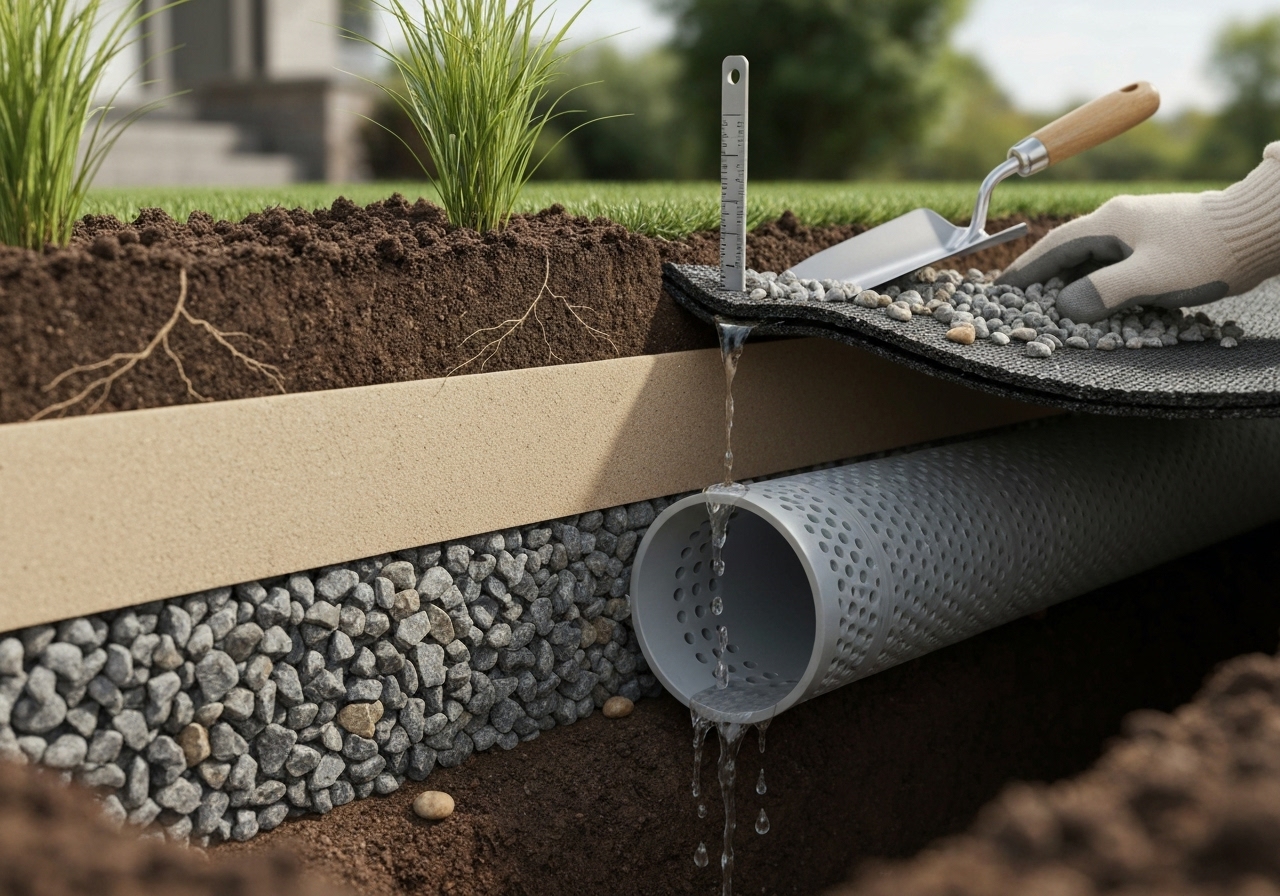
Place a coarse drainage layer when installing on impermeable surfaces, and avoid plastic barriers directly under cardboard. For rooftop or concrete beds, start with a 2-inch layer of coarse perlite or gravel and use a breathable fabric underlay to prevent substrate loss while allowing drainage.
What worms should you use in a worm bed?
Use epigeic composting species such as Eisenia fetida (redworms) or Eisenia andrei as the primary decomposers in the organic layer. Redworms thrive in high-organic, shallow systems and produce nutrient-rich castings. If you want deeper soil mixing, add a small population of endogeic species such as Lumbricus terrestris or European nightcrawlers, but note these are less tolerant of hot, shallow compost environments.
What stocking rates should you plan?
Stock 500 to 2,000 redworms per square meter as a conservative starter; scale up after monitoring performance. For a 4 x 8 ft bed (roughly 3. m2), start with 1,500 to 3,000 redworms. A common practice is to introduce .5 to 1.5 pounds (approximately 250 to 750 grams) of worms per square meter and let population growth adjust the biomass. Check local extension resources for climate-specific recommendations.
What can you plant in cardboard-lined worm beds?
Plant any vegetable suited to your climate; leafy greens, brassicas, herbs, shallow-rooted legumes, and transplants perform best in early cycles. Cardboard-lined worm beds provide a rich, moist environment ideal for lettuces, kale, spinach, chard, basil, parsley, scallions, beets, carrots (with deeper organic layers), bush beans, and summer squash. Avoid heavy feeders in first weeks without additional compost or nitrogen supplements.
Rotate crops seasonally and use low-input rotations to maintain soil fertility and control pests. Implement rotations that alternate deep-rooted and shallow-rooted crops and include legumes to fix nitrogen. For rotation templates and timing at small-farm scale, consult adaptive rotation planning resources for low-input systems to integrate these beds into a broader field plan, such as adaptive crop rotation advice.
How do you maintain and feed worms in the bed?
Monitor moisture, feed small amounts of chopped food scraps, provide occasional nitrogen boosts, and avoid toxic or greasy wastes. Maintain bedding moisture around 60 to 80 percent (squeezed-sponge feel). Feed kitchen scraps in thin layers and mix with shredded paper or leaves to balance moisture and carbon. Add finished compost or diluted fish emulsion if plant growth indicates nitrogen shortage. Avoid meat, dairy, oils, and diseased plant material.
How often should you feed and check the bed?
Inspect the bed weekly during warm months and add small feedings every 7 to 14 days depending on consumption. Adjust rates to avoid anaerobic pockets. In high heat, shade the bed and reduce feeding to prevent overheating and mortality.
How do cardboard-lined beds affect soil biology and nutrients?
Cardboard-lined beds build microbial biomass and fungal/bacterial activity as carbon is decomposed and integrated into the A-horizon by worms and microfauna. Microbial succession begins with bacteria and fungi breaking down paper fibers and labile carbon; worms then convert this material into stable humus. To prioritize beneficial communities, inoculate with finished compost or site-specific microbial consortia; practices for designing on-farm microbial consortia explain how to enrich beds with locally adapted microbes and beneficial strains for accelerated soil health improvement (microbial consortia guidance).
Balance carbon inputs with available nitrogen to avoid temporary N tie-up during active decomposition. Use a rule of thumb C:N ratio near 25:1 for active decomposition: add green materials or small amounts of manure, blood meal, or composted poultry litter if plants show yellowing in early weeks.
How much do cardboard-lined worm beds cost?
Estimate $ to $150 for a 4 x 8-foot bed depending on whether you buy worms, compost, or irrigation parts; cardboard and many organics are often free. Typical cost breakdown: cardboard = free, straw/wood chips = free to $20, finished compost = $ to $40, worms = $20 to $100 depending on quantity, drip tubing = $15 to $40. DIY labor is the main input.
What is an example budget?
For a backyard 4 x 8 bed, expect low-cost builds under $80 if you source compost and worms locally and reuse materials. For small-farm scaling, include tractor or labor time and allow budget for periodic top-ups of compost and mulch.
How do you water and irrigate cardboard-lined worm beds?

Use gentle, even watering and consider drip irrigation or micro-sprinklers to maintain stable moisture without disturbing worms. Drip tape that provides .3 to .6 gallons per hour per emitter spaced along the bed gives reliable water without surface compaction. For urban smallholders, regenerative micro-irrigation approaches optimize water use and integrate well with raised worm beds; see practical micro-irrigation designs for urban smallholder farms for system ideas (micro-irrigation resources).
What watering frequency works best?
Water deeply and infrequently enough to keep the bedding moist but not saturated: typically 1 to 2 times per week depending on climate. In hot, dry weather, check moisture every 2-3 days. In heavy rainfall, provide surface drainage or raise bed height to avoid waterlogging.
How long until you can plant directly in the bed?
Plant transplants immediately after topdressing; direct-sow seeds after 2 to 8 weeks depending on decomposition and seed sensitivity. For seedlings, place into the top 1-2 inches of finished compost. For direct sowing of small seeds, wait until cardboard and top carbon layers begin to settle and break down; this reduces the risk that emerging seedlings face a dry cardboard barrier or unstable substrate.
How do you troubleshoot common problems?
Identify and solve the top issues: nitrogen deficiency, waterlogging, pests, and slow decomposition with targeted fixes.
- Nitrogen deficiency: Add composted manure, blood meal, or plant a quick green manure (e.g., vetch or buckwheat) and incorporate as a top dressing.
- Waterlogging: Improve drainage, raise bed height, or install subsurface channels to divert runoff.
- Pests: Use beer traps or copper bands for slugs, encourage predators, and avoid attracting rodents by burying food scraps deeply and avoiding meat or oily foods.
- Worms on surface: Check moisture and temperature; surface migration often signals too wet, too dry, or temperatures outside the preferred range (50 to 80 F for most compost worms).
How do you winterize and reuse worm beds?
Protect beds in cold months with an insulating mulch, reduce feeding, and plan to add fresh compost or a green manure in spring to restart activity. For zones where ground freezes deeply, cover beds with 6 to 12 inches of straw, leaf mulch, or composted manure. If you keep a high worm population, move a portion of worms indoors to a sheltered bin if you need year-round vermicompost production.
How do cardboard-lined worm beds integrate with broader farm planning?
Place worm beds within a diversified rotation and integrate with cover crops, agroforestry, or polyculture strategies to maximize soil resilience and yield. Use low-input rotation plans to alternate legumes, brassicas, and root crops across bed locations and time. For planning rotation sequences that fit small-farm microclimates and low-input goals, use adaptive rotation templates to place worm beds within your overall cropping calendar (adaptive rotation resources).
What alternatives or enhancements improve these beds?
Combine cardboard-lined worm beds with lasagna layering, hugelkultur elements, wicking bases for dry climates, or microbial inoculants for targeted soil function. Enhancements include: adding biochar for improved nutrient retention, inoculating with locally sourced compost to seed microbial communities, or incorporating a shallow wicking reservoir for rooftop or drought-prone sites. Consult resources on designing microbial consortia for soil enrichment to select amendments that favor desired microbial processes.
What sources support these methods?
Extension services, vermiculture guides, no-dig gardening literature, and regenerative-agriculture research back the principles used in cardboard-lined worm beds. The USDA Natural Resources Conservation Service and university extension publications provide guidance on sheet-composting, and vermiculture manuals describe suitable worm species and management. Regenerative-organic research from institutions such as Rodale and various agricultural extensions documents improved infiltration and organic matter gains from no-dig and sheet-composting systems.
How do you scale cardboard-lined worm beds for small farms?
Scale by repeating modular bed units, using mechanical shredding for bulk carbon, and integrating on-farm compost production to supply consistent inputs. For multi-bed systems, create a supply chain: shred and store carbon materials, maintain a compost windrow for fast-maturity compost, and produce vermicompost in dedicated bins to inoculate beds. Track worm populations and bed settling rates to budget ongoing compost top-ups and labor.
What are quick start tips for first-time builders?
- Choose a 3 or 4 ft width to reach center comfortably.
- Overlap cardboard pieces by 6 inches; remove tape and glossy panels.
- Wet cardboard thoroughly before adding organic layers.
- Balance carbon with green materials to avoid nitrogen tie-up.
- Start with a modest worm population and feed conservatively until population expands.
Cardboard-lined worm beds deliver low-cost, regenerative solutions for vegetable production when built and managed with attention to moisture, carbon balance, and worm needs. Use the techniques above to build beds that save money, improve soil, and support resilient small-scale production.
Further reading
Explore related techniques in microclimate mapping, microbial amendments, and regenerative irrigation to enhance bed performance and integrate with farm-scale systems.


