
Grazing Livestock Enhance Crop Root Microbiome Resilience
What are the benefits of integrating grazing livestock with crop farming?
Integrating grazing livestock with crop farming improves root microbiome resilience, soil health, nutrient cycling, and farm profitability. Integrating livestock returns organic matter and nutrients to fields, stimulates diverse microbial communities around crop roots, and creates a more resilient agroecosystem that resists stressors such as drought and pathogens.
How do grazing livestock enhance root microbiome resilience?
Grazing livestock change soil inputs and physical conditions that shift root-associated microbial communities toward greater diversity and functional redundancy. Animals deposit manure, disturb surface residues, and stimulate plant regrowth that alters root exudation profiles, which in turn feed different microbial taxa in the rhizosphere. Increased microbial diversity raises functional redundancy, so when one group declines the community retains key functions like nutrient mineralization and pathogen suppression (Frontiers in Microbiology reviews and FAO guidance report similar mechanisms).
How manure and urine affect rhizosphere microbes?
Manure and urine supply labile carbon, mineral nutrients, and microbial inocula that enrich rhizosphere communities. Fresh manure contains microbes and soluble organic compounds that accelerate microbial growth and stimulate beneficial interactions such as mycorrhizal colonization and nitrogen mineralization. Research summarized by soil science reviews shows that moderate, well-distributed manure inputs increase microbial biomass and enzyme activities linked to nitrogen and phosphorus cycling.
How plant regrowth and grazing pressure change root exudates?
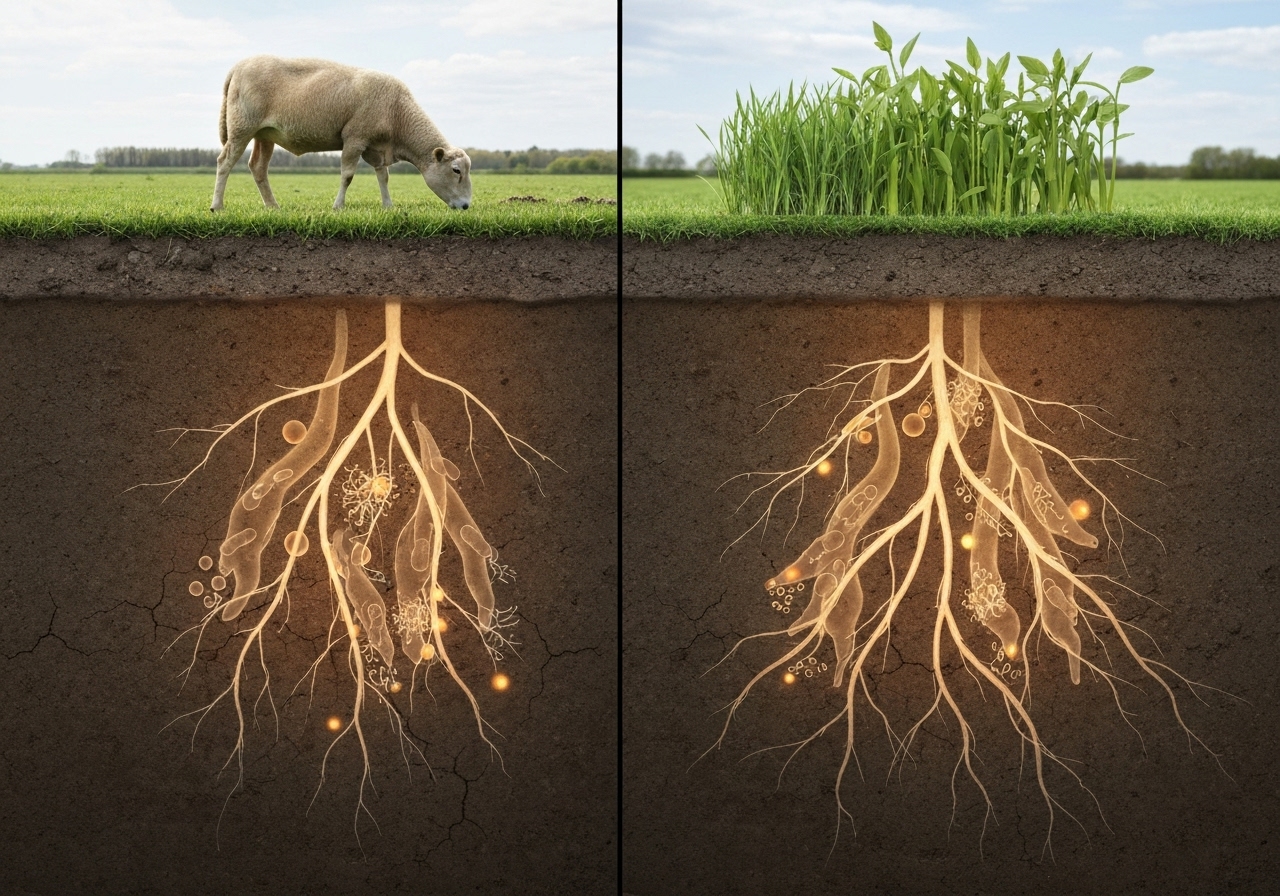
Grazing induces compensatory growth that alters root exudate composition and quantity, favoring diverse microbial partners. Plants under grazing allocate resources differently and often increase sugar and amino acid exudation to support regrowth. Those exudates select for microbial taxa that enhance nutrient availability and stress tolerance for the plant, improving root microbiome functionality during drought or pathogen pressure (examples in agricultural ecology literature).
Which mechanisms directly link grazing to increased microbial diversity?
Mechanisms include organic inputs, physical mixing of residues, microtopography changes, and plant-mediated shifts in root chemistry. Trampling and manure distribution create microsites with variable moisture and nutrient levels that support niche differentiation. Niche differentiation permits coexistence of more microbial species and functional guilds in the rhizosphere, which is central to resilience theory in soil ecology.
How does microtopography created by animals matter?
Animal movement creates patches of compaction and loosening, altering water and aeration patterns that favor different microbes. These small-scale variations increase habitat heterogeneity, which supports a greater range of bacteria and fungi around roots. Research in agroecology shows patchy soils host complementary microbial functions that scale up to field-level stability.
What agronomic benefits do crops gain from livestock-enhanced root microbiomes?
Crops gain improved nutrient uptake efficiency, reduced disease incidence, greater drought tolerance, and higher and more stable yields. Enhanced microbial communities increase rates of nutrient mineralization, mobilize phosphorus, fix atmospheric nitrogen (in association with legumes and diazotrophs), and antagonize soil-borne pathogens through competition and antibiosis. These effects reduce dependence on synthetic fertilizers and fungicides while supporting yield resilience under variable weather.
How do microbial shifts reduce fertilizer needs?
Microbial consortia stimulated by grazing improve mineralization and nutrient cycling, allowing farmers to reduce synthetic N and P inputs. Increased mineralization from manure and stimulated microbial enzymes makes nitrogen and phosphorus more available to roots in synchrony with crop demand. Several agronomic trials indicate integrated systems maintain yields with lower chemical fertilizer inputs when compared to crops grown without livestock nutrients.
Can grazing reduce crop disease risk?
Grazing-driven microbial communities can suppress soil-borne pathogens through competition, predation, and induction of plant defenses. Diverse rhizosphere communities lower the chance that any single pathogen will dominate. Certain manure-associated microbes produce antibiotics or enzymes that degrade pathogen structures; plant-mediated recruitment of beneficial microbes after grazing can prime systemic resistance in crops.
How to integrate livestock into cropping systems without harming crops?
Design integration to match animal timing, stocking density, and movement to crop phenology and soil condition to avoid compaction and direct crop damage. Use strategies such as managed grazing, alley grazing, cover-crop grazing, and post-harvest stubble grazing. Schedule grazing windows when crops are dormant or after harvest, and apply temporary fencing to restrict access and protect sensitive growth stages.
What are safe grazing configurations for arable fields?
Use rotational or strip grazing across crop residues and cover crops; avoid grazing on wet, susceptible soils and during critical crop growth stages. Place water and shade strategically to prevent congregation in crop zones. Employ portable electric fencing and lane systems to guide animals and protect seedbeds. Mobile troughs and salt blocks reduce high-traffic hotspots and soil damage.
How to avoid nutrient hot spots and weed spread?
Distribute animals and manage stocking rates to prevent manure concentration, and integrate weed control strategies during grazing windows. Rotate grazing locations, spread manure when necessary, and combine grazing with mowing or targeted herbicide use where weeds are resistant. Monitor fields for dung patches and cultivate or overseed those patches if necessary to restore uniformity.
What grazing management practices maximize microbiome benefits?
Use adaptive rotational grazing, match stocking density to forage supply, and graze cover crops to balance residue retention with dung distribution. Rotational grazing offers rest periods for plants, promotes even manure distribution, and supports plant diversity. Consider high-density short-duration grazing for pasture renovation and lower-density longer-duration grazing for fragile soils.
How does rotational grazing compare to continuous grazing?
Rotational grazing produces more uniform manure and reduces grazing pressure on single plants, supporting diverse root-microbe interactions. Rotational systems allow recovery and deeper rooting, which fosters stable root exudation patterns and supports persistent beneficial microbes. Adaptive rotations that respond to rainfall and growth rates optimize outcomes.
Where does technology fit into grazing management?
Apply sensor systems, AI-guided planning, and mobile fencing to time moves and set stocking densities precisely. Tools such as automated pasture sensors and decision-support platforms reduce labor and optimize grazing timing and densities; articles on AI-guided rotational grazing illustrate how technology cuts feed costs and emissions and can improve grazing outcomes when scaled appropriately. Use adaptive grazing guidance to refine stocking and timing.
What are the risks of integrating livestock with crops and how to mitigate them?
Risks include soil compaction, nutrient runoff, weed spread, crop trampling, and biosecurity threats; mitigate with best management practices and monitoring. Avoid grazing during soil-saturated periods, keep livestock off fragile seedbeds, manage stocking rates, and apply targeted nutrient management. Implement biosecurity protocols to reduce pathogen transfer between herds and crops.
How to manage compaction risk?
Reduce compaction by avoiding grazing on wet soils, rotating paddocks, and using controlled-access lanes to concentrate traffic. Incorporate mechanical aeration or deep-rooting cover crops after heavy use to restore structure. Monitor bulk density and infiltration as indicators of compaction and recovery.
How to limit pathogen and weed movement?
Implement quarantine procedures for new animals, manage grazing timing to break weed seed cycles, and use traceback testing when pathogens are detected. Prevent grazing of contaminated fields until resolved, compost manure properly before spreading in sensitive areas, and oversee seed cleaning to limit weed seed transfer between fields.
How to measure improvements in root microbiome and soil health?
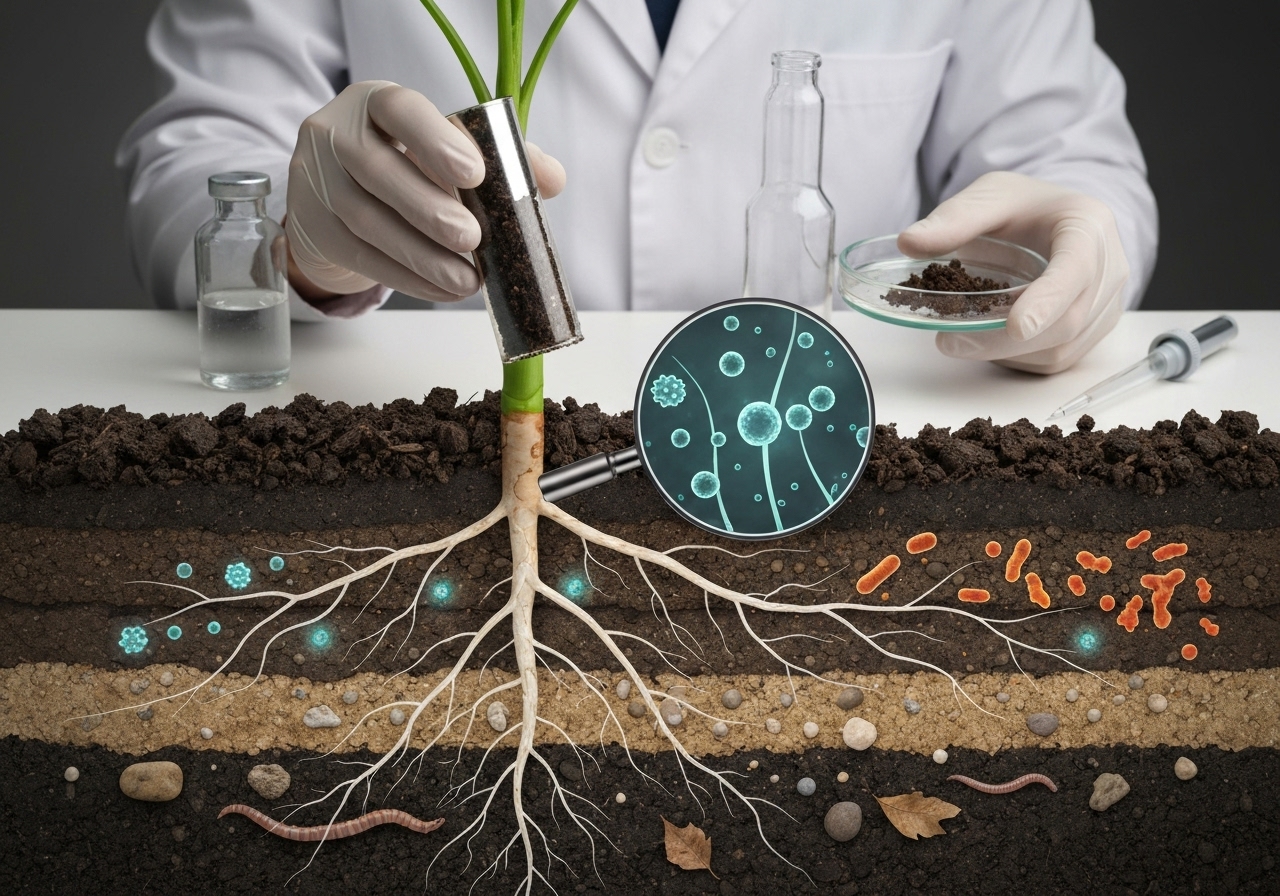
Measure microbial diversity, enzyme activities, soil organic carbon, aggregate stability, infiltration rate, and crop performance to track integration benefits. Use a combination of molecular assays (16S/ITS sequencing), enzymatic assays (dehydrogenase, phosphatase), and standard soil tests to quantify changes. Baseline sampling before integration provides the clearest comparison over time.
Which indicators best reflect rhizosphere resilience?
Microbial alpha diversity, functional gene abundance linked to nutrient cycling, and consistent crop response under stress are top indicators. Monitor shifts in nitrogen-cycling genes, mycorrhizal colonization rates, and microbial biomass carbon; corroborate with field performance under drought or pathogen challenge to demonstrate practical resilience gains.
Are there cost-effective monitoring approaches for small farms?
Use periodic soil organic matter tests, simple enzymatic kits, and crop performance records together with occasional molecular profiling. Partnership with extension services and university labs reduces costs for sequencing. Field-scale sensor networks and mobile soil testing kits offer actionable, lower-cost options to track trends.
What economic and ecosystem co-benefits arise from livestock-crop integration?
Integration increases nutrient-use efficiency, diversifies income, supports biodiversity, and can create new revenue streams from carbon and ecosystem service markets. Farms gain: 1) lower purchased fertilizer costs; 2) diversified products (meat, milk, crops); 3) improved soil productivity; and 4) potential payments for ecosystem services such as soil carbon sequestration and water quality improvements.
How can integrated systems access carbon markets?
Documented increases in soil organic carbon and verified practices like managed grazing can qualify farms for soil carbon credits. Use recognized measurement protocols, document baseline and practice changes, and engage with platforms that connect small farms to buyers. See discussions on agricultural carbon finance and practical pathways to participate. Explore soil carbon credit pathways relevant to small farmers.
How does integration boost on-farm biodiversity?
Mixed-use landscapes provide varied habitats for plants, insects, and soil organisms, increasing pollinators and natural enemies of pests. Pasture-crop mosaics support floral diversity and refuges. Structural variety from hedgerows, alleleys with livestock, and cover-crop mixes fosters landscape-level resilience and ecosystem services.
What innovations and complements help maximize benefits for root microbiomes?
Combine grazing with microbial amendments, cover cropping, precision irrigation, and sensor-guided management to amplify microbiome and crop benefits. Synergies occur when livestock inputs are coordinated with microbial inoculants and irrigation regimes that maintain ideal rhizosphere moisture and nutrient pulses for beneficial microbes.
How do microbial products fit with grazing systems?
Microbial seed coatings and soil inoculants can complement animal-driven microbiome shifts by establishing beneficial consortia at planting. Use inoculants that match cropping systems and soil conditions; couple with grazing to sustain microbial communities through continuous organic inputs and favorable plant exudation patterns. See work on soil microbial cocktails for integrated approaches. Consider microbial consortium strategies to complement livestock inputs.
Which precision tools accelerate adoption on small farms?
Deploy soil moisture sensors, GPS-guided fencing, and mobile apps that recommend moves and stocking based on forage and weather data. These tools reduce labor, refine timing, prevent overuse, and help owners document practices for markets or certification. Pair sensor data with local agronomic expertise for best results.
How to design a stepwise plan to start integrating livestock with crops?
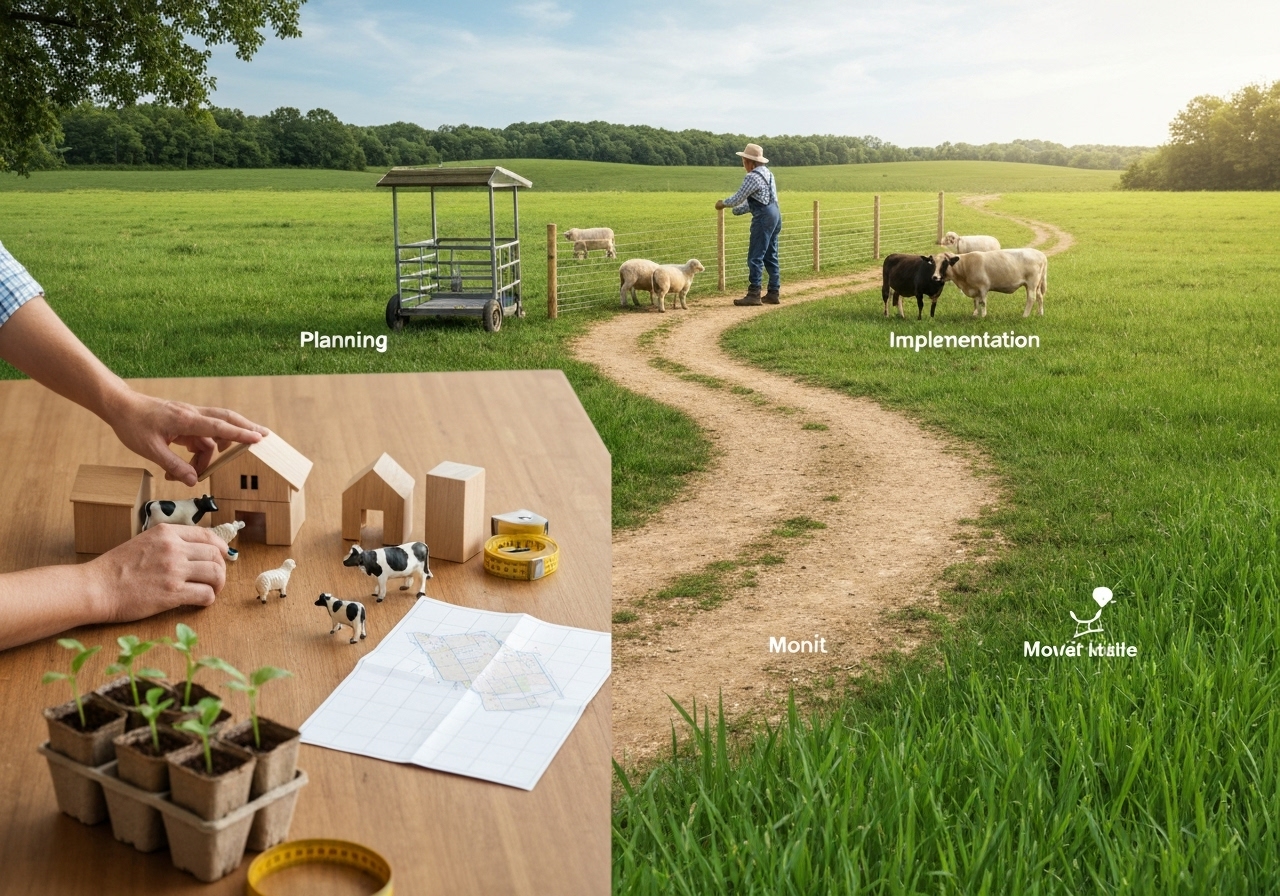
Start with pilot strips or fields, set clear objectives, monitor soil and crop metrics, and scale based on evidence and adaptive learning. Begin with post-harvest grazing on residues or grazing cover crops, monitor compaction and nutrient distribution, adjust stocking rates, and expand integration as benefits become evident and management skills improve.
Which first-year actions deliver the most information?
Sample soils for baseline organic carbon and microbial indicators, run small grazing trials on non-critical fields, and document crop responses across seasons. Keep records of animal days per hectare, manure distribution, crop yields, and any remediation actions. Use these data to refine rotations and stocking.
How to access support and finance for transitions?
Pursue extension programs, grants, and collaborative networks that fund trials and technical assistance for integrated systems. Leverage community cooperatives and digital platforms that connect producers to markets for diversified products and payments for ecosystem services. Explore local programs that support cover crop establishment and fencing infrastructure.
Which farmer practices maximize long-term resilience of root microbiomes?
Maintain diversity in forage and crop species, practice adaptive grazing, limit soil disturbance, and keep continuous organic inputs. Cropping diversity and perennial elements favor stable microbial networks. Minimize deep tillage, maintain living roots with cover crops, and use livestock to recycle biomass rather than export all residues off-farm.
How does perennial integration help?
Perennial forages stabilise root networks and create year-round habitat for mycorrhizal fungi and other symbionts that support crop resilience. Integrate alley cropping, buffer strips, or mixed pastures to sustain microbial communities through seasonal variability and reduce erosion and nutrient loss.
What knowledge gaps remain and where should research focus?
Research should focus on linking specific grazing patterns to microbial functional outcomes, quantifying long-term carbon changes, and scaling monitoring tools for small farms. Priorities include understanding optimal stocking patterns for microbial benefits, interactions with microbial inoculants, and robust, low-cost monitoring protocols to verify ecosystem services.
How can farmers contribute to applied research?
Participate in on-farm trials, citizen science networks, and data-sharing consortia to provide real-world results across climates and soils. Farmer-led monitoring combined with lab analyses accelerates translation of findings into practical management recommendations and marketable outcomes.
Integrating grazing livestock with crop farming enhances root microbiome resilience, supports nutrient cycling, and strengthens farm profitability and ecosystem services. Adopt adaptive grazing, measure impacts, and combine livestock integration with other regenerative practices to realize the full potential for resilient cropping systems and healthier soils.


