
Beginner’s Heirloom Vegetable Farming: Seed-to-Plate Plan
This beginner’s guide to heirloom vegetable farming gives a clear seed-to-plate plan for selecting varieties, starting seed, building soil, managing water and pests, harvesting, storing, and saving seed so you can grow flavorful, historically significant vegetables at home or on a small plot.
What is heirloom vegetable farming?
What is heirloom vegetable farming? Heirloom vegetable farming focuses on growing open-pollinated seed varieties that have been preserved and selected for flavor, history, and adaptability rather than uniformity and shipping traits.
What distinguishes heirlooms are open pollination, seed-to-seed reliability, and a history of being saved and handed down (Seed Savers Exchange; USDA plant genetic resources). Heirlooms offer genetic diversity useful for resilience and culinary quality (SARE resources).
Why choose heirloom varieties?
Why choose heirloom varieties? Choose heirlooms for superior flavor, diversity, historical value, and the ability to save true seed for future seasons.
Why these traits matter: heirlooms provide diverse colors, textures, and nutrient profiles; they support seed sovereignty; and they maintain farm resilience by widening genetic options (Seed Savers Exchange; organic gardening research).
How do I plan a seed-to-plate season for beginners?
How do I plan a seed-to-plate season for beginners? Plan by choosing varieties, mapping microclimates, scheduling succession plantings, and allocating space for preservation and seed saving.
How do I choose varieties for taste, yield, and climate?
How do I choose varieties for taste, yield, and climate? Pick 6 to 12 core varieties your household uses, prioritizing local-adapted heirlooms with good germination history.
How to evaluate varieties: look for regional recommendations from extension services and seed organizations; choose a mix of short-season and long-season types; include fast growers (lettuce, radish), staples (tomato, bean, beet), and long-term crops (winter squash) (Seed Savers Exchange; university extension trials).
How do I map my garden by microclimate?
How do I map my garden by microclimate? Map sunny, shady, warm, and frost-prone pockets so you place heat-loving heirlooms where they thrive and cool crops where they perform best.
How to create a microclimate map: track sun angles, wind corridors, frost pockets, and soil moisture across one week of observations; use a simple grid to note days of full sun and shelter. For advanced mapping and crop placement strategies, consult practical crop maps and microclimate calendar approaches like the microclimate crop maps resource.
How do I design a rotation and bed plan?
How do I design a rotation and bed plan? Design rotations that move families across beds yearly to reduce pest and disease buildup and to balance nutrient demands.
How to construct a simple rotation: rotate solanaceae (tomato, pepper, eggplant), brassicas (cabbage, kale), legumes (beans, peas), and root crops (carrot, beet) across 3 to 4 beds. For low-input small-farm rotation ideas and templates, review adaptive strategies such as those in the adaptive crop rotation plans.
How do I schedule planting and succession for a continuous harvest?
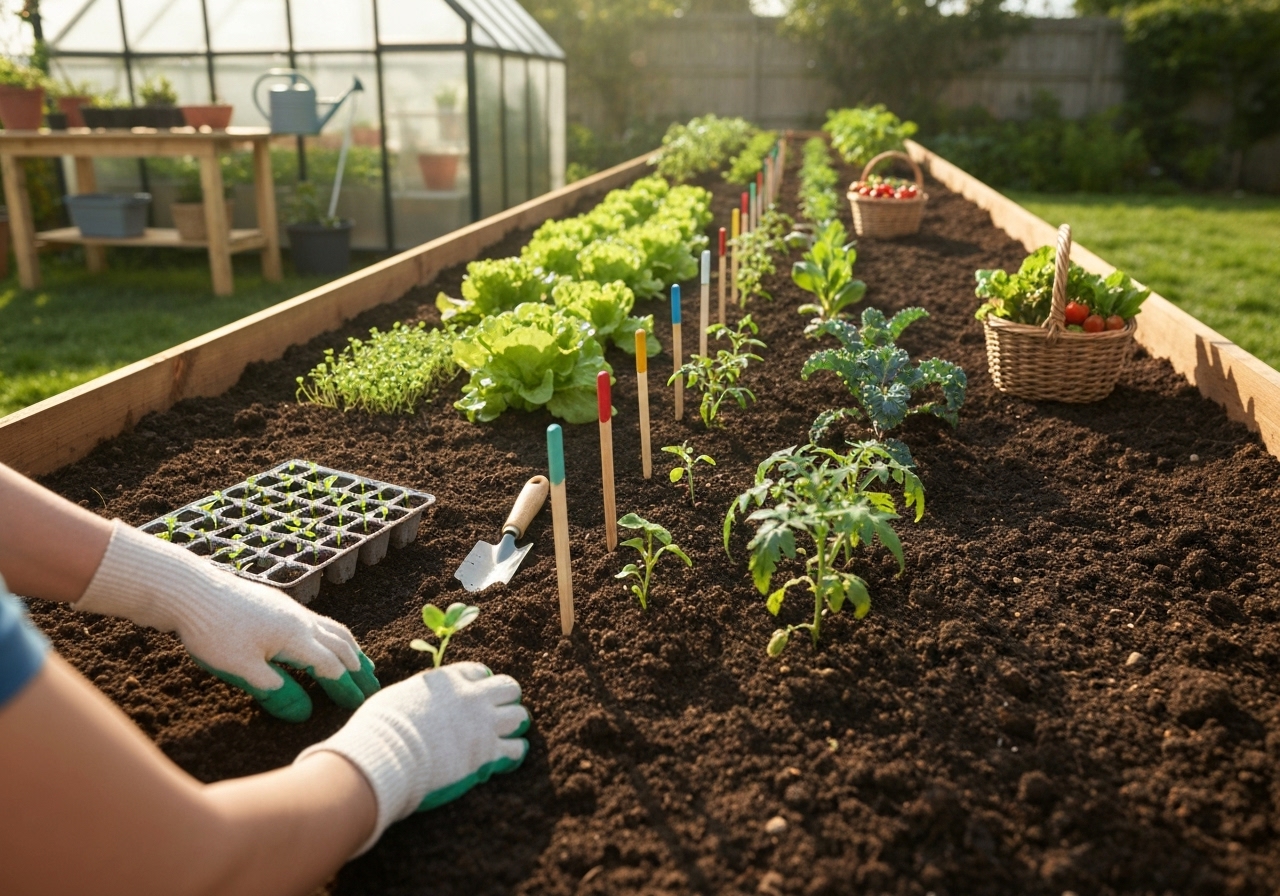
How do I schedule planting and succession for a continuous harvest? Start with a calendar that sets indoor seed start dates, outdoor direct-sow windows, and staggered plantings to extend harvest.
How to create the calendar: use local last-frost and first-frost dates, plant heat-loving crops after frost, and do successive 2- to 3-week plantings for lettuce and greens. Keep an easy spreadsheet or wall calendar indicating seed ages, germination windows, and transplant dates.
How do I start seeds and transplant heirlooms successfully?
How do I start seeds and transplant heirlooms successfully? Start seeds indoors in a sterile mix, provide consistent light and warmth, thin to the healthiest seedlings, and harden off before transplanting.
How do I source and test seed viability?
How do I source and test seed viability? Source seeds from reputable heirloom seed banks and test germination by placing 10 seeds on a damp paper towel for 7 days and counting sprouts.
How to interpret results: accept germination rates above 70% for reliable planting; adjust sowing density upward if viability is lower. Prioritize regionally-adapted seed and certified organic seed houses for cleaner stock (Seed Savers Exchange, local seed networks).
How should I prepare a seed-starting station?
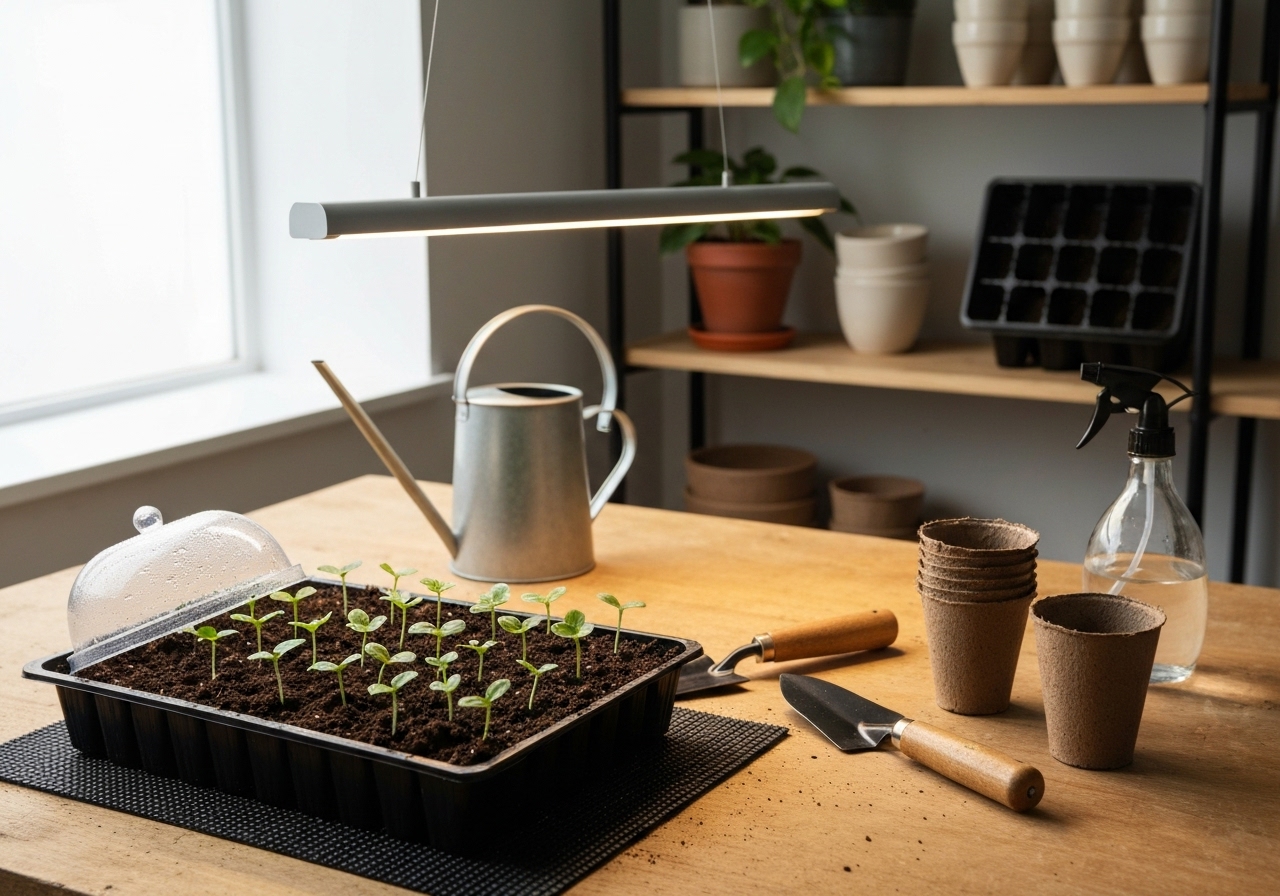
How should I prepare a seed-starting station? Prepare a bright, warm area with a clean seed-starting mix, labeled trays, bottom heat if needed, and full-spectrum lights for 14 to 16 hours per day.
How to sow by crop: sow small seeds shallowly; sow larger seeds deeper per packet directions. Keep soil moisture even; avoid overwatering. Use a fan to strengthen stems and prevent damping-off (university extension recommendations).
How do I harden off and transplant without shock?
How do I harden off and transplant without shock? Harden off seedlings for 7 to 10 days by gradually increasing outdoor exposure, then plant on an overcast day or late afternoon with generous water.
How to plant: firm soil around roots, avoid deep planting if not a tomato, and mulch to conserve moisture. Space according to heirloom vigor—many heirlooms are larger and need more spacing than modern hybrids.
How do I build and manage soil for heirloom vegetables?
How do I build and manage soil for heirloom vegetables? Test soil, add organic matter, use cover crops, and foster soil biology to support nutrient cycling and structure.
How do I test soil and interpret results?
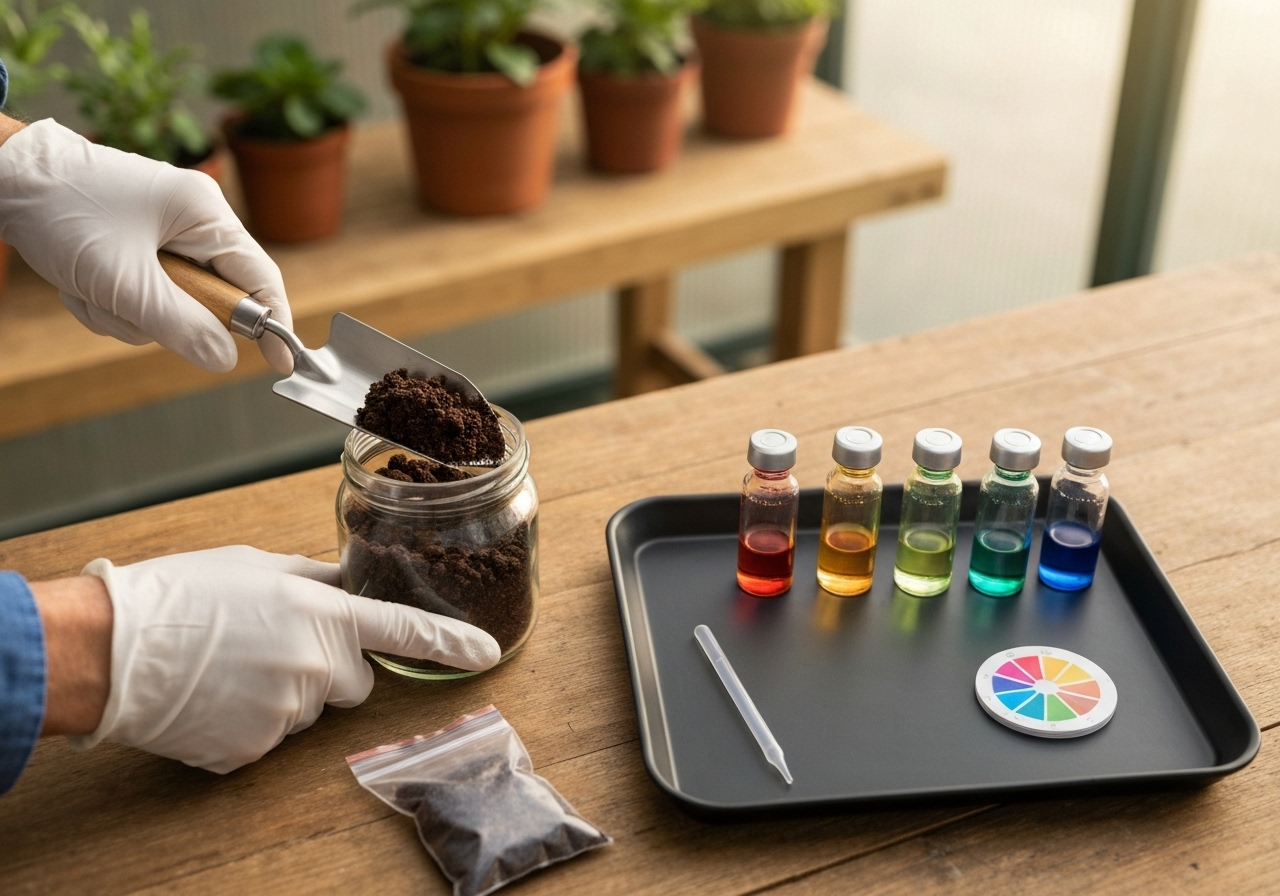
How do I test soil and interpret results? Test pH, organic matter, and nutrient levels using a lab or extension service; match lime and fertilizer amendments to results.
How to act on results: raise pH with lime if below recommended ranges for the crop; add sulfur if pH is too high. Add compost for structure and slow-release fertility (university extension guidelines).
How do I use compost, cover crops, and green manures?
How do I use compost, cover crops, and green manures? Incorporate 2 to 4 inches of mature compost annually and grow winter or summer cover crops to capture nutrients and build organic matter.
How to choose covers: use legumes to fix nitrogen, brassica covers for biofumigation, and grasses to add bulk organic matter. Terminate covers at the right stage to maximize biomass and minimize seed set (Rodale Institute, SARE).
How do I introduce beneficial microbes and consortia?
How do I introduce beneficial microbes and consortia? Use compost teas, well-made compost, and microbial inoculants targeted for roots to accelerate soil biology and nutrient availability.
How to design microbial strategies: combine organic matter inputs with targeted inoculants and crop diversity to build a resilient microbiome. For tactical approaches to on-farm microbial design that benefit heirloom production, see practical frameworks like designing microbial consortia.
What irrigation and water management practices work best?
What irrigation and water management practices work best? Use drip irrigation and mulch to deliver water precisely, reduce foliar disease, and conserve water.
How do I size and schedule drip irrigation?
How do I size and schedule drip irrigation? Size emitters to supply .5 to 1.5 gallons per hour per plant depending on crop and soil; schedule early-morning watering based on soil moisture and growth stage.
How to calculate needs: monitor soil moisture with a probe or simply by finger test; reduce frequency and increase duration to encourage deeper roots. Micro-irrigation systems can save 30% to 60% of water compared with overhead watering (irrigation studies).
How can low-input micro-irrigation help small plots?
How can low-input micro-irrigation help small plots? Use low-pressure drip, gravity-fed lines, and simple timers to support efficient production on small plots and urban sites.
How to implement for beginners: use inline drip tape or soaker hoses and pair with mulch. For practical micro-irrigation models and case studies suitable for smallholder and urban plots, review regenerative micro-irrigation resources.
How do I manage pests and diseases organically?
How do I manage pests and diseases organically? Manage pests with prevention: healthy soil, rotation, sanitation, habitat for predators, and targeted organic treatments when thresholds are reached.
How do I use cultural and mechanical controls?
How do I use cultural and mechanical controls? Use crop rotation, physical barriers, handpicking, and timely pruning to reduce pest pressure and disease spread.
How to apply controls: remove infected plant material, rotate away from problem crops for 2-3 years if possible, and interplant flowers to attract beneficial insects. Netting and row covers work for brassicas and cucurbits early in the season (extension IPM guidelines).
How do I incorporate biological controls and companion plants?
How do I incorporate biological controls and companion plants? Plant pollinator and beneficial insect habitat—flowers like alyssum, calendula, and buckwheat—and consider releases or enhancements of predators like ladybeetles when appropriate.
How to combine tactics: integrate trap crops to concentrate pests and use targeted organic sprays (spinosad, Bt) only when monitoring indicates thresholds have been exceeded (IPM protocols).
When and how do I harvest, store, and prepare heirloom vegetables?
When and how do I harvest, store, and prepare heirloom vegetables? Harvest at peak maturity for flavor, cool quickly, store in appropriate conditions, and preserve surplus by freezing, canning, fermenting, or drying.
How do I tell when specific crops are ripe?
How do I tell when specific crops are ripe? Use visual cues and sampling: tomatoes should be fully colored and slightly soft; beans should snap; beets should reach target diameter; greens at desired leaf size.
How to maximize flavor: harvest in the cool parts of day and taste-test a few specimens to set a standard for your patch. Record dates in your calendar for future reference.
How should I store different heirloom vegetables?
How should I store different heirloom vegetables? Store leafy greens refrigerated at 32 to 40F with high humidity; root crops in cool, dark, moist storage; dry beans and seeds fully cured in low-humidity conditions.
How to extend storage life: cure winter squash on a warm dry bench for 10 to 14 days before long-term storage; blanch and freeze surplus greens for winter meals (USDA postharvest guides).
How do I save seed from common heirlooms?
How do I save seed from common heirlooms? Save seed by harvesting mature seed pods or fruit, cleaning and drying seed thoroughly, and storing in cool, dry, dark conditions.
How to save by crop type:
- Tomato: ferment pulp for 2 to 4 days, rinse, dry on a card, and store (open-pollinated only).
- Beans and peas: let pods dry on the plant, shell, and dry seeds to stable moisture (5-8%).
- Peppers: dry or ferment seeds removed from ripe fruit and store in airtight containers.
- Cucurbits (squash, cucumbers): fully mature fruit, scrape seeds, ferment to remove pulp, dry and store.
- Brassicas: save seed from isolated plants or use timing to prevent cross with other varieties; some crops require isolation distances or hand-pollination.
What are common beginner mistakes and how do I avoid them?
What are common beginner mistakes and how do I avoid them? Avoid overplanting, neglecting soil health, insufficient succession planning, and failing to observe microclimates; instead scale slowly and learn by season.
What specific fixes work: plant fewer varieties the first year; keep detailed notes; prioritize soil-building over fertilizing with soluble salts; and inspect crops weekly to catch pests early.
How do I scale from backyard production to selling heirloom produce?
How do I scale from backyard production to selling heirloom produce? Scale by producing reliable volumes of key crops, documenting yields and timing, complying with local food safety rules, and finding local outlets like farmers markets and restaurants.
How to start small: begin with 50 to 100 plants of a top-selling tomato or 100 feet of salad mix; test demand; and build relationships with chefs interested in unique heirloom flavors (local markets and CSA models).
What resources should beginners consult?
What resources should beginners consult? Consult seed exchanges, university extension publications, regional seed trials, and practical on-farm guides on microclimates, rotations, and soil biology.
What specific organizations help: Seed Savers Exchange for heirloom access; SARE and university extension for production guides; Rodale Institute for organic systems research. For specialized on-farm resources in crop mapping, rotations, and microbial strategies, see the microclimate and rotation resources linked above and consult practical microbial guides to support soil health.
How do I keep practical records and iterate each season?
How do I keep practical records and iterate each season? Keep a one-page season log: planting dates, varieties, seed lot, germination rates, pests observed, harvest dates, yields per bed, and storage outcome.
How to use records: compare year-to-year performance; adapt planting dates and variety choices based on observed microclimate performance; and experiment with one change per season to measure impact.
What is a simple first-year action checklist for beginners?
What is a simple first-year action checklist for beginners? Follow a concise checklist: test soil, choose 6 to 12 heirlooms, start core seeds indoors, map microclimates, set up drip irrigation and mulch, implement rotation, and plan for seed-saving crops.
What order to act in: 1) test soil and amend, 2) choose and order seeds, 3) build seed-starting station, 4) prepare beds and install irrigation, 5) plant and monitor, 6) harvest and save seed. Record and repeat with incremental improvements.
What this guide offers is a practical, repeatable framework: pick varieties that match your food needs and climate, build soil and microbes, manage water and pests with low-input methods, harvest for flavor, and save seed to close the loop. Use the linked resources for deeper dives into microclimate mapping, rotation planning, and on-farm microbiome design. Start small, keep records, and grow heirlooms that feed your table and preserve agricultural heritage.


