
Start an On-Farm Compost Tea Brewer Using Waste Streams
Start an On-Farm Compost Tea Brewer Using Waste Streams offers a practical, step-by-step guide to build, operate, and integrate a compost tea system on small and medium farms. This guide uses farm waste streams, minimizes inputs, and links tea production to soil health, crop rotations, and regenerative practices.
What is an on-farm compost tea brewer and why start one?
An on-farm compost tea brewer produces a microbe-rich liquid made by extracting and multiplying beneficial microorganisms and soluble nutrients from compost and other organic wastes. Use compost tea to inoculate soil, seedling trays, and plant foliage with bacteria, fungi, and protozoa that improve nutrient cycling, disease suppression, and plant vigor. Agriculture extension services and research (USDA and Rodale Institute summaries) report consistent improvements in soil microbial activity and plant health when compost teas are used as part of integrated management.
What are the advantages of using farm waste streams for brewing?
Using farm waste streams reduces disposal costs, closes nutrient loops, and lowers purchased input needs. Collecting manure, spent mushroom substrate, vegetable culls, and crop residues supplies carbon and microbial inoculum. On-farm sourcing reduces transport emissions and strengthens circularity. Farmers report 1) lower synthetic fertilizer use, 2) improved soil structure, and 3) additional revenue streams when compost tea is included in regenerative service bundles (examples summarized in field reports and case studies).
What raw materials and waste streams work best for compost tea?
Raw materials suitable for compost tea include mature aerobic compost, well-aged manure, vermicompost, spent mushroom substrate, kelp or seaweed (if available), plant-based food waste, and fermentates from grain or brewery waste. Avoid raw animal carcasses, fresh biosolids, or unaged poultry manure without treatment. Use materials that meet your farm’s pathogen risk protocol and regional regulations (state extension guidance and Cornell composting resources provide risk criteria).
How do I choose a brewing design for my farm?
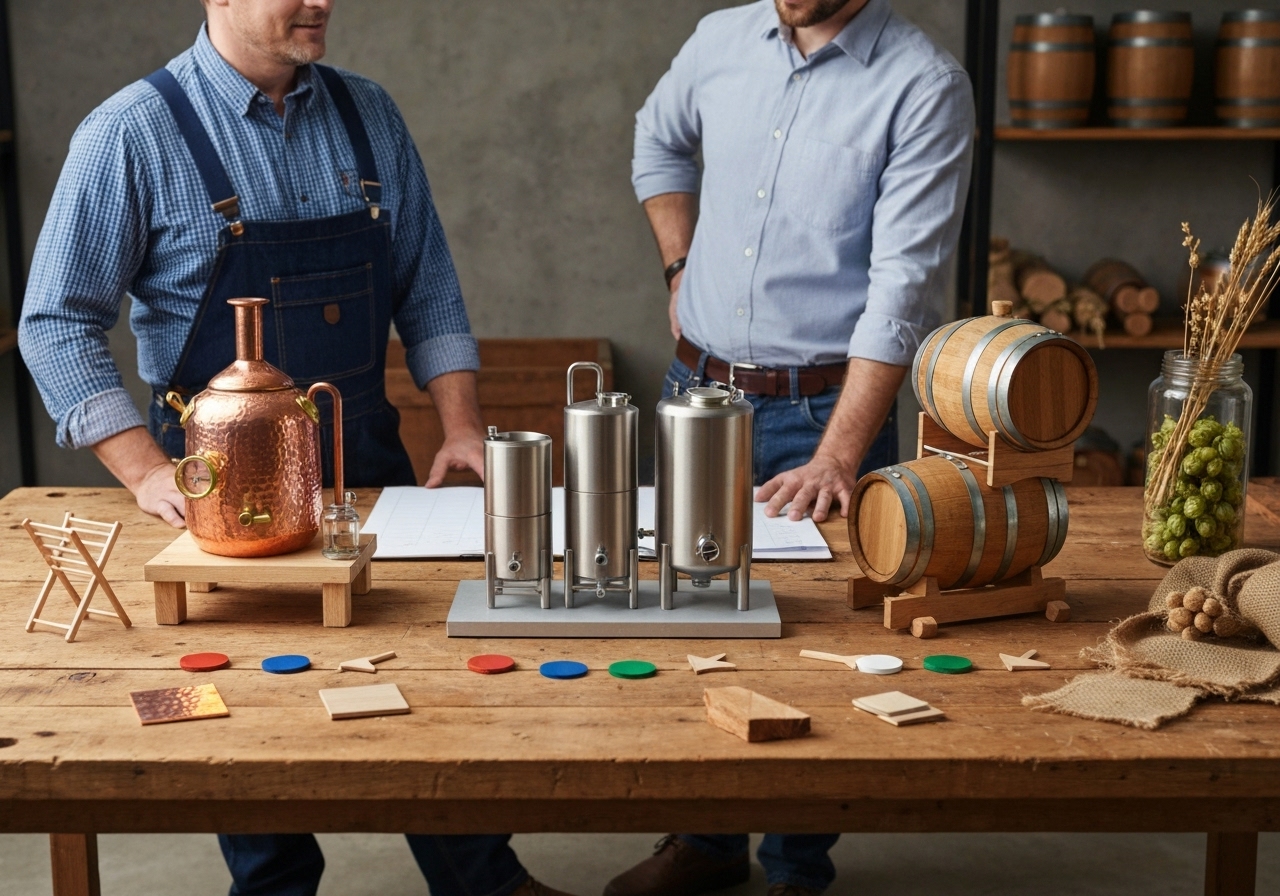
Choose a brewer design by answering the questions: how much tea per week do I need, how much waste is available, and do I want batch or continuous production? Small farms often start with a 200-500 liter batch brewer. Medium farms scale to 1,000-5,000 liters with recirculating pumps and aeration. Commercial operations may build modular tanks for parallel batches.
What are the basic components of a brewer?
The basic brewer includes: 1) a watertight tank, 2) an aeration system (air blowers or diffusers), 3) a recirculating pump and tubing, 4) a coarse pre-filter for feedstocks, 5) mixing or agitation, and 6) thermometers and measurement tools. Choose food-grade or chemically resistant tanks (polyethylene, stainless steel). Use inline strainers or spray bars to avoid clogging when applying tea.
How do aeration and oxygenation affect brewing?
Aeration controls whether the tea cultivates aerobic populations (positive for beneficial bacteria and fungi) or shifts toward anaerobic communities (risk of phytotoxic compounds). Maintain dissolved oxygen (DO) above 6 mg/L for aerobic brews. Use a high-capacity air pump sized at 1–2 L/min per liter of brew volume as a starting point, then monitor DO and adjust. Research in applied soil microbiology shows higher DO correlates with larger beneficial bacterial growth.
How to size tanks and equipment?
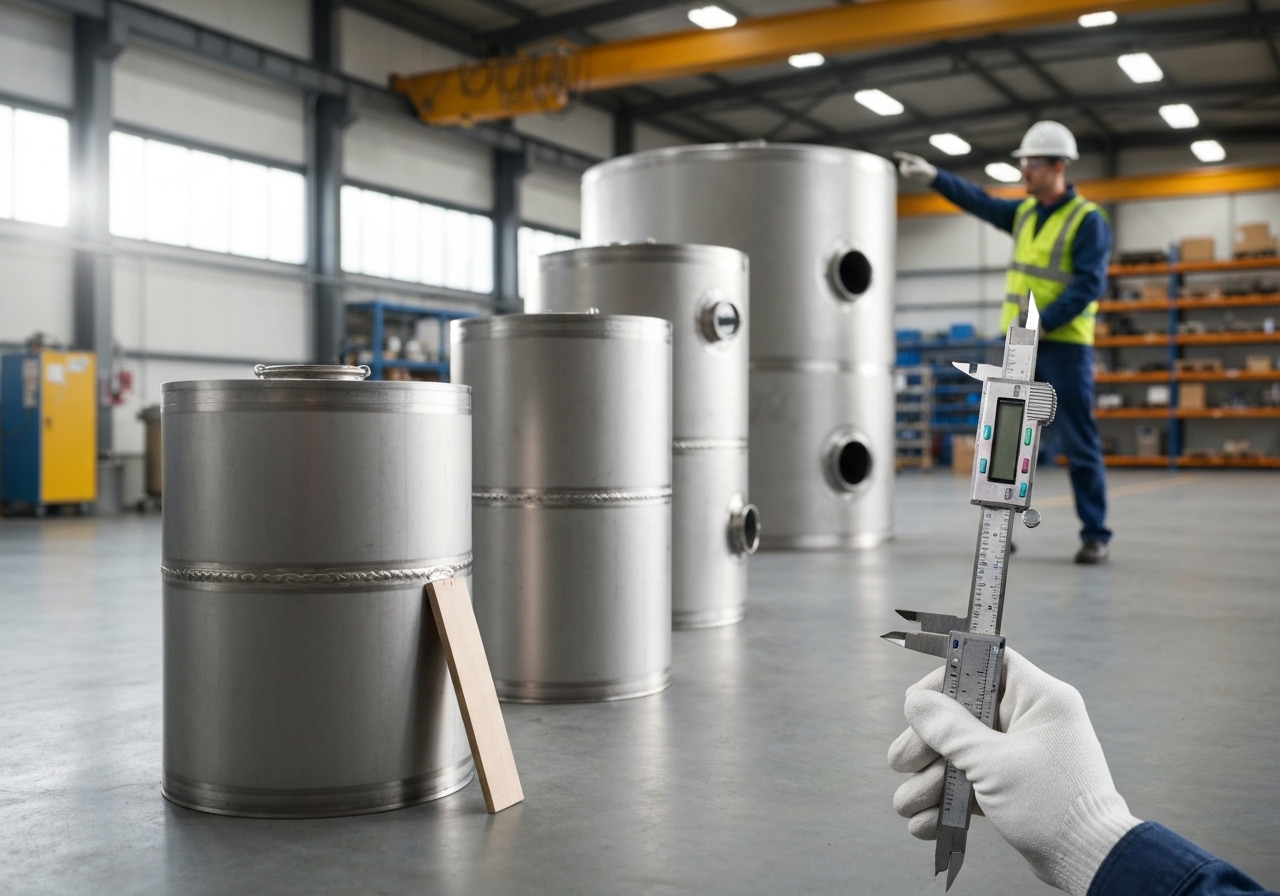
Size tanks based on application rate and cropping area. For foliar sprays: plan 300–500 liters per hectare per application as an initial guideline. For soil drenches: plan higher volumes (1,000+ liters/ha). Calculate weekly demand by multiplying number of crop hectares by target application frequency. Add 20% buffer for production variability.
How do I prepare and balance feedstocks using farm waste streams?
Prepare feedstocks by sorting, shredding, and aging materials. Use a feedstock recipe that balances carbon and nitrogen and supplies microbial inoculum. A common on-farm recipe: 10% mature compost or vermicompost, 5% aged manure or green crop material, 2% kelp or seaweed extract, plus a small sugar source (molasses at .5% by volume) to stimulate microbial growth. Mix solid inputs into a porous mesh bag to avoid large particulates in the final tea.
How to calculate C:N considerations?
Maintain a compost-like C:N starting ratio in feedstocks of roughly 20:1 to 30:1. Compost teas are extraction/propagation systems — feedstock C:N influences which microbes proliferate. If your feedstocks are very high-carbon (woody residues), pre-compost or co-compost with manure to add nitrogen and microbes before brewing. Extension publications from university composting programs provide feedstock C:N tables for common on-farm materials.
How to brew compost tea step-by-step (standard aerobic batch method)?
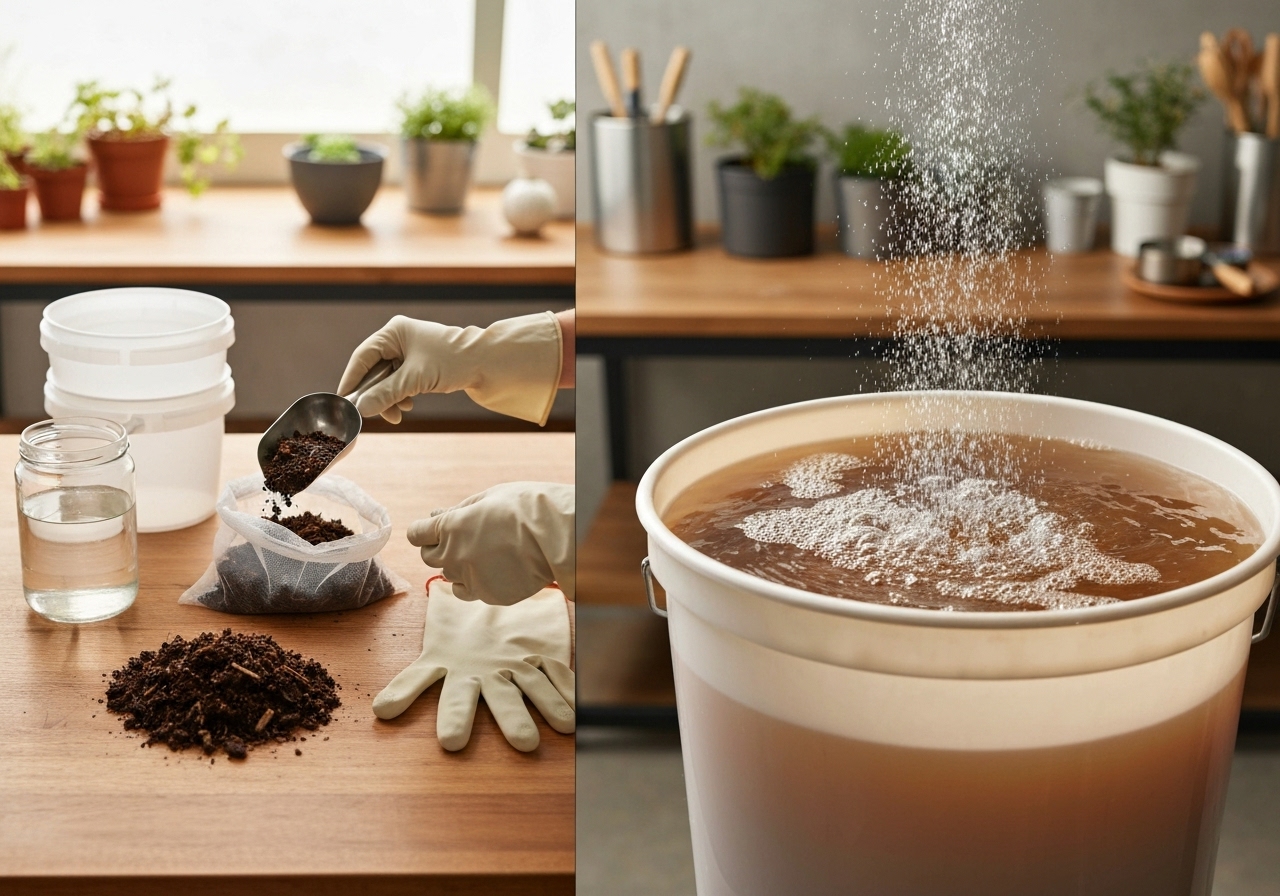
Use this step-by-step aerobic batch protocol suitable for most small farms:
- 1. Fill the tank with clean non-chlorinated water to target volume. Let sit 12–24 hours to off-gas if using municipal water that may contain chlorine.
- 2. Place 5–10% by volume of mature compost or vermicompost into a porous bag, plus any supplemental matters (kelp, minerals) in separate bags to control release.
- 3. Add sugar source (molasses .25–.5% by volume) to feed heterotrophic bacteria that help multiply beneficial populations.
- 4. Start aeration and recirculation. Maintain DO >6 mg/L, temperature 18–25 C (65–77 F), and neutral to slightly acidic pH (6.–7.).
- 5. Run the brew for 12–36 hours for bacterial-dominant tea, and up to 48–72 hours if promoting fungal growth (cooler temps favor fungi).
- 6. After brewing, strain through a fine mesh (200–500 micron) into application tanks to prevent sprayer clogging.
- 7. Apply within 4–12 hours of brew completion for highest microbial viability.
What variables change brewing time and microbial outcomes?
Variables include temperature, feedstock maturity, aeration rate, and sugar additions. Higher temperatures and sugar accelerate bacterial growth and shorten brewing time. Cooler temperatures and fungal-rich feedstocks shift composition toward fungi but require longer brew times. Trials reported in Applied Soil Ecology show that adjusting these variables produces predictable shifts in bacterial-to-fungal ratios.
How to test and monitor tea quality on the farm?
Monitor simple indicators and perform occasional lab checks. Use on-farm tools: a dissolved oxygen (DO) meter, pH meter, thermometer, and optical turbidity check. Good aerobic tea: DO >6 mg/L, pH 6.–7.5, slight cloudiness but no foul odor. For periodic verification, send samples to labs for colony forming units (CFU), presence of key plant-beneficial microbes, and absence of human pathogens. University extension protocols provide sampling and lab submission methods.
When should I test for pathogens?
Test when using manures, if teas are applied to edible foliage close to harvest, or if state regulations require pathogen testing. Use lab tests for E. coli, Salmonella, and other relevant indicators. If tests show contamination, stop foliar applications to edible crops until corrected. Guidance from food safety audits and university extension helps set acceptable limits.
How should I apply compost tea to crops?
Apply compost tea via foliar spray, soil drench, or drip injection depending on objective. For foliar disease suppression, apply during cool parts of day (early morning or evening) when stomata are open and UV exposure is lower. For soil microbiome enrichment, apply as root-zone drenches or through irrigation (ensure filters protect emitters).
What are recommended application rates and timing?
Recommended starting rates: foliar sprays 200–500 liters per hectare per pass; soil drenches 500–2,000 liters per hectare. Apply at seeding/transplant, early vegetative stages, and at stress points (drought, transplant shock, pre-flowering) as a preventive strategy. Repeat every 2–4 weeks during active growth for sustained benefit.
Can compost tea be mixed with other inputs?
Do not mix compost tea with copper or sulfur sprays and many synthetic pesticides without compatibility testing — those products can kill beneficial microbes. Mix simple compatible foliar nutrients (seaweed extracts or soluble calcium) if tested. Always perform a jar test and small trial on a sample plot to check for phytotoxicity or microbial loss.
What safety, recordkeeping, and regulatory practices are required?
Follow safety practices: keep detailed batch records (feedstocks, dates, temperatures, DO, who operated system). Maintain traceability for food-safety audits if teas are applied to produce. Follow regional guidelines for manure handling and compost use. If selling compost tea or services, confirm local regulations regarding microbial inoculants and labeling. University extension and agricultural departments provide recommended record templates and regulatory checklists.
How much does a basic brewer cost and what are operating economics?
Estimate start-up costs: small DIY 500 L system (tank, aeration, pump, filters, meters) typically costs $1,500–$4,000. Larger modular 2,000–5,000 L systems often range $8,000–$25,000 depending on automation. Operating costs include electricity for aeration pumps (low), feedstock handling labor, and occasional lab testing. Consider savings from reduced fertilizer use, improved yields, and avoided waste disposal. Economic analyses in agroecology case studies show payback periods often under 2–4 years for diversified small farms when integrated with crop rotations and regenerative practices.
How to integrate compost tea into broader farm systems?
Integrate the tea program into crop rotation, cover cropping, and soil-building plans. Use tea after cover crop termination to accelerate residue breakdown and nutrient cycling. Coordinate tea applications with your farm’s planting calendar and microclimate zones to maximize benefits. For planning rotation timing and crop placement, consult adaptive rotation frameworks like the ones used in low-input operations and crop mapping by microclimate to align microbial applications with crop needs. See adaptive low-input crop rotation plans for scheduling ideas and designing on-farm microbial consortia to align teas with targeted soil functions.
Can compost tea contribute to soil carbon and farm revenue?
Yes. Regular compost tea use can enhance soil organic matter retention by supporting microbial-driven aggregation and nutrient cycling, indirectly contributing to soil carbon accrual. When combined with cover cropping and reduced tillage, microbial inputs strengthen carbon sequestration pathways. Farmers tracking carbon gains may integrate microbial amendments into soil carbon credit programs. See case discussions on how soil carbon programs create revenue opportunities for small farms in materials about soil carbon credits.
What are common problems and troubleshooting steps?
Common problems include foul odors, low DO, low microbial counts, and sprayer clogging. Troubleshoot as follows:
- Foul odor: stop batch, aerate vigorously; examine feedstock for anaerobic pockets or contamination and avoid overly fresh manures.
- Low DO: increase aeration capacity, reduce organic load, shorten brew time.
- Low microbial counts: check water source (chlorine kills microbes), use higher-quality compost inoculum, add molasses carefully.
- Clogging: run tea through fine strainer, use inline filter bags at pump intake, or dilute before spraying.
What is a sample maintenance and annual plan for a small farm brewer?
Sample schedule for a 500 L weekly batch operation:
- Daily: inspect aeration lines, check DO and temperature during brewing, record batch data.
- Weekly: clean strainers, sanitize nozzles, test one batch for microbial viability monthly for first 6 months, then quarterly.
- Seasonal: service pumps and replace tubing, calibrate meters, review feedstock supply and quality before peak season.
- Annual: conduct one comprehensive lab analysis for pathogen screening and microbial profile; update standard operating procedures based on results.
What resources and further reading should farmers consult?
Consult university extension guides on composting and compost tea, peer-reviewed studies on soil microbiology, and safety guidance for manure use. Practical field guides from USDA, state extension services, and nonprofit regenerative agriculture organizations provide tested protocols. For crop planning coordination, consult microclimate-based crop mapping and diversified farm calendars to align tea production with planting windows: diversified small-farm calendar and crop maps. For details on integrating microbial cocktails with field-scale plans, see resources on microbial consortia mapping and soil microbial cocktails for regenerative farms.
Starting an on-farm compost tea brewer using waste streams requires an initial investment in equipment, attention to feedstock quality, and routine monitoring. Follow tested aerated brewing protocols, keep good records for food safety, and integrate tea into your rotation and soil-building strategies for best results.


