


Seasonal Rotating Tasks Checklist for Small Family Farms
Plan seasonal rotating tasks checklist for small family farms to match climate, labor, crops and livestock needs across the year. Use a clear calendar, prioritized daily tasks, rotation maps and records to reduce input costs, protect soil and hit harvest windows.
What is a seasonal rotating tasks checklist for small family farms?
A seasonal rotating tasks checklist for small family farms is a prioritized, date-driven task plan that repeats annually while adapting to rotation schedules, labor availability and microclimate variations.
What is the checklist used to coordinate planting, soil care, pest control, irrigation and harvest tasks across seasons.
Why should small family farms use a seasonal rotating tasks checklist?
Using a seasonal rotating tasks checklist reduces labor bottlenecks, prevents missed cultural operations, maintains crop rotation integrity and improves soil health outcomes.
Why benefits include 1) timely seeding and harvest, 2) consistent cover-crop and fallow management, and 3) easier labor scheduling for family crews.
Why the checklist supports decision-making by converting long-term rotation plans into weekly and daily action items.
When should the seasonal rotating tasks checklist for small family farms be set and reviewed?
Set the checklist before the key season starts and review it quarterly or after each major weather event.
When set pre-season, the checklist converts crop rotation maps and market dates into specific planting and maintenance tasks.
When reviewing, update tasks after soil tests, pest scouting or market changes and keep a running log of adjustments.
How to build a seasonal rotating tasks checklist for small family farms?

Build the checklist by mapping fields, defining rotations, listing seasonal tasks, assigning dates and assigning labor or tools.
How step 1: Map all production units and microclimates using a simple sketch or GPS grid.
How step 2: Write a 3-year rotation matrix for each bed or field and link it to recurring tasks.
How step 3: Create seasonal task blocks for soil prep, planting, fertility, pest control, irrigation and harvest.
How step 4: Assign tasks to days or weeks, estimate hours, and include contingency windows for weather delays.
How step 5: Store the checklist digitally and print weekly sheets for field crews and family members.
What seasonal tasks belong on the checklist for spring on small family farms?
Spring tasks include final seed orders, soil tests, bed preparation, first plantings, irrigation checks and pest scouting.
What tasks by priority: 1) Review rotation plan and seed lists, 2) sample soil and submit to lab, 3) repair beds and pathways, 4) calibrate irrigation, 5) start seedlings and direct-seed cool-season crops, 6) apply starter fertility if needed, 7) deploy early pest traps and monitors.
What actions for seedlings: harden off transplants, space plants per crop, label beds with planting dates and variety names.
What seasonal tasks belong on the checklist for summer on small family farms?
Summer tasks include intensive weeding, irrigation management, succession planting, pest and disease control and first harvests.
What tasks by priority: 1) Monitor soil moisture and adjust micro-irrigation cycles, 2) weed at early stages to reduce competition, 3) scout for pests daily and respond to thresholds, 4) perform mid-season fertility top-ups, 5) harvest and cool produce promptly, 6) begin succession plantings for late-season markets.
What seasonal tasks belong on the checklist for fall on small family farms?
Fall tasks include main harvests, cover-crop seeding, residue management, equipment service and inventory for winter.
What tasks by priority: 1) Plan harvest windows to match storage and market capacity, 2) remove or chop residues to prevent pest carryover, 3) seed cover crops as soon as beds are available, 4) take post-harvest soil samples, 5) repair and winterize irrigation and tools, 6) update rotation records for next year.
What seasonal tasks belong on the checklist for winter on small family farms?
Winter tasks include planning, equipment maintenance, seed ordering, pruning, and infrastructure repairs.
What tasks by priority: 1) Review yields and market performance, 2) schedule equipment servicing, 3) place seed and supply orders early, 4) prune orchards and perennials during dormancy, 5) rebuild beds and prepare long-term soil amendments.
How to convert long-term rotation plans into the seasonal rotating tasks checklist for small family farms?
Convert long-term rotation plans by mapping crop-phase timelines to specific seasonal tasks and repeating them across the rotation period.
How step A: Link each field cell on your rotation map to a seasonal checklist template that lists tillage, amendments and planting dates.
How step B: Use the rotation templates to flag tasks like cover-crop termination, fertility carryover, or fallow maintenance on the seasonal calendar.
How step C: Sync rotation windows with market dates and labor availability to avoid overlaps and harvest bottlenecks.
How cross-reference: Use an adaptive rotation plan to lower inputs while maintaining yields; review adaptive crop rotation plans when you set multi-year objectives.
What recordkeeping should the seasonal rotating tasks checklist for small family farms include?
Record dates, labor hours, inputs, weather anomalies, yields and pest incidents for each task entry.
What details to record: field ID, crop, variety, planting density, seed lot, fertilizer type and rate, pest thresholds and treatment dates.
What format: keep digital spreadsheets and a compact field notebook; back up records quarterly and attach receipts to seasonal expense logs.
Which templates work best for a seasonal rotating tasks checklist for small family farms?
Use 1) annual rotation matrix, 2) seasonal calendar, 3) weekly task sheets and 4) daily field checklists.
Which template elements: task, assigned person, estimated hours, priority level, completion checkbox and comments field for anomalies.
Which tools: use spreadsheet software or simple farm management apps that export CSV and print weekly task sheets for the crew.
How to prioritize tasks on the seasonal rotating tasks checklist for small family farms?
Prioritize tasks by crop critical windows, perishability, labor peaks and weather-sensitive operations.
How to rank: give highest priority to planting and harvest windows, second to irrigation and pest control, third to optimization tasks like fertilization and recordkeeping.
How to create contingency: reserve 15 to 25 percent of weekly labor for weather or urgent repairs.
How to schedule labor using the seasonal rotating tasks checklist for small family farms?

Schedule labor by estimating hours per task, grouping tasks by location and skill, and staggering high-labor tasks across weeks.
How to reduce commute time: bundle tasks in the same field on the same day and keep tools staged where work happens.
How to plan family labor: allocate morning harvest windows for perishable crops and afternoons for planting or maintenance tasks.
How to integrate soil health tasks into the seasonal rotating tasks checklist for small family farms?
Integrate soil health tasks by scheduling regular soil tests, cover-crop planning, organic amendments and microbial inoculations.
How to implement: schedule soil tests every 1 to 3 years per field, set fixed dates for cover-crop termination and compost applications, and track results.
How microbial strategies fit: coordinate seed treatments and soil inoculants with planting dates and check results against yield and soil biology metrics.
How to learn more about designing microbial approaches see practical microbial consortia design relevant to small farms.
What pest and disease monitoring tasks belong on the seasonal rotating tasks checklist for small family farms?
Include weekly scouting, action thresholds, trap maintenance and a rapid-response plan for outbreaks.
What monitoring frequency: scout high-value crops at least twice weekly during peak pest seasons and once weekly during low-risk periods.
What to record: pest counts, damage percent, weather conditions and applied controls for each scouting visit.
How to manage irrigation tasks in the seasonal rotating tasks checklist for small family farms?
Manage irrigation by scheduling system checks, calibrating emitters, adjusting run times by crop needs and monitoring soil moisture sensors.
How to save water: prioritize drip or micro-irrigation for high-value beds and schedule early-morning irrigations to reduce evaporation.
How to adapt to drought: switch to deficit strategies for non-perishables and maintain high-frequency irrigation for transplants.
How does microclimate mapping interact with the seasonal rotating tasks checklist for small family farms?
Use microclimate maps to assign crops to the best production units and to sequence tasks by frost risk and heat exposure.
How to use maps: place frost-sensitive transplants in warm pockets and schedule planting or harvest based on predicted microclimate windows.
How to expand mapping: consult a diversified small-farm calendar with crop maps to refine your seasonal checklist and planting order that links crop timing to microclimates.
What harvest and post-harvest tasks should the seasonal rotating tasks checklist for small family farms include?
Include harvest timing, handling protocols, cooling, packing schedules, market delivery and storage rotation tasks.
What harvest actions: set harvest windows by crop maturity and target market; prep containers, scales and coolers ahead of peak days.
What post-harvest actions: wash, cool, grade and pack promptly; rotate storage stock to avoid losses and log yields per field.
How to incorporate market schedules and CSA dates into the seasonal rotating tasks checklist for small family farms?
Link market commitments to planting dates via a backward-planning method to ensure harvests meet customer windows.
How to plan: set fixed weekly delivery days, map backward to earliest harvest date, and schedule succession planting to smooth supply.
How to allocate surplus: add fall-back tasks for value-added processing or storage when supply exceeds demand for a week.
How to adapt the seasonal rotating tasks checklist for small family farms with limited labor?
Adapt by simplifying crops, using labor-saving tools, staggering plantings, outsourcing peak tasks and emphasizing no-till and cover-crops.
How to prioritize: keep high-return crops and reduce low-margin items; plant perennials where labor is lowest after establishment.
How to lower input labor: adopt low-input rotation plans and low-till strategies documented in adaptive frameworks for small farms.
What livestock tasks should a seasonal rotating tasks checklist for small family farms include?
Include pasture rotation, supplemental feeding, parasite control, shelter repairs, breeding dates and winter feed planning.
What livestock cadence: rotate paddocks per grazing plan, inspect water and fencing weekly, and record weights or condition scores monthly.
What winter tasks: schedule hay inventory, forecast feed needs, and repair shelters early in fall to avoid last-minute work.
What technology helps maintain a seasonal rotating tasks checklist for small family farms?

Use soil moisture sensors, simple farm management software, GPS field mapping and digital calendars synced to mobile devices.
What to choose: pick low-cost sensors and spreadsheet templates initially, add automated notifications for key events like frost warnings.
What common mistakes to avoid with a seasonal rotating tasks checklist for small family farms?
Do not over-schedule, ignore weather variability, skip recordkeeping or decouple rotation decisions from task calendars.
What happens if: over-scheduling causes missed windows; poor records cause repeated mistakes and crop failures in rotations.
How to test and improve the seasonal rotating tasks checklist for small family farms?
Test the checklist for one season, collect timing and labor data, then refine task durations, priorities and contingencies each winter.
How to measure: compare planned hours to actual, track yield per field and note which tasks were skipped or delayed for future corrections.
Where to find templates and additional resources for a seasonal rotating tasks checklist for small family farms?
Find templates from extension services, farmer networks, and practical guides on crop timing, rotation and soil biology.
Where to start: download rotation and calendar templates from regional extension services, consult farmer-run calendars and adapt to your microclimate.
Where specialized content lives: review microbial and soil-health guides to align biological amendments with planting timelines; see practical microbial consortia design for soil enrichment.
What final practices ensure the seasonal rotating tasks checklist for small family farms remains effective?
Review the checklist annually, update for new crops or markets, keep clear records and train all family members on task protocols.
What maintenance matters: preserve simple naming conventions for fields and tasks, maintain one central calendar, and hold a weekly planning huddle during peak seasons.
Sample weekly task sheet for the seasonal rotating tasks checklist for small family farms
- Monday: Irrigation check; weed high-priority beds; transplant seedlings.
- Tuesday: Scouting and pest record; harvest morning; pack orders.
- Wednesday: Bed prep; soil amendment application; equipment check.
- Thursday: Succession sowing; fence inspection; livestock water check.
- Friday: Major harvest; cool and store produce; update records.
- Saturday: Farmer market or CSA delivery; catch-up tasks.
- Sunday: Rest or contingency window; plan upcoming week.
Quick checklist items to add to every seasonal rotating tasks checklist for small family farms
- Field ID and rotation year.
- Priority level: critical, high, normal.
- Assigned person and estimated hours.
- Completion checkbox and notes.
Implement the seasonal rotating tasks checklist for small family farms as a living tool, tuned each season with records and microclimate insight.
Use farm-specific rotation matrices, match labor to critical windows and store papers and digital backups together for quick access.
Internal links above provide additional reading on rotation planning, microclimate calendars and microbial soil strategies relevant to checklist design.
Smartphone pH Mapping: Seasonal Soil Fixes for Farms
Smartphone pH Mapping: Seasonal Soil Fixes for Farms
This guide explains how to test soil pH across your farm using smartphone-enabled mapping, how to interpret results, and which seasonal fixes to apply to bring each zone to crop-specific targets. Learn step-by-step sampling, safe amendment options, and how to turn maps into prescriptions that fit low-input and regenerative systems.
What is smartphone pH mapping and why use it on your farm?
Smartphone pH mapping is the practice of collecting geo-referenced soil pH readings across a field with a mobile device to produce a spatial map of acidity and alkalinity.
Use it to reveal within-field variability, target lime or sulfur applications, improve nutrient efficiency, reduce input costs, and match crop selection to zone conditions. Extension services such as USDA Natural Resources Conservation Service and land-grant university guides recommend targeted sampling to optimize amendments and avoid blanket treatments.
How does smartphone pH mapping work?
Smartphone pH mapping works by pairing a pH measurement method with a mobile app that records GPS coordinates and timestamps for each sample point.
Common approaches include: using a Bluetooth pH probe that sends values to an app, photographing colorimetric test strips and converting colors to pH with calibration, or manually entering lab results tied to coordinates taken with the phone. Mapping apps create grids or sample layers you can visualize and export as GeoJSON or CSV for prescription planning.
What equipment do you need?
Collect these essentials before mapping: a smartphone with GPS, a reliable pH measurement tool, sample containers, a soil probe or spade, calibration solutions, and a mapping or data-collection app.
- Smartphone with GPS and mapping app (field notebook or GIS-enabled app).
- Portable pH meter or Bluetooth pH electrode for quick point readings; or colorimetric strips for low-cost checks.
- Soil probe or auger to sample to working depth (commonly -6 inches for many crops).
- Clean sample bags or tubes and permanent marker for labeling.
- pH buffer solutions (pH 4, 7 and 10) for calibration and a small container of distilled water for rinsing probes.
How does probe vs lab testing compare?
Probes give immediate, high-density spatial data but require careful calibration and QA/QC; lab tests are more accurate and include buffer pH or lime requirement data.
Combine both: use lab tests for baseline rates and probes for mapping fine-scale variability and monitoring seasonal shifts.
How do you sample soil for accurate pH mapping?
Collect samples with consistent depth, method, and timing: take multiple cores per point, mix for a composite, or sample single points for high-resolution mapping.
Follow these steps to standardize sampling:
- Decide sampling depth by crop: -6 inches for vegetables, -8 inches for many annual crops, deeper for perennial roots.
- Use a grid, zone, or management-unit approach. For coarse testing, composite 10-15 cores per management unit; for mapping, take individual point samples on a regular grid.
- Record metadata: date, crop, recent amendments, moisture condition, and GPS coordinate.
- Avoid sampling immediately after fertilizer or lime application; wait several weeks for reactions to begin or follow extension guidance.
How many samples per acre and what pattern should you use?
Sampling density depends on farm size and variability: use fewer composites for uniform fields and finer grids where soils change rapidly.
Guidelines: for general soil testing use 1 composite per 2-5 acres; for precision smartphone mapping use 1 point every .1-.5 acre (about 400-2,000 m2) or finer if you expect steep micro-variation. Cooperative Extension services often recommend 1 composite per 2.5 acres for standard lime recommendations; increase density when using variable-rate or manual spot treatments.
How do you interpret pH results and set target pH?

Interpret pH by comparing measured values to crop-specific target ranges; most crops perform best in the 6.-7. range but some have narrow needs.
Use these categories and targets as a starting point:
- Very acidic: <5.5 — many nutrients become less available; consider liming.
- Acidic: 5.5-6.4 — corrective action recommended for many vegetables and grains.
- Near-neutral: 6.5-7.5 — ideal for most field crops and vegetables.
- Alkaline: >7.5 — micronutrients (Fe, Mn, Zn) may become limited; consider acidifying strategies or crop selection.
Set target pH by crop: legumes and many vegetables prefer 6.5-7.; brassicas tolerate slightly higher pH; blueberries and rhododendrons require 4.5-5.5. Reference local crop guides from land-grant extensions for region-specific targets.
What seasonal soil fixes adjust pH and when should they be applied?
Seasonal fixes adjust pH using liming for acidic soils and sulfur or acidifying fertilizers for alkaline soils; timing influences effectiveness.
Key seasonal strategies:
How to raise pH in acidic soils (liming)
Apply agricultural lime to raise pH; pulverized or pelletized lime reacts faster when incorporated and when applied before wetter seasons.
Follow these principles:
- Base lime rate on soil test buffer pH and texture; lab reports from Cooperative Extension include recommended tonnage.
- Apply lime in fall or several months before planting when feasible; rainfall and tillage accelerate neutralization.
- In no-till or perennial systems, surface-applied lime will act slowly; consider mixing into the seedbed where possible.
- Re-test 3-12 months after application to track change and reapply as needed; many farms re-evaluate pH every 2-3 years.
How to lower pH in alkaline soils (acidifying)
Lower pH using elemental sulfur, acidifying fertilizers, or crop selection; elemental sulfur oxidizes to sulfuric acid via soil microbes but requires weeks to months and is temperature-dependent.
Best practices:
- Apply elemental sulfur in small increments and mix into soil when possible; microbial oxidation is slower in cool or dry seasons.
- Use ammonium-based fertilizers (ammonium sulfate) to produce localized acidification where appropriate, keeping fertilizer rates safe for plants.
- Consider selecting acid-tolerant crops or varieties for strongly alkaline zones.
- Consult Extension for rates; acidifying large areas can be slow and costly compared with adjusting crop choice or using foliar nutrient strategies.
What role do organic amendments and biology play?
Organic matter and microbial management buffer pH swings and improve nutrient cycling but do not replace lime or sulfur for large pH shifts.
Use compost, cover crops, and microbial consortia to stabilize pH and improve plant resilience; biological amendments can accelerate sulfur oxidation or help system recovery. For protocols on designing microbial amendments, review strategies for building on-farm microbial consortia.
When should you avoid certain fixes?
Avoid excessive lime on soils already in the neutral range, and avoid strong acidification techniques in poorly drained soils or where subsurface salts are a concern. Gypsum changes sodium balance but does not lower pH and should not be used as a pH fixer.
How do you use smartphone mapping data to make a pH management plan?

Turn maps into a plan by zoning similar pH areas, assigning target pH for each zone, and calculating amendment rates and timing for each zone.
Follow this workflow:
- Import mapped pH points into a GIS or mapping app and create interpolated pH layers (IDW or kriging) to visualize gradients.
- Define management zones where pH and soil type are similar; use crop history and microclimate overlays for decision-making.
- Set targets per zone based on crop and rotation goals.
- Calculate amendment amounts from lab recommendations or lime requirement tables for each zone.
- Apply amendments variably: variable-rate spreaders for larger farms or manual spot treatments for small fields.
Integrate pH plans with rotation strategies to maintain long-term balance; see adaptive planning examples in low-input rotation plans that help schedule pH-sensitive crops into suitable zones and seasons.
How to create prescriptions for small farms
Create a simple prescription sheet: zone ID, current pH, target pH, amendment type, application rate, timing, and notes. Record what you applied with GPS-tagged photos for future validation.
What common pitfalls reduce mapping accuracy and how do you avoid them?
Common pitfalls include inconsistent sampling depth, uncalibrated probes, sampling after recent amendments, and confusing soil moisture effects with true pH differences.
Avoid these errors by:
- Using a consistent sampling protocol and depth across the farm.
- Calibrating pH probes daily and storing buffer solutions properly.
- Avoiding samples right after lime or fertilizer applications unless intentionally tracking change.
- Collecting replicate points and re-sampling anomalous readings before making large decisions.
What monitoring schedule should you follow?
Test and map pH at least annually for high-value or variable fields; test every 2-3 years for pasture and uniform ground.
Recommended schedule:
- Baseline lab test each field or management unit every 2-3 years.
- Smartphone mapping in spring and/or fall when soils are workable and representative.
- Re-test 3-12 months after major lime or sulfur applications to measure effect.
- Map annually when practicing variable-rate amendments or when establishing new microclimate or rotation systems.
How does pH management fit with regenerative practices and soil carbon goals?
pH directly influences microbial activity, organic matter decomposition, and nutrient availability, so managing pH supports regenerative outcomes and soil carbon accumulation.
Use pH maps alongside microbial and carbon measurements to identify zones where biological interventions or cover crops will be most effective. For combining microbial strategies with pH management, consult guidance on designing microbial consortia and integrate with carbon-focused practices referenced in soil carbon programs and local extension resources.
What smartphone tools and apps are recommended for pH mapping?
Choose tools that match your budget and desired resolution: low-cost colorimetric apps for quick checks, mid-range Bluetooth electrodes for fieldwork, and lab services for baselines.
Potential toolset:
- Bluetooth-enabled pH meters with smartphone apps for immediate entry and GPS tagging.
- Color-scanning apps that convert strip color to pH for rapid, low-cost sampling.
- GIS or field-data apps (mobile GIS, CSV export) to create maps and management zones.
- Cloud storage and versioning to keep seasonal maps and application records.
How to calibrate and quality-control sensors

Calibrate pH probes before each sampling session using two-point buffers (pH 4 and 7, or pH 7 and 10) and rinse between samples with distilled water.
Maintain a calibration log, bring spare batteries, and periodically validate probe readings against lab tests to quantify systematic bias and correct mapping layers.
How do you calculate amendment quantities from mapped zones?
Calculate quantities by combining zone area with lab-based amendment rates; convert tons-per-acre or kg-per-hectare to your application units and adjust for material neutralizing value.
Steps:
- Determine zone area from your map (acres or hectares).
- Use your soil lab’s lime requirement or buffer pH-based rate for the current and target pH.
- Adjust rate by calcium carbonate equivalent (CCE) of your lime source; lower CCE means more material needed.
- Plan application in the season that maximizes reaction (fall for lime in many regions) and record each application with GPS tags.
Which crops and rotations reduce pH management burden?
Choose crops that match existing zone pH where feasible and use rotations that avoid repeatedly stressing soil pH in the same area.
Implement cover crops and legumes to build organic matter and buffer pH swings; coordinate pH-sensitive plantings with your rotation plan and local microclimate maps for best fit. See how rotations can be designed to work with variable zones in adaptive rotation plans.
How should you document and evaluate outcomes?
Document every sampling event, amendment application, and crop response with time-stamped GPS records, photos, and short notes; compare seasonal pH maps to evaluate treatment effectiveness.
Evaluate outcomes by re-mapping after 3-12 months to measure pH shifts, tracking yield or plant health per zone, and adjusting future prescriptions based on empirical results.
What are next steps for farms ready to scale pH mapping?
Scale by standardizing protocols, investing in higher-accuracy sensors or lab partnerships, and integrating pH maps into broader sensor networks (moisture, EC, microbial data) for data-driven management.
Consider linking pH mapping with sensor networks and AI tools to predict high-risk zones and schedule fixes proactively. For examples of sensor-enabled systems that add value to maps, review innovations in sensor-guided soil monitoring and microclimate mapping resources.
If you are starting in a small or diversified operation, begin with a single-season mapping project: collect baseline lab tests, run a high-density smartphone probe survey, apply recommended amendments to a test zone, and monitor results. Use those lessons to expand mapping to the whole farm in subsequent seasons.
Beginner’s Heirloom Vegetable Farming: Seed-to-Plate Plan
This beginner’s guide to heirloom vegetable farming gives a clear seed-to-plate plan for selecting varieties, starting seed, building soil, managing water and pests, harvesting, storing, and saving seed so you can grow flavorful, historically significant vegetables at home or on a small plot.
What is heirloom vegetable farming?
What is heirloom vegetable farming? Heirloom vegetable farming focuses on growing open-pollinated seed varieties that have been preserved and selected for flavor, history, and adaptability rather than uniformity and shipping traits.
What distinguishes heirlooms are open pollination, seed-to-seed reliability, and a history of being saved and handed down (Seed Savers Exchange; USDA plant genetic resources). Heirlooms offer genetic diversity useful for resilience and culinary quality (SARE resources).
Why choose heirloom varieties?
Why choose heirloom varieties? Choose heirlooms for superior flavor, diversity, historical value, and the ability to save true seed for future seasons.
Why these traits matter: heirlooms provide diverse colors, textures, and nutrient profiles; they support seed sovereignty; and they maintain farm resilience by widening genetic options (Seed Savers Exchange; organic gardening research).
How do I plan a seed-to-plate season for beginners?
How do I plan a seed-to-plate season for beginners? Plan by choosing varieties, mapping microclimates, scheduling succession plantings, and allocating space for preservation and seed saving.
How do I choose varieties for taste, yield, and climate?
How do I choose varieties for taste, yield, and climate? Pick 6 to 12 core varieties your household uses, prioritizing local-adapted heirlooms with good germination history.
How to evaluate varieties: look for regional recommendations from extension services and seed organizations; choose a mix of short-season and long-season types; include fast growers (lettuce, radish), staples (tomato, bean, beet), and long-term crops (winter squash) (Seed Savers Exchange; university extension trials).
How do I map my garden by microclimate?
How do I map my garden by microclimate? Map sunny, shady, warm, and frost-prone pockets so you place heat-loving heirlooms where they thrive and cool crops where they perform best.
How to create a microclimate map: track sun angles, wind corridors, frost pockets, and soil moisture across one week of observations; use a simple grid to note days of full sun and shelter. For advanced mapping and crop placement strategies, consult practical crop maps and microclimate calendar approaches like the microclimate crop maps resource.
How do I design a rotation and bed plan?
How do I design a rotation and bed plan? Design rotations that move families across beds yearly to reduce pest and disease buildup and to balance nutrient demands.
How to construct a simple rotation: rotate solanaceae (tomato, pepper, eggplant), brassicas (cabbage, kale), legumes (beans, peas), and root crops (carrot, beet) across 3 to 4 beds. For low-input small-farm rotation ideas and templates, review adaptive strategies such as those in the adaptive crop rotation plans.
How do I schedule planting and succession for a continuous harvest?
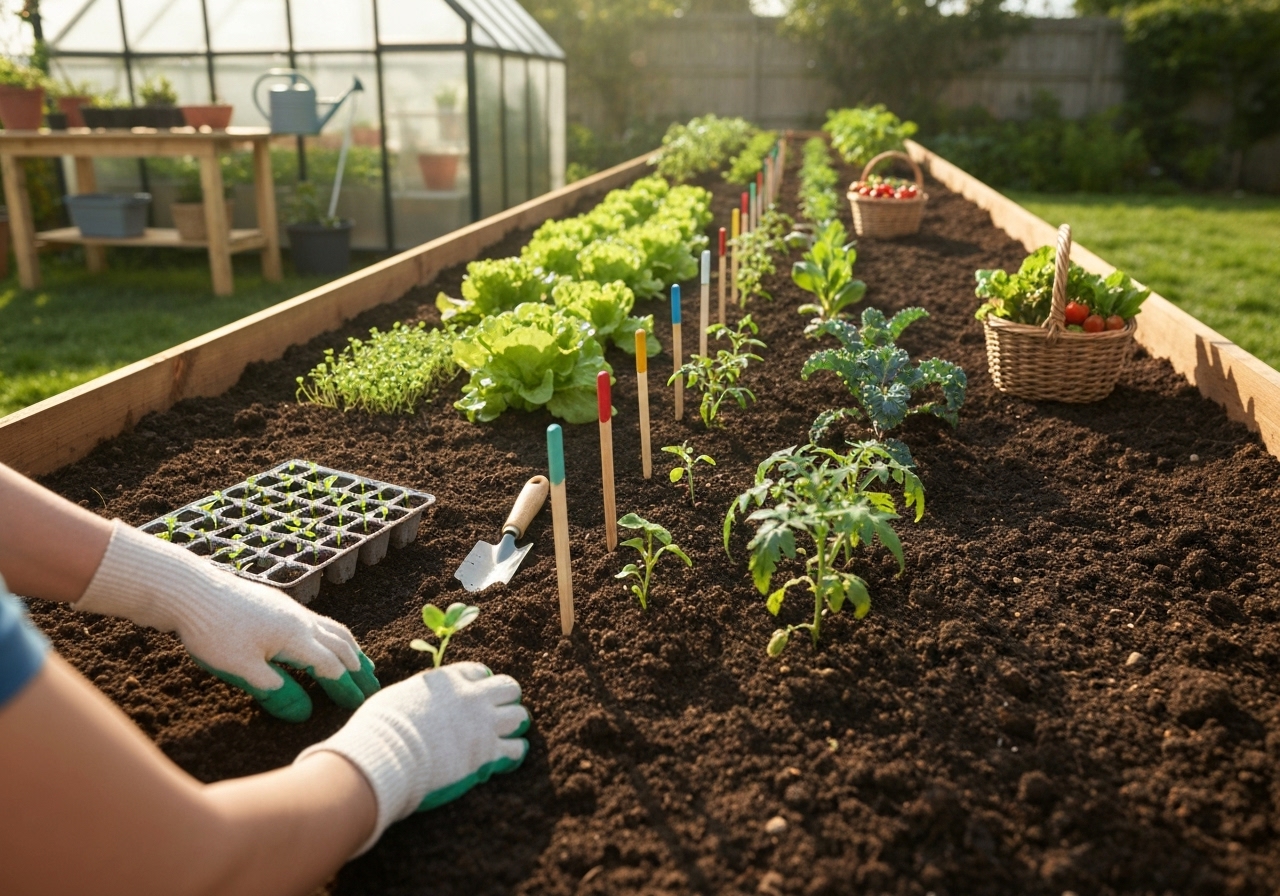
How do I schedule planting and succession for a continuous harvest? Start with a calendar that sets indoor seed start dates, outdoor direct-sow windows, and staggered plantings to extend harvest.
How to create the calendar: use local last-frost and first-frost dates, plant heat-loving crops after frost, and do successive 2- to 3-week plantings for lettuce and greens. Keep an easy spreadsheet or wall calendar indicating seed ages, germination windows, and transplant dates.
How do I start seeds and transplant heirlooms successfully?
How do I start seeds and transplant heirlooms successfully? Start seeds indoors in a sterile mix, provide consistent light and warmth, thin to the healthiest seedlings, and harden off before transplanting.
How do I source and test seed viability?
How do I source and test seed viability? Source seeds from reputable heirloom seed banks and test germination by placing 10 seeds on a damp paper towel for 7 days and counting sprouts.
How to interpret results: accept germination rates above 70% for reliable planting; adjust sowing density upward if viability is lower. Prioritize regionally-adapted seed and certified organic seed houses for cleaner stock (Seed Savers Exchange, local seed networks).
How should I prepare a seed-starting station?
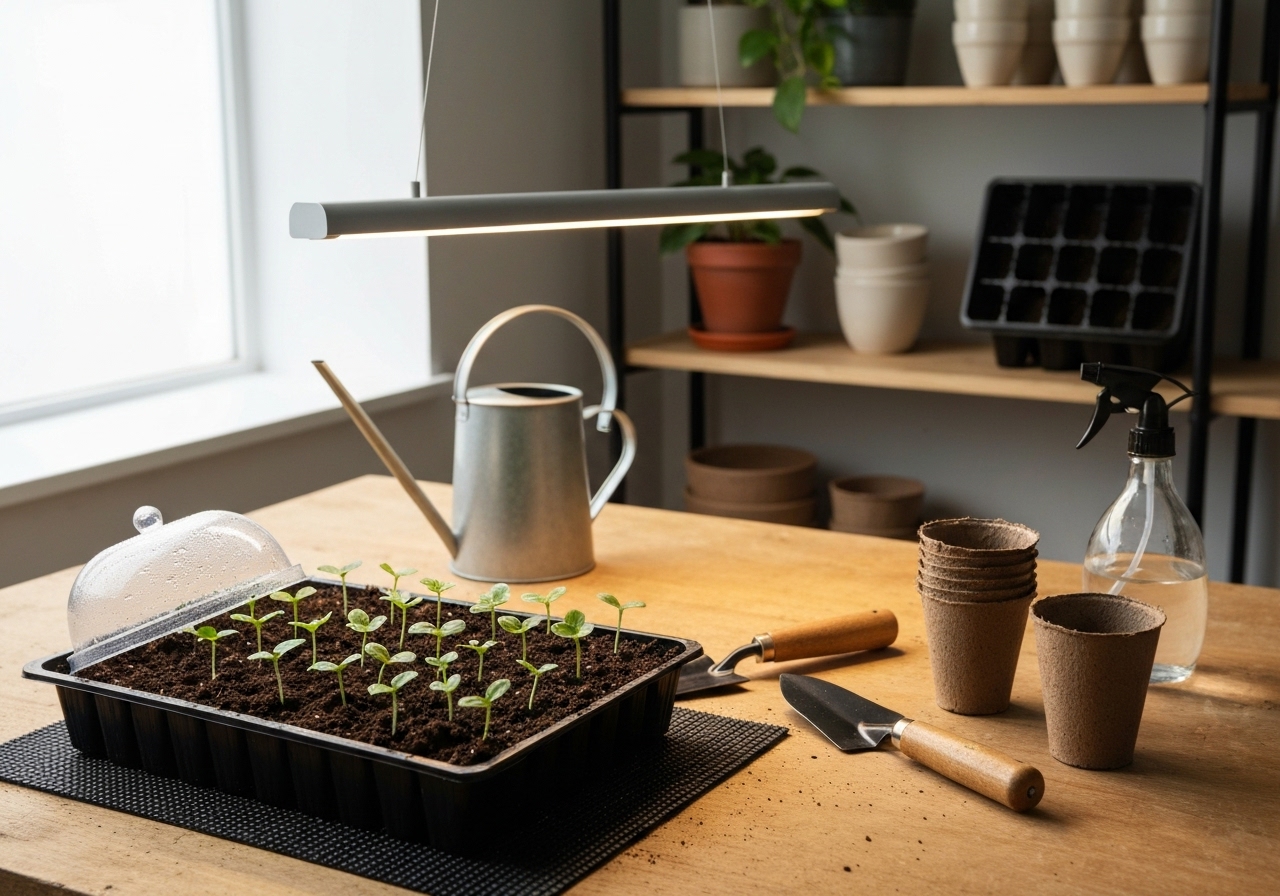
How should I prepare a seed-starting station? Prepare a bright, warm area with a clean seed-starting mix, labeled trays, bottom heat if needed, and full-spectrum lights for 14 to 16 hours per day.
How to sow by crop: sow small seeds shallowly; sow larger seeds deeper per packet directions. Keep soil moisture even; avoid overwatering. Use a fan to strengthen stems and prevent damping-off (university extension recommendations).
How do I harden off and transplant without shock?
How do I harden off and transplant without shock? Harden off seedlings for 7 to 10 days by gradually increasing outdoor exposure, then plant on an overcast day or late afternoon with generous water.
How to plant: firm soil around roots, avoid deep planting if not a tomato, and mulch to conserve moisture. Space according to heirloom vigor—many heirlooms are larger and need more spacing than modern hybrids.
How do I build and manage soil for heirloom vegetables?
How do I build and manage soil for heirloom vegetables? Test soil, add organic matter, use cover crops, and foster soil biology to support nutrient cycling and structure.
How do I test soil and interpret results?
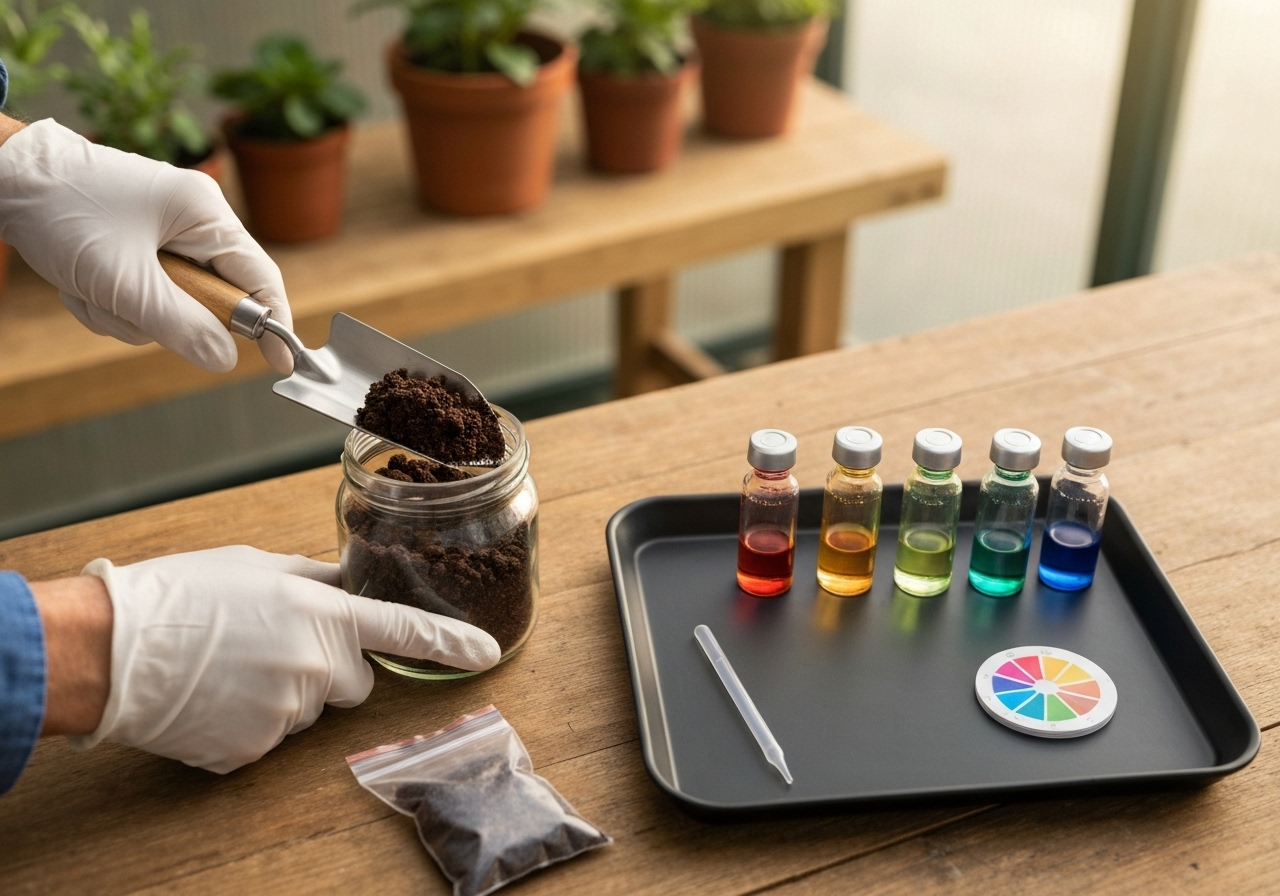
How do I test soil and interpret results? Test pH, organic matter, and nutrient levels using a lab or extension service; match lime and fertilizer amendments to results.
How to act on results: raise pH with lime if below recommended ranges for the crop; add sulfur if pH is too high. Add compost for structure and slow-release fertility (university extension guidelines).
How do I use compost, cover crops, and green manures?
How do I use compost, cover crops, and green manures? Incorporate 2 to 4 inches of mature compost annually and grow winter or summer cover crops to capture nutrients and build organic matter.
How to choose covers: use legumes to fix nitrogen, brassica covers for biofumigation, and grasses to add bulk organic matter. Terminate covers at the right stage to maximize biomass and minimize seed set (Rodale Institute, SARE).
How do I introduce beneficial microbes and consortia?
How do I introduce beneficial microbes and consortia? Use compost teas, well-made compost, and microbial inoculants targeted for roots to accelerate soil biology and nutrient availability.
How to design microbial strategies: combine organic matter inputs with targeted inoculants and crop diversity to build a resilient microbiome. For tactical approaches to on-farm microbial design that benefit heirloom production, see practical frameworks like designing microbial consortia.
What irrigation and water management practices work best?
What irrigation and water management practices work best? Use drip irrigation and mulch to deliver water precisely, reduce foliar disease, and conserve water.
How do I size and schedule drip irrigation?
How do I size and schedule drip irrigation? Size emitters to supply .5 to 1.5 gallons per hour per plant depending on crop and soil; schedule early-morning watering based on soil moisture and growth stage.
How to calculate needs: monitor soil moisture with a probe or simply by finger test; reduce frequency and increase duration to encourage deeper roots. Micro-irrigation systems can save 30% to 60% of water compared with overhead watering (irrigation studies).
How can low-input micro-irrigation help small plots?
How can low-input micro-irrigation help small plots? Use low-pressure drip, gravity-fed lines, and simple timers to support efficient production on small plots and urban sites.
How to implement for beginners: use inline drip tape or soaker hoses and pair with mulch. For practical micro-irrigation models and case studies suitable for smallholder and urban plots, review regenerative micro-irrigation resources.
How do I manage pests and diseases organically?
How do I manage pests and diseases organically? Manage pests with prevention: healthy soil, rotation, sanitation, habitat for predators, and targeted organic treatments when thresholds are reached.
How do I use cultural and mechanical controls?
How do I use cultural and mechanical controls? Use crop rotation, physical barriers, handpicking, and timely pruning to reduce pest pressure and disease spread.
How to apply controls: remove infected plant material, rotate away from problem crops for 2-3 years if possible, and interplant flowers to attract beneficial insects. Netting and row covers work for brassicas and cucurbits early in the season (extension IPM guidelines).
How do I incorporate biological controls and companion plants?
How do I incorporate biological controls and companion plants? Plant pollinator and beneficial insect habitat—flowers like alyssum, calendula, and buckwheat—and consider releases or enhancements of predators like ladybeetles when appropriate.
How to combine tactics: integrate trap crops to concentrate pests and use targeted organic sprays (spinosad, Bt) only when monitoring indicates thresholds have been exceeded (IPM protocols).
When and how do I harvest, store, and prepare heirloom vegetables?
When and how do I harvest, store, and prepare heirloom vegetables? Harvest at peak maturity for flavor, cool quickly, store in appropriate conditions, and preserve surplus by freezing, canning, fermenting, or drying.
How do I tell when specific crops are ripe?
How do I tell when specific crops are ripe? Use visual cues and sampling: tomatoes should be fully colored and slightly soft; beans should snap; beets should reach target diameter; greens at desired leaf size.
How to maximize flavor: harvest in the cool parts of day and taste-test a few specimens to set a standard for your patch. Record dates in your calendar for future reference.
How should I store different heirloom vegetables?
How should I store different heirloom vegetables? Store leafy greens refrigerated at 32 to 40F with high humidity; root crops in cool, dark, moist storage; dry beans and seeds fully cured in low-humidity conditions.
How to extend storage life: cure winter squash on a warm dry bench for 10 to 14 days before long-term storage; blanch and freeze surplus greens for winter meals (USDA postharvest guides).
How do I save seed from common heirlooms?
How do I save seed from common heirlooms? Save seed by harvesting mature seed pods or fruit, cleaning and drying seed thoroughly, and storing in cool, dry, dark conditions.
How to save by crop type:
- Tomato: ferment pulp for 2 to 4 days, rinse, dry on a card, and store (open-pollinated only).
- Beans and peas: let pods dry on the plant, shell, and dry seeds to stable moisture (5-8%).
- Peppers: dry or ferment seeds removed from ripe fruit and store in airtight containers.
- Cucurbits (squash, cucumbers): fully mature fruit, scrape seeds, ferment to remove pulp, dry and store.
- Brassicas: save seed from isolated plants or use timing to prevent cross with other varieties; some crops require isolation distances or hand-pollination.
What are common beginner mistakes and how do I avoid them?
What are common beginner mistakes and how do I avoid them? Avoid overplanting, neglecting soil health, insufficient succession planning, and failing to observe microclimates; instead scale slowly and learn by season.
What specific fixes work: plant fewer varieties the first year; keep detailed notes; prioritize soil-building over fertilizing with soluble salts; and inspect crops weekly to catch pests early.
How do I scale from backyard production to selling heirloom produce?
How do I scale from backyard production to selling heirloom produce? Scale by producing reliable volumes of key crops, documenting yields and timing, complying with local food safety rules, and finding local outlets like farmers markets and restaurants.
How to start small: begin with 50 to 100 plants of a top-selling tomato or 100 feet of salad mix; test demand; and build relationships with chefs interested in unique heirloom flavors (local markets and CSA models).
What resources should beginners consult?
What resources should beginners consult? Consult seed exchanges, university extension publications, regional seed trials, and practical on-farm guides on microclimates, rotations, and soil biology.
What specific organizations help: Seed Savers Exchange for heirloom access; SARE and university extension for production guides; Rodale Institute for organic systems research. For specialized on-farm resources in crop mapping, rotations, and microbial strategies, see the microclimate and rotation resources linked above and consult practical microbial guides to support soil health.
How do I keep practical records and iterate each season?
How do I keep practical records and iterate each season? Keep a one-page season log: planting dates, varieties, seed lot, germination rates, pests observed, harvest dates, yields per bed, and storage outcome.
How to use records: compare year-to-year performance; adapt planting dates and variety choices based on observed microclimate performance; and experiment with one change per season to measure impact.
What is a simple first-year action checklist for beginners?
What is a simple first-year action checklist for beginners? Follow a concise checklist: test soil, choose 6 to 12 heirlooms, start core seeds indoors, map microclimates, set up drip irrigation and mulch, implement rotation, and plan for seed-saving crops.
What order to act in: 1) test soil and amend, 2) choose and order seeds, 3) build seed-starting station, 4) prepare beds and install irrigation, 5) plant and monitor, 6) harvest and save seed. Record and repeat with incremental improvements.
What this guide offers is a practical, repeatable framework: pick varieties that match your food needs and climate, build soil and microbes, manage water and pests with low-input methods, harvest for flavor, and save seed to close the loop. Use the linked resources for deeper dives into microclimate mapping, rotation planning, and on-farm microbiome design. Start small, keep records, and grow heirlooms that feed your table and preserve agricultural heritage.
Unusual Drought-Hardy Crops for Hot, Arid Drylands
This article describes practical, unusual drought-hardy crops suited to hot, arid drylands and provides actionable planting, soil, and market guidance for smallholders, regenerative farmers, and dryland gardeners. The focus is on lesser-known species and strategies that maximize yield with minimal water, preserve soil health, and open niche market opportunities.
What are the most unusual drought-hardy crops for hot, arid drylands?
What are the most unusual drought-hardy crops: tepary bean, fonio, bambara groundnut, moringa, prickly pear (Opuntia), agave, jojoba, guar, and certain millets are exceptional options for hot, arid drylands.
What is the tepary bean and why is it drought-hardy?
What is the tepary bean: Tepary bean (Phaseolus acutifolius) is a native North American pulse with extreme drought tolerance and efficient water use.
What is the tepary bean useful for: Tepary bean produces protein-rich seed (20-25% protein) under rainfall as low as 150-300 mm per year and matures quickly in 60-90 days (USDA Plant Database; ICARDA trials).
What is the tepary bean cultivation advice: Plant tepary bean from local landraces; use direct sowing after soils warm; space 20-40 cm between plants; avoid heavy nitrogen because legumes fix N; harvest when pods dry. Seed inoculation with rhizobia improves nodulation and yield (Journal of Arid Environments).
What is fonio and why is it suited to drylands?
What is fonio: Fonio (Digitaria exilis and Digitaria iburua) is a small-grain cereal from West Africa that matures in 6-8 weeks and tolerates poor, shallow soils and low rainfall (FAO reports).
What is fonio cultivation guidance: Sow fonio in light, well-drained soils; broadcast seeding works; it competes poorly with weeds so weed control in the first 3 weeks is critical. Use fonio in rotation to harvest a quick grain and break pest cycles.
What is bambara groundnut and why is it recommended?
What is bambara groundnut: Bambara groundnut (Vigna subterranea) is a legume with underground pods, adapted to tropical drylands and low-fertility soils; it yields under 300-500 mm annual rainfall (ICRISAT/CIAT trials).
What is bambara groundnut benefits and practices: Plant bambara on ridges or flat ground; inoculate with appropriate Bradyrhizobium strains; intercrop with cereals; harvest pods after foliage senescence. Processing adds value—soaking and roasting reduce anti-nutrients.
What is moringa and how does it handle drought?
What is moringa: Moringa (Moringa oleifera) is a fast-growing multipurpose tree whose leaves, pods, and seed oil tolerate prolonged dry periods once established.
What is moringa management: Plant moringa in well-drained soils; prune for bushy growth to harvest leaves; irrigate young trees for first 1-2 seasons then rely on rainfall. Moringa leaves provide high nutrition (vitamin A, iron) and a steady market for fresh or dried leaf powder (Frontiers in Plant Science 202).
What is prickly pear (Opuntia) and why is it ideal for arid farms?
What is prickly pear: Prickly pear cacti (Opuntia spp.) are CAM plants that thrive on minimal water, stabilize eroding slopes, provide fruit and fodder, and reclaim degraded soils.
What is prickly pear best practice: Plant pads or cladodes during warm season; control pests such as cochineal with integrated measures; harvest fruits and pads for local markets or process into preserves. Opuntia is highly salt- and heat-tolerant and supplies water-rich biomass for livestock in drought years (FAO technical documents).
What is agave and how can it be used?
What is agave: Agave species are succulent perennials with deep storage tissues that succeed in hot, rocky soils and are used for fiber, sweeteners (agave syrup), distilled products, and erosion control.
What is agave cultivation tips: Plant agave on slopes or dry terraces; space 1-3 m apart depending on species; allow long rotations (5-10 years) for biomass accumulation. Use agave in agroforestry hedgerows to reduce runoff and as a low-input cash crop for specialty markets.
What is jojoba and where does it fit in dryland farming?
What is jojoba: Jojoba (Simmondsia chinensis) is a shrub producing liquid wax esters in seeds suitable for cosmetics and industrial uses; it tolerates temperatures above 40C and minimal rainfall.
What is jojoba production guidance: Use jojoba in commercial plantings with 2-4 m spacing; plant from cuttings or seedlings; invest in long-term management and pollinator habitat to ensure yield; harvest after 3-4 years for economic returns.
What millets and drought grains are best for drylands?
What millets and drought grains: Pearl millet, proso millet, foxtail millet, little millet, and finger millet excel under water-limited conditions and heat stress and provide staple grains or forage.
What is millet management: Choose adapted varieties and plant at densities that conserve moisture (wide spacing reduces transpiration per area). Use millets in short rotations with legumes to sustain soil N. For carbon-smart grain options and low-input strategies, consider millet-centric systems (see related work on carbon-smart millet).
What is link guidance: For rotational systems and low-input grain farming on drylands, review adaptive rotation resources such as adaptive low-input crop rotation plans that prioritize drought crops and soil health.
Which crops handle saline or alkaline soils in arid zones?
Which crops handle saline or alkaline soils: Quinoa, certain landrace barley, Atriplex (saltbush), and microbial-assisted millet or bean plantings can tolerate moderate salinity.
What is quinoa’s role in saline, dry soils?
What is quinoa: Quinoa (Chenopodium quinoa) shows remarkable tolerance to salinity and drought when using adapted ecotypes from Andean highlands; it offers high-protein grain for arid fields.
What is quinoa cultivation advice: Plant quinoa in well-drained soils; manage salinity using surface mulch and salt-tolerant rotations; select varieties with proven field performance. Research by FAO and several universities indicates quinoa yields depend on genotype and salinity levels (FAO case studies).
What are microbial approaches to reclaim saline fields?
What are microbial approaches: Microbial seed coatings and soil consortia with halotolerant strains enhance seedling establishment and nutrient uptake in saline, drought-prone fields.
What is implementation: Use targeted inoculants for legumes and cereals; combine with organic matter additions and regenerative micro-irrigation to improve plant stands. For practical guidance on applying microbial coatings at scale, see research on microbial seed coatings for saline soils.
How should small farmers integrate drought-hardy crops into rotations and systems?
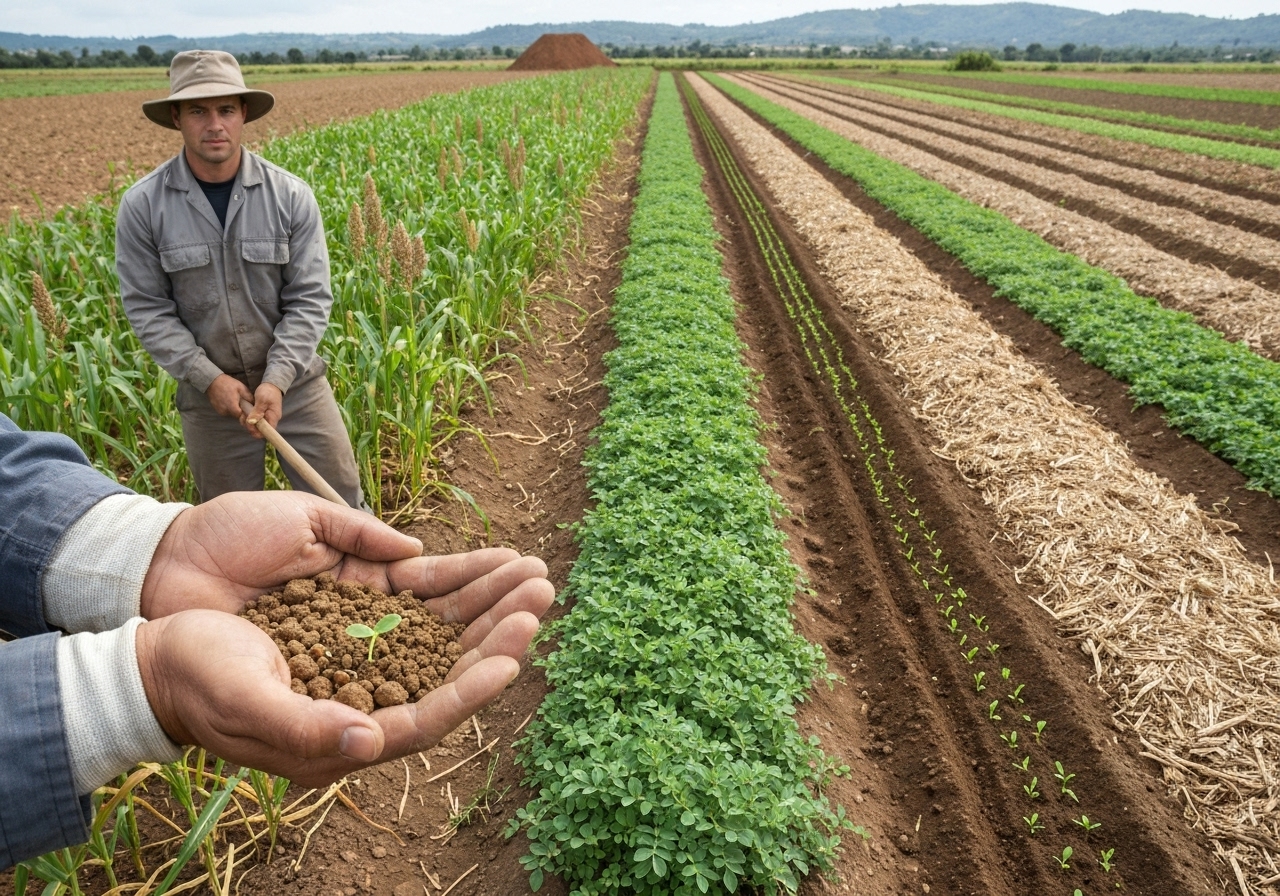
How should small farmers integrate drought-hardy crops: Integrate drought-hardy crops in adaptive rotations, intercropping, agroforestry belts, and microclimate zones to reduce risk and build soil resilience.
What rotation and polyculture designs work with these crops?
What rotation designs: Rotate fast-maturing drought grains (fonio, proso millet) with deep-rooted legumes (tepary, bambara) and perennial shrubs (moringa, prickly pear) to balance nutrient cycling and ground cover.
What is polyculture practice: Intercrop cereals with legumes on the same bed to improve N and reduce evapotranspiration; place succulents and trees on boundaries to create windbreaks and microclimates. Use adaptive planning resources such as microclimate crop mapping to place each crop in the most suitable micro-site.
What water-conserving field practices increase success?
What water-conserving practices: Apply mulch, reduced tillage, contour planting, zai pits, and micro-catchments to concentrate scarce rainfall and reduce evaporation.
What is micro-irrigation integration: Use drip or subsurface micro-irrigation for high-value drought crops and establish distribution schedules that prioritize establishment and reproductive stages. For urban and smallholder systems, see techniques in regenerative micro-irrigation guides (Regenerative Micro-Irrigation for Urban Smallholder Farms).
Which crop management tactics reduce water needs and improve yields?
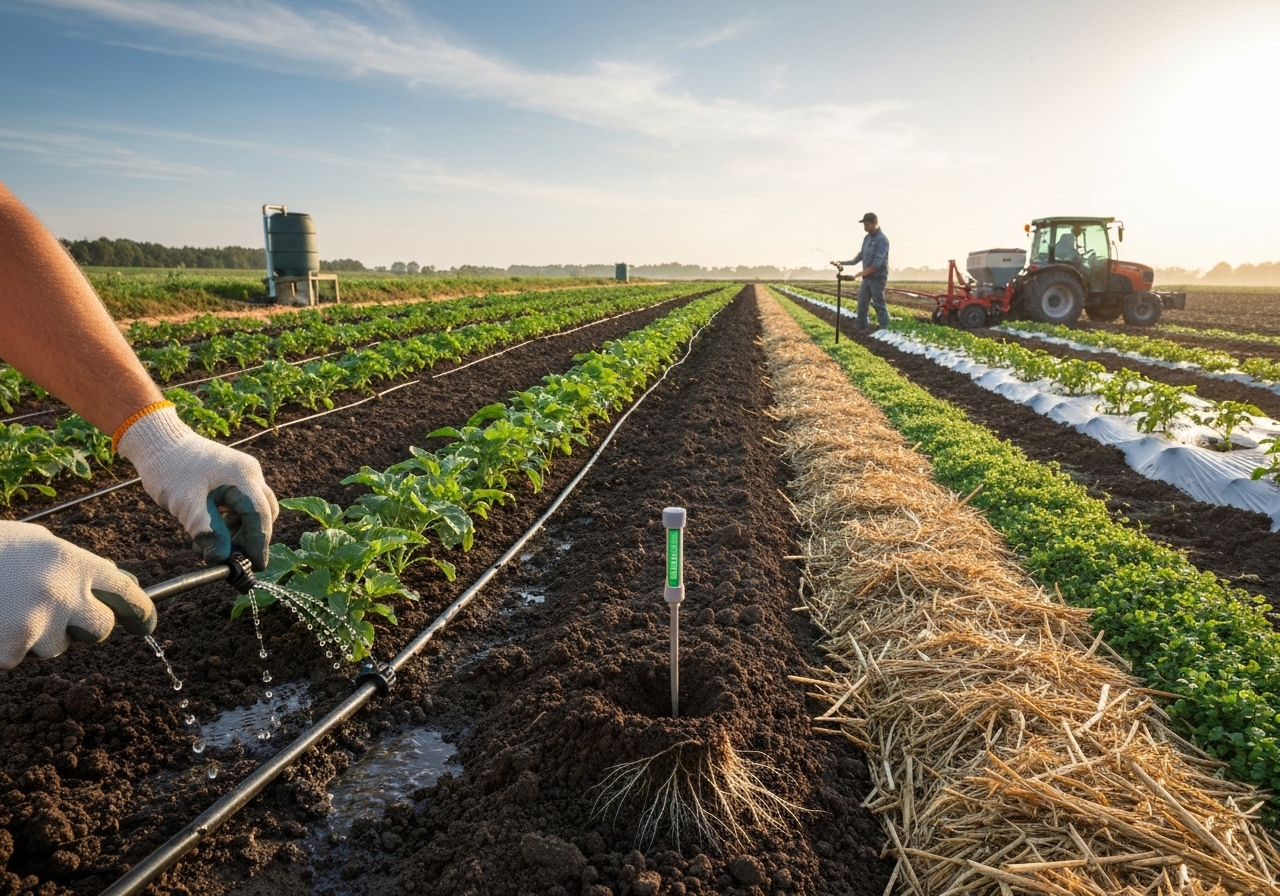
Which crop management tactics reduce water needs: Seed priming, mulching, soil organic matter building, timely planting to match rainy windows, and cultivar selection reduce water demand and stabilize yields.
What is seed priming and how does it help?
What is seed priming: Seed priming (hydropriming, osmopriming) improves germination speed and uniformity so seedlings establish faster and use less water during early growth (plant physiology studies).
What is practical seed priming: Soak seeds briefly in water or a mild osmotic solution, dry back to original moisture, and sow immediately. Combine priming with microbial coatings when possible to boost establishment under stress (recent trials reported in Frontiers in Plant Science).
What soil amendments and microbial solutions boost drought resilience?
What soil amendments: Add compost, biochar, and mulches to increase water retention and aggregate stability; build soil organic matter progressively to improve water holding capacity.
What microbial solutions: Employ mycorrhizal fungi and drought-tolerant bacteria to extend root water access and improve nutrient uptake. Design site-specific consortia for field-scale application as described in work on designing on-farm microbial consortia to enrich soil microbial consortia.
How do markets and value chains affect decisions to grow unusual drought crops?
How do markets and value chains affect decisions: Market demand, processing options, and local food preferences determine profitability and adoption of unusual drought crops.
What are value-added opportunities for these crops?
What are value-added opportunities: Process grains into flours, pulses into snacks and roasted products, press moringa seed for oil, or craft prickly pear jams to capture higher margins and extend shelf life.
What is marketing advice: Target ethnic, health-food, and specialty markets for products like fonio, tepary bean, and moringa powder. Partner with local restaurants and chefs to develop demand; region-specific examples show success when producers connect to culinary tourism and specialty food outlets (case studies from Morocco demonstrate farm-to-table linkages).
What are common pests, diseases, and risk management strategies for drought crops?
What are common pests: Under drought stress, insect pests (pod borers, aphids) and opportunistic pathogens can increase; succulents face specific pests such as cochineal on Opuntia.
What integrated pest strategies reduce risk?

What integrated pest strategies: Use crop diversity, trap crops, biological controls, targeted sanitation, and tolerant varieties. Create pollinator and predator habitat to support natural pest suppression and use pheromone traps or row covers during high-risk windows.
Where can farmers source seed and germplasm for unusual drought crops?
Where can farmers source seed: Obtain seed from national gene banks, farmer cooperatives, conservation seed networks, and specialized nurseries offering landrace varieties adapted to arid conditions.
What seed-saving and local adaptation practices are recommended?
What seed-saving practices: Save seed from best-performing plants each season; maintain roguing to remove off-types; record planting locations and microclimate performance. Use participatory varietal selection to accelerate local adaptation and preserve genetic diversity.
How do policy, incentives, and carbon markets influence dryland crop choices?
How do policy and incentives influence choices: Subsidies, payments for ecosystem services, and emerging soil carbon credit schemes can tilt economics toward perennial or low-input drought crops that sequester carbon and reduce erosion.
What finance pathways exist for small farms shifting to drought crops?
What finance pathways: Explore regenerative agriculture grants, payments for ecosystem services, and carbon credit programs that reward soil-building practices. Innovative models show small farms can monetize carbon and co-benefits; consider resources on soil carbon credits for small farms to understand mechanics and eligibility.
Which crops are best for livestock feed and fodder in drought years?
Which crops are best for livestock feed: Prickly pear pads, sorghum-sudangrass hybrids, millet stover, and moringa leaves provide nutritive emergency feed during drought.
What management for fodder crops during drought?
What fodder management: Chop and conserve succulents and leaves early in drought to prevent nutritional decline; mix succulents with dry forages to balance moisture and nutrients. Use rotational fodder harvest to avoid overgrazing and to maintain plant cover.
What next steps should farmers take to trial these crops on their land?
What next steps: Run small, replicated on-farm trials across microclimates, document germination and yield, and track input costs to calculate profitability before scaling up.
What trial design is most effective for small farms?
What trial design: Compare 3-5 varieties per crop in randomized strips across at least two micro-sites; plant known checks (local staple) and record rainfall, soil type, and establishment rates. Use microclimate mapping and zoning to choose trial locations (see microclimate mapping resources for guidance).
Additional resources and recommended reading
Additional resources: Consult FAO crop profiles for technical data, regional research centers (ICARDA, ICRISAT), and peer-reviewed literature in the Journal of Arid Environments and Frontiers in Plant Science for trials and genotype performance. Explore practical guides on micro-irrigation, microbial consortia, and diversified farm calendars to link crop choice to your site’s microclimates and market plans.
Adopt drought-hardy crops strategically and test small before scaling. Combine rapid-cycle grains, deep-rooted legumes, succulents, and multipurpose perennials with soil-building practices and targeted markets to create resilient, profitable systems for hot, arid drylands.
Step-by-Step Field-by-Field Water Conservation Roadmap
Step-by-Step Field-by-Field Water Conservation Roadmap
This guide provides a detailed, field-by-field water conservation roadmap for farms, laying out assessment, design, soil and plant strategies, technology choices, scheduling, financing and long-term maintenance.
What is a field-by-field water conservation roadmap?
What is a field-by-field water conservation roadmap? A field-by-field roadmap is an ordered plan that treats each field as a unique management unit, aligning water supply, soil capacity, crop needs and infrastructure to minimize applied water while protecting yields.
What is a field-by-field roadmap meant to do? The roadmap guides measurements, improvements and technologies to reduce irrigation volumes, increase water productivity and build soil water-holding capacity at the field scale.
Why should you implement water conservation on each field?
Why should you implement water conservation on each field? Implementing conservation field-by-field increases water use efficiency, lowers pumping and energy costs, reduces nutrient runoff and increases climate resilience according to FAO and USDA recommendations.
Why prioritize field-level action? Field-level targeting delivers 1) tailored irrigation amounts, 2) precise technology placement, and 3) measurable returns — typically 15-40 percent reductions in irrigation water with maintained or improved yields in trials (USDA, irrigation efficiency studies).
How do you assess baseline field water needs and assets?
How do you assess baseline field water needs and assets? Start by mapping each field and recording soil type, slope, current irrigation method, water source capacity and historic yields.
How do you map soils and topography? Use soil surveys, a simple auger profile or portable penetrometer, and a digital elevation model from a drone or GPS to mark low spots, ridges and runoff paths.
How do you measure infiltration and available water?
- Perform 3 to 5 infiltration or double-ring infiltrometer tests per field to gauge infiltration rates.
- Collect soil cores to 30 cm and laboratory-analyze texture and bulk density to calculate available water-holding capacity (AWHC).
- Install at least one soil moisture sensor (capacitance or TDR) per 2–5 hectares to correlate sensor readouts with field observations.
How do you audit irrigation infrastructure? Inspect pumps, meters and delivery pipes for leaks, assess emitter uniformity, and log system pressure and flow for a minimum of one irrigation event per field.
What irrigation technologies reduce water use field-by-field?
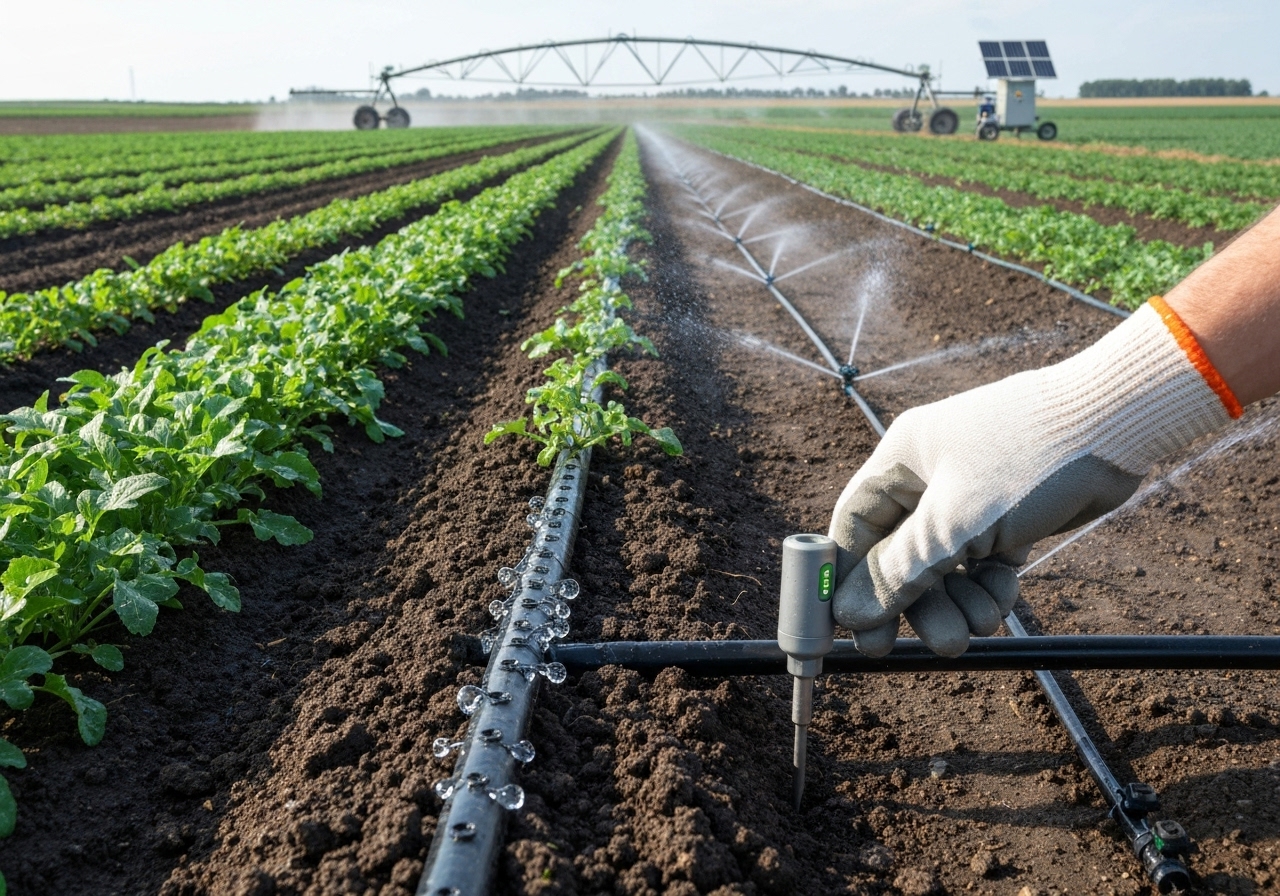
What irrigation technologies reduce water use field-by-field? Use micro-irrigation systems, soil moisture sensors, automated valves, and pressure-compensated delivery to target water exactly where and when needed.
Drip and subsurface drip irrigation
Drip systems place water at the root zone and cut evaporation losses; subsurface drip further reduces surface evaporation and improves uniformity for orchards and high-value row crops.
Micro-sprinklers and low-angle sprinklers
Micro-sprinklers suit tree crops and high-density plantings where emitter clogging risk is low and canopy microclimate control is valuable.
Sensor and automation integration

Sensor integration uses real-time soil moisture and weather data to start and stop irrigation events, reducing unnecessary applications and enabling regulated deficit irrigation strategies.
Implement regenerative micro-irrigation techniques for precise delivery that fit multiple farm scales by adapting emitters, filtration and pressure control to each field’s need. For design examples see regenerative micro-irrigation techniques.
How do you design field layout and microclimate zoning for water savings?
How do you design field layout and microclimate zoning for water savings? Divide the farm into water management zones based on topography, soil texture and crop microclimates to prioritize irrigation intensity and timing.
How do you use microclimate maps? Use microclimate mapping to place water-intensive crops in fields with higher AWHC and cooler exposures and move dryland or drought-tolerant crops to shallow soils or hot exposures.
How do you integrate crop maps with rotation and schedules? Align crop maps with rotation plans and planting windows so irrigation demand curves do not peak simultaneously across adjacent fields. See crop mapping and microclimate planning examples at crop mapping by microclimates.
How do you build soil to hold more water?
How do you build soil to hold more water? Increase soil organic matter, soil structure and biological activity through cover crops, compost additions, reduced tillage and targeted microbial amendments.
How do cover crops improve water retention? Cover crops increase porosity, reduce crusting and add organic residues that raise AWHC by 10 to 30 percent over several seasons in many trials (regional research reports).
How do compost and mulches help? Apply 5–30 tons per hectare of compost over time and use surface mulches to reduce evaporation and moderate soil temperature, raising effective plant-available water.
How do soil microbes affect water dynamics? Promote specific microbial communities that enhance aggregation and root-microbe interactions. For methods to design on-farm microbial solutions see microbial consortia to enrich soil.
What are the field-by-field steps to implement irrigation scheduling?
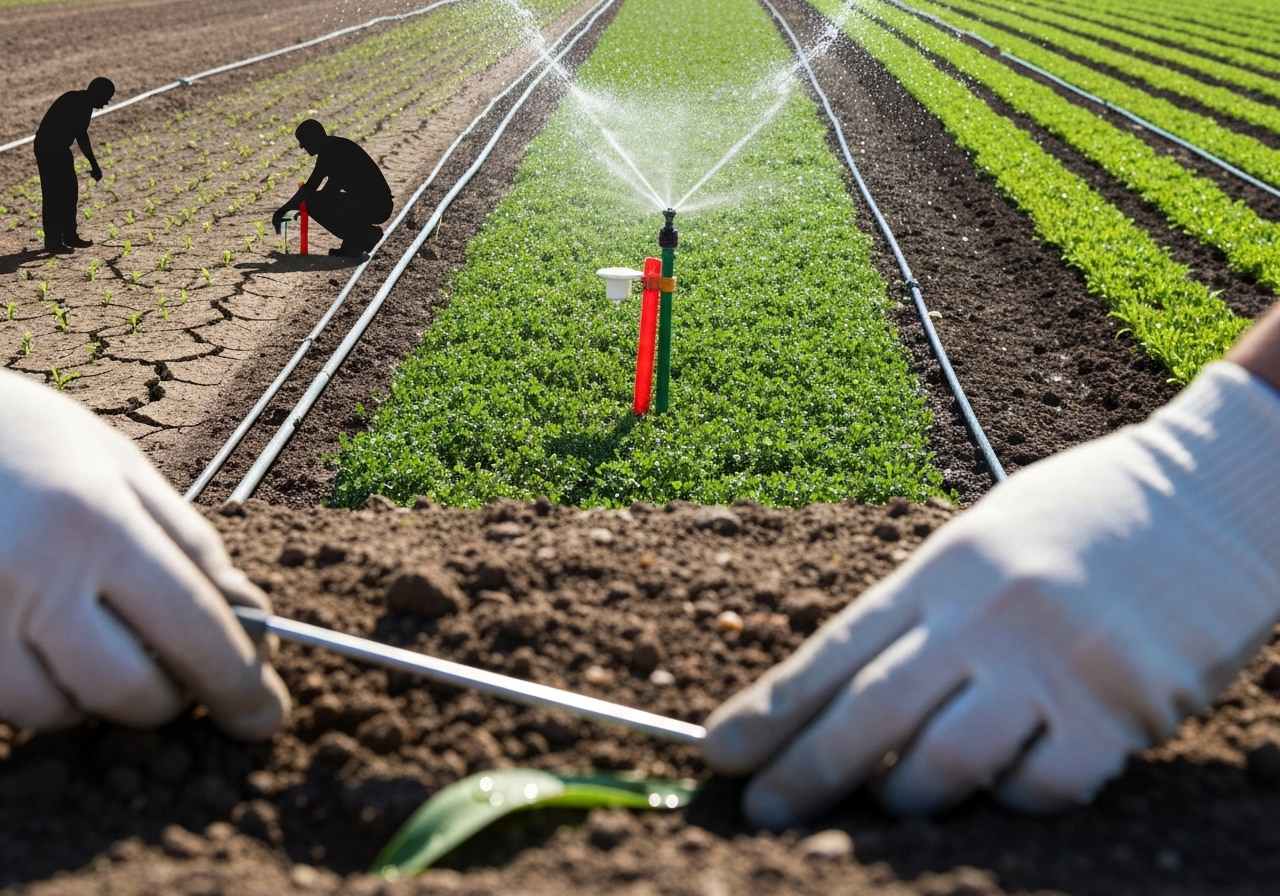
What are the field-by-field steps to implement irrigation scheduling? Step 1: Calculate crop water requirements using ET and crop coefficients for each field and crop stage.
What is Step 2? Install soil moisture sensors at representative locations and depths and develop a depletion threshold (for example 50–70 percent of available water) to trigger irrigation.
What is Step 3? Use weather-based ET models supplemented with local weather stations to adjust irrigation events in response to real-time conditions.
What is Step 4? Record each irrigation event, water volume applied and yield outcomes to refine coefficients and depletion thresholds every season.
How do you apply deficit and precision irrigation strategies?
How do you apply deficit and precision irrigation strategies? Use regulated deficit irrigation on tolerant growth stages to reduce water without sacrificing final yield or quality in many crops.
How do you zone for precision irrigation? Combine pressure-regulated manifolds and multiple zones per field to vary runtime by soil type and plant vigor, reducing average application depth across a field.
What field-level conservation practices combine with irrigation to save water?
What field-level conservation practices combine with irrigation to save water? Implement mulches, contour farming, cover crop strips, windbreaks, hedgerows and managed fallows to reduce evaporation, erosion and runoff.
- Apply 5–10 cm of organic mulch where feasible to cut surface evaporation by 30–60 percent.
- Use contour planting and terraces on slopes to slow runoff and increase infiltration.
- Establish vegetative buffer strips to capture runoff and recycle nutrients.
What about crop choice and rotation? Choose drought-tolerant varieties and stagger crop water demands across the farm through adaptive crop rotations to even out seasonal irrigation peaks. See adaptive rotation planning for low-input farms at adaptive crop rotation plans.
How should you harvest, store and reuse rainwater and runoff on each field?
How should you harvest, store and reuse rainwater and runoff on each field? Locate small on-farm storage ponds or tanks downslope of fields to capture runoff for later irrigation, and size systems based on seasonal rainfall and crop demand.
How do you calculate a storage size? Estimate seasonal demand per field, subtract expected rainfall, and design storage to hold the difference for dry weeks plus a safety margin of 10–20 percent.
How do you divert and filter runoff? Use silt traps and vegetative settling basins to reduce sediment and maintain water quality for reuse through drip filtration systems.
How do you finance field-level water conservation and measure ROI?
How do you finance field-level water conservation and measure ROI? Combine grants, low-interest loans, on-farm savings from reduced pumping and energy, and potential revenue streams such as ecosystem service payments to fund upgrades.
How do you calculate simple payback? Divide installation cost for a field system by annual savings in pumping, water purchases and labor. Typical paybacks for drip retrofits range from 3 to 8 years depending on energy costs and crop value (regional extension data).
How do you track performance? Use monthly metrics: liters applied per kilogram yield, energy used per cubic meter, and percent of fields meeting target moisture thresholds. Report these metrics to lenders or grant agencies to qualify for additional support.
How do you operate and maintain field systems long term?
How do you operate and maintain field systems long term? Implement a maintenance schedule for filtration cleaning, pressure checks, emitter flushing and sensor calibration, and keep a logbook per field with dates and results.
How often conduct maintenance? Inspect filters weekly during season, flush lines monthly, and calibrate sensors at the start and midpoint of each growing season.
How to train staff? Train at least two operators per farm on system basics, emergency shut-off procedures and simple diagnostics to avoid downtime during critical irrigation windows.
What common pitfalls should farmers avoid?
What common pitfalls should farmers avoid? Avoid mismatching emitter spacing with root zones, under-sizing pumps for future scaling, and skipping filtration which leads to frequent clogging.
What are data pitfalls? Avoid relying on a single sensor point to represent an entire field; place multiple sensors across soil and topographic variability to prevent under- or over-irrigation.
How do you scale successful field pilots across the farm?
How do you scale successful field pilots across the farm? Pilot the roadmap on 1–3 fields with different soils and crops, document water use and yield changes for a full season, then scale in phases based on cost-effectiveness.
How to standardize protocols? Create an irrigation protocol checklist and a field map that specifies emitter types, pressure settings and sensor depletion thresholds for each field category to ease replication.
Which metrics prove success for field-by-field water conservation?
Which metrics prove success for field-by-field water conservation? Use 1) cubic meters of water applied per hectare, 2) water productivity (kg yield per m3), 3) energy cost per m3, and 4) percent of fields within target moisture bands as primary KPIs.
Which target reductions are realistic? Aim for 15–30 percent water reduction in year one for retrofits and 25–40 percent over three years with soil and crop changes, per regional trials and extension research.
Where can farmers find technical resources and training?
Where can farmers find technical resources and training? Seek local extension services, NGO programs, irrigation associations and private consultants for system design, sensor calibration and grant applications.
Where to integrate new research? Integrate advances in AI-enabled sensors and remote sensing for field monitoring as they become affordable; examples of sensor-guided approaches are available from technology demonstrations and university extension bulletins.
How does this roadmap support climate resilience and farm profitability?
How does this roadmap support climate resilience and farm profitability? By reducing water use per unit yield and increasing soil water buffers, the roadmap increases drought resilience, stabilizes yields and lowers variable costs, improving profitability and risk management.
How does improved soil health contribute? Improved soil increases infiltration during storms and retains more plant-available water during dry spells, which reduces irrigation demand and crop stress in extreme years.
Which next steps should a farmer take this season?
Which next steps should a farmer take this season? Step 1: Map fields and install at least one soil moisture sensor per representative soil type. Step 2: Run an irrigation system audit and fix obvious leaks. Step 3: Pilot a drip or micro-sprinkler zone and record water and yield data.
Which documentation to keep? Keep a field workbook with baseline maps, infiltration test results, irrigation events, sensor logs and yield outcomes to refine the roadmap annually.
What related practices improve the roadmap outcomes?
What related practices improve the roadmap outcomes? Practices that complement water conservation include regenerative grazing adjacent to croplands, polyculture plantings to reduce peak water demands, and agroforestry that shades fields and reduces evaporative loss.
What additional resources are available on farm resilience and new technology integration? Explore posts on microbial seed coatings, AI-guided practices and microclimate farming in the farm innovation series to further improve water use and resilience across small farms.
What internal resources from this site are recommended? Review practical articles on micro-irrigation design, microclimate crop maps and microbial soil enrichment to customize the roadmap for your operation. Useful references: regenerative micro-irrigation techniques, crop mapping by microclimates, and microbial consortia to enrich soil.
How to get started now with minimal cost?
How to get started now with minimal cost? Start by fixing leaks, adjusting timers to avoid daytime evaporation, establishing mulches around young plants, and planting cover crops — low-cost steps with immediate water savings.
How to test low-cost improvements? Use a single trial bed to compare mulch versus no mulch and track irrigation volume and plant stress for four weeks to quantify savings before scaling.
Who should you contact for customized design and funding help?
Who should you contact for customized design and funding help? Contact local extension agents, irrigation equipment suppliers, and agricultural finance programs for on-site assessments and program eligibility checks.
Who writes reports for grants? Prepare concise technical and economic summaries from your pilot data to support grant applications and to demonstrate expected paybacks to lenders or partners.
Additional references and research
Additional references and research include FAO irrigation guidelines, USDA irrigation efficiency studies and peer-reviewed work on soil organic matter impacts on water holding capacity. Cite local extension findings for region-specific numbers when planning.
Cardboard-Lined Worm Beds: Cheap Raised Veg Planters
Cardboard-Lined Worm Beds: Cheap Raised Veg Planters
Cardboard-lined worm beds are low-cost raised vegetable planters that combine sheet-composting with vermiculture to build soil, conserve water, and produce vegetables with minimal inputs. This guide explains what they are, why they work, and how to build, plant, irrigate, maintain, and reuse them at backyard or small-farm scale.
What is a cardboard-lined worm bed?
A cardboard-lined worm bed is a raised planting bed built over cardboard where organic layers and composting worms convert carbon-rich materials into rich, friable planting medium. Cardboard-lined worm beds use cardboard as a biodegradable barrier to suppress weeds, retain moisture, and start decomposition between the native soil and the new organic layers. The cardboard accelerates sheet-composting by creating a moist, aerated layer that favors detritivores and worms while preventing surface weeds from invading the newly established bed.
Why use cardboard-lined worm beds for vegetable production?
Cardboard-lined worm beds lower construction cost, speed soil building, improve water retention, and reduce labor compared with conventional raised beds. Cardboard is usually free, accessible, and breaks down within months to years depending on climate. Introducing compost and epigeic worms (composting worms) stimulates rapid conversion of carbon to humus and integrates organic matter into the rooting zone. Extensions and regenerative-agriculture organizations report that sheet-composting and no-dig systems increase soil organic matter and infiltration while reducing initial soil disturbance.
What benefits do cardboard-lined worm beds provide?
- Cost savings: Cardboard replaces lumber and plastic liners, cutting initial cost to near zero.
- Soil building: Worms process organic layers into worm castings and fine, rootable substrate.
- Weed suppression: Cardboard blocks light and smothers perennial weeds when overlapped properly.
- Moisture retention: Carbon layers and castings increase water-holding capacity.
- Low labor: No heavy digging or hauling of topsoil is required; beds are built on-site.
- Flexibility: Beds can be built on compacted soil, gravel, or even concrete with appropriate drainage.
What are the drawbacks?
- Decomposition time: Fresh cardboard and bulky carbon require weeks to months to fully integrate; nitrogen tie-up can occur if not balanced.
- Pest habitat: Slugs and rodents may use thick organic layers; management is needed.
- Structural stability: Very loose beds may settle quickly; plan for top-up additions.
How do you build a cardboard-lined worm bed?
Follow material selection, site choice, and a layered build process: base prep, cardboard layer, carbon layers, compost/green layers, worms, and a planting surface. Below are step-by-step instructions suitable for a 4 x 8-foot demonstration bed, scalable to any size.
What materials do you need?
Gather cardboard, organic carbon (bark, straw, shredded paper), compost or aged manure, worms, top dressing (seedling mix or finished compost), and simple tools. Estimate materials for a 4 x 8 x 12-inch bed: 1-2 large appliance boxes (flattened) for cardboard, 6-12 bags of straw or 2-3 cubic feet of wood chips, 2-4 cubic feet of finished compost, and optional 1-2 cubic feet of topsoil or potting mix for transplanting. Tools: rake, wheelbarrow, sharp knife, hose or drip line, and gloves.
Where should you site a worm bed?
Select a level, well-drained site with at least 6 hours of sun for most vegetables and access to water. Cardboard-lined worm beds can be placed on turf, compacted soil, gravel, or slab. Avoid areas that flood often or sit under large tree root zones where roots will invade. If installing on concrete or rooftop, provide drainage and light-weight substrate options.
What dimensions work best?
Choose practical widths so you can reach the center: 3 to 4 feet wide is common; length is flexible. A common small-farm dimension is 4 ft x 8 ft with 12 to 18 inches depth of organic layers; urban gardeners may prefer 3 ft x 6 ft beds for balcony access. Depth influences water-holding capacity and root volume; 8-12 inches supports most leafy crops, while deeper beds (18+ inches) are better for root vegetables and tomatillos.
What are the step-by-step building instructions?
Build the bed in 8 clear steps: clear, lay cardboard, wet, add coarse carbon, add compost and green matter, seed/worm, topdress, and mulch.
- Clear: Remove surface debris and mower-height vegetation if needed. Leave shallow grass roots in place to prevent erosion.
- Lay cardboard: Overlap cardboard pieces by at least 6 inches; remove tape, staples, and waxy coatings. Make sure no glossy ink prints remain exposed to plant roots.
- Wet cardboard: Saturate cardboard to start microbial activity and prevent it from blowing away.
- Add coarse carbon: Spread 2-6 inches of straw, coarse wood chips, or shredded yard trimmings to create structure and air pockets.
- Add compost/green matter: Apply 1-3 inches of finished compost or a mix of kitchen scraps and green manure. Mix high-nitrogen materials with carbon to avoid nitrogen tie-up.
- Add worms: Introduce composting worms over the moist layers (see worm stocking rates below).
- Topdress: Put 1-2 inches of finished compost or a planting mix on top if you plant immediately.
- Mulch: Cover with straw or finished mulch to conserve moisture and moderate temperature.
What about drainage and bottom bedding?

Place a coarse drainage layer when installing on impermeable surfaces, and avoid plastic barriers directly under cardboard. For rooftop or concrete beds, start with a 2-inch layer of coarse perlite or gravel and use a breathable fabric underlay to prevent substrate loss while allowing drainage.
What worms should you use in a worm bed?
Use epigeic composting species such as Eisenia fetida (redworms) or Eisenia andrei as the primary decomposers in the organic layer. Redworms thrive in high-organic, shallow systems and produce nutrient-rich castings. If you want deeper soil mixing, add a small population of endogeic species such as Lumbricus terrestris or European nightcrawlers, but note these are less tolerant of hot, shallow compost environments.
What stocking rates should you plan?
Stock 500 to 2,000 redworms per square meter as a conservative starter; scale up after monitoring performance. For a 4 x 8 ft bed (roughly 3. m2), start with 1,500 to 3,000 redworms. A common practice is to introduce .5 to 1.5 pounds (approximately 250 to 750 grams) of worms per square meter and let population growth adjust the biomass. Check local extension resources for climate-specific recommendations.
What can you plant in cardboard-lined worm beds?
Plant any vegetable suited to your climate; leafy greens, brassicas, herbs, shallow-rooted legumes, and transplants perform best in early cycles. Cardboard-lined worm beds provide a rich, moist environment ideal for lettuces, kale, spinach, chard, basil, parsley, scallions, beets, carrots (with deeper organic layers), bush beans, and summer squash. Avoid heavy feeders in first weeks without additional compost or nitrogen supplements.
Rotate crops seasonally and use low-input rotations to maintain soil fertility and control pests. Implement rotations that alternate deep-rooted and shallow-rooted crops and include legumes to fix nitrogen. For rotation templates and timing at small-farm scale, consult adaptive rotation planning resources for low-input systems to integrate these beds into a broader field plan, such as adaptive crop rotation advice.
How do you maintain and feed worms in the bed?
Monitor moisture, feed small amounts of chopped food scraps, provide occasional nitrogen boosts, and avoid toxic or greasy wastes. Maintain bedding moisture around 60 to 80 percent (squeezed-sponge feel). Feed kitchen scraps in thin layers and mix with shredded paper or leaves to balance moisture and carbon. Add finished compost or diluted fish emulsion if plant growth indicates nitrogen shortage. Avoid meat, dairy, oils, and diseased plant material.
How often should you feed and check the bed?
Inspect the bed weekly during warm months and add small feedings every 7 to 14 days depending on consumption. Adjust rates to avoid anaerobic pockets. In high heat, shade the bed and reduce feeding to prevent overheating and mortality.
How do cardboard-lined beds affect soil biology and nutrients?
Cardboard-lined beds build microbial biomass and fungal/bacterial activity as carbon is decomposed and integrated into the A-horizon by worms and microfauna. Microbial succession begins with bacteria and fungi breaking down paper fibers and labile carbon; worms then convert this material into stable humus. To prioritize beneficial communities, inoculate with finished compost or site-specific microbial consortia; practices for designing on-farm microbial consortia explain how to enrich beds with locally adapted microbes and beneficial strains for accelerated soil health improvement (microbial consortia guidance).
Balance carbon inputs with available nitrogen to avoid temporary N tie-up during active decomposition. Use a rule of thumb C:N ratio near 25:1 for active decomposition: add green materials or small amounts of manure, blood meal, or composted poultry litter if plants show yellowing in early weeks.
How much do cardboard-lined worm beds cost?
Estimate $ to $150 for a 4 x 8-foot bed depending on whether you buy worms, compost, or irrigation parts; cardboard and many organics are often free. Typical cost breakdown: cardboard = free, straw/wood chips = free to $20, finished compost = $ to $40, worms = $20 to $100 depending on quantity, drip tubing = $15 to $40. DIY labor is the main input.
What is an example budget?
For a backyard 4 x 8 bed, expect low-cost builds under $80 if you source compost and worms locally and reuse materials. For small-farm scaling, include tractor or labor time and allow budget for periodic top-ups of compost and mulch.
How do you water and irrigate cardboard-lined worm beds?

Use gentle, even watering and consider drip irrigation or micro-sprinklers to maintain stable moisture without disturbing worms. Drip tape that provides .3 to .6 gallons per hour per emitter spaced along the bed gives reliable water without surface compaction. For urban smallholders, regenerative micro-irrigation approaches optimize water use and integrate well with raised worm beds; see practical micro-irrigation designs for urban smallholder farms for system ideas (micro-irrigation resources).
What watering frequency works best?
Water deeply and infrequently enough to keep the bedding moist but not saturated: typically 1 to 2 times per week depending on climate. In hot, dry weather, check moisture every 2-3 days. In heavy rainfall, provide surface drainage or raise bed height to avoid waterlogging.
How long until you can plant directly in the bed?
Plant transplants immediately after topdressing; direct-sow seeds after 2 to 8 weeks depending on decomposition and seed sensitivity. For seedlings, place into the top 1-2 inches of finished compost. For direct sowing of small seeds, wait until cardboard and top carbon layers begin to settle and break down; this reduces the risk that emerging seedlings face a dry cardboard barrier or unstable substrate.
How do you troubleshoot common problems?
Identify and solve the top issues: nitrogen deficiency, waterlogging, pests, and slow decomposition with targeted fixes.
- Nitrogen deficiency: Add composted manure, blood meal, or plant a quick green manure (e.g., vetch or buckwheat) and incorporate as a top dressing.
- Waterlogging: Improve drainage, raise bed height, or install subsurface channels to divert runoff.
- Pests: Use beer traps or copper bands for slugs, encourage predators, and avoid attracting rodents by burying food scraps deeply and avoiding meat or oily foods.
- Worms on surface: Check moisture and temperature; surface migration often signals too wet, too dry, or temperatures outside the preferred range (50 to 80 F for most compost worms).
How do you winterize and reuse worm beds?
Protect beds in cold months with an insulating mulch, reduce feeding, and plan to add fresh compost or a green manure in spring to restart activity. For zones where ground freezes deeply, cover beds with 6 to 12 inches of straw, leaf mulch, or composted manure. If you keep a high worm population, move a portion of worms indoors to a sheltered bin if you need year-round vermicompost production.
How do cardboard-lined worm beds integrate with broader farm planning?
Place worm beds within a diversified rotation and integrate with cover crops, agroforestry, or polyculture strategies to maximize soil resilience and yield. Use low-input rotation plans to alternate legumes, brassicas, and root crops across bed locations and time. For planning rotation sequences that fit small-farm microclimates and low-input goals, use adaptive rotation templates to place worm beds within your overall cropping calendar (adaptive rotation resources).
What alternatives or enhancements improve these beds?
Combine cardboard-lined worm beds with lasagna layering, hugelkultur elements, wicking bases for dry climates, or microbial inoculants for targeted soil function. Enhancements include: adding biochar for improved nutrient retention, inoculating with locally sourced compost to seed microbial communities, or incorporating a shallow wicking reservoir for rooftop or drought-prone sites. Consult resources on designing microbial consortia for soil enrichment to select amendments that favor desired microbial processes.
What sources support these methods?
Extension services, vermiculture guides, no-dig gardening literature, and regenerative-agriculture research back the principles used in cardboard-lined worm beds. The USDA Natural Resources Conservation Service and university extension publications provide guidance on sheet-composting, and vermiculture manuals describe suitable worm species and management. Regenerative-organic research from institutions such as Rodale and various agricultural extensions documents improved infiltration and organic matter gains from no-dig and sheet-composting systems.
How do you scale cardboard-lined worm beds for small farms?
Scale by repeating modular bed units, using mechanical shredding for bulk carbon, and integrating on-farm compost production to supply consistent inputs. For multi-bed systems, create a supply chain: shred and store carbon materials, maintain a compost windrow for fast-maturity compost, and produce vermicompost in dedicated bins to inoculate beds. Track worm populations and bed settling rates to budget ongoing compost top-ups and labor.
What are quick start tips for first-time builders?

- Choose a 3 or 4 ft width to reach center comfortably.
- Overlap cardboard pieces by 6 inches; remove tape and glossy panels.
- Wet cardboard thoroughly before adding organic layers.
- Balance carbon with green materials to avoid nitrogen tie-up.
- Start with a modest worm population and feed conservatively until population expands.
Cardboard-lined worm beds deliver low-cost, regenerative solutions for vegetable production when built and managed with attention to moisture, carbon balance, and worm needs. Use the techniques above to build beds that save money, improve soil, and support resilient small-scale production.
Further reading
Explore related techniques in microclimate mapping, microbial amendments, and regenerative irrigation to enhance bed performance and integrate with farm-scale systems.
Grazing Livestock Enhance Crop Root Microbiome Resilience
What are the benefits of integrating grazing livestock with crop farming?
Integrating grazing livestock with crop farming improves root microbiome resilience, soil health, nutrient cycling, and farm profitability. Integrating livestock returns organic matter and nutrients to fields, stimulates diverse microbial communities around crop roots, and creates a more resilient agroecosystem that resists stressors such as drought and pathogens.
How do grazing livestock enhance root microbiome resilience?
Grazing livestock change soil inputs and physical conditions that shift root-associated microbial communities toward greater diversity and functional redundancy. Animals deposit manure, disturb surface residues, and stimulate plant regrowth that alters root exudation profiles, which in turn feed different microbial taxa in the rhizosphere. Increased microbial diversity raises functional redundancy, so when one group declines the community retains key functions like nutrient mineralization and pathogen suppression (Frontiers in Microbiology reviews and FAO guidance report similar mechanisms).
How manure and urine affect rhizosphere microbes?
Manure and urine supply labile carbon, mineral nutrients, and microbial inocula that enrich rhizosphere communities. Fresh manure contains microbes and soluble organic compounds that accelerate microbial growth and stimulate beneficial interactions such as mycorrhizal colonization and nitrogen mineralization. Research summarized by soil science reviews shows that moderate, well-distributed manure inputs increase microbial biomass and enzyme activities linked to nitrogen and phosphorus cycling.
How plant regrowth and grazing pressure change root exudates?
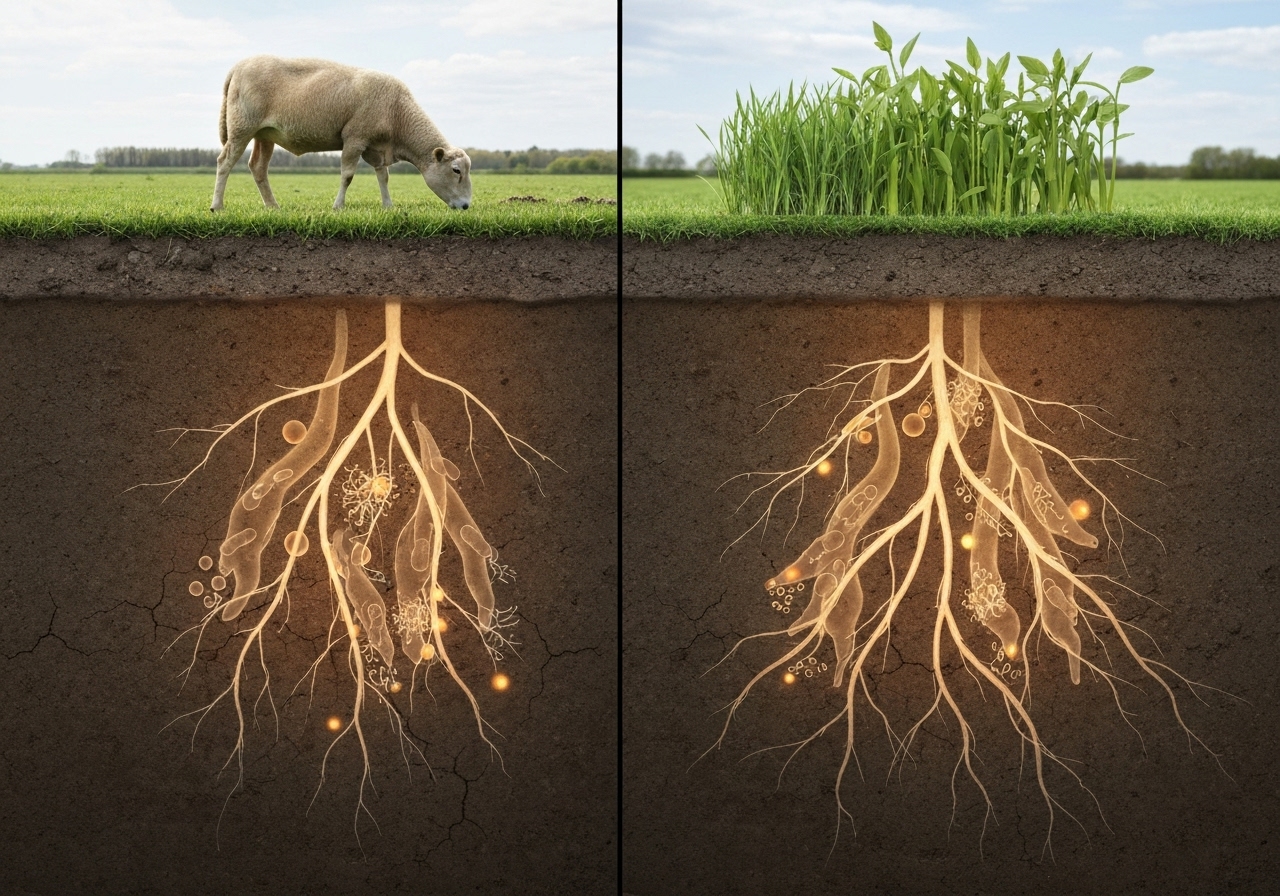
Grazing induces compensatory growth that alters root exudate composition and quantity, favoring diverse microbial partners. Plants under grazing allocate resources differently and often increase sugar and amino acid exudation to support regrowth. Those exudates select for microbial taxa that enhance nutrient availability and stress tolerance for the plant, improving root microbiome functionality during drought or pathogen pressure (examples in agricultural ecology literature).
Which mechanisms directly link grazing to increased microbial diversity?
Mechanisms include organic inputs, physical mixing of residues, microtopography changes, and plant-mediated shifts in root chemistry. Trampling and manure distribution create microsites with variable moisture and nutrient levels that support niche differentiation. Niche differentiation permits coexistence of more microbial species and functional guilds in the rhizosphere, which is central to resilience theory in soil ecology.
How does microtopography created by animals matter?
Animal movement creates patches of compaction and loosening, altering water and aeration patterns that favor different microbes. These small-scale variations increase habitat heterogeneity, which supports a greater range of bacteria and fungi around roots. Research in agroecology shows patchy soils host complementary microbial functions that scale up to field-level stability.
What agronomic benefits do crops gain from livestock-enhanced root microbiomes?
Crops gain improved nutrient uptake efficiency, reduced disease incidence, greater drought tolerance, and higher and more stable yields. Enhanced microbial communities increase rates of nutrient mineralization, mobilize phosphorus, fix atmospheric nitrogen (in association with legumes and diazotrophs), and antagonize soil-borne pathogens through competition and antibiosis. These effects reduce dependence on synthetic fertilizers and fungicides while supporting yield resilience under variable weather.
How do microbial shifts reduce fertilizer needs?
Microbial consortia stimulated by grazing improve mineralization and nutrient cycling, allowing farmers to reduce synthetic N and P inputs. Increased mineralization from manure and stimulated microbial enzymes makes nitrogen and phosphorus more available to roots in synchrony with crop demand. Several agronomic trials indicate integrated systems maintain yields with lower chemical fertilizer inputs when compared to crops grown without livestock nutrients.
Can grazing reduce crop disease risk?
Grazing-driven microbial communities can suppress soil-borne pathogens through competition, predation, and induction of plant defenses. Diverse rhizosphere communities lower the chance that any single pathogen will dominate. Certain manure-associated microbes produce antibiotics or enzymes that degrade pathogen structures; plant-mediated recruitment of beneficial microbes after grazing can prime systemic resistance in crops.
How to integrate livestock into cropping systems without harming crops?
Design integration to match animal timing, stocking density, and movement to crop phenology and soil condition to avoid compaction and direct crop damage. Use strategies such as managed grazing, alley grazing, cover-crop grazing, and post-harvest stubble grazing. Schedule grazing windows when crops are dormant or after harvest, and apply temporary fencing to restrict access and protect sensitive growth stages.
What are safe grazing configurations for arable fields?
Use rotational or strip grazing across crop residues and cover crops; avoid grazing on wet, susceptible soils and during critical crop growth stages. Place water and shade strategically to prevent congregation in crop zones. Employ portable electric fencing and lane systems to guide animals and protect seedbeds. Mobile troughs and salt blocks reduce high-traffic hotspots and soil damage.
How to avoid nutrient hot spots and weed spread?
Distribute animals and manage stocking rates to prevent manure concentration, and integrate weed control strategies during grazing windows. Rotate grazing locations, spread manure when necessary, and combine grazing with mowing or targeted herbicide use where weeds are resistant. Monitor fields for dung patches and cultivate or overseed those patches if necessary to restore uniformity.
What grazing management practices maximize microbiome benefits?
Use adaptive rotational grazing, match stocking density to forage supply, and graze cover crops to balance residue retention with dung distribution. Rotational grazing offers rest periods for plants, promotes even manure distribution, and supports plant diversity. Consider high-density short-duration grazing for pasture renovation and lower-density longer-duration grazing for fragile soils.
How does rotational grazing compare to continuous grazing?
Rotational grazing produces more uniform manure and reduces grazing pressure on single plants, supporting diverse root-microbe interactions. Rotational systems allow recovery and deeper rooting, which fosters stable root exudation patterns and supports persistent beneficial microbes. Adaptive rotations that respond to rainfall and growth rates optimize outcomes.
Where does technology fit into grazing management?
Apply sensor systems, AI-guided planning, and mobile fencing to time moves and set stocking densities precisely. Tools such as automated pasture sensors and decision-support platforms reduce labor and optimize grazing timing and densities; articles on AI-guided rotational grazing illustrate how technology cuts feed costs and emissions and can improve grazing outcomes when scaled appropriately. Use adaptive grazing guidance to refine stocking and timing.
What are the risks of integrating livestock with crops and how to mitigate them?
Risks include soil compaction, nutrient runoff, weed spread, crop trampling, and biosecurity threats; mitigate with best management practices and monitoring. Avoid grazing during soil-saturated periods, keep livestock off fragile seedbeds, manage stocking rates, and apply targeted nutrient management. Implement biosecurity protocols to reduce pathogen transfer between herds and crops.
How to manage compaction risk?
Reduce compaction by avoiding grazing on wet soils, rotating paddocks, and using controlled-access lanes to concentrate traffic. Incorporate mechanical aeration or deep-rooting cover crops after heavy use to restore structure. Monitor bulk density and infiltration as indicators of compaction and recovery.
How to limit pathogen and weed movement?
Implement quarantine procedures for new animals, manage grazing timing to break weed seed cycles, and use traceback testing when pathogens are detected. Prevent grazing of contaminated fields until resolved, compost manure properly before spreading in sensitive areas, and oversee seed cleaning to limit weed seed transfer between fields.
How to measure improvements in root microbiome and soil health?
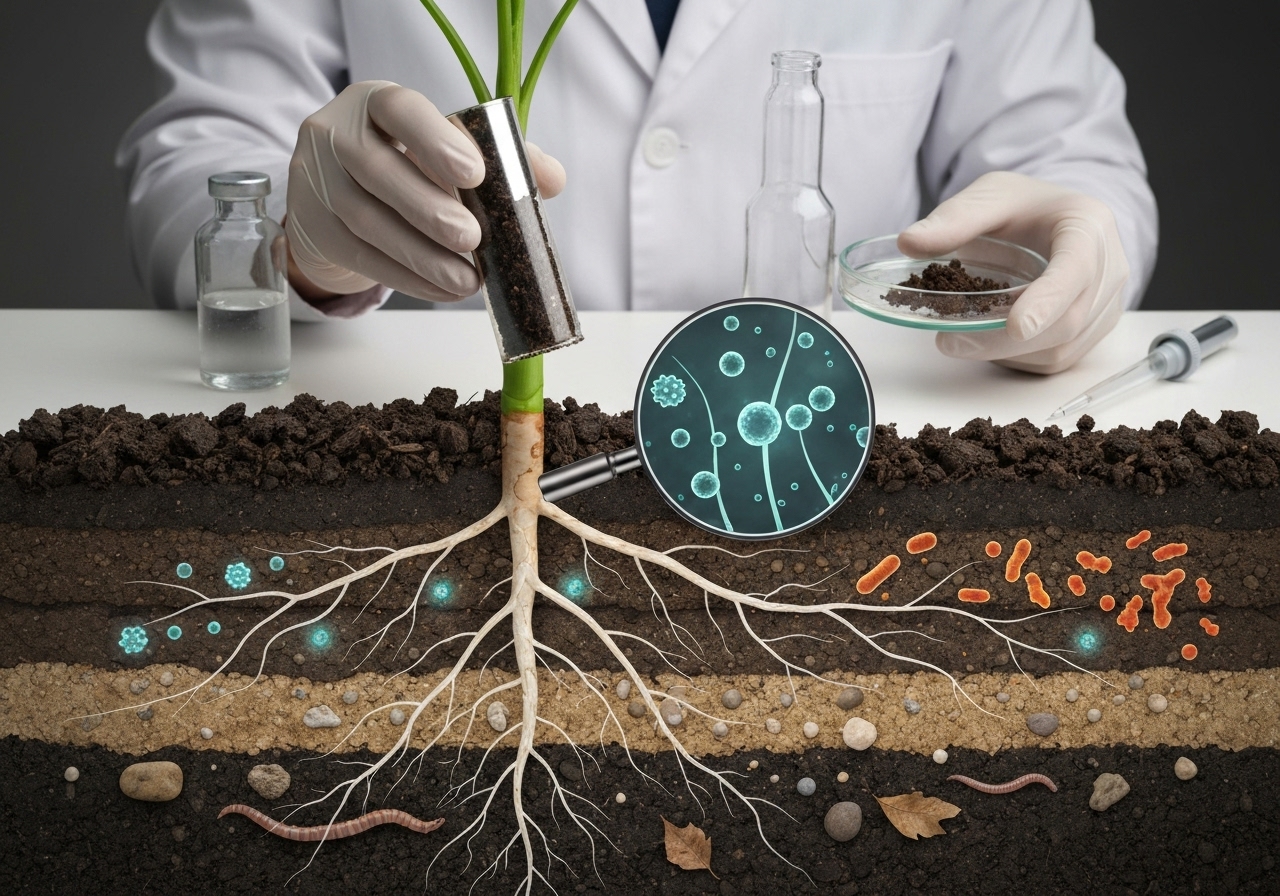
Measure microbial diversity, enzyme activities, soil organic carbon, aggregate stability, infiltration rate, and crop performance to track integration benefits. Use a combination of molecular assays (16S/ITS sequencing), enzymatic assays (dehydrogenase, phosphatase), and standard soil tests to quantify changes. Baseline sampling before integration provides the clearest comparison over time.
Which indicators best reflect rhizosphere resilience?
Microbial alpha diversity, functional gene abundance linked to nutrient cycling, and consistent crop response under stress are top indicators. Monitor shifts in nitrogen-cycling genes, mycorrhizal colonization rates, and microbial biomass carbon; corroborate with field performance under drought or pathogen challenge to demonstrate practical resilience gains.
Are there cost-effective monitoring approaches for small farms?
Use periodic soil organic matter tests, simple enzymatic kits, and crop performance records together with occasional molecular profiling. Partnership with extension services and university labs reduces costs for sequencing. Field-scale sensor networks and mobile soil testing kits offer actionable, lower-cost options to track trends.
What economic and ecosystem co-benefits arise from livestock-crop integration?
Integration increases nutrient-use efficiency, diversifies income, supports biodiversity, and can create new revenue streams from carbon and ecosystem service markets. Farms gain: 1) lower purchased fertilizer costs; 2) diversified products (meat, milk, crops); 3) improved soil productivity; and 4) potential payments for ecosystem services such as soil carbon sequestration and water quality improvements.
How can integrated systems access carbon markets?
Documented increases in soil organic carbon and verified practices like managed grazing can qualify farms for soil carbon credits. Use recognized measurement protocols, document baseline and practice changes, and engage with platforms that connect small farms to buyers. See discussions on agricultural carbon finance and practical pathways to participate. Explore soil carbon credit pathways relevant to small farmers.
How does integration boost on-farm biodiversity?
Mixed-use landscapes provide varied habitats for plants, insects, and soil organisms, increasing pollinators and natural enemies of pests. Pasture-crop mosaics support floral diversity and refuges. Structural variety from hedgerows, alleleys with livestock, and cover-crop mixes fosters landscape-level resilience and ecosystem services.
What innovations and complements help maximize benefits for root microbiomes?
Combine grazing with microbial amendments, cover cropping, precision irrigation, and sensor-guided management to amplify microbiome and crop benefits. Synergies occur when livestock inputs are coordinated with microbial inoculants and irrigation regimes that maintain ideal rhizosphere moisture and nutrient pulses for beneficial microbes.
How do microbial products fit with grazing systems?
Microbial seed coatings and soil inoculants can complement animal-driven microbiome shifts by establishing beneficial consortia at planting. Use inoculants that match cropping systems and soil conditions; couple with grazing to sustain microbial communities through continuous organic inputs and favorable plant exudation patterns. See work on soil microbial cocktails for integrated approaches. Consider microbial consortium strategies to complement livestock inputs.
Which precision tools accelerate adoption on small farms?
Deploy soil moisture sensors, GPS-guided fencing, and mobile apps that recommend moves and stocking based on forage and weather data. These tools reduce labor, refine timing, prevent overuse, and help owners document practices for markets or certification. Pair sensor data with local agronomic expertise for best results.
How to design a stepwise plan to start integrating livestock with crops?
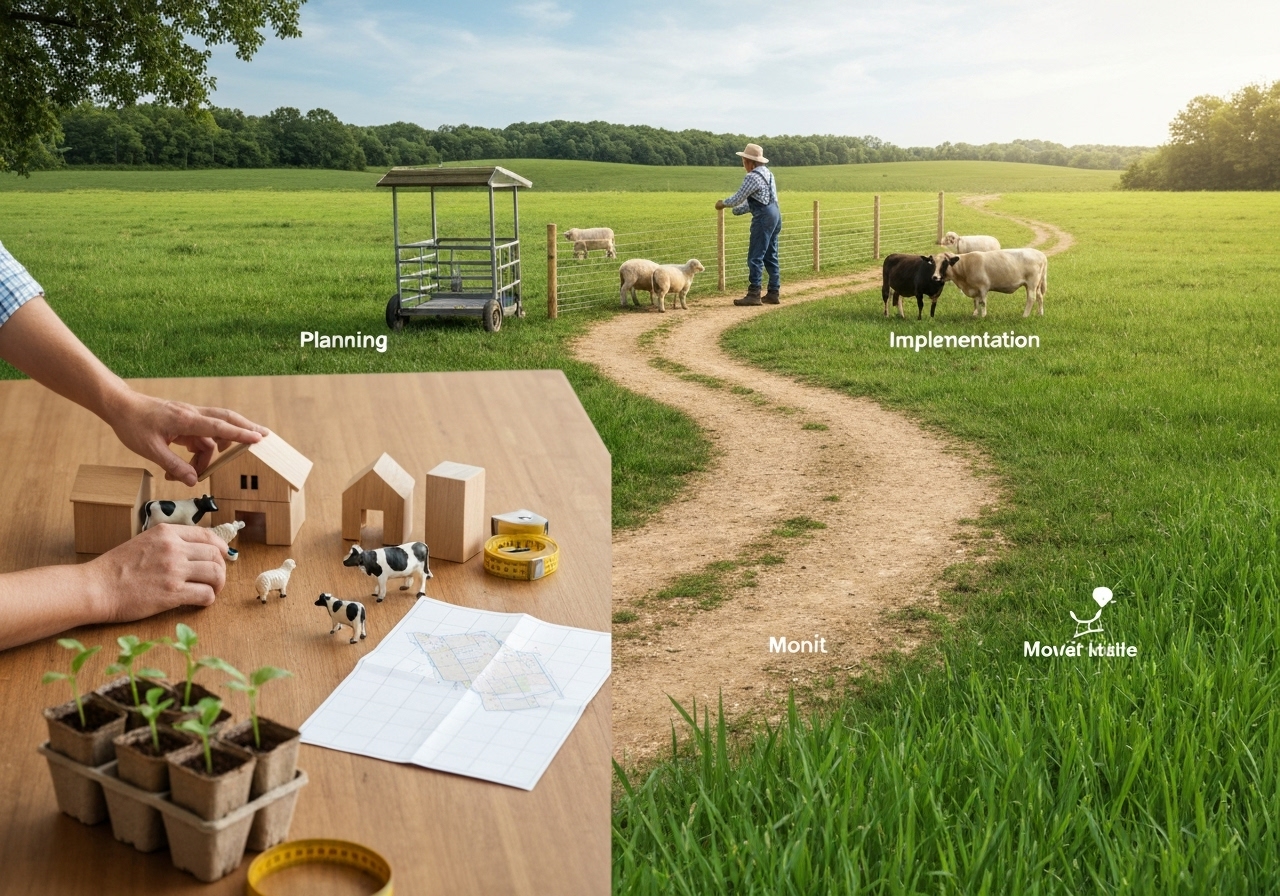
Start with pilot strips or fields, set clear objectives, monitor soil and crop metrics, and scale based on evidence and adaptive learning. Begin with post-harvest grazing on residues or grazing cover crops, monitor compaction and nutrient distribution, adjust stocking rates, and expand integration as benefits become evident and management skills improve.
Which first-year actions deliver the most information?
Sample soils for baseline organic carbon and microbial indicators, run small grazing trials on non-critical fields, and document crop responses across seasons. Keep records of animal days per hectare, manure distribution, crop yields, and any remediation actions. Use these data to refine rotations and stocking.
How to access support and finance for transitions?
Pursue extension programs, grants, and collaborative networks that fund trials and technical assistance for integrated systems. Leverage community cooperatives and digital platforms that connect producers to markets for diversified products and payments for ecosystem services. Explore local programs that support cover crop establishment and fencing infrastructure.
Which farmer practices maximize long-term resilience of root microbiomes?
Maintain diversity in forage and crop species, practice adaptive grazing, limit soil disturbance, and keep continuous organic inputs. Cropping diversity and perennial elements favor stable microbial networks. Minimize deep tillage, maintain living roots with cover crops, and use livestock to recycle biomass rather than export all residues off-farm.
How does perennial integration help?
Perennial forages stabilise root networks and create year-round habitat for mycorrhizal fungi and other symbionts that support crop resilience. Integrate alley cropping, buffer strips, or mixed pastures to sustain microbial communities through seasonal variability and reduce erosion and nutrient loss.
What knowledge gaps remain and where should research focus?
Research should focus on linking specific grazing patterns to microbial functional outcomes, quantifying long-term carbon changes, and scaling monitoring tools for small farms. Priorities include understanding optimal stocking patterns for microbial benefits, interactions with microbial inoculants, and robust, low-cost monitoring protocols to verify ecosystem services.
How can farmers contribute to applied research?
Participate in on-farm trials, citizen science networks, and data-sharing consortia to provide real-world results across climates and soils. Farmer-led monitoring combined with lab analyses accelerates translation of findings into practical management recommendations and marketable outcomes.
Integrating grazing livestock with crop farming enhances root microbiome resilience, supports nutrient cycling, and strengthens farm profitability and ecosystem services. Adopt adaptive grazing, measure impacts, and combine livestock integration with other regenerative practices to realize the full potential for resilient cropping systems and healthier soils.
Diversified Small-Farm Calendar: Crop Maps by Microclimates
Plan a practical diversified small-farm planting calendar that matches crops to microclimates and market windows using crop maps, soil zones, and succession strategies for steady harvests year-round.
How do I plan a diversified small-farm planting calendar?
Start by mapping your farm microclimates, soil types, water sources, and market dates, then assign crop families and planting windows to each zone.
How do I plan a diversified small-farm planting calendar by mapping yields, shade, wind, and frost pockets first.
How do I plan a diversified small-farm planting calendar by noting irrigation lines, access paths, and storage near plantings.
How do I plan a diversified small-farm planting calendar by determining core enterprises: vegetables, herbs, cut flowers, small fruit, and grains.
What are the first mapping steps for microclimates on a small farm?
Record sun exposure, frost pockets, slope, wind, and soil depth across the farm using repeated observations and simple sensors.
What are the first mapping steps for microclimates on a small farm by walking the property at sunrise, midday, and sunset.
What are the first mapping steps for microclimates on a small farm by marking shade from trees and buildings on a base map or aerial photo.
What are the first mapping steps for microclimates on a small farm by placing inexpensive data loggers to record temperature and humidity for two weeks.
What are the first mapping steps for microclimates on a small farm by consulting USDA Plant Hardiness Zone data and local extension frost-date records.
What tools help create crop maps by microclimate?
Use a base aerial map, GIS or free mapping apps, field notebooks, soil test results, and temperature sensors to draw crop zones.
What tools help create crop maps by microclimate by using printed orthophotos or satellite images as a base layer for sketching zones.
What tools help create crop maps by microclimate by layering soil survey data from NRCS and your own pH and texture tests.
What tools help create crop maps by microclimate by using handheld GPS or smartphone GPS to locate beds and irrigation lines accurately.
What tools help create crop maps by microclimate by installing a few soil moisture sensors to refine irrigation scheduling and crop placement.
What crops should I place in each microclimate zone?
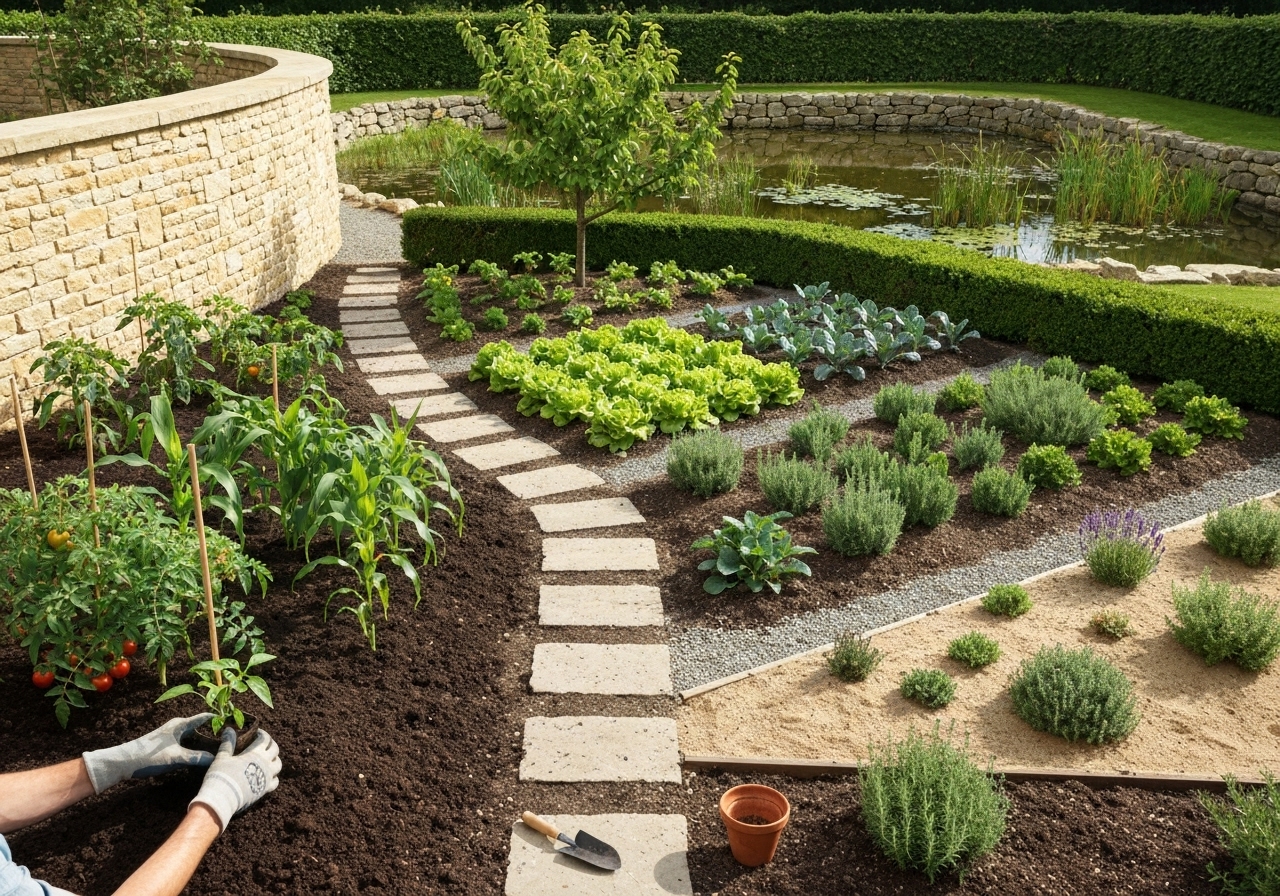
Match heat-loving crops to warm sites, cold-tolerant crops to frost pockets, moisture-loving crops to wet areas, and shallow-root crops to thin soils.
What crops should I place in each microclimate zone by grouping compatible families together to reduce pest pressure and simplify rotations.
What crops should I place in each microclimate zone by planting brassicas in cooler, well-drained soils and cucurbits in sunny, deep soils.
What crops should I place in each microclimate zone by locating herb gardens and cut-flower beds on well-aerated slopes with afternoon shade.
What crops should I place in each microclimate zone by reserving marginal or saline plots for resilient grains, millet, or salt-tolerant cover crops.
Which reference guides help match crops to microclimate?
Use local extension planting guides, seed company day-length and maturity tables, and crop heat unit models to pick varieties.
Which reference guides help match crops to microclimate by referencing days-to-maturity and chill-hour requirements for orchard and perennial crops.
Which reference guides help match crops to microclimate by consulting regional trial reports from state universities for local performance data.
Which reference guides help match crops to microclimate by using transplant shock and seedling hardiness notes from experienced growers.
When should I plant each crop and how do I build the calendar?
Base planting dates on last and first frost, soil temperature thresholds, crop maturity days, and desired harvest windows for market demands.
When should I plant each crop and how do I build the calendar by creating a year-long grid showing sowing, transplant, harvest, and fallow windows.
When should I plant each crop and how do I build the calendar by calculating back from target harvest dates using days-to-maturity plus germination and establishment buffers.
When should I plant each crop and how do I build the calendar by staggering plantings every 7 to 14 days for dozens of crops to maintain continuous supply.
When should I plant each crop and how do I build the calendar by grouping crops by similar care needs for labor efficiency and synchronized harvesting.
How to calculate soil temperature and frost dates?
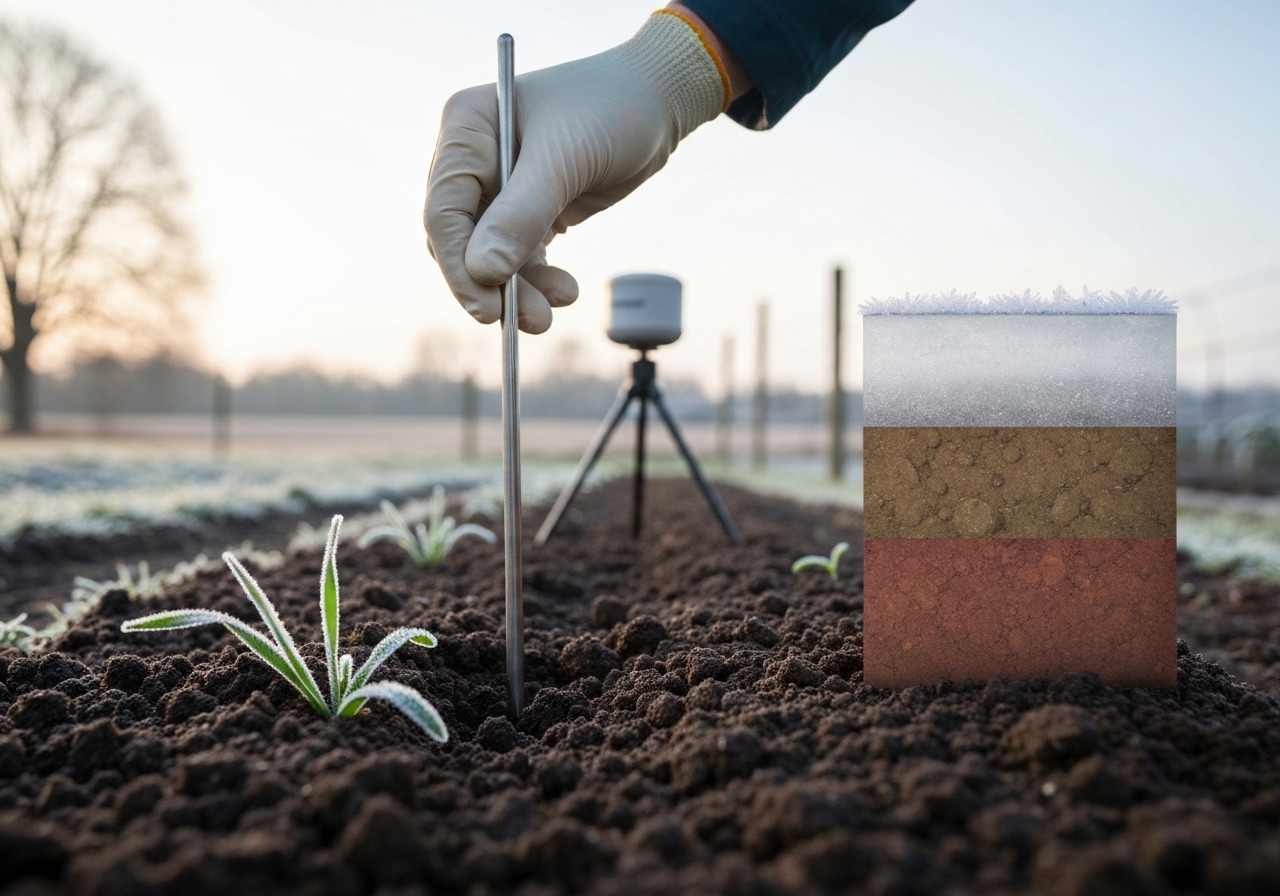
Measure soil temperature at 4 inches depth and use local frost statistics to set safe transplant and direct-sow dates.
How to calculate soil temperature and frost dates by installing a soil probe thermometer in representative zones and recording morning lows.
How to calculate soil temperature and frost dates by consulting local extension frost-probability charts for risk management.
How to calculate soil temperature and frost dates by allowing a 7 to 14 day buffer for unpredictable cold snaps and late frosts.
How do I design rotations and polycultures for a diversified small farm?
Rotate by crop family, root depth, and nutrient use; integrate legumes, deep-rooters, and mulch crops to build soil and break pest cycles.
How do I design rotations and polycultures for a diversified small farm by mapping family groups and assigning them to different fields each season.
How do I design rotations and polycultures for a diversified small farm by alternating heavy feeders like tomatoes with nitrogen-fixing legumes.
How do I design rotations and polycultures for a diversified small farm by planting diverse edge species to attract beneficial insects and pollinators.
How do I design rotations and polycultures for a diversified small farm by maintaining perennial strips such as alleyway herbs and hedgerows for habitat.
What are practical polyculture examples for small farms?
Combine a fruit tree alley with understory herbs, nitrogen-fixing shrubs, and seasonal vegetables for layered production and resilience.
What are practical polyculture examples for small farms by planting three-sisters beds: corn, beans, and squash for balanced yields and soil cover.
What are practical polyculture examples for small farms by integrating cut flowers between vegetable beds to split markets and pollinator attraction.
What are practical polyculture examples for small farms by using guilds around perennial systems to increase yield diversity and pest suppression.
How do I schedule succession planting and staggered harvests?
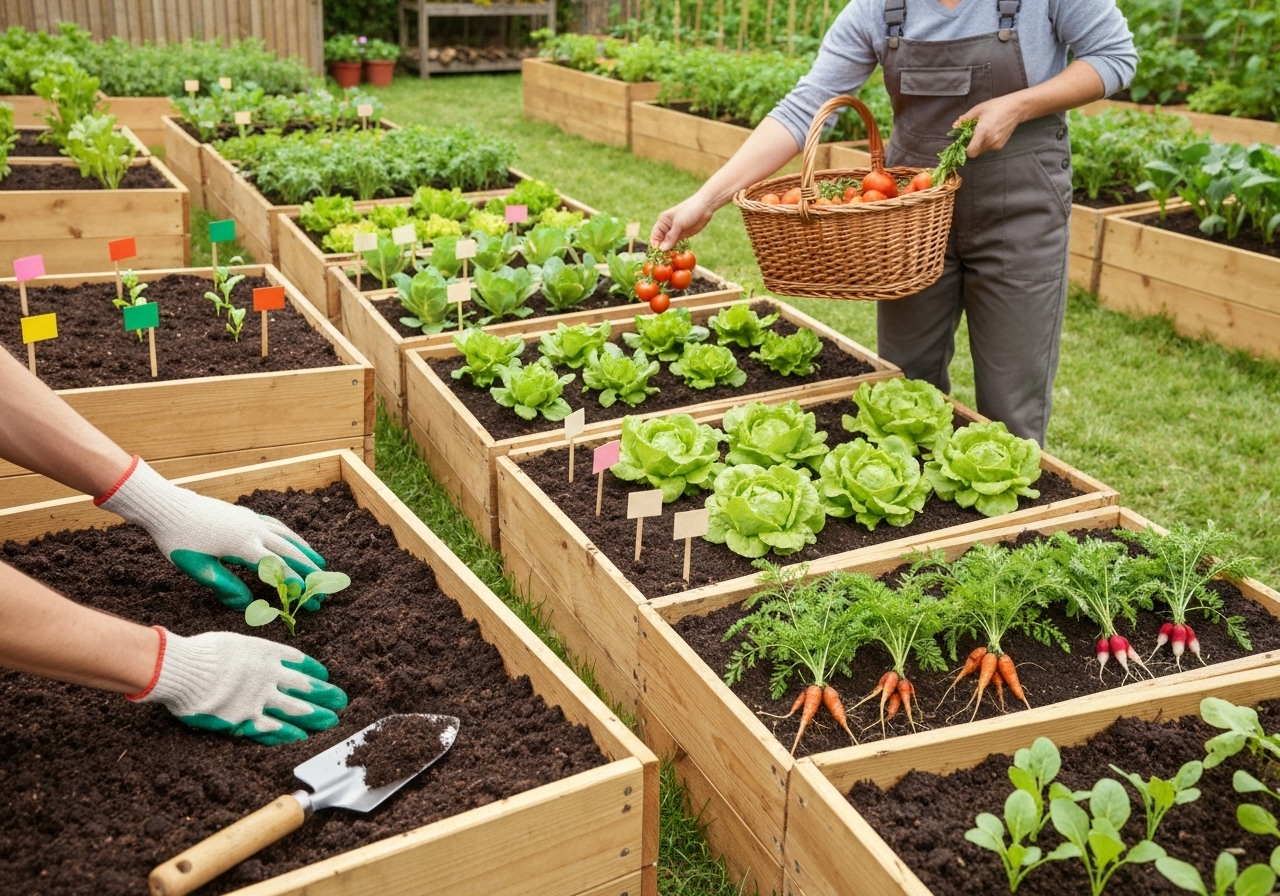
Sow short-cycle crops frequently, plan overlapping maturity windows, and keep seed-to-market timelines visible on the calendar.
How do I schedule succession planting and staggered harvests by using block plantings and wave sowing to manage labor peaks.
How do I schedule succession planting and staggered harvests by planning three or four plantings of salad greens across a 12-week season.
How do I schedule succession planting and staggered harvests by holding back small transplants to fill market gaps and replace failed stands.
What management tactics reduce risk in the calendar?
Build redundancy with backup plantings, use season extension, diversify markets, and maintain seed reserves for quick replanting.
What management tactics reduce risk in the calendar by assigning flexible beds that can swap crops if weather or pest events occur.
What management tactics reduce risk in the calendar by establishing a rainy-season and dry-season crop list to respond fast to conditions.
What management tactics reduce risk in the calendar by tracking local pest cycles and planning trap crops and biological controls ahead of time.
How can season extension alter the planting calendar?
Use simple season extension tools to move planting dates earlier or later and expand harvest windows without major infrastructure.
How can season extension alter the planting calendar by installing low tunnels, high tunnels, and row covers to protect against frost and heat stress.
How can season extension alter the planting calendar by implementing cold frames and cloches for early greens and late-season brassicas.
How can season extension alter the planting calendar by using mulches to moderate soil temperature and retain moisture during dry spells.
Which cost-effective season extension options work best?
Choose low tunnels for quick turnover crops and a single high tunnel for consistent winter production and greater labor efficiency.
Which cost-effective season extension options work best by sourcing recycled greenhouse plastics and portable hoops for budget-limited farms.
Which cost-effective season extension options work best by prioritizing tool placement near power and water to reduce daily setup time.
What data and technology improve calendar accuracy?
Leverage local weather stations, soil sensors, pest degree-day calculators, and simple farm management software to refine dates.
What data and technology improve calendar accuracy by logging planting and harvest dates to analyze yield trends and labor loads over seasons.
What data and technology improve calendar accuracy by using pest and disease forecast tools to adjust planting windows and variety choices.
What data and technology improve calendar accuracy by employing apps or spreadsheets for planting schedules and bed assignments.
What data and technology improve calendar accuracy by reading extension trial results and regional reports from university research.
Where can small farms learn mapping best practices?
Consult local extension services, NRCS resources, and regional training programs on microclimate mapping and regenerative design.
Where can small farms learn mapping best practices by following practical guides found in state agriculture publications and NRCS manuals.
Where can small farms learn mapping best practices by reading applied case studies from other smallholders and community organizations.
Where can small farms learn mapping best practices by experimenting with pilot plots before full-scale implementation.
How do pollinators and integrated services affect the planting calendar?
Include pollinator-attractive plantings timed to crop bloom windows to secure fruit set and maintain yields across seasons.
How do pollinators and integrated services affect the planting calendar by scheduling bloom overlaps for crop pollination and beneficial insect habitat.
How do pollinators and integrated services affect the planting calendar by protecting nesting areas and providing water sources for pollinators.
How do pollinators and integrated services affect the planting calendar by coordinating flowering strips to support early- and late-season pollinators.
How do pollinators and integrated services affect the planting calendar by exploring new technologies such as robotic pollinators to support pollination gaps in select crops.
How do pollinators and integrated services affect the planting calendar by learning from research and field trials discussed in recent reports on robotic pollination and pollinator corridors.
How do pollinators and integrated services affect the planting calendar by reading applied examples like those showing robotic pollinator trials and pollinator network design.
How do pollinators and integrated services affect the planting calendar by following innovation summaries from technology and ecology research groups.
How do irrigation and water planning integrate with the calendar?
Match crop water needs to irrigation zones and schedule sowing to align with water availability and seasonal rainfall patterns.
How do irrigation and water planning integrate with the calendar by designing irrigation circuits that serve similar-water-use crops together.
How do irrigation and water planning integrate with the calendar by allocating high-value, water-sensitive crops to zones with controlled irrigation.
How do irrigation and water planning integrate with the calendar by using micro-irrigation practices to save water and time during peak harvest periods.
How do irrigation and water planning integrate with the calendar by consulting tested methods such as those in regenerative micro-irrigation guides for small farms.
How do irrigation and water planning integrate with the calendar by reading practical case studies on soil moisture management and drip scheduling.
How should market windows shape my planting calendar?
Align planting dates to key market opportunities, farmer market schedules, restaurant demand, and seasonal price peaks.
How should market windows shape my planting calendar by surveying customers and local buyers for preferred produce timing and pack sizes.
How should market windows shape my planting calendar by timing specialty crops to restaurant windows and festival seasons for premium pricing.
How should market windows shape my planting calendar by building redundancy so multiple crops can fill a gap if demand shifts unexpectedly.
How should market windows shape my planting calendar by learning from supply-chain stories and local farm-to-table partnerships that support agricultural networks.
How should market windows shape my planting calendar by exploring examples of farms collaborating with restaurants to match micro-season yields.
How do I test and adapt the calendar yearly?
Review harvest dates, yields, labor peaks, and weather anomalies annually; adjust planting windows and variety selection accordingly.
How do I test and adapt the calendar yearly by keeping clear records of failures and successes by bed and zone for iterative improvement.
How do I test and adapt the calendar yearly by running small trials of new varieties and microclimate placements before scaling up.
How do I test and adapt the calendar yearly by using feedback from customers and chefs to refine quality and timing.
How do I test and adapt the calendar yearly by tracking soil health metrics to ensure rotation and cover practices improve long-term productivity.
Which indicators show calendar success?
Measure steady weekly yields, balanced labor distribution, low replant rates, and improved soil metrics as signs of a working calendar.
Which indicators show calendar success by monitoring gross margin per bed and per labor hour across the season.
Which indicators show calendar success by analyzing pest outbreaks and whether rotations prevented larger losses.
Which indicators show calendar success by observing expansion of market outlets and customer retention based on reliable supply.
Which additional resources and articles should I read?
Study microclimate mapping, regenerative irrigation, and pollination technology reports to add precision to your calendar.
Which additional resources and articles should I read by examining microclimate mapping practices tailored to small farms for step-by-step workflows.
Which additional resources and articles should I read by reading applied irrigation guides that show how to zone and schedule water for mixed crops.
Which additional resources and articles should I read by exploring innovations in pollination and sensor-guided polyculture to manage yields and labor.
Which additional resources and articles should I read by reviewing technology case studies and regenerative farm networks for applied lessons and market links.
Which additional resources and articles should I read by visiting posts on robotic pollinators and regenerative micro-irrigation to see applied small-farm tech examples: robotic pollinator trials that support small farms and practical micro-irrigation methods for smallholders.
Which additional resources and articles should I read by studying microclimate mapping approaches that tailor crop maps to fine-scale conditions: microclimate mapping practices for regenerative farms.
Which additional resources and articles should I read by combining those references with local extension data from USDA and state universities.
How do I begin implementing the calendar this season?
Create a simple bed map, schedule three pilot plantings, and monitor microclimate readings for immediate feedback.
How do I begin implementing the calendar this season by choosing 1 to 3 trial beds with distinct microclimates for quick learning.
How do I begin implementing the calendar this season by setting clear market targets and measuring labor to refine future schedules.
How do I begin implementing the calendar this season by documenting dates and observations for each trial to build a reliable local database.
Aerated Bokashi-Windrow Hybrid for Vegetable Waste
The aerated Bokashi-windrow hybrid combines anaerobic pre-fermentation with controlled aerobic windrow composting to convert vegetable farm waste into stable, nutrient-rich compost faster and with fewer odors. This article explains why farms choose the hybrid, how to design and operate it, monitoring protocols, troubleshooting, and practical reuse strategies for vegetable production systems.
What is an aerated Bokashi-windrow hybrid for vegetable waste?

An aerated Bokashi-windrow hybrid for vegetable waste is a two-stage composting system that begins with Bokashi-style anaerobic fermentation of fresh vegetable residues and finishes with aerated windrow decomposition to produce mature compost. The first stage uses a concentrated inoculant of effective microorganisms (EM) and limited oxygen to rapidly ferment high-moisture vegetable waste. The second stage places the pre-fermented mass into an aerated windrow where controlled oxygen, temperature, and turning complete decomposition, stabilize organic matter, and reduce phytotoxic compounds.
Why use a hybrid method on vegetable farms instead of simple windrows?
Vegetable farms produce high volumes of wet, easily compacted residues that can anaerobically sour, generate leachate, and attract vectors if piled untreated. The hybrid method reduces these problems by:
- Lowering odors and vector attraction during early decomposition through Bokashi fermentation.
- Decreasing nitrogen loss as ammonia by converting soluble nitrogen into microbial biomass during the anaerobic stage.
- Speeding pathogen reduction and stabilization in the aerated windrow stage through improved oxygen supply and optimized thermophilic conditions.
- Improving carbon-to-nitrogen (C:N) balance and structure for easier handling and faster curing.
How does the Bokashi (anaerobic) stage work for vegetable waste?
The Bokashi stage works by creating an oxygen-limited environment in which a microbial inoculant ferments fresh vegetable residues. Apply an EM or Bokashi bran evenly over chopped vegetable waste in sealed containers or covered bays, compact the material to displace air, and allow fermentation for 7 to 21 days. During this period, lactic acid-producing bacteria and other facultative anaerobes preserve labile carbon and reduce odor-causing anaerobes. For vegetable waste, the Bokashi step decreases free-draining leachate volume and partially stabilizes soluble nitrogen.
What materials and ratios work best for the Bokashi stage?
The Bokashi stage works best with:
- Chopped vegetable residues (pieces 2-5 cm) for even inoculant contact.
- A Bokashi inoculant applied at .5 to 2% dry weight or a bran carrier at .5 to 5% by fresh weight, depending on product concentration.
- Layering of residues and inoculant in 10-20 cm lifts to ensure uniform fermentation.
- Sealing with a tarp or lid to limit oxygen and maintain moisture at 50-65%.
What monitoring matters during anaerobic fermentation?
The Bokashi stage matters for smell, temperature, and moisture. Check every 3-4 days and intervene if you detect strong hydrogen sulfide or black, slimy pockets. Maintain moderate temperatures (ambient to 40 C) to avoid overheating that kills beneficial fermenters. Adjust moisture by aerating slightly or adding dry bulking material between layers if the mass becomes excessively wet.
How is the aerated windrow stage designed after Bokashi pre-fermentation?
The aerated windrow stage is designed to supply steady oxygen and control temperature while the pre-fermented material decomposes. Transfer fermented material into windrows sized to fit aeration systems: typical base widths 1.2 to 2.5 m, heights .8 to 1.2 m, and lengths limited by site layout. Use forced aeration (perforated piping with blowers) or passive aeration channels to maintain aerobic conditions. Blend Bokashi-fermented residues with dry bulking materials such as wood chips, straw, or shredded cardboard at 20-50% by volume to reach a workable C:N ratio (ideally 20:1 to 30:1) and 50-60% moisture.
What aeration methods suit vegetable farm windrows?
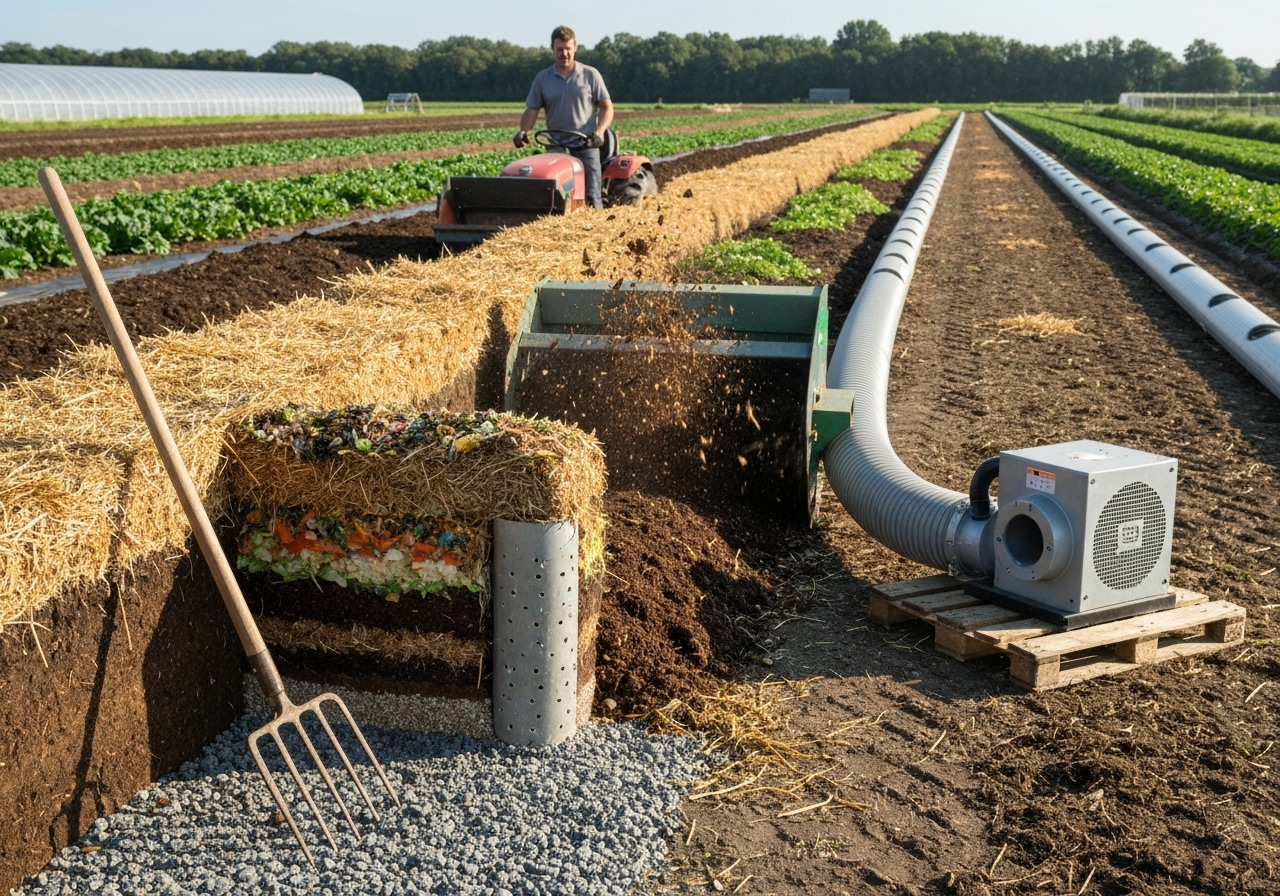
Choose aeration based on scale and budget:
- Forced aeration with blowers and perforated piping for high-control, low-turning systems on medium to large farms.
- Passive aeration with wick channels and coarse bulking material for low-cost, lower-control systems on small farms.
- Intermittent turning combined with surface aeration for farms with limited equipment.
What temperature and turning regime promotes safe maturation?
The aerated windrow stage promotes microbial succession and pathogen reduction. Maintain thermophilic temperatures of 55 to 65 C for at least 3 consecutive days for pathogen control, then allow a gradual cool-down. Monitor temperatures daily using a long-probe thermometer. Turn or adjust aeration when core temperatures exceed 65 C for prolonged periods or fall below 40 C and decomposition slows. Typical turning or aeration adjustments occur every 3 to 10 days during active decomposition and less frequently during curing.
How to manage C:N, moisture, and particle size for vegetable waste in the hybrid system?
Manage C:N, moisture, and particle size by measuring or estimating inputs and adjusting bulking materials. Vegetable waste often has low C:N (10:1 to 20:1) and high moisture (70-90%). Mix with high-carbon bulking agents (wood chips, straw, dry leaves) at 20-60% by volume to achieve 25:1 to 30:1 C:N and 50-60% moisture. Reduce particle size by chopping to 2-5 cm to speed surface-area-driven decomposition but retain some coarse fraction (1-3 cm) to preserve porosity. Use a simple field test for moisture: material that holds together when squeezed but does not drip is in the target range.
What operational steps form a standard workflow for a vegetable farm?
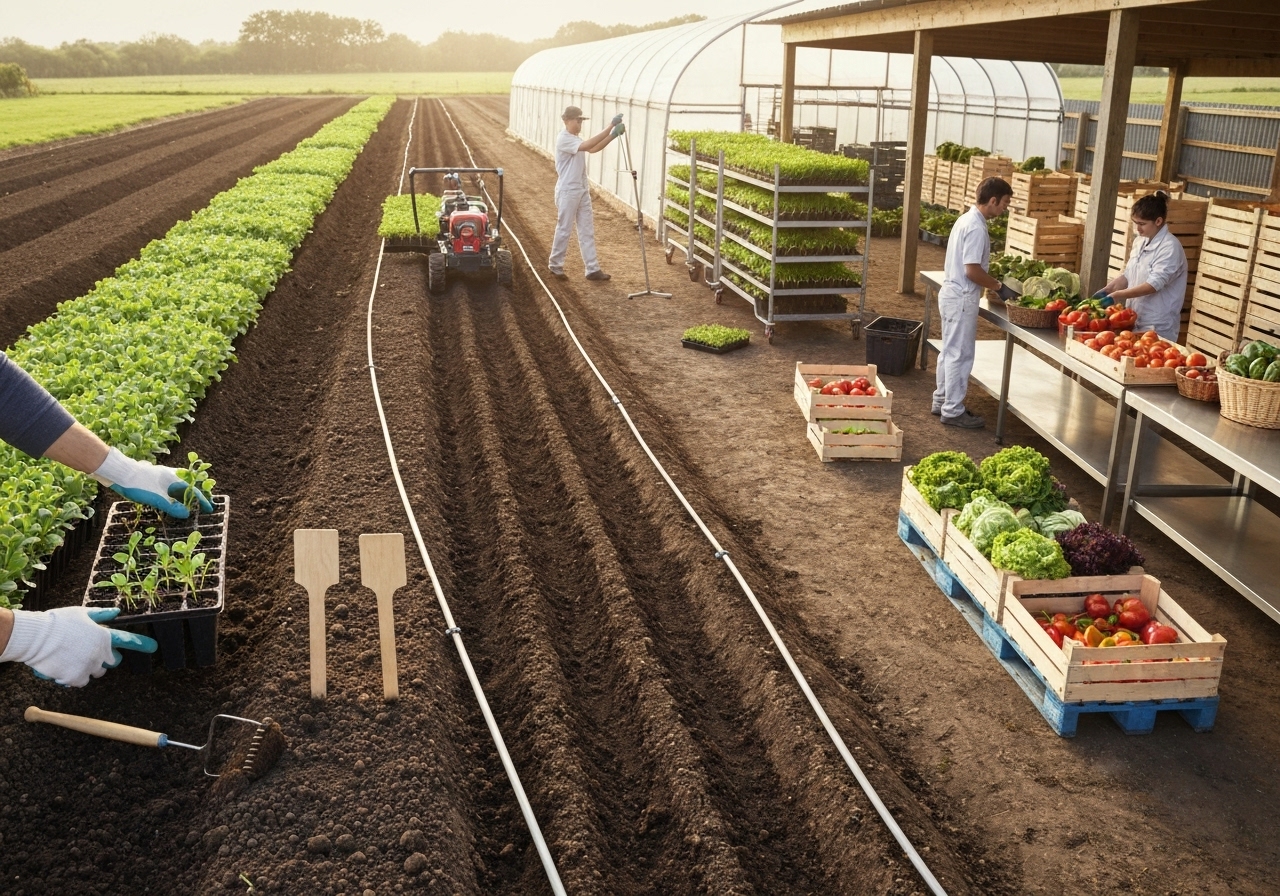
The standard workflow for a farm using the aerated Bokashi-windrow hybrid includes receiving and prepping waste, Bokashi fermentation, blending with bulking agents, aerated windrow placement and monitoring, curing and screening, and field application. Implement daily logs that capture input weights or volumes, inoculant doses, moisture adjustments, temperature readings, turning/aeration events, and final quality checks. Use the log to optimize inoculant rates and bulking ratios over time.
Step-by-step workflow
- Collect and chop vegetable residues; remove contaminants.
- Layer residues and Bokashi inoculant in sealed fermentation bays for 7-21 days.
- Mix fermented material with bulking agents and adjust moisture to 50-60%.
- Place blend into aerated windrows with perforated piping or construct passive channels.
- Monitor temperature and oxygen; adjust aeration and turn as needed.
- Allow 6-12 weeks for active decomposition and 4-12 weeks for curing depending on conditions.
- Screen or age compost; test for maturity and pathogens before field use.
How to test compost maturity and safety for vegetable production?
Test compost maturity and safety using a combination of simple field checks and laboratory analyses. Perform the cress or radish seed germination test to detect phytotoxicity: plant seeds in a 20% compost extract and compare germination and root growth with controls. Measure stability by checking for earthy smell, crumbly texture, and temperatures near ambient. Obtain laboratory tests for electrical conductivity (EC), nitrate and ammonium levels, pathogen indicators (E. coli, Salmonella), and heavy metals if your feedstock includes suspect materials. Follow local regulations for pathogen thresholds when applying compost to vegetable beds.
What are common problems and how to troubleshoot them?
Common problems and solutions include:
- Odor during Bokashi: Check seals and inoculant coverage; add dry bulking material and reduce moisture.
- Excessive leachate: Increase dry bulking ratio or extend Bokashi fermentation time to bind soluble compounds.
- Slow decomposition in windrows: Improve aeration, increase surface area by turning, or adjust C:N with more high-carbon material.
- Temperature spikes above 65 C: Increase aeration or reduce windrow size to prevent heat damage to beneficial microbes.
- Incomplete pathogen kill: Ensure sustained thermophilic temperatures and consider longer curing or additional pasteurization steps.
How to integrate the hybrid compost into vegetable farm nutrient management?
Integrate the hybrid compost into nutrient management by aligning application rates with crop nutrient removal, soil tests, and carbon-building goals. Test compost nutrient content and calculate nitrogen availability: assume 10-30% of total nitrogen is mineralized in the first season depending on maturity. Apply compost as a pre-plant incorporation to improve soil organic matter, structure, and water-holding capacity. Use compost tea or liquid extracts from mature compost for foliar or transplant starter applications, following best-practice extraction methods to avoid pathogen spread.
What application rates make sense for vegetables?
Apply mature compost at 5-20 t/ha (dry weight) depending on soil organic matter targets and crop requirements. Use lower rates (2-5 t/ha) as a supplemental amendment in high-input systems and higher rates (10-20 t/ha) to rebuild degraded soils. Combine compost with targeted mineral or organic fertilizers to match crop nutrient demands without over-applying phosphorus or salt from high-EC composts.
How does this hybrid support regenerative farm goals and revenue streams?
The hybrid system supports regenerative goals by increasing on-farm nutrient recycling, building soil carbon, reducing off-farm waste disposal costs, and creating a value-added product. Mature compost raises soil organic matter and can enhance yields and water retention. Documented soil carbon gains from compost applications contribute to carbon accounting and may qualify for soil carbon credit programs when validated by proper measurement protocols. For small farms seeking diverse revenue, selling screened compost or using it to reduce purchased fertilizers can improve margins.
Link the composting strategy to broader regenerative systems such as micro-irrigation integration for improved water use efficiency that optimizes irrigation scheduling and soil carbon initiatives to monetize soil improvements through emerging carbon markets.
What equipment and infrastructure does a farm need?
Equip the farm with basic tools for an effective hybrid system: a chopping or shredding device, sealed fermentation bays or drums, breathable tarps, bulking material storage, perforated aeration piping and blower(s) or passive channel materials, long-probe thermometers, moisture meters, and screening equipment for finished compost. Scale equipment choices to volumes and budget; small farms can use low-tech bins and hand-turning, while medium operations benefit from forced aeration and mechanized turning.
How to measure performance and economics of the hybrid system?
Measure performance through metrics such as mass reduction, processing time, nutrient preservation, pathogen indicators, and compost quality (C:N, stability, EC). Track costs for labor, inoculant, bulking materials, equipment amortization, and energy for aeration. Compare against avoided costs of waste hauling and potential revenue from compost sales or improved yields. Run simple payback calculations using baseline waste disposal costs and expected savings or income from compost use.
What practical tips reduce risk and increase success?
Reduce risk and increase success by implementing these practical tips:
- Start with a pilot: process a small, representative batch to refine inoculant rates and bulking mixes before scaling.
- Keep records: log inputs, temperatures, and actions to tune the system for local conditions.
- Source consistent bulking materials: irregular carbon sources produce variable results.
- Train staff on odor control and pathogen-hygiene practices to protect produce safety.
- Test finished compost regularly to maintain quality for vegetable use or sale.
What are alternatives and complementary practices to the hybrid approach?
Consider alternatives and complements such as on-farm anaerobic digesters for biogas production, vermicomposting for high-value, fine-stable compost, and distributed small-batch hot composting for rapid pathogen kill. Combine composting with other regenerative practices like cover cropping, agroforestry, and microclimate management to maximize soil health benefits across the farm. See approaches for integrating compost outputs with irrigation and micro-farm networks to close nutrient loops and scale impact.
How to start implementing an aerated Bokashi-windrow hybrid on your vegetable farm?
Start implementation by assessing your annual vegetable waste volume and moisture profile. Create a pilot plan that includes a 2-4 week Bokashi fermentation test and a 2-3 month windrow trial. Source an EM product and a reliable bulking material supplier. Set up monitoring protocols and safety procedures for handling and testing. Scale incrementally and use field trials to measure crop responses and soil improvements.
Where to find further technical guidance?
Find further guidance from agricultural extension services, composting technical manuals, and peer farms. Engage local university extension programs for lab testing and pathogen advice. Explore regenerative farm networks for case studies and technical assistance on integrating compost with microclimate and irrigation systems.
This practical design blends rapid initial stabilization through Bokashi fermentation with the robustness of aerated windrow decomposition, giving vegetable farms a scalable, lower-odor, and nutrient-conserving path to recycle residues into productive soil amendments.
Microbiome Mulches: Soil Allies Against Vegetable Pests
Microbiome Mulches: Soil Allies Against Vegetable Pests
Microbiome Mulches reduce pest pressure on organic vegetable farms by combining physical mulch benefits with targeted microbial consortia that suppress pests, enhance plant defenses, and improve soil health. This article explains what microbiome mulches are, how they work, practical recipes and application steps, monitoring methods, compatibility with organic certification, and integration into an IPM program for vegetable production.
What are Microbiome Mulches?
Microbiome Mulches are mulches amended or inoculated with beneficial microorganisms to deliver both the physical barriers of conventional mulches and biological pest suppression. Microbiome Mulches include compost-based layers seeded with antagonistic bacteria and fungi, biochar mixed with microbial consortia, living mulches hosting protective endophytes, and fermented organic extracts applied as a surface microbiome. Researchers in soil biology and microbial ecology report that intentionally shaping the surface and near-surface microbiome changes pest and disease outcomes in crops (Frontiers in Microbiology; Soil Biology and Biochemistry reviews).
How do Microbiome Mulches suppress vegetable pests?
Microbiome Mulches suppress pests through multiple mechanisms that act together and reduce reliance on chemical inputs.
Microbial mechanisms
- Competition: Mulch microbes compete with pathogens for space and nutrients, lowering pathogen establishment.
- Antagonism: Beneficial microbes produce antibiotics, lytic enzymes, or siderophores that inhibit pathogens or insect-pathogenic fungi.
- Induced systemic resistance (ISR): Mulch-associated microbes trigger plant immune priming, reducing disease severity when pests attack.
- Volatile organic compounds (VOCs): Some microbes emit VOCs that repel herbivores or attract natural enemies.
- Predator habitat: Thick, living mulches support predators and parasitoids that feed on pests.
Physical and plant-vigor effects

Microbiome Mulches retain moisture, moderate soil temperature, and increase nutrient availability, which strengthens plant growth and tolerance to pest damage. Healthier plants recover faster and support beneficial insect populations, creating a reinforcing pest-suppression cycle.
What types of Microbiome Mulches can organic vegetable farmers use?
Microbiome Mulches come in several practical types for vegetable systems. Choose the type that matches farm scale, crop, and organic certification rules.
Compost-enriched surface mulches
Compost-enriched mulches use cured compost or compost fines spread 2.5-7.5 cm (1-3 inches) on beds. Inoculate compost with biocontrol strains such as Trichoderma spp., Bacillus subtilis, and Pseudomonas fluorescens to increase antagonistic activity. Apply living compost mulch after soil warms to avoid nitrogen immobilization.
Biochar-microbial blends

Biochar acts as a carrier for beneficial microbes and stabilizes microbial consortia near the root zone. Mix 5-15% biochar by volume into compost or topsoil and inoculate with mycorrhizal fungi and nitrogen-fixing bacteria for extended persistence.
Living mulches seeded with endophyte-enhanced cover crops
Living mulches such as clovers or buckwheat can be inoculated with endophytes or rhizobacteria that promote plant defense. Use living mulches between rows; manage height and timing to avoid competition with main vegetable crop.
Fermented plant extract mulches and liquid microbial cocktails
Fermented plant extracts (FPJ/FAA) or bottled microbial cocktails can be applied over mulch layers to refresh the surface microbiome. Apply as foliar/soil drench or surface spray during establishment and after heavy rains.
How to produce a Compost-Based Microbiome Mulch: step-by-step
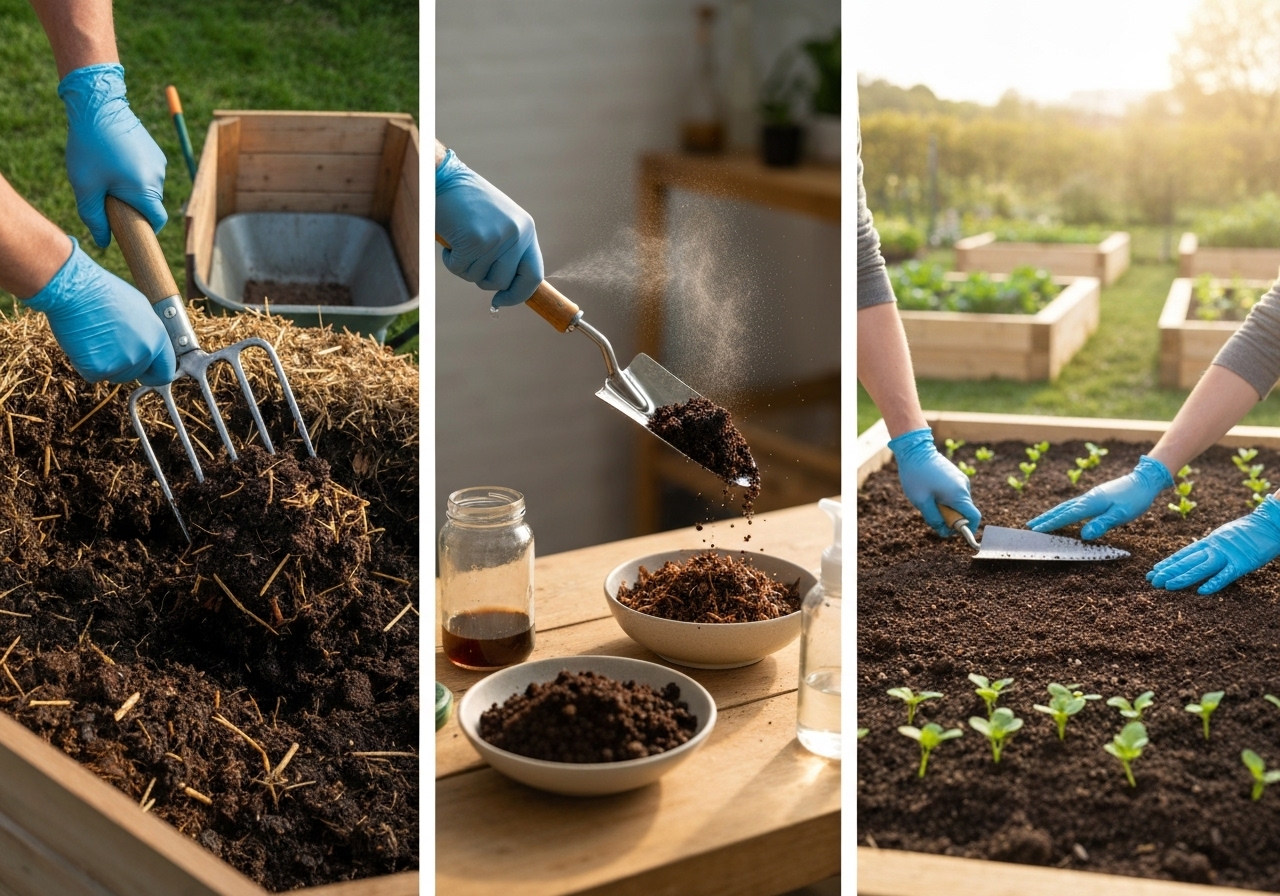
Produce a Compost-Based Microbiome Mulch using an on-farm approach with attention to sanitation, microbial state, and OMRI-compliant inputs.
Materials and tools
- Well-cured, screened compost (fine fraction)
- Biochar (optional)
- Approved microbial inoculants (Trichoderma, Bacillus, Pseudomonas, mycorrhizae) listed for organic use
- Sprayer for liquid inoculant
- Wheelbarrow, rake, and flat seeder
Procedure
- Prepare beds: Remove large weeds and level the surface.
- Test compost: Confirm maturity (cucumber seed test or temperature history) and pH ~6-8.
- Mix inoculant: Follow label rates; aim for final mulch with target microbial density equivalent to ≥10^6 CFU per gram if the label states counts. For small farms, dilute liquid inoculant to recommended concentration and spray evenly while turning compost to distribute microbes.
- Apply mulch: Spread 2.5-7.5 cm (1-3 inches) for annual vegetable beds; use 5-10 cm for perennial edges.
- Water in: Lightly irrigate to settle microbes and maintain moisture for colonization.
- Reapply top-up: Add a 1-2 cm refresh after 6-10 weeks or after major rainfall events that erode the surface.
Monitor mulch temperature and moisture; excessive wetness can favor pathogens, and very dry conditions reduce microbial activity.
When should farmers apply Microbiome Mulches?
Microbiome Mulches work best when applied at these times and Tillage decisions support their function.
- Before transplanting: Place mulch 1-2 weeks before planting to allow microbial communities to establish.
- During crop establishment: Refresh after heavy irrigation or rain to sustain beneficial populations.
- Between rotations: Use thicker mulch during fallow periods to suppress overwintering pests and build soil health.
How to integrate Microbiome Mulches with irrigation and microclimate management?
Microbiome Mulches require consistent moisture to maintain microbial activity; integrate with low-volume irrigation and microclimate practices to maximize benefits.
Align Microbiome Mulches with drip or micro-sprinkler systems to maintain steady soil moisture in the active mulch zone without saturating the surface. Use regenerative micro-irrigation techniques to deliver water precisely, reduce mulch erosion, and improve microbial persistence.
How to monitor effectiveness and measure pest control from Microbiome Mulches?
Monitor Microbiome Mulches using a mix of observational, biological, and lab-based indicators to quantify pest suppression and soil changes.
Field indicators
- Reduced visible pest damage and fewer disease lesions compared with control beds.
- Higher counts of predatory arthropods (lady beetles, lacewings) and parasitoid activity.
- Improved emergence and vigor of transplants.
Soil and microbial monitoring
- Conduct periodic soil respiration and microbial biomass tests to detect functional shifts.
- Use DNA-based microbial community profiling (16S/ITS) for research-level monitoring; create a baseline and compare quarterly. See techniques described in Microbial Consortia Maps for field-scale soil microbiome mapping practices.
Yield and economic monitoring
Track yields, labor inputs, and pest-management costs across seasons to evaluate return on investment. Use side-by-side strips to compare mulch treatments in the same field.
Which pests are commonly reduced by Microbiome Mulches?
Microbiome Mulches reduce a wide range of vegetable pests through combined mechanisms. Expect measurable reductions for:
- Soil-borne pathogens: damping-off, Pythium, Rhizoctonia, Fusarium (varies by crop and microbial mix)
- Root-feeding nematodes: when mulches host nematode-antagonistic bacteria and fungi
- Fungal foliar pathogens: decreased spore loads and disease pressure via ISR and reduced splash dispersal
- Some insect herbivores: reduced larval success for chewing pests and repulsion of ovipositing adults via VOCs
Note: Effectiveness varies by pest species, local climate, and mulch community composition.
Are Microbiome Mulches allowed in organic certification?
Yes, Microbiome Mulches can be allowed in organic systems when all components are compliant. Use OMRI-listed inoculants and avoid prohibited synthetics. Farmers should document product labels, application rates, and sourcing to satisfy certifiers. Many biocontrol strains (Trichoderma, Bacillus) are commonly approved for organic agriculture; check your local certification standards and the USDA National Organic Program rules for specifics.
What are risks and how to manage them?
Microbiome Mulches carry manageable risks if produced and applied correctly.
Potential risks
- Pathogen spread from immature compost or contaminated material.
- Initial nitrogen immobilization when using high-carbon materials at the surface.
- Attraction of slugs or rodents to thick organic layers.
- Non-target effects if using untested microbial mixes outside label recommendations.
Risk management
- Use only mature compost and test for phytotoxicity before large-scale use.
- Balance C:N and add small doses of compost tea or mineral amendments to reduce immobilization.
- Place slug traps and manage mulch thickness in slug-prone areas.
- Follow label rates for proprietary microbial blends and prioritize strains with documented safety records.
How to formulate or select a microbial cocktail for your mulch?
Select Microbiome Mulches using evidence-based microbial cocktails that match your pest profile and soil conditions. Consider mixed-function consortia that combine fast-colonizing bacteria (Bacillus spp.), fungal antagonists (Trichoderma spp.), and symbionts (arbuscular mycorrhizal fungi) for multi-pronged effects.
Explore region-specific formulae and demonstrations to adapt blends. For research and product trends, review field-scale formulations and pilot trials described in posts about soil microbial cocktails.
How do Microbiome Mulches fit into Integrated Pest Management (IPM)?
Microbiome Mulches act as a preventive, biological component within IPM and should be combined with cultural, mechanical, and biological tactics.
- Employ crop rotation and resistant varieties to reduce inoculum loads.
- Use trap crops and habitat strips to support predators and parasitoids.
- Monitor pest thresholds and apply corrective biologicals only when thresholds are exceeded.
- Use Microbiome Mulches to reduce frequency and timing of supplementary biopesticide applications.
What are implementation timelines and expected outcomes?
Implementation of Microbiome Mulches follows a realistic timeline and sets attainable goals.
- Short-term (-3 months): improved soil moisture retention, early shifts in microbial activity, modest reduction in seedling damping-off when established correctly.
- Medium-term (3-12 months): increased predator abundance, clearer disease suppression signals, reduced foliar disease incidence in some crops.
- Long-term (12+ months): improved baseline soil health, sustained lower pest pressure, yield gains and reduced input costs.
How to troubleshoot common problems with Microbiome Mulches?
Troubleshoot Microbiome Mulches by diagnosing signs and adjusting practices.
Problem: Increased slug activity
Troubleshoot by thinning mulch near crop stems, using copper barriers or slug traps, and applying diatomaceous earth where appropriate and approved.
Problem: Pathogen flare-ups after application
Troubleshoot by testing mulch maturity, sterilizing contaminated batches, and switching to well-cured inputs. Consider aerated compost teas to rebalance surface microbiota.
Problem: Poor crop emergence
Troubleshoot by removing mulch from seed rows, delaying mulch application until after germination, or using row-cover tunnels for early-season crops.
What resources help farms adopt Microbiome Mulches?
Use a combination of extension services, peer demonstrations, and mapping tools to scale Microbiome Mulches effectively. For field-scale mapping and consortia planning, consult practical mapping and monitoring techniques for microbial communities described in field-scale microbial consortia mapping. Pair mapping with precise irrigation and microclimate control to amplify benefits.
What research and innovation are expanding Microbiome Mulch potential?
Research on formulated microbial cocktails, carrier optimization (biochar, vermicompost), and sensor-guided monitoring are advancing adoption. Integrating Microbiome Mulches with farm-scale data—soil sensors, microclimate models, and targeted irrigation—creates repeatable outcomes and predictable pest suppression. Farms experimenting with these techniques can benefit from combining local trials with the latest formulation studies.
Best-practice checklist for implementing Microbiome Mulches on organic vegetable farms
- Choose mature compost and OMRI-approved inoculants.
- Apply 2.5-7.5 cm (1-3 inches) mulch on vegetable beds; adjust thickness for climate and pest profile.
- Inoculate following label rates and ensure even distribution.
- Integrate with drip or micro-irrigation to maintain steady moisture.
- Monitor pest counts, predator presence, and crop performance with periodic soil assays.
- Document materials, dates, and effects for certification and adaptive management.
Microbiome Mulches offer organic vegetable farmers a practical, evidence-based tool to reduce pest pressure while building soil health. Start small with demonstration strips, monitor outcomes, and scale practices that consistently reduce pests and improve yields. For farms integrating microbial mulches with advanced soil mapping and microbial cocktails, further reading on mapping and cocktails may provide actionable next steps and technical recipes.
Relevant posts to explore: field-scale microbial consortia mapping, soil microbial cocktails for regenerative farms, and regenerative micro-irrigation approaches to maintain mulch performance.
Uncommon Cover Crops That Prevent Garden Soil Erosion
Uncommon Cover Crops That Prevent Garden Soil Erosion: Guide, Benefits, Planting & Management
Gardens on slopes, compacted plots and sandy patches lose topsoil quickly during heavy rains or wind. This guide lists uncommon cover crops that prevent garden soil erosion, explains how they work, and gives step-by-step planting and management guidance for small-scale gardeners.
What are the best uncommon cover crops for preventing garden soil erosion?
Here are the best uncommon cover crops for preventing garden soil erosion: tillage radish, teff, proso millet, phacelia, sainfoin, and white mustard.
Here is why these cover crops reduce erosion: each forms either rapid surface cover or deep roots that bind soil and increase infiltration (USDA Natural Resources Conservation Service, 2017).
What is tillage radish and how does it stop erosion?
Tillage radish is a deep-taproot cover crop that reduces erosion and relieves compaction.
Tillage radish establishes quickly and develops a large taproot that pierces compacted layers. Tillage radish leaves a canopy that intercepts raindrops and a large root volume that stores pore space; both mechanisms reduce surface runoff (Soil Science Society research, 2015).
- Planting window: early fall or early spring.
- Seeding rate: 4–8 lb/acre (small garden: 10–30 g/m2).
- Termination: frost-kill or cutting 2–3 weeks before transplanting.
What is teff and how does it stop erosion?
Teff is a fine-stature, fast-establishing grass that forms dense surface cover to protect soil between crops.
Teff sprouts in 4–10 days and develops a fine, mat-like canopy that shields soil from raindrop impact and wind. Teff is drought-tolerant and useful on sandy soils where rapid mulch is needed (FAO grass crop guides, 2016).
- Planting window: late spring to early summer.
- Seeding rate: 8–12 lb/acre (small garden: 20–40 g/m2).
- Termination: mowing or hand-pulling before seed set.
What is proso millet and how does it stop erosion?
Proso millet is a warm-season grain that establishes rapidly, creating thick canopy cover that reduces runoff on slopes.
Proso millet grows quickly in hot, dry weather, producing a dense stand in 4–6 weeks. Proso millet is effective on sloped gardens and low-fertility soils because it needs little nitrogen and shades soil to reduce rain-driven detachment and wind erosion (Journal of Agronomy, 2018).
- Planting window: late spring when soil warms.
- Seeding rate: 5–10 lb/acre (small garden: 15–30 g/m2).
- Termination: mow or pull before grain fills; incorporate or leave residue as mulch.
What is phacelia and how does it stop erosion?
Phacelia is a rapid-blooming forb that forms a low, dense carpet that protects bare soil and boosts pollinators.
Phacelia covers ground within 3–5 weeks and has fibrous roots that hold surface soil. Phacelia is ideal for quick protection between vegetable crops and for attracting beneficial insects while preventing erosion (University extension guides, 2019).
- Planting window: spring and late summer for a fall cover.
- Seeding rate: 5–10 lb/acre (small garden: 10–25 g/m2).
- Termination: cut before heavy seeding to avoid volunteers.
What is sainfoin and how does it stop erosion?
Sainfoin is a perennial legume with deep roots that stabilize slopes and add nitrogen long-term.
Sainfoin establishes a durable root network and provides a semi-permanent cover on banks and long fallow areas. Sainfoin reduces erosion by anchoring soil and by improving soil structure via root channels (European legume trials, 2014).
- Planting window: spring or early fall.
- Seeding rate: 10–25 lb/acre for mixtures (small garden: 20–50 g/m2).
- Termination: managed as a perennial or mowed periodically.
What is white mustard and how does it stop erosion?
White mustard forms a rapid canopy and dense residue that protects soil and suppresses some pests.
White mustard germinates quickly and produces broad leaves that intercept rainfall and reduce splash erosion. Used in mixes, white mustard complements deep-rooted species by protecting the surface (Journal of Soil and Water Conservation, 2016).
- Planting window: late summer through fall.
- Seeding rate: 6–12 lb/acre (small garden: 15–35 g/m2).
- Termination: mow before seed to prevent volunteer stands.
How do cover crops prevent garden soil erosion?
Cover crops prevent garden soil erosion by intercepting raindrops, reducing surface flow, improving infiltration, and binding soil with roots.
Cover crops reduce kinetic energy of rainfall and create surface roughness. Cover crops increase soil organic matter and aggregation, which improves infiltration and reduces the detachment and transport of soil particles (FAO, 2015; Blanco-Canqui and Lal, 2008).
- Interception: leaf canopy slows raindrops and wind.
- Soil binding: roots bind aggregates and reduce slumping.
- Infiltration: root channels and residues increase water entry and reduce runoff.
- Residue mulch: reduces splash and maintains surface cover after termination.
How do I choose the right uncommon cover crops for my garden?
Choose cover crops for your garden based on slope, soil type, season, moisture, and intended benefits.
Choose deep-rooted species like tillage radish for compacted clay, choose grasses like teff or proso millet for sandy soils, and choose phacelia for short windows where pollinator benefits matter. Match the crop’s growth habit and planting window to your garden calendar (NRCS planting guides, 2017).
Which cover crops are best for steep slopes?

Choose deep-rooted perennials or dense quick-cover annuals for steep slopes to anchor soil and intercept runoff.
Choose sainfoin, sainfoin-grass mixes, or proso millet and teff mixes on slopes. Use contour planting and staggered rows to slow water flow (slope management studies, 2012).
Which cover crops work best in compacted urban garden soils?
Choose deep tap-rooted species like tillage radish and biennial brassicas to fracture compaction and increase infiltration.
Choose tillage radish in fall for winter taproot development. Follow with a fibrous-root grass or phacelia to hold loosened soil (Soil Science Society recommendations, 2015).
How to plant and manage uncommon cover crops in small gardens?
Plant and manage uncommon cover crops by preparing a shallow seedbed, seeding at recommended rates, monitoring growth, and terminating on schedule.
Plant cover crops by broadcasting seed and raking lightly or by using a small seeder for accuracy. Water gently to ensure germination in dry spells. Manage by mowing or cutting to stop seed set and by incorporating residue only if needed; leaving residue as mulch often gives the best erosion control (extension service protocols, 2018).
What are specific steps to plant cover crops in a small garden?

Follow these steps to plant cover crops in a small garden: select species, calculate seed quantity, prepare seedbed, sow, and manage until termination.
- Select species based on season and soil.
- Calculate seed by garden area and recommended rate.
- Loosen top 1–2 inches where crusting occurs.
- Broadcast seeds and rake or roll to ensure contact.
- Water lightly to maintain moisture until germination.
- Monitor growth and mow or crimp before seed set.
How and when should I terminate these cover crops?
Terminate cover crops 2–4 weeks before planting the next crop unless using no-till transplanting into a standing mulch.
Terminate by mowing, cutting, crimping, or shallow incorporation. Allow legumes to fix nitrogen before termination to capture maximum benefit. For brassicas like tillage radish, frost often kills tops and aids termination; remove root residue or leave it to decompose depending on your cropping plan (conservation tillage literature, 2014).
What are common risks and how can gardeners avoid them?
Common risks include volunteer weeds, allelopathy from brassicas, nitrogen tie-up under high-carbon residues, and pest harboring; avoid them with good timing and mixing species.
Prevent volunteers by terminating before seed set. Avoid monocultures of allelopathic species (white mustard) where subsequent seedling crops are vulnerable. Mix fast-decomposing species like phacelia with high-carbon grasses to balance residue decay and nitrogen dynamics (Agronomy reviews, 2017).
Will cover crops host pests or diseases?
Cover crops can host pests or diseases but rotating species and avoiding host crops limits risk.
Rotate brassicas away from cole crop plantings to avoid clubroot or flea beetle buildup. Use multispecies mixes to reduce pest concentration and increase beneficial insect habitat (extension entomology guides, 2016).
How do I use cover crop mixes to maximize erosion control?
Use cover crop mixes combining deep-rooted and surface-cover species to maximize erosion control and other benefits.
Mix tillage radish with teff or proso millet and add phacelia for pollinators. This combination provides deep anchoring, rapid canopy, and residue that resists slumping. Use ratios: 50% grass, 30% radish, 20% forb/legume by seed weight as a starting point for small gardens (mix trials, 2019).
Can cover cropping help earn carbon credits or farm revenue?
Cover cropping can increase soil carbon and, on larger scales with measurement, contribute to soil carbon credit programs.
Cover crops increase soil organic matter and sequester carbon. Smallholders and community gardens can aggregate soil carbon gains for market programs if they follow measurement protocols (soil carbon market research, 202). For methods integrating small-plot carbon gains with markets, see resources on soil carbon credits for small farms (soil carbon credits for small farms).
How can technology help me manage cover crops for erosion control?

Technology such as drone-guided seeding and mapping can precisely place cover crops on slopes and in erosion-prone zones.
Use drones for mapping micro-topography and for precise seed placement when available; drone-guided cover crop systems reduce seed waste and ensure targeted protection in hard-to-reach areas (pilot programs and field reports, 2021). For practical examples and small-farm uses, review reports on drone-guided cover crop applications (drone-guided cover crops for small-scale farmers).
Which cover crop combinations work best for specific garden scenarios?
Match cover crop combinations to garden scenarios: steep slope, compacted soil, sandy patch, or short fallow.
Steep slope
Steep slope mixes should include a perennial like sainfoin plus a quick annual cover like proso millet for immediate surface protection.
Compacted soil
Compacted soil benefits from tillage radish followed by a fibrous grass like teff to maintain the loosened profile.
Sandy soil
Sandy soils respond well to proso millet and teff blends that quickly create surface mulch and increase organic matter.
Short fallow (4–8 weeks)
Short fallow periods favor phacelia or buckwheat for fastest canopy and pollinator benefits.
What monitoring should gardeners perform to ensure erosion control success?
Monitor cover crop stand density, ground cover percentage, presence of surface runoff, and residue cover after termination.
Use simple metrics: 70% ground cover within 4 weeks is a practical target for erosion-prone periods. Check for rills or sediment deposition after storms and adjust species or seeding rates in subsequent cycles (extension monitoring guides, 2018).
What are practical planting calendars and seeding rates for small gardens?
Use seasonal calendars: plant warm-season species (proso millet, teff) in late spring; plant cool-season or overwinter species (tillage radish, white mustard) in late summer to fall.
Use the following small-garden seeding guide per square meter as a quick reference:
- Tillage radish: 10–30 g/m2
- Teff: 20–40 g/m2
- Proso millet: 15–30 g/m2
- Phacelia: 10–25 g/m2
- Sainfoin (mixtures): 20–50 g/m2
- White mustard: 15–35 g/m2
Use lighter rates in mixes to avoid competition; adjust after one season based on observed coverage.
How do these cover crops fit into regenerative garden systems?
Include these uncommon cover crops in regenerative garden plans to build soil structure, increase infiltration, and support biodiversity.
Integrate cover crops with microclimate zoning, micro-irrigation and pollinator corridors to amplify benefits. Combining cover cropping with water-wise practices and habitat corridors can transform small plots into resilient, low-erosion systems (regenerative microclimate and irrigation strategies, 2019). For integrated urban approaches, see resources on regenerative micro-irrigation and microclimate farming (regenerative micro-irrigation for urban smallholder farms and regenerative micro-climate farming for urban rooftops).
What final planning tips ensure cover crop success for erosion control?
Plan cover crop use around your garden calendar, use mixes for layered protection, and monitor results to refine species and rates.
Start small with test patches to observe establishment speed and termination timing. Record results and adjust mixes or seeding rates each season. Focus on achieving continuous soil cover for critical rain periods and on matching species to local climate for reliable establishment (conservation extension best practices, 2018).
Implement the uncommon cover crops described above to protect garden soil, increase infiltration, and build long-term soil resilience.
Adaptive Low-Input Crop Rotation Plans for Small Farms
Adaptive Low-Input Crop Rotation Plans for Small Farms
Adaptive low-input crop rotation plans for small farms provide practical, low-cost sequences that build soil, suppress pests, and stabilize yields while minimizing purchased inputs. This article explains step-by-step design, crop groupings, cover crop choices, simple monitoring, economic checks, and adaptive triggers so smallholders can put rotation plans into practice immediately.
What are adaptive low-input crop rotation plans for small farms?
Adaptive low-input crop rotation plans for small farms are crop sequences and timing rules that prioritize soil health, pest interruption, and yield stability using minimal external inputs and simple monitoring. These plans fit small acreages by using crop families, short cover rotations, and on-farm resources such as compost and legumes to maintain fertility. Use local climate and market windows to sequence crops for continuous production and soil rest.
Why should small farms adopt adaptive low-input crop rotation plans?
Adopt adaptive low-input crop rotation plans because they reduce fertilizer and pesticide dependence, increase resilience to drought and pests, and improve long-term profitability. Rotate crops to break pest and disease cycles, return organic matter with cover crops, and increase nutrient use efficiency. Studies and practice show rotation can raise yields and reduce risk compared with continuous monoculture (FAO; USDA NRCS).
Benefits for soil and farm resilience
Rotate to increase organic matter, stabilize soil structure, and support diverse microbial communities. Rotate deep-rooted with shallow-rooted crops to redistribute nutrients and improve infiltration. Include legumes to biologically fix nitrogen and grasses to add fibrous root matter. These outcomes reduce erosion and improve drought buffering.
Pest and disease control benefits
Rotate to interrupt host-specific pest and disease life cycles, reducing outbreak frequency and chemical reliance. Use multi-year sequences where host crops do not repeat for at least two seasons. Combine rotations with resistant varieties and sanitation to increase effectiveness.
How to design an adaptive rotation plan for a small farm?
Design an adaptive rotation plan by mapping fields, grouping crops by family and functional role, setting simple fertility and pest triggers, and creating a 3- to 5-year baseline sequence you adjust each season. Start with a field-by-field inventory: size, slope, soil texture, drainage, microclimate, and market demands. Use that map to assign rotation blocks rather than moving whole operations every year.
Step 1: Map and prioritize fields
Map each field and prioritize by vulnerability, access to water, and proximity to markets. Assign high-value or irrigation-fed plots to more intensive sequences; place marginal ground into longer fallow or cover-crop dominant rotations.
Step 2: Group crops by family and function
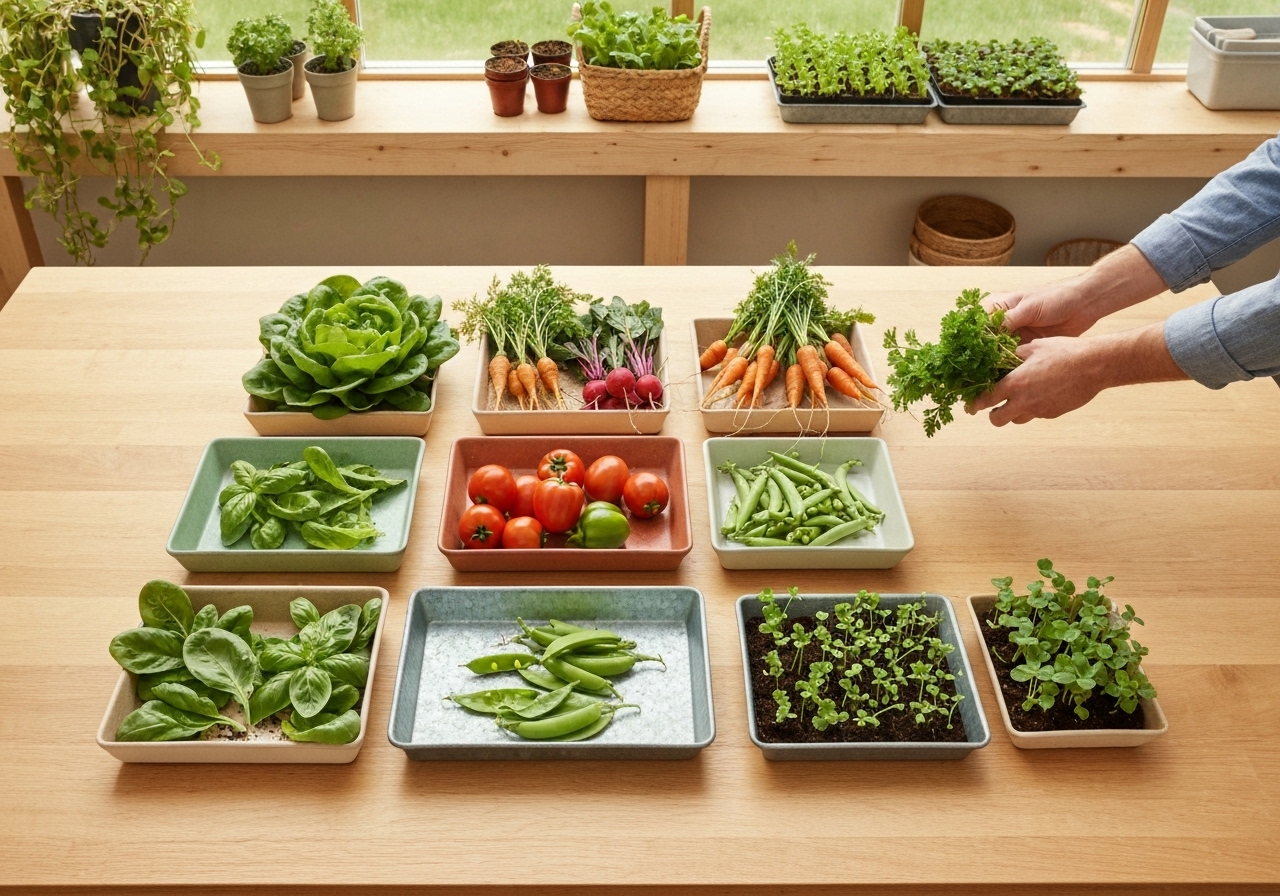
Group crops into families (Brassicaceae, Solanaceae, Poaceae, Fabaceae) and functional roles (cash, cover, green manure, root-breakers). Avoid planting two successive crops from the same family in the same bed in the next 1-3 seasons to reduce pest and pathogen carryover.
Step 3: Choose rotation length and flexibility
Choose a rotation length of 3-5 years as a baseline and add adaptive flexibility to change sequences based on simple monitoring triggers. Use a three-year core rotation on 80% of acreage and reserve 20% for opportunistic planting, market tests, or fallow-to-cover recovery.
Step 4: Set low-input fertility rules
Set fertility rules that favor on-farm resources: legume incorporation every 1-2 years, compost top-dressing yearly, and residue retention unless disease demands removal. Prioritize practices that build soil organic matter to reduce need for synthetic fertilizer over time (USDA NRCS guidance).
Step 5: Define pest and disease triggers
Define simple thresholds to adapt the rotation: e.g., if pest damage exceeds 10% of marketable yield, extend non-host rotation by one year or insert a cover crop that suppresses the pest. Record pest presence at harvest and use that log to inform the next season.
Which crops work best in low-input rotation systems?
Use a mix of cereals, legumes, brassicas, root crops, and high-residue grasses to balance nutrient flows and pest suppression. Prioritize species adapted to local rainfall and temperature, and choose hardy varieties that perform under lower fertility.
Recommended crop groups and roles
- Legumes (Fabaceae): peas, beans, cowpea, vetch, clover for nitrogen fixation.
- Cereals/Grasses (Poaceae): millet, sorghum, maize, barley for biomass and carbon return.
- Brassicaceae: oilseed radish, mustard for biofumigation and fast biomass.
- Roots/Tubers: sweet potato, cassava, beet for root-break and diverse harvest windows.
- Cover crop mixes: oats or rye with vetch or clover to combine biomass and N-fixation.
Low-input grain options for drylands
Use drought-tolerant small grains like millet and sorghum as low-input options that demand minimal fertilizer. These grains conserve soil moisture, produce stover for mulch, and support household food security (see Carbon-Smart Millet research and practice).
How to incorporate cover crops and green manures?
Incorporate cover crops every fallow or between short-season crops to build organic matter and protect the soil. Use mixtures: a legume to fix nitrogen plus a grass for biomass. Manage termination timing to avoid competition with the following cash crop.
Cover crop selection and timing
Select cover crops by season: winter rye, vetch and clover in cool seasons; cowpea, sunn hemp and pigeon pea in warm seasons.Plant covers immediately after harvest when possible to maximize growing days. Terminate covers 2-4 weeks before cash crop planting to allow residue stabilization.
Low-labor termination techniques
Terminate covers with mowing, crimping, or low-intensity grazing rather than heavy tillage or chemical desiccation where feasible. Use livestock grazing where available to convert cover biomass into fertilizer and reduce manual labor. When grazing, follow grazing rotation rules to avoid compaction.
Can small farms integrate livestock in rotation plans?
Yes: integrate livestock using rotational grazing and temporary paddocks to recycle nutrients and convert residues into manure, reducing external fertilizer needs. Sequence crops so livestock follow high-residue cereals or cover crops and precede legume or root crops when possible.
Practical grazing integration
Use portable fencing for short-term grazing on cereal stover and cover crops, then allow a rest period before planting legumes.Use small herd rotations that match crop intervals and avoid overgrazing to protect soil structure.
AI and sensor tools to optimize grazing
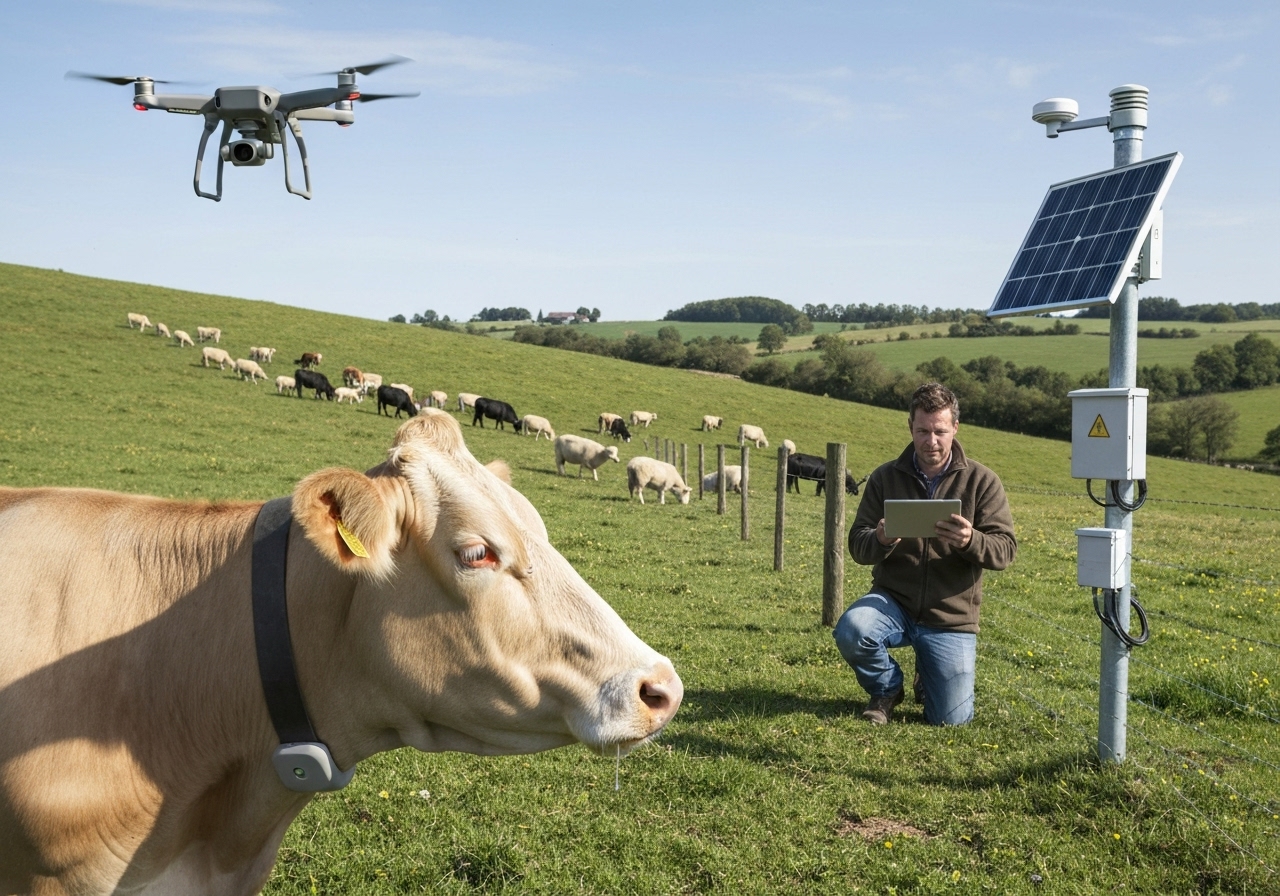
Use simple grazing logs or low-cost sensors to track paddock rest times and forage utilization; advanced farms may adopt AI-guided grazing to cut feed costs.For examples of tech-enabled grazing strategies, see case studies on AI-guided rotational grazing systems.
How do rotations reduce pests and weeds without chemicals?
Rotate non-host crops, use stale-seedbed tactics, and apply cover crop suppression to reduce weed emergence and pest buildup without chemicals.Sequence brassicas or allelopathic covers before susceptible crops to lower weed pressure and incorporate mechanical weed control timed to weed life cycles.
Stale seedbed and false seedbed methods
Prepare a seedbed and allow weed flush; then shallow-cultivate or surface-till several times to reduce weed seed bank before planting.Combine with mulches from cover crop residues for longer-term suppression.
Use of allelopathic cover crops
Use mustard or oilseed radish as short-term biofumigants that suppress soil-borne pathogens and some weed species when incorporated properly.Follow safe incorporation windows and crop compatibility rules to avoid negative effects on subsequent sensitive crops.
How to monitor and adapt rotation performance?
Monitor using a simple annual checklist: soil cover percentage, organic matter trend, pest/disease logs, yields per block, and input costs; adjust the next rotation based on deviations from targets.Use a paper log or basic spreadsheet to record outcomes and trigger adaptation rules.
Key indicators and thresholds
- Soil cover: aim for >30% cover outside cash crop canopy to reduce erosion.
- Organic matter trend: track yearly; net increase indicates successful low-input fertility building.
- Pest threshold: set damage thresholds (e.g., >10% yield loss) to change crop sequence.
- Input cost ratio: record cost per kg of produce; rising ratios trigger rotation or fertility strategy review.
Simple adaptive rules
Adjust rotation when thresholds are crossed: if soil organic matter declines, insert a green manure year; if pest thresholds are exceeded, lengthen non-host interval.Update the rotational map each year to reflect these changes.
What low-cost tools and technologies support adaptive rotations?
Use simple tools: field maps, hand-held soil probes, low-cost moisture sensors, and smartphone photos; adopt targeted high-tech where cost-effective such as drone-guided cover crop seeding for precision placement.Pair technology with farmer observations to keep complexity manageable.
Use of drone-guided cover crops
Apply drone-guided cover crop seeding to reach difficult areas, accelerate cover establishment, and reduce labor for large or fragmented plots.Drone seeding can be effective for sloped or hard-to-access fields; integrate with manual checks to ensure germination and coverage. For operational insights, consult experiences with drone-guided cover crop methods.
Water-saving tools that complement rotations
Combine rotations with micro-irrigation or mulch to stretch water and support low-input systems on marginal soils.Use low-cost drip or hand watering for key high-value rows and allocate cover crops to improve moisture retention; integrate with regenerative micro-irrigation approaches for urban or smallholder settings.
How to budget and measure economics for low-input rotations?
Budget by comparing input reductions and yield changes across rotation years; include labor and opportunity costs for cover crops and grazing services.Track per-plot revenue and costs annually to assess profitability of rotation choices.
Simple economic checklist
- Record: seed, labor, compost, water, and any contracted services per plot.
- Calculate: net revenue per crop and per rotation year.
- Compare: baseline monocrop income vs. rotated system average across 3-5 years.
Leveraging soil carbon and ecosystem markets
Investigate soil carbon credit programs and regenerative premiums as potential revenue streams for rotational practices that build soil carbon.Document practices and soil tests to support claims. See small-farm soil carbon credit case studies for practical revenue options.
What are practical 3-year rotation examples for different climates?
Apply simple 3-year templates and adapt species to local conditions; adjust cover crop timing and grazing where relevant.Examples below are templates—select adapted varieties and local planting dates.
Temperate vegetable small farm (3-year template)
Year 1: Solanaceae (tomato/pepper) with residue retention; Year 2: Brassicas with winter cover; Year 3: Legume + cereal relay cover then short-season root crop.Insert a cover crop mixture after harvest when possible to rebuild N and organic matter.
Dryland staple small farm (3-year template)
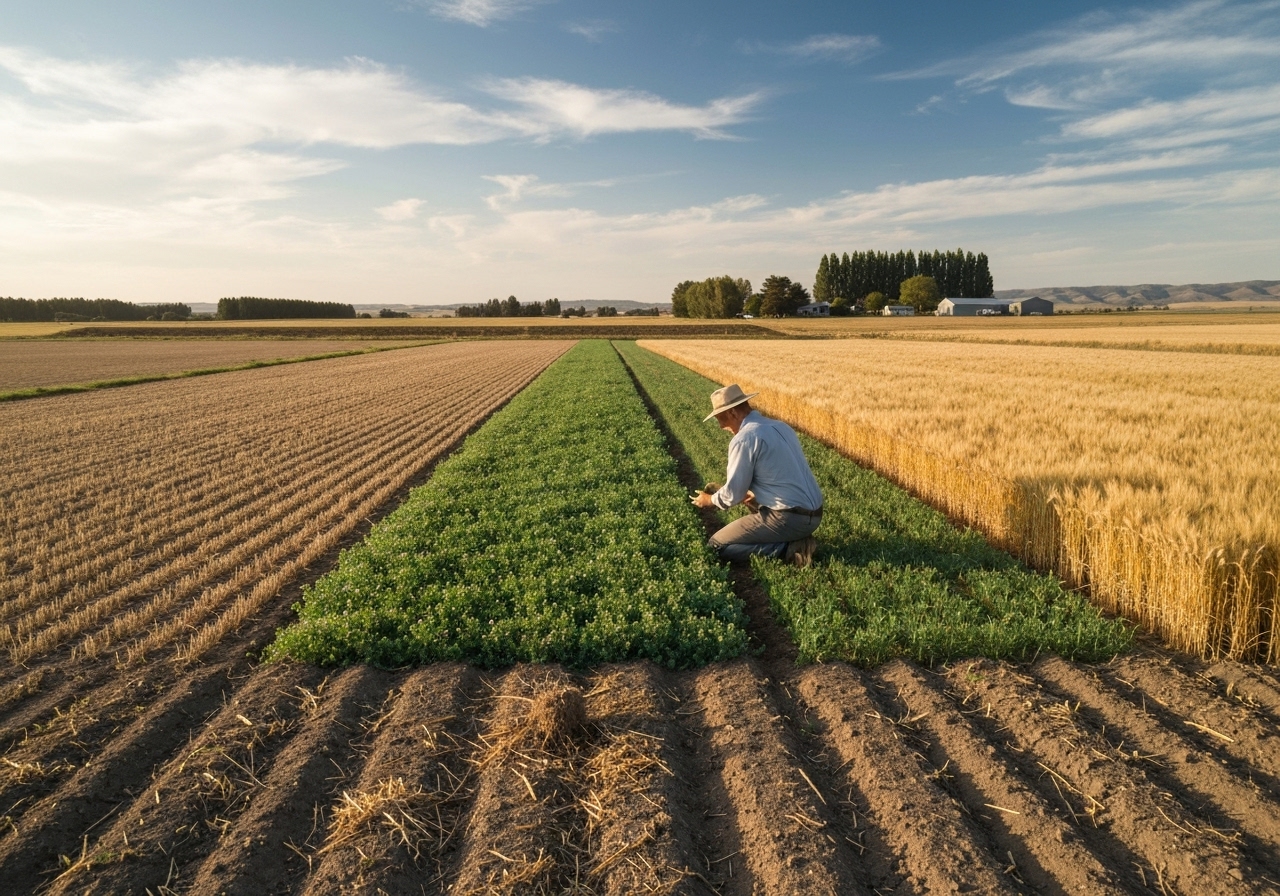
Year 1: Millet or sorghum; Year 2: Legume fallow (cowpea or pigeon pea) for N-fixation; Year 3: Mixed cereal with cover crop stubble retained for mulch.Limit tillage and prioritize residue retention to preserve moisture.
Tropical mixed garden (3-year template)
Year 1: High-residue maize; Year 2: Short-duration legumes and vegetables; Year 3: Perennial intercrop or agroforestry alley with green manure rotation.Combine with shade trees or agroforestry strips to stabilize microclimates.
How to start implementing a rotation plan on a small farm this season?
Start by mapping fields, selecting a 3-year baseline rotation for each block, planting a cover immediately after the current crop, and creating a simple monitoring log.Make only one major change in the first season to keep management learnable.
Immediate starter checklist
- Map: draw fields and note irrigation access.
- Choose: a 3-year sequence for each block.
- Plant: a cover crop on fallow ground within two weeks of harvest.
- Record: yields and pest sightings in a simple logbook.
- Review: after harvest and adjust the next season per the thresholds set earlier.
Which common mistakes to avoid?
Avoid repeating the same crop family in the same block, removing all residues when soils are low, and changing multiple variables simultaneously without monitoring.Keep records so you can attribute outcomes to specific rotation changes.
Avoid overcomplication
Design rotations that match the farm’s labor and knowledge capacity; do not overcomplicate with too many species in year one.Scale complexity as experience and resources grow.
Where to find technical support and further reading?
Consult local extension services, farmer-to-farmer networks, and tested guides from FAO and USDA NRCS for region-specific rules and trials.Use community demonstration plots to trial sequences before scaling up.
Explore soil carbon credit pathways to understand verification needs and revenue opportunities from building soil carbon through rotations. Review operational lessons from drone-guided cover crop trials for efficient cover establishment, and see water-saving examples in regenerative micro-irrigation to pair rotations with moisture-saving tactics.
Who benefits most from adaptive low-input rotations?
Small-scale producers, community farms, market gardeners, and mixed crop-livestock operations benefit most due to limited capital and high need for resilience.Producers on marginal soils and in variable climates gain risk reduction and improved resource use efficiency.
What success looks like after 3-5 years?
Success appears as higher soil organic matter trends, reduced purchased fertilizer and pesticide costs, stable or rising average yields, and lower yield variance year to year.Measure success with field logs, periodic soil tests, and economic records to ensure the rotation remains profitable and resilient.
How to scale and evolve rotation plans?
Scale by documenting what works, sharing with neighboring farms for landscape-level pest suppression, and gradually integrating low-cost technologies like sensors or drones when they clearly reduce labor or risk.Use cooperative approaches for shared equipment and knowledge to expand benefits at low cost.
What final practical advice should every smallholder follow?
Start small, document everything, prioritize soil cover and legume phases, and adapt decisions based on simple thresholds rather than intuition alone.Keep rotations straightforward those first seasons and increase diversity once the system shows gains in soil and reduced input dependence.
Quick action checklist
- Map fields and set a 3-year baseline rotation.
- Plant cover crops after harvest to protect and feed soil.
- Record yields, pests, and inputs in a simple logbook.
- Adjust rules annually using defined thresholds.
Adaptive low-input crop rotation plans for small farms are practical, low-cost pathways to resilient production. Use the templates and rules above to begin this season, test changes on a small block, and scale successful sequences across the farm.
Designing On-Farm Microbial Consortia to Enrich Soil
Designing on-farm microbial consortia gives small farms a practical path to richer soil biology, improved nutrient cycling, reduced input costs, and greater crop resilience. This guide explains what microbial consortia are, why they matter for soil fertility, and how to design, culture, test, apply, and monitor low-cost consortia at farm scale while integrating regenerative practices.
What are on-farm microbial consortia and why design them?
Microbial consortia are communities of bacteria, fungi, and other microbes that work together to support soil fertility and crop health.
Microbial consortia improve nutrient availability, enhance soil structure, suppress pathogens, and increase plant stress tolerance (according to a 202 review in Frontiers in Microbiology). Designing consortia on-farm lets farmers tailor microbial blends to soil type, crops, and climate while reducing dependence on off-farm chemical inputs.
How do microbial consortia improve soil fertility?
Microbial consortia enhance fertility through multiple complementary mechanisms.
- Fix atmospheric nitrogen using diazotrophs, increasing plant-available N (evidence in Nature Reviews Microbiology reviews).
- Mobilize phosphorus through phosphate-solubilizing bacteria and mycorrhizal fungi, improving P uptake.
- Mineralize organic matter via saprophytic microbes, releasing N, P, and S.
- Produce plant growth promoting compounds such as auxins, cytokinins, and ACC deaminase.
- Aggregate soil by producing extracellular polysaccharides, improving porosity and water retention.
- Suppress pathogens through competition, antibiosis, and induced systemic resistance.
What baseline soil tests are needed before designing consortia?
Baseline soil tests define constraints and targets for designing microbial consortia.
Collect these baseline data: 1) standard soil chemistry (pH, P, K, Ca, Mg, organic matter), 2) soil texture and bulk density, 3) soil respiration or microbial biomass estimates, and 4) simple pathogen presence if disease is a concern. Use a lab or on-farm tests like electrical conductivity probes and compost tea aeration metrics. The USDA Natural Resources Conservation Service provides guidance on basic soil testing protocols.
Which microbial functional groups should small farms include?
Include functional groups that address local limiting factors in soil fertility.
Common functional groups and roles:
- Nitrogen fixers (rhizobia for legumes; free-living diazotrophs such as Azotobacter).
- Phosphate solubilizers (Pseudomonas, Bacillus, Penicillium species).
- Mycorrhizal fungi (arbuscular mycorrhizal fungi for most crops; ectomycorrhizae for trees).
- Decomposers (Trichoderma, Bacillus, cellulolytic fungi) to speed organic matter turnover.
- Biocontrol agents (Bacillus subtilis, Trichoderma harzianum) to reduce disease pressure.
- Plant growth-promoting rhizobacteria (PGPR) producing hormones and stress-relief enzymes.
How do you source microbes for on-farm consortia?
Source microbes from reliable suppliers, on-farm isolates, and ecological transplants based on safety and local relevance.
Use three sourcing strategies: 1) purchase characterized isolates or mixed inoculants from certified suppliers and research institutions, 2) isolate beneficial microbes from thriving local soils or compost using simple culturing, and 3) use ecological transplants like compost, mature vermicompost, or rhizosphere extracts that contain complex communities. Cite research from university extension services when using commercial inoculants to compare efficacy.
Can farmers culture microbes on-farm and what equipment is required?
Yes, farmers can culture many beneficial microbes on-farm using low-cost equipment and safe protocols.
Required materials and steps:
- Materials: clean containers, air filters, a small incubator or warm sheltered area, nutrient media recipes, sterile water, and simple measuring tools.
- Methods: prepare a low-cost growth medium (for bacteria: sugar+yeast extract+minimal salts; for fungi: grain-based spawn for AMF-friendly saprophytes), inoculate with source material, maintain aeration and temperature, and dilute to desired application rates.
- Safety: practice hygiene, avoid culturing unknown pathogens, and seek extension support for isolation of unknown cultures.
What simple starter recipes work for on-farm microbial cocktails?
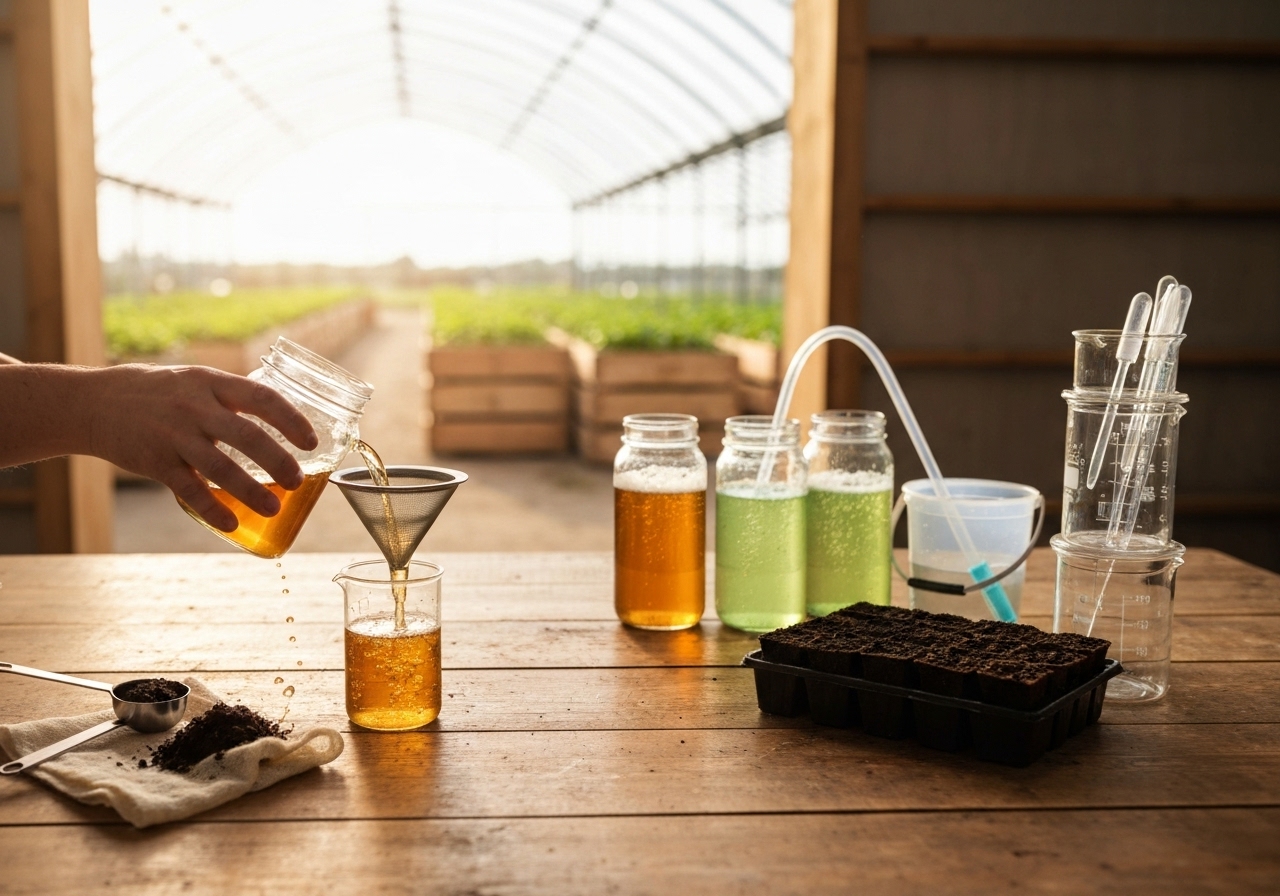
Use starter recipes that create diverse, active communities suited to application method and crop needs.
Three practical starter recipes:
- Compost tea: brew 1:10 to 1:20 compost-to-water with aeration for 12 to 24 hours at 18-25 C, using molasses (.5-1 g per liter) for bacterial-dominant tea; use kelp or fish hydrolysate for fungal-promoting teas. Monitor odor and oxygenation to avoid anaerobic conditions (per extension guidance).
- Liquid mixed inoculant: combine dilute suspensions of nitrogen fixing bacteria, phosphate solubilizers, and PGPR to 10^6-10^8 CFU/ml prior to seed or soil application. Mix immediately before use and keep cool.
- Carrier-based granular: blend peat, biochar, or vermiculite with concentrated inoculum and dry to 10-20% moisture for seed coating or banded soil placement.
How should microbial consortia be applied on small farms?
Apply consortia using seed coatings, soil drenches, transplant dips, or banded granules depending on crop and life stage.
Application methods and guidance:
- Seed coatings: apply carrier-based inoculum to seed using adhesive binders (e.g., methyl cellulose), aiming for 10^4-10^6 CFU per seed. Seed coatings fit low-seed-rate crops and save on inoculant volume.
- Soil drenches and compost tea: apply 100-500 liters per hectare for field crops, focusing on root zones during early growth stages. Use calm morning hours and irrigate lightly after application when needed.
- Transplant dips: dip roots in microbial suspension (10^6 CFU/ml) for 5-30 minutes before planting to ensure rhizosphere colonization.
- Banded granules: place granular carriers near the seed row for longer persistence where repeated liquid application is difficult.
How do you integrate microbial consortia with regenerative practices?
Integrate microbial consortia with cover cropping, reduced tillage, organic amendments, and agroforestry to amplify benefits.
Integration steps:
- Cover crops: plant legumes to partner with nitrogen-fixing microbes and grasses to build fungal networks.
- Reduced tillage: minimize disturbance to preserve hyphal networks and microbial structure.
- Organic matter inputs: apply compost, composted manure, and biochar as carriers and substrates for consortia activity.
- Polyculture and agroforestry: create root diversity to support microbial biodiversity; see strategies in regenerative agroforestry approaches.
How do you monitor microbial consortia success on-farm?
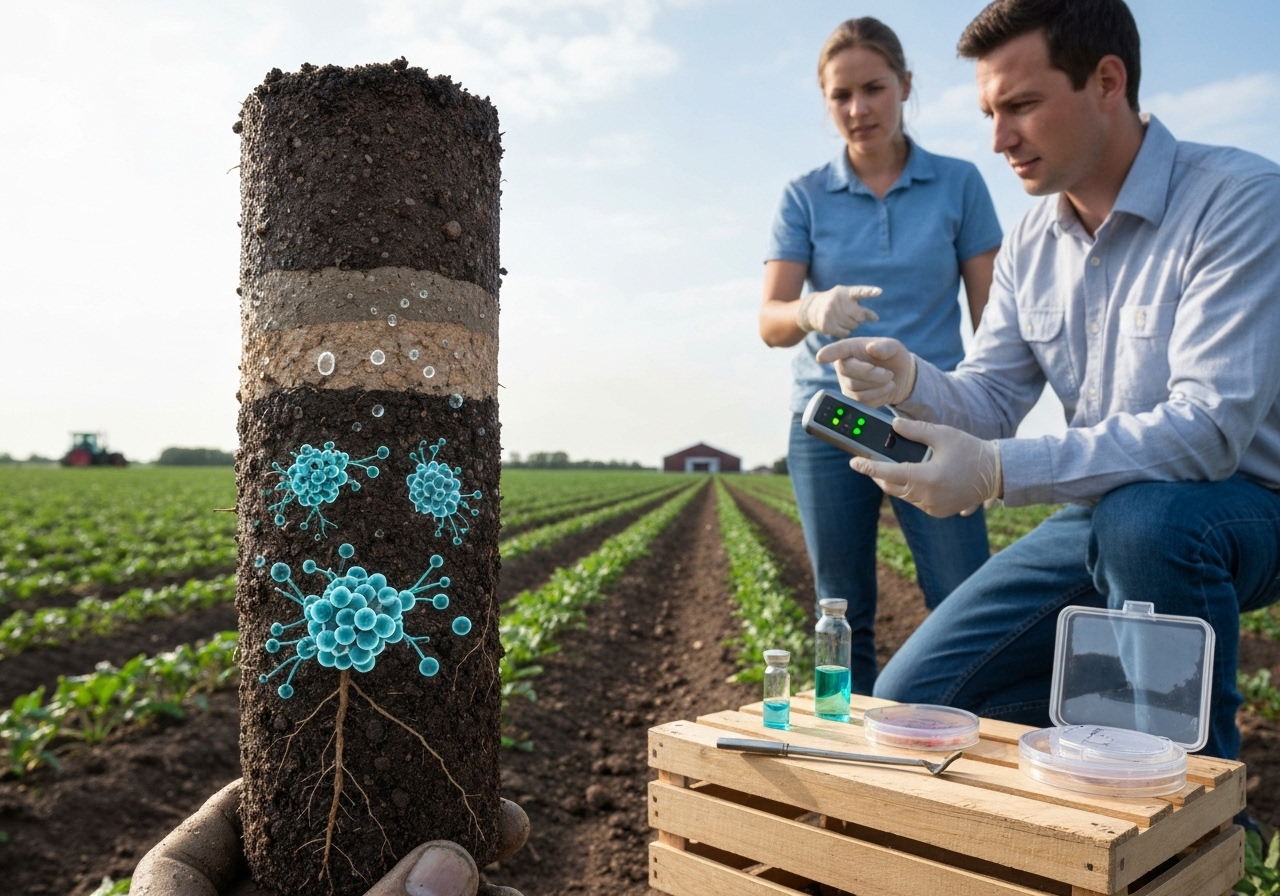
Monitor consortia success using soil chemical, biological, and plant performance indicators.
Key monitoring metrics:
- Soil chemistry: pH, available P and K, and nitrate/ammonium trends using periodic lab tests.
- Soil biology: soil respiration rate, microbial biomass carbon (fumigation-extraction where available), and simple enzyme assays (phosphatase, dehydrogenase).
- Plant metrics: emergence rate, vigor scores, leaf color indices, and yield per unit area.
- Targeted microbiome assays: 16S and ITS sequencing can track community shifts when funded; partner with university labs or services for periodic snapshots.
Combine low-cost sensors and labor-light protocols. Use insights from sensor-guided monitoring to integrate real-time data when possible.
What are common pitfalls and how to troubleshoot consortia on small farms?
Common pitfalls include poor colonization, contamination, and mismatch between microbe function and field constraints.
Troubleshooting steps:
- Poor colonization: improve carrier quality, increase inoculum density, apply during cooler periods, and avoid applying after heavy chemical sprays.
- Contamination: discard cultures showing foul odors or slimy films; adopt sterilization and aseptic handling for liquid cultures.
- Mismatched function: revisit baseline soil tests and replace or augment the consortium with microbes targeting limiting nutrients or stresses.
Are there regulatory or safety considerations?
Yes, follow local regulations on introducing microbial products and avoid culturing potential pathogens on-farm.
Safety and compliance guidance:
- Check national and regional agricultural agencies for rules on biofertilizers and microbial releases.
- Prefer locally sourced or well-characterized strains with documented safety records.
- Use personal protective equipment during culturing and application, and label stored inoculants clearly.
How do you design experiments to test consortia effectiveness?

Design randomized, replicated trials with clear controls to measure effect size and economic value.
Experimental design steps:
- Set up randomized plots with n=3 or more replicates per treatment across representative field zones.
- Include controls: untreated, single-strain inoculant, and full consortium to separate interactions.
- Measure soil and plant metrics at baseline, mid-season, and at harvest to capture trajectories.
- Analyze results with simple statistics (ANOVA) or nonparametric tests if sample sizes are small. Document management history for repeatability.
What are low-cost quality control checks for on-farm cultures?
Use simple visual, olfactory, and plate-based checks to assess culture health and purity.
Quality control methods:
- Visual: check for turbidity and consistent color changes in liquid cultures.
- Olfactory: healthy bacterial cultures smell fresh or yeasty; foul odors indicate anaerobic spoilage or contamination.
- Simple plating: streak a small sample on general agar to observe colony types and estimate contamination.
- CFU estimates: perform serial dilutions and plate counts if resources permit to quantify viable cells.
How much do on-farm consortia programs cost and what is the ROI?
Costs vary by scale, equipment, and monitoring depth; ROI stems from reduced fertilizer inputs, higher yields, and improved resilience.
Cost factors and ROI considerations:
- Initial costs: low-cost incubators, carriers, and starter cultures range from a few hundred to a few thousand dollars depending on scale.
- Recurring costs: carrier materials, molasses, and minimal lab supplies.
- Benefits: decreased fertilizer purchases, higher nutrient use efficiency, improved yields, and potential premium for regenerative products. Studies on soil microbial interventions report variable yield responses from 5 to 30 percent depending on conditions.
- Leverage carbon markets: increased soil carbon from improved biology may create opportunities in programs described in soil carbon credit initiatives.
What case studies and field reports show success with microbial consortia?
Case studies show improved yield, nutrient use efficiency, and salinity mitigation with targeted consortia.
Examples and references:
- Field trials with multi-strain PGPR consortia reported yield gains in vegetables and cereals when paired with organic amendments (university extension publications).
- Saline field rehabilitation trials using microbial seed coatings improved germination and early growth in arid climates (research reported in Applied Soil Ecology and operationalized in projects described in microbial seed coatings for saline fields).
- On-farm records combining consortia with cover crops and reduced tillage demonstrate lasting increases in soil respiration and aggregate stability over 3 to 5 years.
Can microbial consortia help urban and rooftop farms?
Yes, microbial consortia support soil and substrate fertility in urban farms and rooftop systems when tailored to container media.
Urban-specific tips:
- Use lighter carriers such as biochar and coco coir blends for rooftop weight limits.
- Combine inoculants with tailored fertigation schedules to avoid salt buildup in closed systems; see compatible strategies in regenerative micro-irrigation for rooftops.
- Prioritize mycorrhizal fungi for tree crops in containers and PGPR for leafy greens to maximize nutrient use efficiency.
How do you evolve consortia season to season?
Evolve consortia iteratively by tracking performance, swapping strains, and enriching successful local strains.
Iteration steps:
- Document performance year-to-year and identify consistent winners.
- Enrich locally successful strains by selective culturing from the rhizosphere of top-performing plants.
- Rotate functional emphasis seasonally: emphasize P-solubilizers during early root growth and decomposers post-harvest for residue breakdown.
What future tools improve on-farm consortia design?
Emerging tools such as low-cost sequencing, AI microbiome mapping, and sensor networks support precision community design.
Tools to watch:
- Portable sequencing and partner lab services for periodic community profiling; see advances in AI soil microbiome mapping.
- Soil sensors that combine moisture, temperature, and redox to time applications for microbial survival.
- Decision-support platforms that recommend consortia based on soil tests, crop, and climate.
What practical first steps should a small farmer take this season?
Begin with simple, low-risk actions: test soil, add quality compost, trial a compost tea or commercially trusted inoculant, and monitor results.
Action plan for the season:
- Test soil chemistry and respiration to set targets.
- Apply mature compost at 5-20 tonnes per hectare to provide a microbial carrier and substrate.
- Run a small pilot: compare control, compost tea, and a simple microbial consortium on replicated beds.
- Record plant emergence, vigor, and yield; iterate based on data.
Useful resources and reading
Consult extension publications, university protocols on inoculant handling, and the FAO and USDA guidance on biofertilizers. Read synthesis articles in Frontiers in Microbiology and Applied Soil Ecology for evidence-based protocols and safety considerations.
Designing on-farm microbial consortia is a practical, adaptive strategy for small farms to rebuild soil fertility. By combining sound baseline testing, careful sourcing, simple culturing, targeted application, and integration with regenerative practices, farmers can create resilient soils that support steady yields and lower input costs.
From Farm to Table in Morocco: How Recommended Restaurants by AtMarrakech Support Local Agriculture
Moroccan chefs now serve vegetables harvested just hours earlier from fields outside Marrakech. This simple change has transformed both dining and farming in the region. Fresh produce travels less than 50 kilometers from soil to plate, keeping flavors intense and money in local pockets.
Tourists and residents seeking authentic meals increasingly turn to the recommended restaurants by AtMarrakech. These carefully chosen spots prioritize ingredients grown by small-scale farmers and cooperatives in the Haouz plain and Ourika Valley.
Farmers Gain Steady Markets
Most Moroccan family farms span fewer than five hectares. Before the farm-to-table movement gained speed, many growers struggled to sell perishable crops at fair prices. Restaurants solved that problem.
Chefs visit farms weekly or place standing orders. Farmers know exactly how much mint, zucchini, or pomegranate to plant. One cooperative near Tamesloht now supplies nine Marrakech restaurants with organic tomatoes and herbs. Its members doubled their income in three years.
This direct link cuts out middlemen. Farmers earn two to three times more than they did at wholesale markets. Women’s cooperatives, especially those making argan oil and preserved lemons, benefit most. Steady restaurant orders give them financial independence.
Preserving Old Ways and Old Seeds
Traditional crops almost disappeared under pressure from hybrid varieties. Chefs refuse to cook with them. They demand heirloom carrots from Oumnass, purple maize from the High Atlas, and Berber wheat grown near Asni.
- Amal Association restaurant trains disadvantaged women and buys all vegetables from nearby female-run farms.
- Le Jardin grows part of its salad greens in its own courtyard and sources the rest from a single family in the Ourika Valley.
- Nomad works with a saffron cooperative in Taliouine, ensuring fair wages for harvest workers.
- Dar Yacout keeps centuries-old recipes alive by insisting on specific varieties of olives and almonds.
Seasonal Menus Tell the Story
Walk into a farm-to-table restaurant in Marrakech today and the menu changes almost daily. No tomatoes in January. No watermelon in December. Chefs celebrate what the land gives right now.
That limitation sparks creativity. Winter brings slow-cooked tagines with turnips and quince from Setti Fatma. Spring explodes with fresh fava beans and artichokes. Summer means chilled yogurt soups with cucumber straight from the field.
Diners learn where each ingredient grew. Servers happily explain that the carrots came from Fatima’s plot near Aghmat or that the honey drizzled on dessert supports a mountain village beekeeper.
Water, Soil, and Future
Agriculture around Marrakech faces drought and soil depletion. Restaurants respond by choosing producers who use drip irrigation and natural compost. Some even pay premium prices for farms switching to agroecological methods and innovations in crop farming.
Young farmers see a future again. Instead of leaving for Europe, many return to family land. They plant almond trees, install solar pumps, and deliver boxes of greens to restaurant back doors at dawn.
A Model That Works
The farm-to-table movement in Marrakech proves simple ideas carry big impact. Chefs cook better food. Farmers earn decent livings. Ancient seeds survive. Water stays in the soil longer.
Next time you sit under the lanterns of a Marrakech rooftop, taste the difference. Every bite of fresh zaalouk or grilled pepper salad supports a farmer, a tradition, and a quieter kind of revolution happening just beyond the city walls.
The recommended restaurants by AtMarrakech continue to lead this quiet change, one plate at a time.
Robotic Pollinators Transform Small-Scale Family Farms
What are Robotic Pollinators?

Robotic pollinators are small, engineered devices that mimic insect pollination to transfer pollen between flowers and produce fruit set on farms.
Robotic pollinators combine sensors, actuators, navigation, and pollination payloads to perform targeted, repeatable pollination tasks in orchards, greenhouses, and field plots.
How do Robotic Pollinators work on small-scale family farms?
Robotic pollinators use cameras and micro-sensors to locate flowers, then apply pollen mechanically or with micro-droplet delivery to the stigma.
Robotic pollinators navigate using GPS, computer vision, or simple rail and waypoint systems for greenhouses. Robotic systems vary from flying micro-drones to ground-based manipulators.
Robotic pollinators operate on programmed schedules, on-demand triggers, and through farmer inputs delivered by mobile or desktop interfaces.
What benefits do Robotic Pollinators provide to small-scale family farms?
Robotic pollinators raise effective pollination rates where insect pollinators are absent or unreliable.
- Robotic pollinators increase yield by improving fruit set in crops such as berries, apples, and greenhouse tomatoes.
- Robotic pollinators reduce labor for hand-pollination and targeted pollination tasks.
- Robotic pollinators enable off-season or protected-environment pollination when wild pollinator activity is low.
- Robotic pollinators support crop diversification by making pollination of specialty crops more predictable.
What limitations and risks come with Robotic Pollinators?
Robotic pollinators require upfront capital, technical maintenance, and periodic calibration to remain effective.
Robotic pollinators face battery and charging constraints, limited flight time for aerial units, and mechanical wear for contact systems.
Robotic pollinators may not fully replace ecological services provided by bees, such as biodiversity and cross-pollination across multi-crop landscapes.
How do Robotic Pollinators interact with the farm ecosystem?
Robotic pollinators complement natural pollinators by providing targeted pollination in times and places where insect activity is insufficient.
Robotic pollinators work best when farms maintain habitat for wild pollinators, reduce harmful pesticide exposure, and monitor soil and plant health.
Robotic pollinators benefit from data on floral phenology and soil conditions; integrate data from soil testing and microbiome mapping for optimal timing. For strategies on soil-driven crop health, see soil microbiome mapping.
How can a family farm choose the right Robotic Pollinator system?
Robotic pollinators selection depends on crop type, farm size, budget, and management capacity.
Robotic pollinators match greenhouse growers with short-range solutions and field growers with longer-range or ground-based systems.
Robotic pollinators selection should follow a three-step evaluation: 1) define pollination goals; 2) test small units in a trial block; 3) scale only after verifying fruit set and cost-per-fruit metrics.
What are the cost and return-on-investment (ROI) considerations for Robotic Pollinators?

Robotic pollinators deliver ROI through yield gains, labor savings, and improved crop quality.
Robotic pollinators initial costs vary widely: entry-level systems cost in the low thousands, professional units reach tens of thousands of dollars per device or system installation.
Robotic pollinators break-even points depend on crop value; calculate ROI using: increased yield revenue minus maintenance and amortized equipment cost divided by years of service.
How to estimate simple ROI for Robotic Pollinators?
Robotic pollinators ROI calculation requires annual yield lift percentage, crop price per unit, equipment amortization period, and operating hours.
Robotic pollinators example: a 10% yield increase on a 1-acre berry patch valued at $20,000 gross revenue yields $2,000 additional income annually. Robotic pollinators costing $6,000 with a 3-year service life approach positive ROI if labor and maintenance offsets remain under $1,000 per year.
What are practical steps to implement Robotic Pollinators on a small family farm?
Robotic pollinators implementation begins with a small-scale pilot and simple metrics to judge success.
- Robotic pollinators pilot: choose a representative plot with 10-20% of production for testing.
- Robotic pollinators scheduling: align pollination runs with peak bloom and daily flower opening windows.
- Robotic pollinators monitoring: use fruit set counts, blossom-to-fruit ratios, and photographic logs to measure effectiveness.
- Robotic pollinators maintenance: set weekly checks for batteries, sensors, and pollination heads.
How do Robotic Pollinators fit into regenerative and sustainable farming practices?
Robotic pollinators support sustainable farming by reducing reliance on rented hives and lowering hand-pollination labor intensity.
Robotic pollinators reduce pesticide drift needs when targeted pollination reduces crop stress and improves fruit set under reduced chemical inputs. For complementary sustainable practices, review guidance on eco-friendly and sustainable farming.
What design features matter for Robotic Pollinators used by family farms?
Robotic pollinators require simple user interfaces, modular repair kits, and low-maintenance consumables for adoption by non-technical users.
Robotic pollinators should include adjustable pollination intensity, field-tough enclosures, and multiple power options such as swappable batteries or solar-charged bases.
Robotic pollinators with open APIs and data export help farms integrate pollination data into farm management platforms and into systems like pasture and sensor networks. See practical technology integration in smart pasture management tools.
Which crops benefit most from Robotic Pollinators?
Robotic pollinators benefit crops that are pollinator-dependent and high-value per acre.
- Robotic pollinators help strawberries, blueberries, raspberries, cherries, apples, almonds in protected mini-orchards, and greenhouse tomatoes and peppers.
- Robotic pollinators are effective for boutique and specialty crops such as heirloom tomatoes, seed crops, and small-plot cut flowers.
What training and skills do farmers need to operate Robotic Pollinators?
Robotic pollinators operation requires basic technical literacy, routine mechanical checks, and data interpretation for timing adjustments.
Robotic pollinators training resources typically include vendor onboarding, local extension workshops, and peer-to-peer farm trials.
How do Robotic Pollinators affect labor and farm workflows?
Robotic pollinators shift labor from repetitive hand-pollination to oversight, data analysis, and device maintenance roles.
Robotic pollinators workflow redesign reduces peak-season manual labor by 20-80% depending on crop and whether the farm previously hand-pollinated or rented labor.
What regulatory and safety issues apply to Robotic Pollinators?
Robotic pollinators fall under general drone, radio, and small-robot regulations in many jurisdictions; users must comply with local rules for unmanned systems.
Robotic pollinators must follow safety protocols for batteries, sharp moving parts, and operating near people and livestock.
What monitoring metrics should farmers track for Robotic Pollinators?
Robotic pollinators monitoring should track blossom count, pollination runs per day, fruit set percentage, fruit quality scores, and device uptime.
Robotic pollinators data should be stored weekly and evaluated against control plots to determine effectiveness and to tweak schedules.
What environmental trade-offs relate to Robotic Pollinators?
Robotic pollinators reduce pressure on managed bee hives but generate electronic waste, energy consumption, and production emissions that must be managed.
Robotic pollinators environmental trade-offs improve when devices use recyclable materials, swappable batteries, and are paired with renewable charging solutions.
How can Robotic Pollinators be combined with other precision agriculture tools?
Robotic pollinators integrate with pest scouting drones, soil sensors, and farm management software for synchronized operations.
Robotic pollinators paired with soil microbiome and plant-health mapping deliver better timing and higher success rates by aligning pollination runs with plant vigor. For mapping tools and practical approaches, see soil microbiome mapping advice.
What innovations are emerging in Robotic Pollinators design?
Robotic pollinators are trending toward quieter flight, feather-light grippers, and passive pollen-capture surfaces to minimize flower damage.
Robotic pollinators are adopting machine learning for flower detection and scheduling, enabling adaptive pollination that improves over seasons.
What business models support Robotic Pollinators for family farms?
Robotic pollinators are available as direct purchase, lease, and pollination-as-a-service models.
Robotic pollinators as a service reduce upfront cost and transfer maintenance responsibilities to providers. Leases allow upgrades without high capital outlay.
Which community and policy actions accelerate Robotic Pollinators adoption?
Robotic pollinators adoption grows with public funding for pilot projects, technical extension services, and local workshops.
Robotic pollinators benefit from standards that ensure interoperability, repairability, and safety certifications tailored to agriculture devices.
How can family farms test Robotic Pollinators without heavy investment?
Robotic pollinators trials begin with short rental periods, shared cooperative purchases, or joining university and extension pilot programs.
Robotic pollinators cooperatives let 3-5 neighboring farms share a device seasonally and split maintenance and data responsibilities.
What future role will Robotic Pollinators play in small-scale farming?
Robotic pollinators will become complementary tools that increase predictability, allow crop diversification, and reduce seasonal labor peaks.
Robotic pollinators will support resilient rural livelihoods by enabling higher-value cropping and by integrating with sustainable practices rather than replacing beneficial insects.
What questions should farmers ask vendors about Robotic Pollinators?
Robotic pollinators vendors should answer questions about spare parts, warranty, calibration support, maintenance schedules, and expected fruit set improvements.
Robotic pollinators vendors should provide local references, measured trial data, and clear pricing for consumables and software subscriptions.
Where can farmers learn more about Robotic Pollinators and related innovations?
Robotic pollinators resources include agricultural extension services, technology incubators, and farm networks exploring precision pollination.
Robotic pollinators readers can pair learning about pollination technology with broader agricultural innovation topics in posts about opportunities in crop farming and practical methods. For overviews on innovation and practices, consider reading opportunities and innovations in crop farming.
How should family farms combine Robotic Pollinators with traditional pollinator stewardship?
Robotic pollinators should be used alongside habitat conservation, reduced-toxic spraying, and seasonal hive placement to maintain ecological balance.
Robotic pollinators work best when farms create wildflower strips, nesting habitats, and pesticide-free refuge zones to support wild pollinator populations.
What immediate actions can a small-scale farmer take this season?
Robotic pollinators immediate actions include: 1) assess bloom windows; 2) contact local suppliers for short-term trials; 3) set simple success metrics and trial a small block; 4) train one person on maintenance and scheduling.
Robotic pollinators immediate actions combined with better pasture management and soil health practices create compound benefits for whole-farm resilience. For pasture-related tech and sensor strategies, review smart pasture management.
Suggested checklist for first-season Robotic Pollinators pilot

- Robotic pollinators choose a 10-20% trial block.
- Robotic pollinators record pre-trial fruit set for baseline data.
- Robotic pollinators schedule runs at peak bloom daily for trial weeks.
- Robotic pollinators compare treated vs untreated plots for fruit count and quality.
- Robotic pollinators calculate simple ROI after harvest.
What final considerations should family farms weigh before adoption?
Robotic pollinators should be considered as tools that change workflows, not as one-time fixes.
Robotic pollinators long-term success depends on quality of integration, local support, and willingness to iterate based on seasonal results.
Robotic pollinators adoption will scale fastest where farmers pair devices with sound ecological management and practical economic planning.
Regenerative Micro-Irrigation for Urban Smallholder Farms
What is regenerative micro-irrigation for urban smallholder farms?
Regenerative micro-irrigation is the integration of water-efficient, localized irrigation technologies with soil-regenerative practices tailored for urban smallholder farms.
This approach reduces water use, rebuilds soil organic matter, increases yields per square meter, and improves climate resilience for small urban plots, rooftops, balconies and community gardens.
Why choose regenerative micro-irrigation in cities?
Because it cuts water demand and restores soil while fitting constrained urban spaces.
Urban smallholder farms face limited area, variable water access, and higher costs. Regenerative micro-irrigation addresses those by delivering water to the root zone, minimizing evaporation and runoff, and pairing irrigation with compost, mulches, and perennial plantings to store carbon and nutrients.
Which micro-irrigation technologies work best for urban smallholder farms?
Drip tape, pressure-compensating drippers, subsurface drip, micro-sprinklers and wicking systems perform best in urban contexts.
Choose based on container type, bed depth, crop spacing and water quality. Drip lines suit raised beds and containers. Subsurface drip reduces surface evaporation for deeper beds. Wicking beds and capillary mats fit shallow containers and rooftop planters.
Key device types and when to use them

- Drip emitters and drip tape: use for row crops, herbs, and vegetables in beds.
- Pressure-compensating drippers: use on uneven pressure or mixed elevations.
- Subsurface drip irrigation (SDI): use in deep raised beds and perennial beds to target roots.
- Micro-sprinklers: use for seedlings, nurseries, or small orchards when light overhead wetting is acceptable.
- Wicking beds and capillary mats: use for containerized vegetables and rooftop planters.
How do you design a regenerative micro-irrigation system?
Design by assessing water supply, plot layout, crop water needs, emitter flow rates and delivery pressure.
Follow these steps to design a functional system:
- Map the site: measure bed dimensions, container sizes, roof slopes and storage locations.
- Identify water sources and quality: municipal, rainwater, greywater, or tanker supply.
- Calculate crop water needs: use crop evapotranspiration (ETc) estimates or published crop coefficients.
- Select emitters and layout: choose emitter flow (L/hr or gph) and spacing based on plant spacing.
- Size storage and pump: match tank volume to dry-season demand and choose a pump rated for required head.
- Install filters and backflow preventers: protect water quality and public systems.
- Integrate control and monitoring: use timers, soil moisture sensors and flow meters for automation.
Simple emitter sizing example
For 50 tomato plants spaced .5 m apart in a 10 m long bed, use 2 L/hr emitters per plant and irrigate 1 hour every other day in peak season. That equals 100 L per cycle and 50 cycles per month.
What water sources can urban smallholders use legally and safely?
Rainwater, treated greywater, municipal supply and captured condensate are common sources when legal rules permit.
Check local regulations before using greywater. Install sediment and biological filtration where needed. Rainwater harvesting combined with first-flush diverters and covered storage gives the best balance of quantity and safety for irrigation.
Rainwater harvesting tips
- Size storage to cover 2-4 weeks of dry-season demand.
- Use gutters with leaf screens and first-flush units to reduce debris.
- Install a covered tank with a screened overflow and an accessible cleanout.
How does soil health factor into regenerative micro-irrigation?
Healthy soil increases water retention and nutrient supply, reducing irrigation frequency and improving crop resilience.
Prioritize adding organic matter, inoculating with beneficial microbes, reducing compaction, and using cover crops or permanent beds. Soil that holds more water reduces peak irrigation needs and buffers plants between cycles. For soil biology techniques, consult dedicated mapping and management resources that detail microbe-driven strategies: soil microbiome mapping for small-scale climate farms.
How do regenerative practices integrate with micro-irrigation?

Combine mulches, compost, cover cropping and perennial plantings with micro-irrigation to sequester carbon and stabilize soil moisture.
Mulch reduces evaporation and cools root zones. Compost increases porosity and water holding capacity. Perennial roots create channels for water infiltration and reduce the need for frequent cultivation.
How can sensors, controllers and renewable energy improve systems?
Sensors and solar power enable smart control, reduce operating costs, and prevent overwatering.
Use soil moisture sensors to irrigate by need rather than schedule. Combine with solar-powered pumps for off-grid plots or to lower electricity bills. Low-cost IoT controllers can send alerts, log irrigation events, and integrate with weather forecasts to suspend cycles before rain.
Essential monitoring components
- Soil moisture probes at root depth.
- Flow meters to detect leaks or blockages.
- Rain sensors or weather API integration to avoid redundant irrigation.
- Simple pressure gauges and valve switches for maintenance alerts.
Which crops and plant layouts maximize water efficiency?

Choose high-value, water-efficient crops and plant densely with companion planting and stacking to maximize yield per liter.
Leafy greens, herbs, tomatoes, peppers, eggplant and many salad greens perform well under micro-irrigation. Include shallow-rooted and deep-rooted species to exploit vertical soil water distribution. Use vertical trellises, stacked beds and intercropping to maximize square-meter productivity.
Recommended small-scale crop strategies
- Rotate deep-rooted legumes with shallow vegetables to improve nutrients and structure.
- Interplant quick-maturing greens between slower crops.
- Integrate small fruit bushes or dwarf trees where space allows for perennial yield.
How do you maintain and troubleshoot micro-irrigation systems?
Maintain by flushing lines, cleaning filters monthly, checking emitters and monitoring flow rates.
Common issues: clogged emitters, low pressure, leaks, algae growth in tanks and pressure loss from worn pumps. Address problems using a simple diagnostic routine: check source, inspect filters, test pressure at manifold, then examine each lateral line.
Maintenance checklist
- Weekly: visual inspection and valve checks.
- Monthly: clean filters and flush lines.
- Seasonally: inspect tanks, pumps, and replace worn tubing or emitters.
- Annually: test water quality and calibrate sensors.
What are typical costs, financing options and ROI for urban systems?
Costs vary from a few hundred to several thousand USD depending on scale, storage and automation; payback usually occurs in 1-4 years from water and labor savings.
Small DIY systems for balconies can cost $100-500. Front-yard and community-bed systems with tanks and pumps range $1,000-8,000. Grants, microloans, green city rebates and crowd-funded community models reduce upfront costs. Factor in local water prices and labor savings when estimating ROI.
Cost reduction strategies
- Use second-hand tanks and gravity-fed systems where possible.
- Stage automation: start manual, add sensors later.
- Pair community installations to share costs and maintenance.
How does regenerative micro-irrigation support biodiversity and pollination?
It supports biodiversity by stabilizing soil, providing habitat through perennial plantings, and reducing pesticide runoff.
Design edges and pollinator corridors with native flowers and shrubs. Reduce broad-spectrum pesticide use and adopt habitat elements for beneficial insects. For novel pollination strategies in constrained urban environments, consider research on technological supplements and pollination alternatives outlined in related innovation literature: options for innovations in crop farming.
How to scale from a patio garden to a neighborhood program?
Scale by documenting results, standardizing modular designs, training volunteers and pooling water storage and technical support.
Create a hub-and-spoke model where a larger central storage and pump services multiple beds. Standardize drip layout plans and create community lending libraries for tools and parts. Use shared monitoring dashboards to coordinate irrigation schedules and maintenance among sites.
Community program tips
- Train 5-10 local stewards to reduce single-point failure.
- Use a shared inventory of spare emitters and filters.
- Organize monthly maintenance days and knowledge-sharing workshops.
What metrics should you track to evaluate success?
Track water use per square meter, yield per square meter, soil organic matter percentage, and plant health indices.
Measure baseline water use and yield before installing systems. After installation, monitor percent water savings, crop yields, and changes in soil organic carbon. Use simple log sheets or digital dashboards for comparison over months and seasons.
Which policies and incentives help urban smallholders adopt these systems?
Incentives include rainwater-harvest rebates, greywater permits, micro-irrigation subsidies and rooftop garden grants.
Advocate for policies that allow legal greywater use for irrigation, reduce permit barriers for rooftop tanks, and fund training for smallholders. Municipal demonstration gardens and public-private partnerships speed adoption.
How do you begin implementing regenerative micro-irrigation today?
Start by assessing your plot, selecting a water source, and installing a simple drip layout with a timer and a filter.
Follow this quick-start checklist to move from plan to practice.
Quick-start checklist
- Measure bed and container dimensions.
- Choose a water source and check local regulations.
- Buy a basic kit: filter, mainline tubing, drip tape or emitters, end caps, and a timer.
- Install a simple emitter per plant, test pressure, and observe soil moisture for one week.
- Add mulch and compost to begin soil regeneration.
Step-by-step installation for a 10 m raised bed
- Lay mainline from water source to the bed manifold.
- Install a 75-150 mesh filter at the tank or municipal tap.
- Attach a pressure regulator to maintain 10-30 psi depending on emitters.
- Run lateral drip tape along rows at the recommended spacing.
- Cap ends and flush system to clear debris.
- Set a timer for short, frequent cycles while seedlings establish, then switch to longer, less frequent cycles for mature plants.
Where can you learn more and get designs for specific urban situations?
Use practical guides, local extension services, demonstration gardens and open-source design repositories for plans and parts lists.
For holistic, sustainable practice alignment, review materials on eco-friendly and sustainable farming that explain broader regenerative principles and community models: eco-friendly and sustainable farming. Combine these practices with detailed microbiome mapping, irrigation scheduling and low-cost sensor strategies to optimize results.
What are key takeaways for urban smallholder farmers?
Adopt targeted irrigation, invest in soil regeneration, monitor results, and start small to scale up with community support.
Regenerative micro-irrigation amplifies limited urban space by improving water efficiency, restoring the soil resource base, and increasing reliable yields. Begin with a simple drip layout, add rainwater capture, prioritize organic matter, and iterate using sensor data to refine schedules.
For further reading on complementary topics such as pasture management, pollination innovations and broader farming methods, explore connected resources on site to expand your project scope and technical knowledge.
Regenerative Micro-Climate Farming for Urban Rooftops
Regenerative Micro-Climate Farming for Urban Rooftops
Regenerative micro-climate farming for urban rooftops is a systems-based method that creates self-sustaining, productive rooftop ecosystems that improve soil health, capture water, support biodiversity and sequester carbon.
What is regenerative micro-climate farming on rooftops?
Regenerative rooftop farming is the practice of designing rooftop gardens as resilient micro-climates that restore ecological functions while producing food and ecosystem services.
Regenerative rooftop systems prioritize living soils, plant diversity, water cycling, habitat for pollinators and low-energy inputs. These systems move beyond aesthetic green roofs to productive farms that enhance local climate resilience.
Why build a micro-climate on an urban rooftop?
You should build micro-climates on rooftops to reduce building heat loads, retain stormwater, extend growing seasons and produce nutritious food near consumers.
Rooftop micro-climates moderate rooftop temperatures, lower ambient urban heat islands, reduce downstream storm flows and increase urban biodiversity. They convert underused roof surfaces into productive green infrastructure that delivers social and ecological returns.
How do rooftop micro-climates differ from ground farms?
Rooftop micro-climates differ from ground farms by having limited soil depth, greater wind exposure, more radiative heating and unique load constraints that require compact, high-performance design.
Design on rooftops focuses on lightweight substrates, containerized systems, modular soil blocks and wind and sun management. Rooftop farms must optimize for vertical layering, microclimate shading and water holding to overcome shallow substrate limitations.
Which design principles create regenerative rooftop micro-climates?
Design principles that create regenerative rooftop micro-climates include layered planting, living soil building, water capture, habitat complexity and low-energy technologies.
- Layered planting: use canopy, shrub and groundcover layers to moderate light and wind.
- Living soil: build deep organic substrates and foster a diverse soil microbiome for nutrient cycling.
- Water capture: integrate rainwater harvesting, retention cells and efficient irrigation.
- Habitat complexity: include flowering plants and nesting features for pollinators and beneficial insects.
- Low-energy technologies: use passive shading, thermal mass and solar-assisted pumps where necessary.
How to manage wind and radiation on rooftops?
Manage wind and radiation by using windbreaks, trellises, shade sails and layered vegetation to buffer extremes and create stable micro-environments.
Wind and solar controls reduce crop stress, reduce evapotranspiration and create microclimates where more delicate crops can thrive. Place taller species on the windward edge and lower crops in sheltered zones.
What soil and substrate strategies work for rooftop regeneration?

Use lightweight composite substrates designed to hold water and support microbial life while meeting structural load limits.
Design substrates with 3 components: a mineral aggregate for drainage and structure, aged compost for biology and water-holding amendments such as biochar, coconut coir or polymer-free water crystals. Maintain organic matter at 8-15% by volume in shallow systems and 15-25% in deeper planters.
Map and monitor the rooftop soil microbiome to optimize fertility and disease suppression; mapping tools and protocols adapted for small-scale climate farms are valuable for rooftop applications. Consider reading soil microbiome mapping methods to scale biological testing and amendment scheduling.
Which crops perform best in rooftop micro-climates?
Crops that perform best on rooftops combine high value per area, low root depth, and resilience to variable water conditions.
- Leafy greens and herbs: lettuce, spinach, kale, basil and coriander.
- Shallow-root vegetables: radish, baby carrots, scallions and beets.
- Vining crops trained vertically: cherry tomatoes, dwarf beans and cucumbers.
- Perennial herbs and small fruiting shrubs: rosemary, thyme, compact blueberry varieties.
Hybrid strategies mixing annuals and perennial niches increase continuity of production and build soil stability.
How to plan water management and resilience on rooftops?
Plan rooftop water management by combining rainwater capture, retention substrates and targeted micro-irrigation to minimize external water inputs.
Design steps:
- Assess catchment area and local rainfall patterns.
- Install rainwater storage sized for seasonal needs and roof runoff volume.
- Use retention layers and mulch to extend intervals between irrigations.
- Deploy driplines or subsurface tubing to reduce evaporation.
- Incorporate passive stormwater overflow that filters runoff before discharge.
Use greywater only where regulations and treatment allow; prioritize closed-loop reuse on larger rooftop farms to reduce potable water demand.
What pollination strategies are effective for rooftop micro-climates?
Employ integrated pollination strategies including native flower strips, nesting habitat and technology-assisted pollination to secure fruit set and biodiversity.
Combine floral resources with seasonally sheltered nesting sites such as solitary bee blocks and low-profile habitat to support pollinator populations. Where pollinator scarcity or access is a challenge, consider technological supplements like robotic pollinators or managed pollinator release in controlled phases.
How to build and maintain living soils on rooftops?
Build and maintain living soils through regular compost additions, microbial inoculants, cover cropping and minimal tillage to preserve structure and biology.
Action steps:
- Add 1-3 cm of compost every 2-6 months depending on cropping intensity.
- Plant cover crops in off-seasons to maintain root networks and reduce erosion.
- Use weed-minimizing mulches and living ground covers to stabilize soils.
- Monitor microbial indicators and nutrient balances and amend with targeted biology as needed.
Integrate locally adapted microbial cultures to accelerate nutrient cycling and disease resistance while reducing synthetic fertilizer use.
What monitoring and technology improve rooftop regenerative outcomes?
Use low-energy sensors, simple weather stations and periodic soil testing to monitor moisture, temperature, salinity and microbial health.
Key technologies:
- Soil moisture sensors for automated irrigation control.
- Surface and air temperature loggers to track microclimate performance.
- pH and EC meters to diagnose salinity or nutrient imbalances.
- Remote imaging or periodic drone surveys for larger rooftop arrays to spot pests, shading issues and irrigation blockages; integrate learnings from precision pasture technologies such as drones and soil sensors adapted for small plots.
How to layer plantings to optimize micro-climate functions?

Layer plantings by arranging canopy, mid-storey and groundcover layers to control light, wind and humidity within rooftop micro-climates.
Place taller plants or trellises on the windward side and center to act as living windbreaks. Use shrubs and perennial beds to moderate daily temperature swings and place heat-sensitive plants in shaded microhabitats beneath larger structures.
What biodiversity and habitat features should rooftop farms include?
Include flowering strips, native bulbs, shallow water features and nesting structures to increase insect and bird diversity and strengthen ecosystem services.
Design biodiversity features at multiple scales: patch-level flowering corridors, edge-perimeter shrubs and isolated nests. These elements increase pollination, pest control by predators and the ecological resilience of rooftop farms.
How to integrate carbon and nutrient cycles in rooftop systems?
Integrate carbon and nutrient cycles by composting on-site, returning crop residues to beds and using biochar and compost teas to lock carbon and feed soil biology.
Compost returns plant nutrients and feeds microbial loops. Biochar increases cation exchange capacity and water-holding when charged with compost. Practice rotational harvests that return a portion of biomass to soil to close nutrient loops.
How to design a step-by-step starter project for a rooftop micro-climate farm?

Follow a step-by-step starter plan: assess structure, design system, build substrate, install water and plant, then monitor and adapt.
- Assess structural capacity, access, local codes and sunlight patterns.
- Create a zoned design with production beds, biodiversity strips and storage.
- Select substrate mixes and order lightweight structural materials.
- Install irrigation, rainwater capture and overflow filtration.
- Plant diverse species in phased cycles: perennials first for structure, then annuals for yield.
- Set up monitoring and a maintenance calendar with compost and cover-crop rotations.
What are typical costs and ROI estimates for rooftop regenerative farms?
Costs vary widely; expect initial capital for waterproofing, structural reinforcement, substrate and irrigation plus ongoing operating costs for labor and inputs.
Ballpark estimates:
- Basic lightweight green roof conversion: $80-200 per square meter installed.
- Productive modular rooftop farm with irrigation and storage: $150-400 per square meter installed.
- Annual operating costs: $20-60 per square meter for labor, water and inputs depending on intensity.
Return on investment derives from food production value, energy savings, stormwater fee reductions and social value. Urban farms with strong direct marketing (CSA boxes, restaurant supply) can reach breakeven within 3-6 years depending on scale and crop mix.
How to measure the climate and community benefits of rooftop farms?
Measure benefits using indicators such as stormwater retained, kWh saved from cooling load reduction, kilograms of local produce supplied and biodiversity counts.
Sample metrics:
- Stormwater retention: liters captured per rain event and annual reduction percentage.
- Energy savings: peak cooling load reduction in summer months measured in kWh.
- Food production: yield in kilograms per square meter per year.
- Biodiversity: pollinator visits per hour and species richness counts.
What legal and safety considerations apply to rooftop farming?
Address permitting, structural engineering approvals, safe access, fall protection and waterproofing warranties before installation.
Engage structural engineers to confirm load limits and specify substrate depths and planter weights. Ensure building codes and insurance requirements are met and design safe access routes for staff and equipment.
How to run maintenance and operational routines for rooftop micro-climates?
Set weekly checks for irrigation function, monthly soil tests and seasonal cover-crop or compost applications to maintain system health.
Daily tasks: check irrigation emitters and pests. Weekly tasks: harvest, remove diseased material, top up compost tea. Monthly tasks: moisture and nutrient sampling. Seasonal tasks: rotate crop zones and plant cover crops in fall or winter.
What partnerships and business models support urban rooftop regeneration?
Partnerships with building owners, local restaurants, community organizations and municipal programs help finance and scale rooftop regenerative projects.
Business models include lease arrangements with building owners, subscription CSAs for tenants, farm-to-table supply agreements with restaurants and public-private partnerships that monetize stormwater credits or green roof incentives.
How to integrate rooftop farms with wider urban sustainability goals?
Integrate rooftop farms with city climate plans by linking them to stormwater management, heat island mitigation, local food systems and urban biodiversity strategies.
Coordinate with municipal programs that incentivize green infrastructure, and connect production data to urban sustainability metrics to amplify funding opportunities and outreach impact. For operational alignment with sustainable practices, consult resources on eco-friendly and sustainable farming to ensure low-impact inputs and circular resource flows.
What innovations extend rooftop micro-climate capabilities?
Innovations that extend rooftop micro-climates include lightweight modular substrates, automated micro-irrigation, pollination robotics and rooftop-specific microbiome diagnostics.
Use modular planter systems that allow easier maintenance and substrate replacement. Deploy targeted robotics or mechanical pollination in constrained sites, and integrate periodic microbiome mapping to fine-tune biological amendments and crop planning.
Explore cross-sector innovations covered by technology and research posts to adapt solutions for rooftop farms, including sensor-driven management and automation inspired by pastoral monitoring systems.
How to scale from a pilot to a rooftop farm network?
Scale by standardizing modular systems, creating replicable substrate recipes, training local operators and documenting monitoring protocols for consistent outcomes.
Create templates for planters, irrigation manifolds and substrate mixes to reduce per-site design time. Standardized maintenance schedules and training modules accelerate capacity building and quality control across multiple rooftops.
What are common pitfalls and how to avoid them?
Avoid common pitfalls by prioritizing waterproofing, not underestimating wind effects, and planning irrigation redundancy.
Do not install systems without structural checks. Do not ignore pest pressure or over-rely on a single crop type. Build redundancy into irrigation and monitoring to catch failures early.
Where to find additional technical resources and community support?
Find technical resources through local extension services, rooftop farm networks, urban agriculture NGOs and the referenced technical articles on microbiome mapping, pollination and smart monitoring.
For detailed guidance on microbiome testing and mapping in small climate farms, see soil microbiome mapping. For robotics and pollination innovations, review research on robotic pollinators. For sensor and remote monitoring adaptation examples, read about drones and soil sensors adapted to small plots. For broader sustainable practice alignment, see resources on eco-friendly and sustainable farming.
What indicators show a rooftop micro-climate is succeeding?
Indicators of success include stable soil organic matter, reduced irrigation needs, steady yields and increasing pollinator activity.
Track soil organic matter percentage, volumetric water content trends, yield per square meter and sighting frequency of beneficial insects. Positive trends across these indicators demonstrate resilient micro-climate performance.
How does regenerative rooftop farming benefit cities at scale?
Regenerative rooftop farming benefits cities by lowering urban temperatures, reducing stormwater burden, increasing local food security and creating urban green corridors for wildlife.
When implemented at scale, rooftop farms contribute to city resilience by distributing food production, lowering building energy demands and increasing green cover that supports health and wellbeing for urban residents.
How to start your first rooftop regenerative micro-climate project?
To start, secure stakeholder buy-in, commission a structural assessment, draft a phased design and pilot one modular unit before scaling.
Begin with a 10-50 square meter pilot, document substrate recipe, irrigation schedule and yields, then iterate. Use pilot data to secure funding, refine business models and expand to additional rooftops with demonstrated performance and stakeholder support.
Rooftop micro-climate farming is a practical path to resilient urban ecosystems that deliver food, cooling, water management and biodiversity. With careful design, living soils and adaptive monitoring, rooftops become compact regenerative farms that serve both people and the planet.
Soil Carbon Credits: Small Farm Revenue Revolution
Soil Carbon Credits: Small Farm Revenue Revolution
Soil carbon credits convert measured increases in soil organic carbon into marketable payments, creating a new revenue stream for small farms while supporting climate goals.
What are soil carbon credits?
Soil carbon credits are tradable certificates that represent quantified removals of carbon dioxide equivalent (CO2e) achieved by adding organic carbon to soil through changed farming practices. Each credit typically equals one metric ton of CO2e sequestered or avoided compared with a defined baseline.
How do soil carbon credits work?
Soil carbon credits work by (1) implementing verified practices that increase soil organic carbon, (2) measuring or modeling the carbon change, (3) getting third-party verification, and (4) registering and selling credits on voluntary or compliance markets.
Why should small farms participate?
Small farms should participate because credits provide an additional, diversified income stream tied to everyday management changes. Credits reward practices that improve soil health, yield resilience, and water retention while monetizing environmental stewardship.
What are the main benefits for small farm owners?
- Revenue diversification: Earn payments separate from crop sales.
- Risk reduction: Improve drought resilience and nutrient cycling.
- Market access: Appeal to climate-conscious buyers and retailers.
- Long-term asset building: Increase soil fertility and land value.
Which practices increase soil carbon on small farms?
Practices that increase soil carbon on small farms include cover cropping, reduced or no-till, improved grazing management, diversified rotations, agroforestry, and adding compost or biochar. Combining practices tends to yield larger carbon gains than single practices.
What grazing and pasture practices boost carbon?

Rotational grazing, shorter grazing periods with adequate recovery, and maintaining perennial ground cover raise root biomass and belowground carbon storage. For detailed pasture approaches, see smart pasture management strategies that integrate drones, soil sensors, and grazing to monitor carbon outcomes: smart pasture management.
How does soil biology affect carbon storage?
Soil biology affects carbon storage because microbes and fungi transform plant residues into stable soil organic matter. Mapping and managing the soil microbiome helps target practices that increase carbon persistence. Learn about techniques for analyzing microbial communities on small climate farms: soil microbiome mapping.
How is soil carbon measured and verified?
Measurement and verification occur via three main methods: direct soil sampling, remote sensing combined with modeling, and empirical models calibrated with local samples. Programs use standardized protocols, baseline definitions, and permanence and additionality rules to issue credits.
What counts as credible measurement?

Credible measurement uses repeatable sampling designs or robust models with ground-truthing. Verification by accredited third parties and registration with recognized registries add market credibility. Some programs allow model-based issuance with periodic sampling for quality control.
How frequently should soil be sampled?
Sampling frequency varies by protocol; common approaches require baseline sampling and follow-up sampling every 3 to 5 years, with some projects adopting annual checks for higher assurance.
How much revenue can a small farm expect?
Revenue varies by sequestration rate, credit price, project size, and program costs. Expected sequestration can range from .1 to 1. metric ton CO2e per hectare per year depending on practice and site conditions. Credit prices on voluntary markets ranged widely from under $5 to over $50 per metric ton in recent years; small projects should model conservative prices after deducting verification and transaction costs.
What costs reduce net income?
Costs that reduce net income include soil testing, monitoring and verification fees, registration charges, auditing costs, and any upfront investments in equipment or inputs. Aggregation with other farms reduces per-farm transaction costs.
What market options exist for selling credits?
Market options include voluntary carbon markets, corporate procurement programs, agricultural-specific marketplaces, and emerging compliance markets. Small farms may join aggregator programs that bundle many small holdings into a single project to meet minimum size and certification requirements.
What is an aggregator and why use one?
An aggregator collects projects from multiple farms, standardizes monitoring, and negotiates sales, which reduces costs and administrative burden for individual smallholders. Aggregation increases bargaining power and simplifies verification.
Which standards and registries are important?
Important standards include Verra VCS, Gold Standard, American Carbon Registry (ACR), and specialized agricultural protocols. Choose a registry aligned with buyer expectations and program rules on permanence, reversal buffers, and stacking with other incentives.
What are the risks and considerations?
Risks include non-permanence (carbon reversing after project end), measurement uncertainty, changing carbon prices, contract lock-ins, and potential restrictions on future land use. Farmers should evaluate contract terms, duration, and exit rules before enrolling.
How to manage non-permanence risk?
Programs manage non-permanence via buffer pools, insurance mechanisms, or shorter crediting periods with renewal options. Choose projects with clear liability allocation and transparent buffer calculations.
How do policy and incentives affect small farm participation?
Policy incentives such as cost-share programs, grants for baseline testing, and technical assistance lower barriers to entry. Emerging national frameworks streamlining measurement and verification can reduce costs and attract buyers seeking standardized credits.
How can small farms get started step-by-step?
Follow these steps to start a soil carbon credit project on a small farm:
- Assess baseline: Conduct an initial soil carbon assessment or use modeling to estimate baseline carbon stocks.
- Select practices: Choose practices that fit your farm and increase carbon (cover crops, reduced till, grazing changes, etc.).
- Estimate sequestration: Use conservative models or advisor estimates to forecast carbon gains and revenue scenarios.
- Choose a program: Compare registries, aggregator options, and buyer types for fit and costs.
- Set monitoring: Implement a monitoring plan that meets the chosen protocol’s requirements.
- Verify and register: Complete third-party verification and register credits on a recognized registry.
- Sell credits or enter contracts: Negotiate sale terms or join an aggregator’s pool.
What technical supports help implement projects?
Technical supports include extension services, local conservation districts, carbon project developers, and digital tools for soil sampling and modeling. Funding support and cooperative approaches help smallholders manage upfront costs.
What technologies make soil carbon projects feasible for small farms?

Technologies that enable feasible projects for small farms include low-cost soil testing kits, handheld spectrometers, remote sensing tools, farm management software, and decision-support tools for practice selection. Technologies also enable monitoring of co-benefits such as biodiversity and water retention.
How do farm technologies intersect with carbon goals?
Farm technologies intersect with carbon goals by improving precision in inputs, tracking cover crop performance, mapping biomass and root traits, and automating data collection for verification. Practices described in sustainable farming resources often complement carbon strategies; see practical sustainable practices for additional context: eco-friendly and sustainable farming.
Are there co-benefits beyond carbon?
Soil carbon practices produce measurable co-benefits: improved soil structure, greater water infiltration, higher biodiversity, reduced erosion, and potential yield stabilization. Buyers increasingly value verified co-benefits, which can command premium prices.
What are common contract structures?
Common contract structures include upfront payments for verified baseline commitments, annual payments tied to measured sequestration, revenue shares with aggregators, and hybrid models combining grants with market sales. Read contract terms carefully for duration, price adjustments, and liability clauses.
How do small farms fit into corporate supply chain programs?
Small farms fit by participating through cooperatives, aggregators, or certification schemes that trace practices and outcomes to buyers. Corporations often prefer geographically diverse portfolios and co-benefits reporting, creating opportunities for smallholders to supply differentiated credits.
What legal and land-use issues should farmers review?
Farmers should review land ownership, leasing arrangements, existing conservation easements, and any collateralized property interests. Leasing contracts may need amendments to allow long-term commitments. Consult legal counsel for contract review and to understand long-term obligations.
What case examples show success for small farms?
Case examples include regional programs that aggregated row crop and pasture operations into verified projects, paying farmers for rotational grazing and cover cropping. Success factors commonly include clear technical assistance, shared sampling costs, and aggregation that reduced per-farm administration.
How to choose the right buyers or marketplaces?
Choose buyers or marketplaces by matching program credibility, price expectations, contract flexibility, and alignment with farm goals. Seek buyers that value verified co-benefits and offer transparent pricing and payment schedules.
Can soil carbon credits conflict with existing farm programs?
It depends on program rules. Some conservation or subsidy programs restrict stacking of incentives or require notification. Review program agreements and consult extension agents to ensure compliance with existing payment programs.
Where to find technical and financial assistance?
Find assistance through agricultural extension services, conservation districts, nonprofit organizations, carbon project developers, and government grant programs. Look for pilot programs focused on small-scale climate farms and innovations in crop farming that emphasize adoption support: opportunities and innovations in crop farming.
What are practical tips for success?
- Start small: Pilot a field or pasture to test practices and measurement methods.
- Document everything: Keep clear records of inputs, dates, and management changes.
- Use aggregation: Join or form groups to lower costs and increase market access.
- Prioritize co-benefits: Track yield, water, and biodiversity outcomes to attract premium buyers.
- Plan for permanence: Implement long-term stewardship measures and contingency plans.
Frequently asked questions
Do soil carbon credits change my farm operations?
Yes. Generating credits typically requires adopting or intensifying practices that increase soil carbon and maintaining them for specified contract periods.
Can I sell carbon credits and still receive government payments?
It varies. Some government programs allow stacking while others restrict double-dipping. Always check program rules and consult your local agricultural agency.
Are payments immediate?
No. Payments often follow verification cycles and may be delayed until measurement confirms sequestration. Some programs offer advance payments or pre-financing mechanisms through aggregators.
Where to learn more and next steps
Explore pilot programs, speak with local extension agents, and contact aggregators who specialize in smallholder projects. Investigate soil biology and mapping resources to complement carbon work and improve outcomes. For broader context on sustainable and conventional practices that support farm resilience, review discussions about farming methods and rural living experiences.
Relevant reading and resources
- Smart pasture monitoring and grazing
- Soil microbiome mapping for climate farms
- Eco-friendly and sustainable farming practices
Soil carbon credits present a practical revenue revolution for small farms when pursued with careful planning, credible measurement, and sensible contracts. Begin with a pilot, secure technical support, and scale through aggregation to capture market opportunities while improving on-farm resilience and ecosystem services.
Microbial Seed Coatings That Turn Saline Fields Productive
What are microbial seed coatings and how do they work?

What are microbial seed coatings? Microbial seed coatings are thin layers of carrier materials and live beneficial microorganisms applied directly to seed surfaces. These coatings place salt-tolerant bacteria, fungi, or consortia in intimate contact with the seed at sowing. The microbes colonize the rhizosphere and early root tissue, delivering growth-promoting functions such as hormone production, nutrient mobilization, stress signalling moderation, and protective biofilm formation.
What are the core mechanisms? Microbial seed coatings work through four core mechanisms: 1) improving germination by reducing osmotic and oxidative stress, 2) modulating plant hormones and stress signalling to limit salt injury, 3) enhancing nutrient uptake and ion balance, and 4) altering soil microhabitat via exopolysaccharide (EPS) and biofilm that retain moisture and limit sodium uptake.
Why do saline soils reduce crop productivity?
Why do saline soils harm crops? Saline soils reduce productivity by creating osmotic stress that limits water uptake, by causing ion toxicity (primarily sodium and chloride), and by degrading soil structure and microbial diversity. High salt concentrations interfere with seed imbibition and root cell function, reduce nutrient availability, and slow early growth when crops are most vulnerable.
Why manage salinity as part of a system? Salinity interacts with irrigation, drainage, and management. Fields with shallow water tables or poor drainage will concentrate salts at the seed zone. Soil microbial communities in saline soils are often less diverse, removing natural buffering and nutrient cycling capacity.
How do microbial seed coatings improve germination and salt tolerance?
How do coatings increase germination? Microbial seed coatings increase germination by producing osmoprotectants (proline, glycine betaine), antioxidants, and enzymes that lower seed oxidative damage. Coated microbes often produce indole-3-acetic acid (IAA) and gibberellin-like compounds that stimulate radicle emergence and early root growth.
How do coatings enhance salt tolerance? Coatings enhance salt tolerance by multiple means: microbes expressing ACC deaminase reduce ethylene overproduction under stress; halotolerant strains limit sodium uptake through root transporter modulation; and EPS-producing bacteria create microenvironments that trap water and reduce salt concentration at the root surface. Together these effects improve early vigor and establish roots that can better access less-saline microsites.
What microbes are used in seed coatings for saline soils?
What microbial groups are relevant? Microbial groups used for saline soil seed coatings include:
- Plant growth-promoting rhizobacteria (PGPR): Bacillus, Pseudomonas, Azospirillum species selected for halotolerance.
- Halotolerant endophytes: bacteria isolated from saline plants that persist inside roots and reduce ion toxicity.
- Arbuscular mycorrhizal fungi (AMF): fungal partners that improve water and phosphorus uptake and buffer ions.
- Nitrogen-fixing bacteria: selected strains of Rhizobium and associative diazotrophs adapted to salinity.
- Microbial consortia: designed mixes combining EPS-producers, ACC-deaminase producers, and nutrient solubilizers for multi-trait performance.
What traits matter? Traits to look for are halotolerance, EPS production, ACC deaminase activity, IAA synthesis, siderophore production, and proven rhizosphere colonization.
How are microbial seed coatings formulated and applied?
How are coatings made? Coatings are formulated by combining live microbes with carriers and adhesives that protect cells and ensure adhesion to seed. Common carriers include peat, talc, alginate, starch, biochar, and polymer gels. Adhesives such as xanthan gum, methylcellulose, or proprietary binders are used to secure the coating.
What application methods exist?
- Film coating: applying a thin layer containing microbes and binder suitable for small- to medium-scale operations.
- Pelleting: producing larger seed pellets that improve planting uniformity and allow higher microbial load for precision crops.
- Slurry coating (on-farm): mixing inoculant with water and adhesive and applying just before sowing to maintain viability.
- Microencapsulation: encapsulating microbial cells in protective polymer shells to extend shelf life and control release.
What quality steps ensure effectiveness?

How ensure product quality? Quality steps include viability counts at manufacture and at target shelf life, moisture control in packaging, adherence testing to seed, and germination tests to confirm there is no negative effect on seed germination. Standardized colony-forming unit (CFU) thresholds and strain identity checks are essential for predictable results.
What field results and case uses exist for saline soil seed coatings?
What do trials show? Field and greenhouse trials in saline environments repeatedly show improvements in germination, seedling vigor, and early biomass. Improvements vary by crop, salt level, and microbial formulation, with many trials reporting consistent early vigor gains and variable yield improvements depending on severity of salinity and complementary management.
What crops see the biggest response? What crops typically benefit most include cereals (wheat, barley, rice), forage grasses, oilseeds, and vegetable transplants. Early establishment benefits translate into yield advantages where salinity is moderate and where drainage and irrigation are managed.
What practical steps should farmers take to adopt microbial seed coatings?
What first step should farmers take? Farmers should begin by testing soil salinity (electrical conductivity, EC) and mapping saline patches. Combine salinity mapping with a basic soil microbiome or lab test to understand baseline conditions. Use targeted local diagnostics rather than relying solely on visual symptoms.
What small-scale protocol reduces risk? Start with controlled on-farm trials on 1-5 hectares or small plots. Test coated seed vs untreated control under the same management. Record germination rate, early vigor, and yield components. Scale up only after observing consistent benefits for your crop and soil type.
What complementary practices increase success? Combine microbial seed coatings with these practices:
- Soil and water management: improve drainage, avoid saline irrigation sources, and schedule leaching where feasible.
- Salt-tolerant varieties: plant cultivars with inherent salinity tolerance to multiply the microbial benefit.
- Nutrient management: ensure balanced NPK and micronutrients; microbes mobilize nutrients but cannot replace basic fertility.
- Precision monitoring: use soil sensors and mapping to target treatments to the most saline zones and to track changes over time. Integrate sensor data and mapping strategies similar to smart grazing and monitoring approaches described in smart pasture management.
What resources help design trials? Use local extension services and seed companies that support field validation. For farms pursuing microbiome-informed treatments, consider linking seed coating use with soil microbiome diagnostics described in soil microbiome mapping for small-scale farms to target consortia that match local microbes and salinity profiles.
What are regulatory, safety, and economic considerations?
What regulatory rules apply? Regulations for microbial seed treatments vary by country. Many microbes require registration as biostimulants, biofertilizers, or microbial pesticides. Farmers should choose products with clear regulatory status, documented strain identity, and safety data for non-target organisms.
What are safety points? Safety considerations include ensuring strains are non-pathogenic, following storage guidelines to maintain viability, and using protective equipment when handling dry powders or concentrated inoculants. Maintain proper labeling and keep records of product batches for traceability.
What is the economic case? Economic viability depends on product cost, application logistics, and yield response. Where coatings improve establishment and reduce replanting or increase yield, ROI can be attractive. Conduct local cost-benefit calculations: compare cost per treated hectare against expected yield improvements and reductions in replanting or supplemental inputs.
Which crops benefit most and what farm management practices maximize success?
Which crops show repeated benefit? Crops that germinate quickly and where early root establishment determines final yield usually benefit most — cereals, oilseeds, forage grasses, and transplanted vegetables. In perennial systems, coated nursery stock can establish faster in marginal, saline sites.
What management practices help? Best practices to maximize success include:
- Use seed at recommended moisture and storage conditions to keep coatings viable.
- Apply coatings close to sowing if product shelf life is short or shipping conditions are warm.
- Integrate coatings with seed treatments that do not harm microbes (avoid some fungicides and harsh chemical dressings unless compatibility tests are performed).
- Monitor soil EC over time to measure the long-term effect of microbial and landscape interventions.
What integrated planning supports longevity? Plan microbial seed coating as part of a broader salinity rehabilitation program that includes land-leveling, drainage, salt-tolerant crop rotations, and organic matter amendments to build soil structure and microbial habitat. See sustainable adoption strategies and system-level thinking in eco-friendly and sustainable farming.
How will microbial coatings fit into future farming systems?
How do coatings integrate with digital agriculture? Microbial seed coatings will integrate with precision seeding, sensor-driven irrigation, and site-specific management. Expect adoption where coatings are matched to mapped saline hotspots and coordinated with precision inputs. Clinics, service providers, and seed companies can combine microbiome data and precision tools to target treatments where they deliver maximum value — a direction discussed further in opportunities and innovations in crop farming.
How will product development evolve? Future coatings will emphasize multifunctional consortia, improved encapsulation for longer shelf life, and compatibility with seed coatings that contain biological control agents. Advances in strain selection and genomic tools will speed identification of microbes best suited to local salinity regimes.
How to evaluate microbial seed coating products and vendors?

How evaluate vendors? Use a checklist to compare products:
- Strain identity and origin: look for named strains and isolation source (ideally from saline environments).
- Viability and shelf-life data: ask for CFU counts at manufacture and projected counts at typical storage times and temperatures.
- Compatibility tests: evidence of compatibility with seed treatments, fungicides, and coating processes.
- Field data: independent or replicated on-farm trials in similar soil and climatic conditions.
- Regulatory compliance and safety documentation.
- Technical support: access to application protocols, on-farm trial design, and troubleshooting assistance.
Quick starter protocol for an on-farm trial
- Test soil EC across the field and map saline zones.
- Select a crop and choose a salt-tolerant variety when available.
- Reserve adjacent plots for treated and untreated comparison with identical planting depth and date.
- Apply coated seed per manufacturer instructions; record seed batch, date, and storage conditions.
- Monitor germination percentage, seedling vigor at 2 and 4 weeks, and final yield components.
- Analyze results and expand treatments to larger areas only if consistent benefits are observed.
How to scale successfully
How scale from trials? Scale by zoning fields according to salinity maps and applying coatings where benefit is most likely. Partner with seed companies, cooperatives, or contractor applicators for bulk pelleting or on-demand coating to maintain quality and reduce per-unit costs.
What common pitfalls should farmers avoid?
What mistakes reduce effectiveness? Common pitfalls include: using non-halotolerant strains, storing treated seed too long in warm humid conditions, pairing coatings with incompatible chemical seed dressings, and expecting coatings to solve large-scale hydrological salinity without drainage or irrigation changes. Treat coatings as a biological tool that complements physical and agronomic interventions.
What monitoring and recordkeeping practices ensure long-term success?
What monitoring matters? Monitor germination rates, emergence uniformity, early vigor metrics, soil EC trends, and yields by management zone. Keep product batch records, storage conditions, and environmental notes (rainfall, irrigation events) to attribute outcomes correctly.
Where can farmers find support and reliable information?
Where to look for help? Seek local extension services, university trials, and supplier technical teams. Prioritize vendors that provide transparent trial data and support for on-farm demonstrations. Join grower networks and innovation platforms to share experiences and accelerate learning.
Microbial seed coatings represent a practical, scalable technology that can help turn saline fields productive when used carefully and as part of an integrated salinity management plan. Farmers who pair targeted seed coatings with diagnostics, soil and water management, and appropriate cultivars will capture the greatest value and build more resilient systems for marginal lands.
Microclimate Farming: Small Plots, Big Yield Techniques
What is Microclimate Farming?
Microclimate farming defines targeted cultivation on small plots by manipulating local environmental factors to boost crop performance.
Microclimate farming focuses on temperature, humidity, wind, light and soil at the plot scale.
Microclimate farming achieves higher yields per square meter through design, species selection and management.
Why use Microclimate Farming on small plots?
Microclimate farming reduces risk and increases productive intensity on limited land.
Microclimate farming improves resource efficiency by concentrating water, nutrients and protective measures where they matter most.
Microclimate farming enables year-round production in temperate zones by extending growing seasons with low-cost structures.
How does Microclimate Farming increase yield?
Microclimate farming raises yields by stabilizing temperatures, conserving moisture and reducing stressors such as wind and frost.
Microclimate farming boosts plant health through tailored soil conditions and microhabitats for beneficial organisms.
Microclimate farming multiplies output when vertical and intensive planting combine with microclimate controls like shade and thermal mass.
What design principles guide Microclimate Farming?
Design principles emphasize orientation, layering, sheltering, water capture and species selection.
Design principles prioritize sun access in colder climates and shade moderation in hot regions.
Design principles integrate hard and soft infrastructure: windbreaks, swales, hedges, raised beds and reflective or absorptive materials.
How should a plot be oriented?
Plot orientation should maximize beneficial solar exposure while minimizing damaging winds.
Plot orientation favors long axis east-west for row crops in most temperate zones to ensure even sunlight.
Plot orientation places windbreaks on the prevailing wind side to reduce evapotranspiration and mechanical damage.
How does layering help?
Layering creates vertical microclimates by mixing trees, shrubs, vines and groundcovers.
Layering provides shade, wind buffering and humidity retention through canopy structure and understorey plants.
Layering increases biodiversity, which stabilizes pest dynamics and improves nutrient cycling.
What physical techniques create favorable microclimates?

Physical techniques include windbreaks, hedgerows, mulches, reflective surfaces and thermal mass features.
How do windbreaks and hedgerows work?
Windbreaks reduce wind speed and turbulence across the plot, lowering plant stress and soil erosion.
Windbreaks use fast-growing shrubs or trees at a spacing that creates a 3-10x height sheltered zone.
Windbreaks benefit adjacent crops by increasing humidity and reducing evapotranspiration in sheltered areas.
How do mulches and ground covers help?
Mulches conserve soil moisture, moderate soil temperature and suppress weeds.
Mulches use organic matter to feed the soil microbiome and reduce irrigation frequency.
Ground covers reduce surface evaporation and create a cooler, more stable root environment.
How does thermal mass extend growing seasons?

Thermal mass stores daytime heat and releases it at night to buffer temperature swings.
Thermal mass uses water barrels, stone walls or dark rock mulches placed to receive sun and radiate heat toward plants.
Thermal mass placement near frost-prone crops reduces overnight damage during shoulder seasons.
What managed structures create microclimates?
Managed structures include hoop houses, cloches, cold frames, polytunnels and shade nets.
Managed structures trap heat, protect from wind and can control humidity for sensitive crops.
Managed structures range from low-cost DIY cloches to season-extending unheated greenhouses.
When use low tunnels or cloches?
Low tunnels and cloches suit frost protection, insect exclusion and early-season warming.
Low tunnels use available plastic or fabric to raise temperatures by 2-8 degrees Celsius under calm conditions.
Low tunnels are quick to deploy for seedlings and high-value rows.
When use shade structures?
Shade structures reduce heat stress in midsummer and protect delicate crops from sunscald.
Shade structures use 30-60 percent shade cloth depending on crop light tolerance.
Shade structures placed selectively create cool microhabitats for understory vegetables and herbs.
What planting strategies optimize microclimates?
Planting strategies include companion planting, intercropping, vertical systems and staging crop maturity.
Planting strategies use species that complement microclimate goals such as humidity retention or wind buffering.
Planting strategies spread risk and use space more intensively on small plots.
How to design companion planting guilds?
Companion planting guilds pair nitrogen-fixers, dynamic accumulators and pollinator-support plants around key crops.
Companion planting guilds create micro-niches that enhance soil fertility and pest control naturally.
Companion planting guilds fit well within agroforestry-inspired small-plot systems.
How does vertical planting increase microclimate control?
Vertical planting uses trellises, espaliers and stacked beds to control light and airflow through plant architecture.
Vertical planting reduces ground shading and allows targeted shading for heat-sensitive understory crops.
Vertical planting multiplies yield per footprint and improves microclimate layering.
How important is soil management for Microclimate Farming?
Soil management proves essential because soil mediates water, nutrients and thermal buffering.
Soil management focuses on organic matter, structure and the microbial community in the root zone.
Soil management improves resilience to drought and temperature stress through increased water-holding capacity.
What role does the soil microbiome play?
The soil microbiome supports nutrient cycling, disease suppression and root stress tolerance.
Soil microbiome health benefits from compost, reduced tillage and diverse plantings.
Soil microbiome mapping informs targeted interventions on small plots; learn more about mapping methods in the practical soil microbiome mapping for small-scale farms guide.
How to build soil quickly on small plots?
Build soil with layered compost, green manures, cover cropping and minimal soil disturbance.
Build soil with frequent top-dressing of compost to feed microbes and improve structure.
Build soil by planting legumes and deep-rooted species that open compacted layers.
How should water be managed for microclimates?
Water management captures, stores and applies water precisely to reduce stress and support microclimate goals.
Water management uses mulch, drip irrigation, swales, and rainwater harvesting to maximize efficiency.
Water management matches crop demand to supply using soil moisture checks and scheduled irrigation.
What low-cost water capture methods work?
Low-cost methods include rain barrels, contour swales, permeable paving and micro-catchments.
Low-cost methods position barrels and tanks to use gravity for low-energy irrigation.
Low-cost methods line swales with mulch and organic matter to increase infiltration and recharge the root zone.
How to set up efficient irrigation?
Efficient irrigation uses drip lines, pressure-compensating emitters and zoned schedules based on plant groups.
Efficient irrigation adds timers or simple soil moisture sensors to avoid overwatering.
Efficient irrigation combines with mulches to cut water needs by 30-70 percent compared with overhead watering.
How to handle pollination and pests in microclimate systems?
Pollination and pest management adapt to reduced plot size with habitat creation and targeted interventions.
Pollination management prioritizes habitat for native pollinators and timed flowering diversity.
Pest management emphasizes prevention through crop diversity, barriers and biological controls.
When might robotic pollination be relevant?
Robotic pollination becomes relevant in highly controlled or urban microfarms with pollinator shortages.
Robotic pollination research shows promise for confined environments; review developments like robotic pollinators research for future options.
Which biological pest controls work on small plots?
Biological controls use predatory insects, nematodes and microbial products targeted at key pests.
Biological controls pair well with trap crops and physical exclusion like row covers.
Biological controls flourish where habitat and nectar sources support beneficial populations.
How can technology support Microclimate Farming?
Technology supports microclimate farming through sensors, low-cost weather stations, remote monitoring and data logging.
Technology uses soil moisture probes, infrared thermometers and simple microclimate arrays to guide decisions.
Technology scales from smartphone apps to integrated IoT systems depending on budget and skills.
What low-cost sensing options are effective?
Low-cost sensors include capacitive soil moisture probes, basic temperature-humidity loggers and smartphone thermal attachments.
Low-cost sensors combined with simple rules automate irrigation and protective cover deployment.
Low-cost sensors help smallholders test ideas quickly without heavy capital investment.
How to link sensors with pasture or broader systems?

Sensors can integrate with broader systems for rotational grazing or agroecological planning comparable to smart pasture management tools.
Sensors feeding into mapping software reveal microclimate patterns across multiple plots or paddocks.
Sensors enable data-driven planting calendars and resource allocation on small farms.
What crops perform best under Microclimate Farming?
Crops that respond strongly to microclimate adjustments include tomatoes, peppers, leafy greens, herbs, berries and microgreens.
Crops with high value per square meter perform best when microclimate investments focus on them.
Crops with different rooting depths and light needs combine well in layered systems to maximize total yield.
How to choose crop mixes for a plot?
Choose crop mixes based on season extension goals, market value and complementary ecological functions.
Choose crop mixes that stagger harvest timing and reduce simultaneous labor peaks.
Choose crop mixes that feed the soil through deep and shallow root interactions.
How to plan a Microclimate Farming season?
Plan the season with a map, time-based milestones and contingency options for weather variability.
Plan the season by staging sowing dates, succession planting and protective structure rotation.
Plan the season with a simple crop calendar and a prioritized task list for microclimate maintenance.
What steps create a practical implementation plan?
Steps include site assessment, soil tests, microclimate mapping, design layout and trial plots.
Steps set realistic labor and cost estimates and define monitoring metrics like soil moisture and yield per bed.
Steps begin with a 10-20 percent pilot to validate design before full rollout.
How to measure success in Microclimate Farming?
Measure success with yield per square meter, resource use efficiency and crop quality metrics.
Measure success by tracking water use, fertilizer inputs and labor hours relative to revenue or yield.
Measure success through seasonal comparisons and control plots to isolate microclimate effects.
What are common mistakes to avoid?
Common mistakes include overcomplicating structures, ignoring soil health and planting nonadapted varieties for a given microclimate.
Common mistakes skip phased testing or fail to match irrigation with mulch and plant needs.
Common mistakes neglect biodiversity that stabilizes pest pressure and pollination.
How much does Microclimate Farming cost?
Microclimate farming costs vary from low (DIY covers, mulches) to moderate (hoop houses, sensors) depending on scale.
Microclimate farming returns often offset costs within 1-3 seasons when high-value crops and season extension increase income.
Microclimate farming benefits from phased investment, starting with low-cost measures and scaling up with demonstrated gains.
How does Microclimate Farming align with sustainability?
Microclimate farming aligns with sustainable goals by reducing inputs per unit produced and by promoting on-site ecological services.
Microclimate farming reduces transport emissions when urban and peri-urban plots supply local demand.
Microclimate farming applies principles from broader guides on sustainable practice; review systematic approaches in sustainable farming practices to integrate long-term stewardship.
What are actionable microclimate techniques to start this week?
- Use mulch across beds to conserve moisture and cool roots.
- Install 1-2 simple windbreak rows to create sheltered zones.
- Place 2-5 water barrels as thermal mass near frost-prone beds.
- Set up a small low tunnel for early seedlings with inexpensive hoops and plastic.
- Start a compost pile to build soil function for the next season.
How to scale Microclimate Farming from pilot to full production?
Scale by documenting pilot outcomes, refining layout and gradually converting more beds using proven measures.
Scale through repeating successful micro-units and linking them with shared water and monitoring infrastructure.
Scale by diversifying high-value crops and creating market channels for extended-season produce.
What additional resources support Microclimate Farming?
Resources include local extension services, soil testing labs and hands-on courses in permaculture and small-scale intensive production.
Resources include research on microclimate interactions, community seed exchanges and networks for small growers.
Resources can be supplemented with targeted reading on crop systems and production methods such as foundational crop farming techniques and innovation overviews in crop farming innovations.
How to integrate Microclimate Farming with rural living?
Integration ties microclimate plots to household food systems, livestock management and landscape stewardship.
Integration supports lifestyle benefits such as local food security and diversified farm income documented in resources about country living.
Integration complements pasture-based planning when small plots serve as high-value intensification zones alongside grazing.
What skills will help a grower succeed?
Skills include observational monitoring, basic carpentry, soil biology understanding, irrigation setup and pest ecology.
Skills in record-keeping and small-scale marketing increase returns and inform adaptive changes.
Skills develop most rapidly with on-site experimentation and sharing results with peer growers.
Where to go next after adopting initial microclimate changes?
Next steps include measuring early-season gains, upgrading sensors and expanding protected beds based on results.
Next steps explore deeper soil microbiome work and mapping to refine interventions for each bed.
Next steps consider linking microclimate plots with neighborhood markets or subscription boxes for steady demand.
Regenerative Agroforestry: Small Farms’ Profit Blueprint
What is Regenerative Agroforestry?
Regenerative agroforestry is an integrated land-use system that combines trees, crops and livestock to rebuild soil, increase biodiversity and create multiple farm incomes. Regenerative agroforestry restores ecological functions by using perennial woody species and ecological design to intensify productivity per unit area while improving soil organic matter, water retention and habitat.
Why should small farms adopt regenerative agroforestry?
Small farms should adopt regenerative agroforestry to increase resilience, diversify revenue and cut input costs while delivering ecosystem services like carbon sequestration and pollination support. Regenerative agroforestry reduces market and climate risk by spreading income across timber, fruit, fodder, honey, mushrooms and annual crops. It lowers fertilizer and irrigation needs through improved nutrient cycling and water retention.
What are the core principles of regenerative agroforestry?
The core principles are diversity, soil-first management, perennial integration, functional stacking and adaptive management. Regenerative agroforestry relies on species diversity to provide multiple functions, prioritizes soil biology and organic matter, integrates perennials with annuals and animals, stacks functions on the same area, and uses monitoring for iterative improvement.
Core components
- Soil health: Build organic matter and microbial diversity.
- Perennials: Trees and shrubs for canopy, roots and yields.
- Mixed enterprises: Timber, fruit, livestock, non-timber forest products.
- Water management: Swales, contour planting, mulching and shade to reduce evaporation.
- Habitat: Flowering species and structural diversity for pollinators and predators.
How does regenerative agroforestry increase profits on small farms?
Regenerative agroforestry increases profits by creating diversified, value-added revenue streams and reducing recurring input costs. Income accumulates from staggered harvests: annual vegetables, mid-term fruit and nuts, long-term timber and carbon payments. Cost savings come from lower fertilizer, pesticide and irrigation needs once systems mature.
Quantified benefits
- Revenue diversification: 3 to 6 distinct income lines typical on small farms.
- Input reduction: 30 to 70 percent lower synthetic fertilizer use as biological fertility builds.
- Risk buffering: Multiple harvest windows reduce year-to-year income volatility.
- Long-term asset growth: Timber and soil carbon increase farm capital value.
What is a step-by-step profit blueprint for small farms?

Follow a six-step blueprint: assess, design, pilot, scale, diversify enterprises and monitor for adaptive gains. Implement these steps in phased stages to spread labor and capital requirements over time and capture early revenue while perennials mature.
Step 1: Assess land, goals and markets
Assess land and goals by mapping soils, slopes, water and market access, then rank objectives: income, conservation, or subsistence. Perform a basic soil test and map microclimates. For soil biology detail, integrate advanced mapping such as soil microbiome mapping for small-scale climate farms to target amendments and species selection.
Step 2: Design the regenerative agroforestry system
Design the farm using functional zones: production alleys, shelterbelts, silvopasture paddocks and forest garden corners. Choose species that provide sequential yields and complementary functions: nitrogen-fixing trees, deep-rooted carbon accumulators, flowering shrubs for pollinators and fast-growing fodder.
Common designs for small farms

- Alley cropping: Annual vegetables grown between rows of fast-maturing trees.
- Silvopasture: Trees integrated with managed grazing to produce timber, fodder and meat or dairy.
- Forest garden: Layered perennial system focused on high-value fruits, nuts and understory crops.
Step 3: Start with pilots and scale
Start with .1 to 1 hectare pilots for new designs and scale successful blocks annually. Run 1 to 3 pilot strips to evaluate species performance, labor needs and pest dynamics. Use pilots to secure early cash by producing annual vegetables or cut-flowers within rows while canopy establishment occurs.
Step 4: Diversify enterprises and value chains
Diversify enterprises by combining annual market crops, orchard yields, timber, honey and managed grazing to spread income timing. Add value through processing: jams, cured meats, artisan honey, mushroom cultivation and timber milling. Direct marketing channels such as CSAs or farmer markets capture premiums for diversified, ecological products.
Step 5: Integrate livestock and pasture
Integrate livestock into regenerative agroforestry through rotational grazing and silvopasture to increase nutrient cycling and pasture productivity. Manage grazing intensity to prevent compaction and allow tree seedlings to establish. Use mobile fencing and water points to move animals daily, which increases pasture utilization and fertilizes multiple zones. For technology ideas, consult approaches in smart pasture management with drones and sensors.
Step 6: Support pollination and biodiversity
Support pollination by planting diverse floral resources and maintaining habitat corridors to secure yields for tree crops and understory vegetables. Consider research and partnerships on pollination technology and lab innovations where relevant; emerging tools like robotic pollination labs are part of a broader pollination strategy for farms with limited wild pollinators (research on robotic pollinators).
What soil and water practices maximize regeneration?
Maximize regeneration with minimum tillage, permanent ground cover, deep-rooted perennials and contour water control. These practices increase infiltration, reduce erosion and accelerate organic matter accumulation.
Key soil practices
- Cover crops and green manures to fix nitrogen and protect soil.
- Mulching to conserve moisture and build organic matter.
- Mycorrhizal and compost inoculation to accelerate microbial recovery.
- Minimal tillage to preserve soil structure and fungal networks.
Water and erosion control
Install swales, keyline cultivation or contour hedges to slow runoff, recharge groundwater and keep topsoil. Combine woody barriers with understory cover to trap sediment and create nutrient-rich deposition zones for young trees.
How much carbon and ecosystem service value can regenerative agroforestry provide?
Regenerative agroforestry can sequester carbon in biomass and soil while delivering pollination, water regulation and biodiversity benefits that raise farm ecosystem value. Many agroforestry systems capture carbon above and below ground and can qualify for carbon finance depending on measurement and verification standards.
Measurement and monetization
Measure soil organic carbon, tree biomass and yields to build a verifiable carbon accounting baseline for payments or credits. Use periodic soil tests, allometric tree equations and documented management records to meet buyer or registry requirements. Early adopters commonly combine carbon payments with premium direct sales for ecological produce.
What are typical economic timelines and costs?
Expect early annual crop revenue in year 1, modest orchard returns in years 2 to 4 and timber/carbon revenue over 8 to 20 years; break-even commonly occurs between 3 and 7 years depending on design and markets. Initial costs include land preparation, seedlings, fencing and irrigation. Phased planting and on-farm labor reduce upfront capital needs.
Budgeting pointers
- Phase investments by planting 10 to 30 percent of planned tree area per year to spread costs.
- Prioritize income-producing perennials (fast-fruiting species) to shorten time to return.
- Track labor hours and machinery costs to compare pilot blocks and refine cost-effective practices.
What funding and policy options support implementation?
Access grants, cost-share programs, carbon markets and conservation incentives to finance initial agroforestry establishment. Many public and private programs fund tree planting, riparian buffers and soil conservation. Explore local agricultural extension programs and climate-smart agriculture funding to leverage support.
Practical funding routes
- Conservation cost-share and agroforestry grants at state or regional levels.
- Carbon offset registries that accept agroforestry projects with robust monitoring.
- Low-interest agricultural loans and producer cooperatives for shared equipment.
How to manage and monitor regenerative agroforestry?
Manage with simple monitoring metrics: soil organic matter, ground cover, species survival and annual yields; adapt practices by season based on outcomes. Use remote sensing, field logs and simple sensor data to guide decisions. Maintain long-term records to demonstrate performance for buyers and funders.
Useful technologies and partnerships
- Drones and soil sensors for pasture and tree health surveillance.
- Soil microbiome analysis to refine amendments and species choices (see soil microbiome mapping).
- Collaborations with universities, extension services and farmer networks to test species and market channels.
What market channels maximize returns for regenerative agroforestry farms?
Maximize returns by combining direct-to-consumer sales, value-added processing, timber contracts and ecosystem services like carbon credits. Certified organic, agroecological branding and storytelling about stewardship command price premiums in many markets.
Channel examples
- Community Supported Agriculture (CSA) shares blended with perennial harvests.
- On-farm retail, farmers markets and local restaurants for fresh produce and specialty goods.
- Agro-tourism experiences and workshops for added income and education.
- Sale of timber, poles or specialty wood along planned harvest rotations.
What sample farm blueprints work for small-scale operations?

Three practical blueprints: silvopasture on 4 hectares, orchard + market garden on 1 hectare, and mixed-perennial carbon-plus-production on marginal land. Each blueprint layers enterprises to match labor cycles and cash flow needs.
Silvopasture blueprint (4 hectares)
Allocate 60 percent to rotational pasture strips, 30 percent to fast-growing fodder trees and 10 percent to shelterbelts and timber corridors. Grazing rotation provides meat or dairy income in year 1 while tree crops mature for mid-term yields.
Orchard + market garden blueprint (1 hectare)
Plant rows of mixed fruit and nut trees with 3 to 5 meter alleys for annual vegetables and cut-flowers to provide immediate income. Interplant nitrogen-fixing shrubs at row ends and maintain permanent mulched pathways to reduce weed pressure and irrigation costs.
Marginal land carbon-plus blueprint
Use degraded or steep parcels for long-term timber species and native shrubs to maximize carbon and biodiversity while freeing better soils for annual production. These parcels qualify well for conservation incentives and gradually increase overall farm resilience.
What common challenges arise and how to mitigate them?
Common challenges include initial labor, species selection errors, market building and fencing; mitigate with phased planting, local trial species and direct marketing plans. Use pilot plots, protect young trees from grazing, and engage early customers through pre-sales and farm events to reduce market risk.
Mitigation tactics
- Labor: train family and seasonal workers; invest in small mechanization for planting and mulching.
- Species choice: trial locally adapted species in microplots before full-scale planting.
- Market access: secure off-farm buyers or community subscriptions before heavy establishment costs.
Practical checklist for starting regenerative agroforestry on a small farm
- Map soils, water and microclimates.
- Define 2 to 4 clear farm objectives (income, conservation, resilience).
- Select a pilot area of .1 to 1 ha and design a multifunctional layout.
- Choose a mix of fast-yielding and long-term species.
- Plan grazing moves and fencing for animal integration.
- Set monitoring metrics: survival rate, soil organic matter, yields and cash flow.
- Identify 1 to 2 market channels and value-add options.
- Apply for cost-share or small grants to reduce upfront costs.
What resources support ongoing learning and scale?
Use practical resources like local extension services, agroforestry networks and guides on sustainable practices to build expertise. Pair regenerative agroforestry with broader sustainable farming practices to compound benefits. For holistic sustainability guidance and farm-life context see eco-friendly and sustainable farming and community-focused materials that help align values, markets and daily work.
Start implementing small, monitor diligently and scale only proven blocks to create a financially viable and ecologically regenerative small farm.
Drones and Bees: Pollination Networks for Smart Farms
What are Drones and Bees: Pollination Networks for Smart Farms?
Drones and bees form integrated pollination networks when unmanned aerial systems coordinate with managed and wild pollinators to optimize crop pollination on smart farms.
This article explains how to combine drone sensing, bee habitat management, and data systems to increase yields, protect pollinator health, and measure ecosystem services.
Why combine drones with bees on farms?
Combining drones with bees improves spatial targeting, timing, and monitoring of pollination services across complex landscapes.
Drones add high-resolution data and rapid intervention capability; bees provide biological pollination that machines cannot fully replace yet.
What specific benefits do smart farm pollination networks deliver?
- Increase fruit set and uniformity by mapping pollination gaps and directing interventions.
- Reduce pesticide and labor costs via precision application and targeted habitat creation.
- Improve pollinator health with early detection of hive stressors and habitat fragmentation.
- Provide farm-scale pollination metrics for audits, carbon-agriculture programs, and buyer claims.
How do drones support bee pollinators?
Drones assist bees by mapping floral resources, monitoring hive health, and delivering targeted interventions.
What sensors and data do drones collect?
Drones collect multispectral, thermal, RGB imagery, and LiDAR to reveal bloom stages, canopy cover, and microclimate pockets.
Combine imagery with field sensors to derive flower density maps and nectar/pollen availability models for each crop block.
How do drones monitor hive and bee health?
Drones equipped with high-resolution cameras and microphones can inspect hive entrances, detect abnormal traffic, and spot structural issues without disturbing colonies.
Thermal cameras identify brood temperature anomalies; audio analysis flags distress or queenlessness signatures.
How do drones enable targeted interventions?

Drones enable interventions such as precision placement of supplemental forage, spot application of biocontrols, or delivery of small payloads like repellents for beehive protection.
Use geofenced flight paths to reduce disturbance to foraging bees and comply with local aviation rules.
How do you design a pollination network that integrates drones and bees?
Design a pollination network by mapping floral resources, placing hives strategically, and scheduling drone monitoring and actions through the season.
Step 1: Map floral resources and crop phenology
Use drone multispectral surveys and ground truthing to create a seasonal bloom calendar and flower abundance layers.
Step 2: Model pollinator foraging ranges

Estimate effective foraging radii for managed bees and local wild pollinators. For honey bees use 1.5 to 3 km models; for many wild bees use 100 to 500 m depending on species.
Step 3: Optimize hive placement and habitat corridors
Place hives to maximize overlap with high-value crop blocks while minimizing pesticide exposure and competition with wild pollinators.
Create floral corridors and nesting sites to connect fragmented patches and sustain social and solitary bees across rotations.
Step 4: Schedule drone surveillance and maintenance
Automate weekly drone flights during bloom windows and daily checks for sensitive hives. Tune cadence by crop pollinator demand curves.
Step 5: Integrate farm management systems
Feed drone outputs into farm management software to inform spray windows, mechanical operations, and labor allocation for hive moves.
How do you measure pollination performance?
Measure pollination performance using direct crop metrics, insect visitation rates, and landscape-level indices derived from drone data.
Which crop metrics indicate successful pollination?
- Fruit set percentage per flower cluster
- Yield per hectare and grade distribution
- Seed set counts for relevant crops
- Uniformity and marketable size distribution
How to use drone data to derive pollination indices?

Combine flower density maps with bee activity patterns to compute a Pollination Coverage Index (PCI) per field block.
PCI = weighted sum of flower density, bee visitation likelihood, and hive proximity scaled for crop sensitivity.
What technologies and analytics power these networks?
Key technologies include multispectral and thermal cameras, acoustic sensors, precision GNSS, machine learning models, and farm management platforms.
What machine learning models are useful?
Use convolutional neural networks for flower detection, anomaly detection for hive audio/thermal data, and spatial-temporal models to predict visitation peaks.
Which farm data integrate best?
Integrate drone imagery, weather station logs, hive sensor streams, and soil/plant health data to build decision rules for pollination interventions.
Linking soil health to pollinator success is important; see how soil community mapping improves plant resilience in soil microbiome mapping for small-scale climate farms.
How do drones compare to robotic pollinators?
Drones augment but do not yet replace biological pollinators for most crops; robotic pollinators remain experimental and specialized.
What are the main differences?
- Bees provide natural cross-pollination services and co-evolved plant interactions.
- Drones excel at sensing, mapping, and delivering non-biological interventions.
- Robotic pollinators offer targeted mechanical pollination but face scalability, energy, and cost constraints.
Read about laboratory developments and limitations in robotic systems at robotic pollinators: rethinking crop pollination labs.
What farm management practices support a drone-bee network?
Adopt integrated pest management, rotational planting, and dedicated pollinator strips. Use drone data to time sprays outside peak foraging.
Which planting and habitat actions matter most?
- Maintain continuous bloom across critical windows with native forbs and cover crops.
- Provide nesting and overwintering habitats for cavity and ground-nesting bees.
- Plant hedgerows and floral corridors that align with drone-identified forage gaps.
Consider linking grazing and pasture practices with pollinator habitat planning. Drones used in pasture management can inform where to add forage strips; see applications in smart pasture management: drones, soil sensors, grazing.
How to deploy on a typical seasonal timeline?
Deploy a seasonal schedule that combines pre-season mapping, bloom monitoring, and post-harvest analysis.
Pre-season (2-4 months before bloom)
Run baseline drone surveys to map habitat and soil moisture. Plan hive logistics and order genetic stock if needed.
Bloom onset
Increase drone flights to weekly. Initiate daily hive checks when crop reaches 10% bloom for sensitive crops.
Peak bloom
Monitor hourly in high-value blocks. Use drones to verify pollination saturation and to trigger management actions.
Post-bloom
Analyze images for fruit set, archive datasets for model training, and adjust habitat plantings for the next season.
What are costs, ROI, and scaling considerations?
Costs include drone hardware, sensors, data storage, hive management, and analytics. ROI comes from yield gains, reduced inputs, and market premiums.
How to estimate ROI?
- Estimate yield lift percentage attributable to improved pollination (e.g., 5-30% for some fruit crops).
- Quantify savings from reduced blanket pesticide use and lower labor for manual hive checks.
- Factor in premiums for sustainability certification or traceability claims tied to pollinator stewardship.
How to scale from small to large farms?
Start with pilot fields to calibrate PCI models, then standardize drone flight plans and hive logistics for scale.
Use cloud-based analytics to pool data across seasons and farms to reduce per-acre costs as datasets grow.
What are risks and how do you mitigate them?
Risks include drone-caused disturbance, regulatory compliance, hive disease spread, and sensor/data errors.
How to reduce disturbance to bees?
- Use quieter drones and maintain altitude buffers when bees are actively foraging.
- Schedule flights for early morning or late evening when bees are less active.
How to handle regulatory and privacy concerns?
Obtain necessary UAV permits, respect no-fly zones, and communicate drone plans to neighbors and workers.
How to prevent disease spread?
Sanitize equipment between apiaries and monitor hive health closely with thermal and acoustic diagnostics to quarantine infected colonies early.
Which metrics should a farm dashboard show?
A dashboard should display Pollination Coverage Index, hive health scores, flower density maps, and forecasted visitation windows.
Which alerts are useful?
- Low PCI in high-value fields during critical windows
- Hive temperature anomalies and reduced exit/entry traffic
- Weather events that increase pesticide drift risk
What policy and ethical issues emerge?
Policies should protect wild pollinators, regulate drone use near apiaries, and ensure transparency when farms claim pollinator-friendly credentials.
What ethical farming practices to adopt?
Prioritize native biodiversity, avoid mass hive importation that harms local bee genetics, and disclose drone monitoring to stakeholders.
Which real-world examples demonstrate success?
Case studies show improved fruit set when drones were used to detect low-flower-density zones and hives were repositioned accordingly.
Small-scale trials combining soil microbiome mapping and pollinator habitat improved plant vigor and extended bloom duration on climate-resilient farms.
How to start a pilot on your farm?
Start a pilot by choosing a high-value, pollination-sensitive crop block and a 6-12 hectare test area for a single season.
Pilot checklist
- Define target metrics (yield lift, PCI threshold).
- Schedule baseline drone and ground surveys.
- Deploy 2-4 hives or partner with local beekeepers.
- Set drone flight cadence and sensor suite.
- Analyze weekly; adapt hive placement and habitat plantings.
What future trends will shape these networks?
Trends include tighter integration with soil and plant microbiome data, advanced swarm drone coordination, and stronger certification markets for pollinator stewardship.
For farms interested in integrating multiple biological datasets, see practical approaches to mapping soil communities in soil microbiome mapping for small-scale climate farms.
What recommendations should farmers follow now?
- Begin with mapping: run a pre-season drone survey to identify forage gaps.
- Build floral continuity across seasons with native plants and cover crops.
- Use drones for non-invasive hive checks and to time pesticide applications outside peak foraging.
- Pilot analytics-driven hive placement before buying large numbers of colonies.
- Document and publish pollination outcomes to capture market value for stewardship.
Where does this fit in broader sustainable farm strategies?
Drone-bee pollination networks fit within regenerative and precision agriculture frameworks by linking data-driven decisions to biodiversity outcomes and input reductions.
Farmers pursuing eco-friendly systems gain resilience and market differentiation when they show verifiable pollinator stewardship. See broader sustainable practices in eco-friendly and sustainable farming.
What final practical tips increase chances of success?
- Collaborate with local beekeepers to access expertise and avoid disease spread.
- Invest in training for drone pilots on pollinator-safe operation.
- Keep season-long records: match drone imagery to yield maps to prove impact.
- Validate drone models with simple field experiments and iterate.
Who should you contact to implement this?
Contact agritech providers that specialize in multispectral drone services, apiary managers with experience in commercial pollination, and extension services for regulatory guidance.
What resources help continue learning?
Follow research on pollinator health, drone regulation updates, and pilot project reports. Explore innovation ideas for farms in opportunities and innovations in crop farming.
Implementing drones and bees as coordinated pollination networks transforms pollination from an unmanaged ecosystem service into a measurable, optimizable component of smart farm management.
Drones Enabling Regenerative Polycultures for Soil Health
Drones Enabling Regenerative Polycultures for Soil Health
Drones enable new workflows that accelerate regenerative polycultures by combining remote sensing, precision delivery and frequent monitoring to restore soil function and farm resilience.
What are regenerative polycultures?
Regenerative polycultures are diversified plant communities intentionally designed to rebuild soil, increase biodiversity and produce food while reducing external inputs. Regenerative polycultures mix perennial and annual species, legumes, deep-rooted plants and cover crops to create complementary rooting zones, nutrient flows and habitat for beneficial organisms.
Regenerative polycultures emphasize soil organic carbon accumulation, aggregate stability and microbial diversity rather than monoculture yields alone. They use ecological principles like succession, niche complementarity and redundancy to deliver stable outputs across variable weather.
Why prioritize soil health in regenerative polycultures?
Soil health is the foundation for durable productivity, water retention, carbon sequestration and resilience to drought and erosion. Healthy soils contain diverse microbes, stable aggregates, good porosity and functioning nutrient cycles that support aboveground diversity.
Soil health determines how well polycultures self-regulate pests, cycle nutrients and buffer climatic extremes. Measuring soil health components such as soil organic carbon, infiltration rate and microbial biomass provides clear targets for regenerative practices.
How can drones support soil health at scale?

Drones support soil health by delivering high-resolution mapping, targeted seeding and inoculant application, and by enabling frequent monitoring of plant and soil indicators. These capabilities allow managers to treat fields as mosaics of management zones rather than uniform blocks.
- Mapping: multispectral and LiDAR surveys reveal biomass, canopy cover, microtopography and compaction proxies.
- Targeted seeding: UAV seeders place diverse species mixtures in low-disturbance patterns to establish polycultures.
- Microbial delivery: drones disperse powdered or encapsulated microbial inoculants to boost local microbiome recovery.
- Monitoring: repeat flights measure NDVI, chlorophyll indices and thermal stress to guide interventions.
What drone sensors and data types are most useful?
Multispectral, hyperspectral, LiDAR, thermal and high-resolution RGB sensors provide the core datasets for soil and plant inference. Each sensor adds a different dimension for diagnosing soil and vegetation status.
- Multispectral (blue, green, red, red-edge, NIR): vegetation indices for vigor, stress and chlorophyll.
- Hyperspectral: nutrient and disease signatures for advanced diagnostic analytics.
- LiDAR: microtopography, canopy height and surface roughness to infer compaction and water flow.
- Thermal: soil and canopy temperature patterns indicating moisture stress and surface evaporation.
- RGB: orthomosaics for texture analysis, species composition and manual validation.
What are practical drone workflows for establishing polycultures?
A typical workflow includes baseline mapping, soil and microbiome sampling, prescription design, targeted seeding, inoculant application and iterative monitoring. Integrating drone data with ground samples yields actionable prescriptions for species mixes and placement.
- Baseline mapping: fly multispectral and LiDAR surveys to map zones of moisture, biomass and topography.
- Soil sampling: take stratified samples within mapped zones and analyze for texture, organic carbon and microbes (see below).
- Prescription design: create variable-rate seed mixes matched to micro-sites and conservation goals.
- Targeted seeding: deploy UAV seeders that minimize soil disturbance and place seeds in favorable microsites.
- Microbial delivery: apply inoculants to seed rows or hotspots to accelerate establishment.
- Monitoring and adaptive management: use frequent flights to verify establishment and adjust grazing or mowing schedules.
Can drones help map the soil microbiome and biological activity?

Drones cannot sequence microbes in the air, but they enable high-value sampling strategies and proxies that make microbiome mapping practical at scale. Use drones to direct where to sample and to integrate microbial lab results with spatial datasets.
Pair drone-based stratified sampling with laboratory analyses to create spatial maps of microbial biomass, functional groups and hotspots. For guidance on small-scale microbiome approaches, compare drone-led sampling to established protocols in soil microbiome mapping for small-scale climate farms.
How do drones integrate with pasture and grazing in polyculture systems?
Drones integrate directly with grazing by informing pasture rest-rotation, mapping forage species composition and identifying under- or over-utilized patches. Drones speed decisions that optimize animal impact for soil regeneration.
Use drone imagery to locate nutrient hotspots, monitor dung distribution and plan grazing cells. Combine aerial data with soil sensors and animal tracking for smart decisions; see integrated examples in smart pasture management.
What software and analytics are required?
Flight planning, orthomosaic stitching, vegetative index calculation and machine learning models for zone classification form the core software stack. Cloud platforms accelerate processing and enable time-series analysis for trend detection.
Key software elements include flight-control apps, photogrammetry tools (for orthomosaics), LiDAR processors, GIS packages and analytics platforms that support variable-rate prescriptions. Open-source tools and commercial platforms can be combined depending on farm scale and budget.
What hardware considerations and payload options matter?

Flight time, payload capacity, and payload modularity determine whether a drone handles mapping only or also carries seed and inoculant delivery systems.Match hardware to the mission.
- Mapping drones: long flight time and stabilized gimbals for multispectral and LiDAR sensors.
- Seeding and spraying drones: larger lift and modular dispensers for granular seed, capsules or liquid inoculants.
- Swarm or multi-UAV systems: enable rapid coverage for large landscapes and synchronized multi-application tasks.
What best practices ensure drone interventions benefit soil health?
Plan flights around crop phenology and soil moisture, calibrate sensors, validate prescriptions with ground checks and prioritize low-disturbance seed placement. Follow biosafety and local regulations for biological materials.
- Time seeding when soil moisture and temperature favor germination.
- Use seed coatings or pellets to protect seeds and aid placement.
- Validate drone-derived maps with ground truth points before applying treatments.
- Record metadata for each flight and application to support adaptive management.
What field experiments and metrics track soil health outcomes?
Measure soil organic carbon, aggregate stability, infiltration rate, microbial biomass and plant species richness to evaluate success.Combine periodic lab tests with drone-derived indicators such as cover fraction and NDVI time series.
Design monitoring plots stratified by drone-identified zones. Expect measurable SOC increases on the order of .1 to .5 percent per year under intensive regenerative management, with variability by climate and baseline conditions.
What are common pitfalls and limitations of drone-enabled polycultures?
Regulatory limits, payload constraints, data overload and improper species selection are common pitfalls that limit impact.Plan for human oversight and incremental adoption.
Drones are tools, not magic. Incorrect seed mixes, failure to control erosion or poor timing can lead to wasted inputs. Ensure data literacy or hire service providers for analytics and prescription generation.
What economic models make drones affordable for farmers?
Service-provider models, cooperatives and phased adoption reduce capital barriers and deliver specialized expertise to farms of all sizes.Estimate ROI using yields, reduced inputs and value from ecosystem services like carbon credits.
For many farms, contracting drone services for mapping and occasional targeted applications is cost-effective. Larger farms and farms with frequent monitoring needs may invest in in-house capability to reduce per-flight costs.
What regulations and biosafety practices must be observed?
Follow aviation rules, pesticide and biological agent regulations, and apply best practices for handling live or formulated microbes.Document inoculant sources and ensure non-invasive species are used in seed mixes.
Consult local authorities for UAV flight permissions, payload declarations and any permits required to release biological amendments. Keep application records for traceability and certification purposes.
How do drones complement other regenerative technologies?
Drones are most powerful when integrated with soil sensors, remote sensing satellites, robotic ground units and agroecological planning tools.Combining aerial data with on-the-ground sensors closes feedback loops for adaptive management.
Integrate drone outputs with farm planning for grazing, irrigation scheduling and pollinator habitat design. Explore synergies with autonomous pollination research in robotic pollinators to create resilient systems that support both production and biodiversity.
What future innovations will accelerate drone-enabled polycultures?
Advances in real-time analytics, low-cost microbiome sensors, swarm robotics and improved seed-delivery mechanisms will expand capabilities and lower costs.Machine learning models that predict establishment success for species mixes will improve prescription accuracy.
Expect better integration with carbon accounting platforms and marketplace models that reward stored soil carbon and biodiversity outcomes, creating new farm revenue streams tied to regenerative metrics.
How should a farmer begin implementing drones on their regenerative farm?
Start with a pilot: map a representative field, run stratified soil and microbiome sampling, design a small-scale polyculture trial and measure outcomes over two seasons.Scale up based on measured improvements and lessons learned.
- Identify pilot objectives: erosion control, forage resilience or carbon accrual.
- Commission a mapping flight and validate maps with ground checks.
- Work with agronomists or ecologists to select species mixes adapted to each micro-zone.
- Contract drone services for targeted seeding and inoculant delivery or rent equipment.
- Monitor with scheduled flights and soil testing, and iterate management every season.
What research gaps remain for drone-enabled soil regeneration?
Quantifying long-term microbial community shifts after aerial inoculant applications and linking drone-derived proxies to belowground outcomes remain active research areas.Standardized protocols for evaluating drone-seeded polycultures are needed.
Collaborations between farmers, researchers and drone technologists will accelerate knowledge transfer and create validated practices that are reproducible across climates and soil types.
Where does drone-enabled regenerative polyculture fit in the broader sustainable agriculture landscape?
Drones are a precision tool inside a holistic approach that includes diversified rotations, reduced tillage, livestock integration and habitat restoration.They enhance sustainable farming by making spatially targeted interventions feasible at lower labor cost.
For background context on broader sustainable approaches, compare drone-enabled tactics with principles in eco-friendly and sustainable farming and conventional practice adaptations. Use that context to select strategies that meet both productivity and ecological goals.
Which resources and partnerships accelerate adoption?
Partner with local extension services, drone service providers, agronomists and ecological designers to shorten the learning curve.Educational pilots and cost-share programs are often available through conservation agencies or agricultural innovation funds.
Attend demonstrations, join farmer networks and document trials to build shared datasets and practical knowledge. Co-op purchasing of drone services or equipment lowers costs for small and mid-sized farms.
Key takeaways
Drones extend human observation and delivery capacity, enabling regenerative polycultures to be designed, implemented and monitored at the spatial scale where soil processes operate.Strategic use of drones reduces uncertainty, optimizes species placement and accelerates soil recovery when combined with good ecological design.
Implement drones carefully with clear objectives, strong ground-truthing, and partnerships that bridge technology and agroecology. Measured, iterative adoption delivers the best outcomes for soil health, biodiversity and long-term farm resilience.
Related posts: explore precision pasture strategies in smart pasture management, and compare biology-focused approaches in soil microbiome mapping for small-scale climate farms.
Regenerative Micro-Irrigation for Urban Rooftop Farming
What is regenerative micro-irrigation for rooftop farming?
What is regenerative micro-irrigation for rooftop farming? It is a water-efficient irrigation approach that combines micro-scale delivery with soil health and ecosystem-based practices to build productive, resilient rooftop farms. Regenerative micro-irrigation places emphasis on minimal water loss, targeted root-zone wetting, and improving soil and microbial life rather than only supplying water. Systems use drip, subsurface drip, and porous-line emitters integrated with amendments, biofilters, and managed organic inputs to close nutrient and water cycles on rooftops.
Why choose regenerative micro-irrigation on urban rooftops?
Why choose regenerative micro-irrigation on urban rooftops? Because it reduces water use, improves plant health, lowers runoff, and supports long-term soil function while maximizing yield from limited rooftop space. Benefits include:
- 1. Water efficiency: 40-70% less water than overhead sprinklers through targeted delivery.
- 2. Soil health: Supports microbial diversity and nutrient cycling by avoiding waterlogging and surface crusting.
- 3. Yield stability: Provides steady root-zone moisture reducing crop stress during heat events.
- 4. Reduced runoff and building load: Minimizes wasted irrigation and protects rooftop membranes when designed properly.
- 5. Urban resilience: Enables productive green infrastructure that contributes to cooling, biodiversity, and local food supply.
Urban farmers often pair regenerative irrigation with broader sustainable farming principles to maximize environmental benefits and social value.
How does regenerative micro-irrigation differ from conventional drip systems?
How does regenerative micro-irrigation differ from conventional drip systems? It integrates soil-building practices, variable emitter strategies, managed wetting cycles, and feedback sensors to support soil function rather than just delivering water. Key differences:
- Management focus: Conventional drip focuses on uniform water delivery; regenerative systems manage wetting depth, frequency, and organic inputs.
- Emitters: Regenerative systems use a mix of surface and subsurface emitters, porous tubing, and pressure-compensated micro-sprays matched to plant rooting and substrate.
- Soil interface: Regenerative design uses compost, biochar, and microbial inoculants to increase water-holding capacity and nutrient exchange.
- Monitoring and automation: Sensors and controllers create feedback loops to irrigate by soil moisture and weather forecasts rather than fixed schedules.
What components make up a regenerative rooftop micro-irrigation system?

What components make up a regenerative rooftop micro-irrigation system? The system includes water source and storage, filtration, pressure regulation, distribution lines, emitters, sensors, controller logic, and substrate system integrated with soil amendments. Each component requires rooftop-appropriate specification to reduce weight, maintenance needs, and risk to the roof membrane.
Water sources and storage
Water sources and storage: Use municipal supply, rainwater harvesting, or treated greywater sized with storage and first-flush systems. Rain capture tanks or cisterns sized to seasonal rainfall and crop water demand are common. Include an overflow and a secure roof-friendly tank mount or distribute small tanks to avoid concentrated loads.
Filtration and treatment
Filtration and treatment: Install coarse filters for sediment, fine filters for emitters, and UV or slow sand treatment for biological safety when using non-potable sources. Use easy-to-service filters with accessible housings. Replace or clean filters on a schedule tied to source quality and use.
Distribution, pressure regulation, and emitters

Distribution, pressure regulation, and emitters: Route main lines to zones with pressure-compensated emitters and pressure-reducing valves to ensure consistent flow to micro-emitters across raised beds and containers. Consider subsurface drip for deeper crops and surface porous tubing for shallow beds. Use check valves and air vents to prevent backflow and siphoning.
Sensors and controllers
Sensors and controllers: Use soil moisture probes, tensiometers, and weather stations connected to programmable controllers to irrigate by root-zone need and forecast evaporation. Choose sensors rated for potting mixes and the expected electrical environment on rooftops. Controllers should support schedules, soil thresholds, and remote alerts.
Substrate, amendments, and microbial inputs
Substrate, amendments, and microbial inputs: Combine lightweight growing media with compost, biochar, and mycorrhizal inoculants to increase water retention and nutrient availability. Mix depth and composition must match the irrigation strategy to avoid rapid drainage or chronic moisture stress.
Overflow protection and roof safety
Overflow protection and roof safety: Include leak detection, overflow paths, and maintenance access to protect the building envelope. Integrate load calculations early in design and coordinate with building engineers and roofing contractors.
How do you size and design a rooftop micro-irrigation layout?
How do you size and design a rooftop micro-irrigation layout? Follow a site-based process: measure available area and loads, map sun and wind exposure, calculate crop water demand, choose substrate depth, select emitters, and design piping into zones with individual controls. Steps:
- Survey the rooftop: record dimensions, structural load limits, access, and roof penetrations.
- Map microclimate: place heat, wind, and sun maps to allocate crops and shade.
- Calculate crop evapotranspiration: base on crop type, season, and local reference evapotranspiration (ETo).
- Determine zone sizes: group plants with similar water needs and rooting depths into zones for efficient scheduling.
- Select emitters and spacing: pick emitter flow rates and spacing to wet root zones without runoff. Common flows: .5-4 L/hr for small beds; porous tubing for larger planters.
- Design mainline and manifolds: size pipe to maintain pressure within manufacturer recommendations to avoid emitter clogging or blowouts.
Which substrate and soil health practices support regenerative micro-irrigation?
Which substrate and soil health practices support regenerative micro-irrigation? Use lightweight, aggregated substrates with high organic matter, stable pore structure, and microbial diversity to maintain moisture and nutrient function. Practices include:
- 1. Compost integration: 10-30% mature compost to supply nutrients and improve water retention.
- 2. Biochar: 2-10% biochar to increase water-holding and microbial habitat.
- 3. Mycorrhizae and microbial inoculants: introduce beneficial fungi and bacteria to improve root access to water and nutrients.
- 4. Periodic topdressing and compost tea: feed microbes and support aggregate stability.
- 5. Mapping the microbiome: Use methods from soil microbiome mapping to monitor changes and tailor inoculants and amendments.
What crop choices and planting strategies work best with rooftop micro-irrigation?
What crop choices and planting strategies work best with rooftop micro-irrigation? Choose plants matched to shallow substrates, modular beds, and predictable water regimes; group crops by water need and rooting depth. Best choices:
- Leafy greens and herbs for shallow beds.
- Tomatoes, peppers, eggplants in deeper planters with subsurface drip.
- Small fruiting shrubs and compact berry varieties in reinforced planters.
- Edible flowers and pollinator plants on perimeter strips to increase biodiversity.
Plan for pollination using native insects and managed approaches; research into robotic pollination research can inform long-term strategies where natural pollinators are limited.
How do you integrate rainwater harvesting and greywater with micro-irrigation?
How do you integrate rainwater harvesting and greywater with micro-irrigation? Design separate service lines and treatment for each source with filtration, disinfection where required, and appropriate cross-connection protection. Implementation tips:
- 1. Use a first-flush diverter and sediment filter for rainwater tanks.
- 2. Provide storage with level sensors and automatic switching to municipal supply to avoid interruptions.
- 3. Treat greywater with biological filters and UV if used for edibles; follow local regulations and best practice for food safety.
- 4. Use dedicated pumps with variable frequency drives and pressure regulation for consistent emitter performance.
How should monitoring, automation, and maintenance be handled?
How should monitoring, automation, and maintenance be handled? Implement a monitoring plan with sensors, remote alerts, and scheduled maintenance tasks to detect clogs, leaks, and substrate compaction quickly. Core actions:
- 1. Monitor soil moisture at root depth and adjust setpoints seasonally.
- 2. Check filters weekly during high-use periods and monthly otherwise.
- 3. Flush lines and inspect emitters quarterly; replace faulty emitters to avoid dry patches.
- 4. Test water quality seasonally when using non-municipal sources.
- 5. Use data logging to optimize run times and to document water savings for stakeholders or incentives.
What are typical costs, savings, and return on investment?

What are typical costs, savings, and return on investment? Costs range with scale and complexity; small modular rooftop systems can start at USD 1,500-5,000, while integrated systems with tanks and automation often run USD 10,000-50,000 or more. Factors that affect ROI include crop value, water cost savings, avoided stormwater fees, incentives, and lifespan of components. Savings examples:
- 1. Water savings of 40-70% reduce municipal bills and demand charges.
- 2. Higher yields and longer harvest windows increase gross revenue per square meter.
- 3. Reduced stormwater fees or tax incentives in some cities offset capital costs.
Model the system with realistic yields and maintenance costs and target a payback period tied to the site owner’s objectives. Consider non-monetary returns like community benefits and resilience.
How do you scale regenerative micro-irrigation across a building or neighborhood?
How do you scale regenerative micro-irrigation across a building or neighborhood? Adopt modular designs, standardize components, and create shared water and storage infrastructure while training local operators and establishing maintenance contracts. Steps to scale:
- 1. Use standardized bed modules and emitter layouts to simplify repairs.
- 2. Centralize storage and treatment for multi-rooftop systems while distributing pressure-balanced manifolds to each roof or terrace.
- 3. Promote shared data platforms to aggregate sensor data and manage water budgets across sites.
- 4. Pursue municipal incentives, green roof credits, and stormwater fee reductions to improve economics.
What policies, codes, and safety considerations apply?
What policies, codes, and safety considerations apply? Comply with local plumbing codes for backflow prevention, water reuse regulations, building codes for loads, and fire safety requirements before installation. Coordinate with roof and structural engineers for load paths, ensure membranes are protected by root barriers and irrigation design, and address access for maintenance and emergency egress.
How can monitoring soil biology improve results?
How can monitoring soil biology improve results? Regular mapping of microbial communities and soil health indicators guides amendment schedules, inoculation choices, and irrigation timing to maintain productive root zones. Use microbial assays and physical tests to detect compaction, salinity buildup, or declining organic activity. Techniques from soil microbiome mapping help tailor regenerative inputs and minimize unnecessary interventions.
How do regenerative systems contribute to urban sustainability?
How do regenerative systems contribute to urban sustainability? They reduce potable water demand, lower stormwater runoff, increase green cover, and create local food production that shortens supply chains and improves food security. Regenerative rooftop farms act as distributed green infrastructure that provides cooling, habitat, and human benefits. For planners and farmers, these systems augment other innovations in urban farming and agroecology covered in posts about opportunities and innovations in crop farming and related topics.
Case example: a 200 m2 modular rooftop setup
Case example: a 200 m2 modular rooftop setup: Install two 2,500 L tanks for seasonal storage, three irrigation zones with pressure-compensated emitters, and a controller with four soil moisture probes to manage leafy greens and a tomato lane. Results from pilots show 60% water savings versus overhead systems and 20-40% higher marketable yield when combined with compost and microbial management. Maintenance averaged 2 hours per week for a trained operator.
Where can operators learn more and find partners?
Where can operators learn more and find partners? Learn through urban agriculture networks, local extension services, suppliers of micro-irrigation components, and research on sustainable farming and pollination support. Useful steps:
- 1. Connect with local green roof contractors and irrigation suppliers for rooftop-specific advice.
- 2. Explore research and community resources on sustainable farming and small-scale innovation.
- 3. Collaborate with universities or labs experimenting with pollination and automation to close knowledge gaps; see work on robotic pollination approaches for forward-looking options.
Regenerative micro-irrigation makes rooftop farming practical and sustainable by combining precise water delivery with soil-building and monitoring. When designed for rooftop constraints, these systems increase productivity, reduce resource use, and support resilient urban food systems. Begin with a small pilot, collect data, and scale modularly while integrating soil health and local water policies into the plan.
Microbial Seed Coatings Boost Urban Vertical Farming
Microbial Seed Coatings Boost Urban Vertical Farming
Microbial seed coatings are an emerging tool that improve seed performance and crop resilience in dense, controlled environments typical of urban vertical farming. This article explains how coatings work, why they matter for vertical farms, practical application methods, and steps for adoption that deliver measurable ROI.
What are microbial seed coatings?
Microbial seed coatings are thin formulations that bind beneficial microbes and carrier materials to seed surfaces to deliver live inoculants at sowing. The coating typically contains one or more microbial strains, a protective carrier, adhesives, and optional nutrients or protectants that preserve viability during storage and support early seedling establishment.
Which microbes are commonly used?
Which microbes are used depends on the target benefit: common choices include Bacillus spp., Pseudomonas spp., plant growth-promoting rhizobacteria (PGPR), Trichoderma fungi, and select mycorrhizal species for media-based systems. Manufacturers select strains for traits like nitrogen fixation, phosphate solubilization, hormone production, biological control, and abiotic stress tolerance.
Why do microbial seed coatings matter for urban vertical farming?
They matter because coatings deliver a controlled dose of beneficial microbes directly to the seed zone, where young roots can immediately access microbial functions in high-density, soil-less or shallow-media systems. In vertical farms, constraints include limited root volume, rapid turnover, tight pathogen pressure, and a premium on resource-use efficiency; seed coatings address these constraints by enhancing early vigor and resource acquisition.
What specific vertical farm challenges do coatings address?
They address four main challenges: 1) slow or uneven germination in tightly scheduled production cycles, 2) limited nutrient buffering capacity in hydroponic and substrate systems, 3) disease pressure that spreads quickly in stacked systems, and 4) environmental stress from rapid shifts in humidity, light, or temperature.
How do microbial seed coatings work?
Coatings work by placing live microbes in immediate proximity to the seed and emerging radicle, establishing beneficial interactions before environmental stressors or pathogens can dominate. The formulation supports microbe survival through drying and storage and provides a foothold after sowing so microbes colonize the rhizosphere or substrate surface.
What mechanisms deliver benefits?

Mechanisms include enhanced nutrient solubilization (phosphate, potassium), biological nitrogen support, phytohormone-mediated root growth (auxins, cytokinins), induced systemic resistance against pathogens, and production of enzymes or siderophores that limit pathogen establishment. In hydroponic contexts microbes can form biofilms on root surfaces to stabilize nutrient exchange.
What types of carriers and formulation strategies work best?
Carriers provide physical protection, controlled release, and compatibility with seed drillers or sowing trays. Common carriers include biochar, peat-free organic carriers, alginate beads, polymer matrices, and trehalose-based protectants. Hydrophilic polymers help rehydrate microbes at sowing, while porous carriers buffer pH and moisture.
Which carrier fits vertical farming systems?
Which carrier fits depends on the system: for hydroponic and NFT systems, low-dust, water-stable polymers or alginate are preferred to avoid clogging. For substrate trays and soil blocks, biochar or inert organic carriers that improve substrate structure are suitable. Choose carriers that do not alter electrical conductivity beyond crop tolerances.
What measurable benefits can vertical farms expect?

Expect measurable improvements in germination speed, uniformity, early biomass, nutrient uptake efficiency, disease reduction and, in many cases, yield per unit area or faster turnover that raises annual throughput. Benefits vary by species, strain selection, and system management.
Which metrics should farms track?
Track germination percentage and time to radicle emergence, seedling uniformity, early biomass (7-21 days), incidence of seedling disease, nutrient uptake rates (tissue tests), water and fertilizer use per unit yield, and production cycle length; these capture the full value chain of a seed coating intervention.
How to formulate and apply microbial seed coatings in a vertical farm
Formulate and apply coatings in three clear steps: select effective strains and compatible carriers; establish application protocols that preserve viability; and integrate coating use into sowing workflows and monitoring systems.
How to select strains and suppliers?
Select strains with documented efficacy on your crop species or related species, and request independent viability and safety data from suppliers. Prioritize strains with shelf stability compatible with your seed storage times and strains registered or allowed in your jurisdiction for food production.
How to apply coatings at scale?
Apply coatings using rotary seed coaters, drum mixers or small tumble-coaters depending on batch size. Maintain aseptic conditions for live inoculants, control coating moisture to avoid clumping, and target an inoculum density appropriate for your crop (often in the range of 1×10^6 to 1×10^9 CFU per seed depending on microbe and crop).
Practical application checklist
- Maintain seed and coating room temperature between 10-20 C to preserve microbes.
- Use low-shear mixing to avoid mechanical inactivation of microbes.
- Measure CFU loading per seed after coating to confirm target dose.
- Dry coated seeds under controlled low-humidity conditions to stabilize formulations.
- Package seeds in breathable, light-blocking bags with desiccant if needed.
Are microbial coatings compatible with hydroponic and aeroponic systems?
Yes, they are compatible when formulated to avoid system fouling and when microbial species are chosen to coexist with the system microbiome. Compatibility requires testing to ensure coatings do not increase biofilm buildup in pumps or emitters.
What precautions minimize system impacts?
Precautions include: using carriers that do not fragment into fine particles, enforcing inlet screens to catch any carrier debris, establishing routine checks for emitter clogging, and selecting microbes that do not form large floating mats in reservoirs.
What regulatory, food-safety and QA steps are required?
Comply with local agricultural and food-safety regulations by using strains recognized as safe for edible crops, maintaining traceability of microbial lots, and validating absence of human pathogens via third-party testing. Implement a QA program that monitors CFU stability, contamination, and coating uniformity.
Which tests are essential?
Essential tests include viability assay (CFU per seed), purity test (absence of contaminants), pathogen-screening (Salmonella, Listeria if required for raw produce protocols), and shelf-stability studies under your storage conditions.
What does the evidence say?
Multiple field and controlled-environment studies show consistent gains in germination, root biomass, and disease suppression from seed-applied microbes across lettuce, herbs, brassicas and other common vertical farm crops. Evidence is strongest where strain-crop compatibility was pre-validated for the system type.
Which crop examples demonstrate success?
Which crops perform well depends on strain selection, but lettuce, basil, baby greens, and microgreens show frequent improvements in uniformity and disease resistance. Growers report faster tray turnover and reduced seedling loss when coatings are integrated with good sanitation and nutrient management.
How to pilot microbial seed coatings in your vertical farm?

Pilot coatings using randomized tray-level trials that compare coated and uncoated seed across identical environmental settings to measure effects on germination, uniformity and early biomass within a single growth cycle.
Pilot protocol steps
- Choose 3-5 representative trays per treatment for statistical reliability.
- Use identical substrates, EC and pH targets, light and temperature schedules.
- Measure germination at 3, 7 and 14 days and sample tissue for nutrient assays at transplant or harvest.
- Record labor time for handling and any downstream effects on tray cleaning or system maintenance.
How do economics and ROI stack up for vertical farms?
Economics depend on seed cost, coating cost, crop value and production cadence; most vertical farms recover coating costs within 1-4 cycles via higher tray yields, lower seed losses and reduced inputs. High-turnover and high-value leafy green operations typically show the fastest payback.
Which variables most affect ROI?
Variables that matter most are: seed cost (coating increases per-seed cost), average seedlings saved per tray, time-to-harvest reduction that increases annual throughput, and any reductions in chemical disease control inputs.
How to integrate microbial coatings with precision farming tools?
Integrate coatings into existing sensor and automation workflows by tracking key performance indicators (KPIs) in your farm management software and correlating coating batches with outcomes using barcodes or batch numbers. Use sensors to monitor root-zone EC and dissolved oxygen after introducing new seed treatments.
What automation benefits amplify coatings?
Automation amplifies coatings by ensuring consistent irrigation timing, precise nutrient dosing that maximizes microbial function, and environmental stability that lets the inoculant express its benefits without added stressors. Automation also enables rapid detection of any unintended system-level effects.
How do coatings fit within sustainable farming practices?
Coatings fit within sustainable practices by enabling reduced fertilizer use, lowering pesticide interventions through biological control, and improving nutrient-use efficiency per unit yield. These outcomes align with broader eco-friendly objectives and can be part of a certified sustainable production plan.
For growers working on on-farm microbial strategies and mapping microbial communities, resources such as soil microbiome mapping explain complementary approaches to understand and manage microbial populations in controlled agriculture.
What are common pitfalls and how to avoid them?
Common pitfalls include choosing incompatible strains, poor coating uniformity, ignoring carrier impacts on EC, and failing to test for system fouling. Avoid these by conducting small pilots, measuring key metrics, and working with reputable suppliers who provide stability and safety data.
How to troubleshoot early failures?
When performance lags, troubleshoot by testing coated seed viability, running a contamination screen on substrate and reservoir water, verifying that carrier particles are not blocking emitters, and confirming that nutrient solutions remain within target ranges.
How are microbial seed coatings evolving?
Coatings are evolving through multi-strain consortia that target complementary functions, encapsulation technologies that extend shelf life and enable controlled release, and digital traceability that links inoculant lots to performance records. These advances reduce variability and increase predictability in controlled-environment agriculture.
Which innovations are most relevant for urban farms?
Relevant innovations include microencapsulation for desiccation tolerance, carrier-free liquid coatings for in-line application, and integration with seed genetics where breeding is targeted for responsiveness to microbial partners.
How to adopt coatings step-by-step
Adopt coatings by following a four-step pathway: evaluate suppliers and strains, pilot on representative crops, measure KPIs and system impacts, then scale with QA and traceability embedded in operations.
Step-by-step checklist
- Evaluate 2-3 suppliers and request viability and safety dossiers.
- Run a 2-cycle pilot on a high-turnover crop with side-by-side controls.
- Track germination, seedling loss, cycle time, and any added maintenance.
- Assess economic outcomes and decide scale-up sequencing.
How does microbial seed coating relate to other modern farming innovations?
Microbial seed coatings complement precision nutrition, sensor-driven climate control and other automation strategies by improving biological resilience and resource-use efficiency. They are one tool in an integrated approach to optimize yield per square meter in vertical farms.
Explore innovations such as automated pollination or pasture management for broader context on technology adoption across agriculture; for pollination technology references see robotic pollinators, and for sustainability frameworks view eco-friendly and sustainable farming.
Frequently asked questions
Do microbial coatings change flavor or food safety?
Do coatings change flavor or safety? No, coatings using validated GRAS or registered strains do not change flavor when applied correctly and do not compromise food safety when growers follow approved QA protocols and pathogen testing.
Can coatings replace fertilization?
Can coatings replace fertilization? No, coatings reduce dependence on synthetic inputs by improving nutrient use efficiency but do not fully replace balanced fertilization in high-performance vertical systems.
Are coatings compatible with organic certification?
Are coatings compatible with organic certification? It depends on the certifier and strain/product registration; many biologically based coatings meet organic standards when composed of approved ingredients.
Actionable next steps for vertical growers
Run a controlled pilot on a representative crop, document KPI changes, and create an adoption decision matrix that weighs seed cost, yield uplift, labor impacts and system maintenance requirements. Start with small trays and scale only after validating benefits in your environment.
Implementing microbial seed coatings offers vertical farms a high-leverage biological tool to increase uniformity, reduce losses, and improve resource efficiency. With careful strain selection, formulation matching and integration into precision workflows, coatings can become a predictable part of a sustainable urban farming strategy.
Regenerative Micro-Farm Networks for Urban Food Hubs Today
What are Regenerative Micro-Farm Networks for Urban Food Hubs Today?
Regenerative micro-farm networks are distributed, small-scale growing systems that restore soil, recycle resources, and supply fresh food to urban food hubs. Regenerative micro-farm networks connect rooftop gardens, pocket farms, vertical units, community plots, and peri-urban smallholdings into coordinated supply chains for local markets, institutions, and direct-to-consumer channels.
Why do regenerative micro-farms matter for urban food hubs?
Regenerative micro-farms matter because they increase food security, rebuild urban soils, reduce transport emissions, and diversify local diets. Urban food hubs benefit from shorter supply chains, faster delivery of perishable produce, and stronger resilience during distribution disruptions. Regenerative practices capture carbon, retain water, and improve nutrient cycling in confined city soils.
What are the primary benefits?
The primary benefits include ecological restoration, reduced food miles, improved nutrition access, and multiple income streams for participants.
- Ecological restoration: Build soil organic matter and biodiversity.
- Climate resilience: Improve stormwater infiltration and microclimates.
- Social value: Create jobs, training, and local food education.
- Economic diversity: Support subscriptions, wholesale to restaurants, and institutional procurement.
How do regenerative principles apply to micro-farms?
Regenerative principles apply through building living soils, designing perennial systems, integrating animals at scale, and closing nutrient loops. Micro-farms adapt regenerative methods—cover crops, compost, polycultures, and agroforestry principles—to small footprints while emphasizing continuous soil health monitoring and adaptive management.
Which regenerative practices are essential?
Essential practices include composting, cover cropping, minimal tillage, mulching, and species-rich plantings.
- Composting: Convert urban organic waste into soil amendments.
- Cover cropping: Protect soils and add nitrogen and biomass.
- Minimal tillage: Reduce soil structure disruption.
- Polyculture and stacking: Increase yield per square meter using layered crops.
- Perennial integration: Add fruit and nut shrubs to increase long-term carbon storage.
How can a networked approach scale impact?
A networked approach scales impact by coordinating production, sharing inputs and data, and matching supply to local demand. Networks allow micro-farms to specialize, optimize schedules, and leverage shared infrastructure such as cool storage, logistics, and marketing. Aggregation reduces waste and improves bargaining power with buyers.
What infrastructure does a network require?

A network requires shared cold storage, distribution logistics, digital coordination platforms, processing space, and access to soil inputs.
- Cold chain hubs for aggregation and distribution.
- Online marketplaces and scheduling tools for order batching.
- Processing kitchens and minimal processing lines.
- Shared composting sites and soil amendment facilities.
How do urban food hubs fit into the network?
Urban food hubs act as aggregation points, education centers, and wholesale partners that route produce from micro-farms to consumers. Food hubs provide market access to schools, hospitals, restaurants, and retailers. They create predictable demand signals and can run programs for low-income access.
What services do food hubs provide?
Food hubs provide aggregation, quality control, certification assistance, distribution, and marketing support.
- Aggregate small producer volumes.
- Provide packing and quality assurance.
- Operate subscription box programs and wholesale lanes.
- Run training and demonstration plots for regenerative techniques.
What role does soil science play in micro-farm networks?

Soil science determines productivity, nutrient cycling, and the potential for carbon sequestration on small urban parcels. Soil mapping, microbiome analysis, and targeted amendments let micro-farms rehabilitate degraded plots more quickly and measure outcomes for buyers and funders.
How should micro-farms monitor their soils?
Micro-farms should combine regular physical tests, microbiome profiling, and field indicators to track soil health.
- Use basic tests: pH, electrical conductivity, organic matter percentage, and texture.
- Apply microbiome mapping for targeted inoculants and crop rotations. See soil microbiome mapping for small-scale climate farms for mapping methods and applications.
- Track biological indicators: earthworm counts, root health, and plant vigor.
How do micro-farm networks manage pollination and biodiversity?
Micro-farm networks manage pollination by conserving habitat, planting pollinator-friendly species, and experimenting with assisted pollination technologies. Networks can coordinate bloom timing across farms to maintain steady pollinator resources and reduce dependence on external pollinator sources.
What technologies support pollination in urban settings?
Technologies include habitat corridors, distributed native plantings, and experimental robotic pollinators to augment wild pollinators where needed. Combine conservation with technology to provide redundancy and research local solutions; learn more about emerging tools in robotic pollinators.
Which water and energy strategies are effective for urban micro-farms?
Effective strategies capture rainwater, reuse graywater where permitted, and integrate renewable energy for lighting, pumps, and processing. Water-efficient systems include drip irrigation, sensor-driven scheduling, and mulches. Energy systems combine solar arrays with battery storage and efficient LED horticultural lighting for stacked units.
What are practical water-saving techniques?
Practical techniques include rainwater harvesting, infiltration basins, soil moisture sensors, and mulches.
- Install cisterns and simple filtration for irrigation supply.
- Use moisture sensors for precise irrigation scheduling.
- Apply deep mulches to reduce evaporation and moderate soil temperature.
How can networks optimize logistics and reduce food waste?

Networks optimize logistics by demand forecasting, micro-aggregation, route optimization, and on-site minimal processing. Reducing the time from harvest to consumer and coordinating deliveries in urban centers cuts spoilage and increases freshness premium.
What digital tools support coordination?
Digital tools include inventory management, real-time ordering apps, route optimization, and demand analytics that allocate produce across outlets.
- Use simple inventory systems for each node in the network.
- Deploy batch ordering windows to consolidate pickups.
- Apply routing software for multi-stop deliveries to reduce miles.
What business models work for regenerative micro-farm networks?
Business models include CSA subscriptions, institutional contracts, B2B wholesale, agritourism, and fee-for-service soil restoration consultancy. Combining revenue streams stabilizes cash flow while the network matures.
Which financial strategies reduce startup risk?
Financial strategies include co-op ownership, phased rollouts, shared infrastructure investments, and performance-based contracts with institutions.
- Start with pilot micro-farms to prove yield and market fit.
- Leverage community investment, grants, and impact capital for infrastructure.
- Offer training and certification services to create additional revenue.
How should networks measure ecological and social impact?
Networks should measure soil carbon, biodiversity indicators, water use, food miles reduced, nutritional access, and jobs created. Transparent metrics attract funders and buyers interested in verified regenerative outcomes.
Which metrics are practical and actionable?
Practical metrics include soil organic matter change, species richness in pollinator surveys, yield per square meter, and percentage of produce sold locally.
- Report change in soil organic matter annually.
- Conduct seasonal pollinator or bird counts.
- Track pounds of food delivered and destination types (households, institutions).
What policy and partnership models accelerate adoption?
Policy support includes zoning changes, rooftop agriculture incentives, micro-grant programs, and procurement preferences for local regenerative produce. Partnerships with universities, NGOs, and local businesses provide research, training, and market channels.
Which municipal actions are most effective?
Effective municipal actions include streamlined permitting, tax incentives for food hub infrastructure, and public land leasing for pilot farms.
- Create simplified permits for community micro-farms.
- Offer low-cost leases for food hub facilities.
- Institute procurement targets for local produce in schools and hospitals.
How do technology and low-tech approaches combine?
Technology complements low-tech approaches by providing data for decisions while simple systems maintain accessibility and low cost. Use sensors, mapping, and lightweight automation where they increase efficiency; retain manual practices where they improve community engagement and resilience.
Which technologies add the most immediate value?
Highest-value technologies include soil sensors, simple greenhouse controllers, lightweight cold storage, and farm management apps. For grazing or mixed systems at peri-urban nodes, refer to examples of sensor-driven management in networks such as smart pasture management.
How can communities get started with a regenerative micro-farm network?
Communities can start by identifying 5 to 10 pilot sites, forming a local cooperative, securing a shared aggregation space, and implementing standardized monitoring protocols. Begin with modular investments and build from successful pilots to scale the network.
What is a practical starter checklist?
Starter checklist: site assessment, soil testing, water source verification, local demand survey, aggregation plan, and basic legal framework.
- Assess sunlight, soil, and access for each candidate site.
- Run baseline soil tests and map needs.
- Survey nearby buyers for volume and quality expectations.
- Design a simple aggregation and delivery process.
What are common challenges and mitigation tactics?
Common challenges include inconsistent yields, regulatory constraints, and initial capital needs; mitigate with diversified crops, advocacy, and phased capital planning.
How do networks address variability in yields?
Networks address variability by pooling production across multiple sites, staggering planting dates, and using preservation methods to smooth supply.
How do networks manage regulatory complexity?
Networks manage regulatory complexity by engaging local governments early, documenting food safety procedures, and building pilot programs that demonstrate public benefit.
Which examples illustrate success models?
Successful models include multi-site CSAs that coordinate weekly harvests, city-backed rooftop farm networks that supply institutional kitchens, and co-op food hubs that purchase from peri-urban micro-farms. These models show that coordinating production, investing in simple shared infrastructure, and tracking regenerative outcomes leads to sustainable operations.
What lessons come from these examples?
Lessons include the importance of strong communication platforms, flexible business models, and continuous training programs for growers.
What are immediate action items for urban planners and growers?
Immediate action items include mapping potential micro-farm sites, creating streamlined permits, establishing a pilot aggregation hub, and funding soil remediation programs. Prioritize projects that can demonstrate quick wins in food access and soil rehabilitation.
What partnerships should be prioritized?
Prioritize partnerships with community organizations, culinary institutions, municipal agencies, and research institutions for monitoring and training support.
Where can readers learn more and apply these ideas?
Readers can learn more through applied soil mapping resources, pollination research, and shared-case studies from urban ag programs. Useful starting points include practical guides on soil microbiome mapping and technological pilots that augment pollination and farm coordination. See related resources such as soil microbiome mapping, robotic pollination experiments, and partnerships that bridge rural practices with urban applications like eco-friendly and sustainable farming.
Final practical checklist
- Identify 5 pilot micro-farm plots and test soils.
- Form a cooperative or governance body.
- Create a minimum viable aggregation and cold storage plan.
- Implement basic monitoring: soil tests, yield logs, and delivery records.
- Secure one institutional buyer and one community subscription base.
Regenerative micro-farm networks for urban food hubs are practical today with modest capital, strong local partnerships, and a focus on soil health and coordination. Implement pilots, measure outcomes, and scale what works to create resilient, equitable city food systems that restore ecosystems while feeding communities.
Regenerative Rooftop Aquaponics for Urban Smallholders
What is regenerative rooftop aquaponics?

Regenerative rooftop aquaponics is a closed-loop fish-plant production system that combines aquaculture and hydroponics on urban rooftops to restore nutrients, save water, and regenerate urban soils and microclimates.
Regenerative rooftop aquaponics uses fish waste converted by microbes into nutrients for plants. Water cycles from fish tanks to grow beds and back. Systems recover and reuse 90%+ of water versus soil farming.
Why choose regenerative rooftop aquaponics for urban smallholders?
Choose regenerative rooftop aquaponics to maximize production per square meter, reduce supply-chain distance, conserve water, and build resilient micro-ecosystems in dense cities.
Choose this method when land is limited and access to fresh produce is critical. Choose it to lower transport emissions and to create local nutrient loops.
- Benefits: 1) High yields per m2. 2) 80-95% water savings. 3) Year-round growing. 4) Local protein and greens.
- Sustainability: Regenerative practices sequester carbon through rooftop vegetation and reduce waste by recycling fish effluent.
How does a rooftop aquaponic system work?
A rooftop aquaponic system operates by circulating water from fish tanks through mechanical and biological filtration into plant grow beds, where microbes convert ammonia into plant-available nitrates; clean water returns to fish.
How it moves: Pump pushes tank water to a solids filter. How it cycles: Water flows through a biofilter and grow media. How plants benefit: Roots absorb nitrates and trace nutrients.
Core components

Core components include fish tanks, pumps, plumbing, mechanical solids filters, biofilters, grow beds (media or raft), bell siphons or flood tables, and monitoring sensors.
Water and nutrient cycle
Water cycles continuously. Bacteria in biofilters perform nitrification: ammonia -> nitrite -> nitrate. Plants uptake nitrate and improve water quality for fish.
How to design a rooftop aquaponics system?
Design a rooftop aquaponics system starting with load-bearing capacity, sun exposure, hydraulic layout, redundancy for pumps, and modular units to match maintenance capacity.
Step 1: Structural and site assessment

Step 1 requires a structural engineer to verify rooftop live and dead loads. Step 1 calculates maximum distributed weight: 150-300 kg/m2 common for intensive systems.
Step 1 measures sunlight: 6+ hours direct sun for fruiting crops; 4+ for leafy greens. Step 1 checks roof access for fish feed and maintenance.
Step 2: System sizing and layout
Step 2 chooses system type: media-based for diverse crops or raft (DWC) for high-density leafy greens. Step 2 pairs fish biomass to plant area: 15-20 kg fish per 10 m2 grow bed is a common starting ratio.
Step 2 plans redundancy: two pumps per system and a gravity drain to prevent catastrophic failures.
Step 3: Materials and components
Step 3 selects UV-stable tanks, food-grade liners, and insulation. Step 3 adds a UV sterilizer optionally for disease control and a small battery backup for pump outages.
What plants and fish thrive in rooftop aquaponics?
Select plants and fish based on climate, market demand, and system type; common choices are tilapia, trout, koi, and plants such as lettuce, basil, tomato, pepper, and microgreens.
Plant selection: Leafy greens and herbs perform best in raft systems. Fruit-bearing crops need deeper media beds and stronger nutrient management.
Fish selection: Tilapia tolerates wide conditions and grows fast. Trout requires cool water and is suited to cooler climates or insulated tanks.
Recommended plant list
- Lettuce, spinach, swiss chard – fast-growing, high turnover
- Basil, mint, cilantro – high value per m2
- Tomato, pepper, cucumber – for media beds and higher nutrient demand
- Microgreens – very high yield and short cycles
Recommended fish list
- Tilapia – forgiving and fast-growing
- Koi or goldfish – good for hobbyists and nutrient production
- Trout or Arctic char – for cool climates and higher-value markets
How to prepare a rooftop for installation?
Prepare a rooftop by confirming load limits, waterproofing, drainage, wind protection, and safe access for maintenance and emergency removal of heavy equipment.
Prepare the roof by upgrading waterproof membranes where needed and installing curbs and containment in case of leaks. Prepare access routes that permit tank lifts and deliveries.
Prepare windbreaks and shade cloth for plants sensitive to wind or sun scorch. Prepare secure railing and fall protection for workers.
How to build and commission a smallholder rooftop unit?
Build and commission in 8 steps: site survey, structural modifications, tank and bed installation, plumbing, biological cycling, stocking fish, adding plants, and monitoring ramp-up.
- Survey: Verify permits and load ratings.
- Install tanks and secure mounts.
- Set up pumps, filters, and grow beds.
- Cycle: run water with ammonia source to establish nitrifying bacteria for 3-6 weeks.
- Stock fish at low density then increase over 4-8 weeks.
- Add seedlings after stable nitrate readings are present (10-50 mg/L depending on crops).
- Calibrate pH to 6.8-7. for most systems.
- Train staff on daily checks and emergency protocols.
How to manage water quality and microbial health?
Manage water quality by monitoring temperature, pH, dissolved oxygen, ammonia, nitrite, and nitrate daily to weekly and by promoting a healthy microbial community in biofilters and grow bed media.
Manage pH with small increments of buffering agents. Manage dissolved oxygen with aeration and cascading filters. Manage ammonia by adjusting feed and stocking density.
Manage microbes by inoculating media with mature biofilter material during commissioning and by understanding the role of beneficial microbes in plant nutrient conversion. For urban smallholders interested in applied microbiology, see research on soil microbiome mapping for small-scale climate farms which offers transferable methods for monitoring microbial communities.
What maintenance schedule should a smallholder follow?
Follow a daily, weekly, and monthly maintenance schedule: daily checks for pumps and fish, weekly water tests and bed cleaning, monthly equipment inspection and fish health review.
Daily tasks
Daily tasks: check pumps, feed fish, inspect fish behavior, remove visible solids, and log temperature and dissolved oxygen.
Weekly tasks
Weekly tasks: test pH, ammonia, nitrite, nitrate; clean mechanical filters; trim plants; check plumbing for leaks.
Monthly tasks
Monthly tasks: service pumps, inspect structural fixings, calibrate pH probes, and review production metrics.
How to manage pests and diseases without chemicals?
Manage pests and diseases with IPM: biological controls, good hygiene, crop rotation, physical barriers, and promoting beneficial microfauna instead of chemical pesticides.
Manage pests by installing insect mesh and sticky traps. Manage diseases by removing infected tissue immediately and by improving airflow and light penetration.
Manage with biological agents such as predatory mites and beneficial nematodes. Manage algae by reducing light in nutrient reservoirs and by shading fish tanks.
What are typical yields and economics for urban smallholders?
Expect yields of 6-20 kg leafy greens per m2 per year and variable fish harvests depending on stocking density; economic viability depends on local market prices, labor, and initial capital.
Economics: Initial capital ranges $1,000 to $20,000 per 10 m2 depending on materials and automation. Break-even occurs in 1-4 years for effective market access.
Yields example: A 10 m2 raft system can produce 20-40 kg of salad greens per month during peak production. Fish revenue adds resilience and value.
How to market rooftop aquaponics produce in cities?
Market produce by directly selling to restaurants, farmer-market stalls, CSA boxes, micro-retail, and subscription services emphasizing freshness and local traceability.
Market by telling the regeneration story: urban nutrient cycles, water savings, and hyper-local freshness. Market with short supply chains to chefs and boutique grocers.
What regulations and safety issues apply to rooftop aquaponics?
Check local building codes, zoning, food safety regulations, and wastewater rules; obtain permits for structural changes, commercial food production, and live-animal husbandry where required.
Regulations: Some municipalities treat fish as livestock and require specific waste handling. Safety: ensure fall protection, electrical safety for pumps, and secure storage of feed and chemicals.
How to make systems resilient to power and climate disruptions?
Make systems resilient by installing battery backup or generator for pumps, solar panels, gravity-fed redundancy, and insulated tanks for thermal buffering.
Resilience strategies: use low-power pumps, add float switches and alarms, and design fail-safe gravity returns that protect fish during pump outage.
How to scale, innovate, and integrate rooftop aquaponics with other urban systems?
Scale by modular replication, integrate with buildings for greywater reuse, rooftop rainwater capture, composting loops, and by linking systems with sensors for smart management.
Integrate sensors and automation to reduce labor and increase precision. Integrate with local waste streams: use pre-consumer restaurant scraps (appropriately processed) to supplement feed or compost for adjacent soil beds.
Integrate with urban ag research and innovations; explore grants and partnerships for climate-smart yields. For broader innovation context, review opportunities from opportunities and innovations in crop farming that intersect with aquaponic practices.
What are best regenerative practices to increase ecosystem value?
Practice multi-species plantings, include pollinator-friendly flowers on roof edges, use organic feeds, and maintain microbial diversity to regenerate ecosystem services.
Best practices: rotate crop types across media beds, add perennial herbs and shrubs in containers to increase biodiversity, and create shaded refuges for beneficial insects.
Best practices promote soil and microbial health even in contained systems and support urban pollinators; consider robotic or managed pollination in dense blocks when needed as discussed in broader pollination research.
What are common failure modes and how to avoid them?
Common failures: pump failure, ammonia spikes, pH crashes, and structural leaks; avoid them by redundancy, gradual stocking, regular testing, and certified waterproofing.
Failure avoidance: install alarm systems for dissolved oxygen and water level. Failure avoidance: train at least two operators and keep spare parts onsite.
How to start with a limited budget?
Start on a limited budget by building a pilot of 1-5 m2 using second-hand tanks, manual siphons, recycled media, and phased upgrades toward automation as revenue grows.
Budget tips: source used food-grade containers, repurpose pallets for shade frames, and leverage community workshops to reduce labor costs.
How does rooftop aquaponics link to broader sustainable farming goals?
Link rooftop aquaponics to sustainable farming by reducing land pressure, closing nutrient loops, conserving water, and providing local nutrition while supporting urban biodiversity.
Linking strategies include connecting to community composting, rooftop pollinator corridors, and educational programs that teach regenerative agriculture principles to city residents. For broader sustainability framing see eco-friendly and sustainable farming.
What monitoring and data practices improve performance?
Implement monitoring for temperature, pH, dissolved oxygen, ammonia, and nutrient trends; collect yield, feed conversion, and labor time data to optimize production.
Data practices: log daily via mobile app or notebook and analyze weekly to adjust feeding rates and crop plans. Data-driven tweaks can reduce feed waste by 10-30%.
How to train urban smallholders in aquaponics?
Train with a hands-on curriculum: system theory, water chemistry, fish health, plant care, pest management, and business skills delivered through workshops and apprenticeships.
Training elements: 1) 2-week intensive for basic operations. 2) 3-month mentorship during system ramp-up. 3) Ongoing troubleshooting hotline or community peer group.
Where to find additional resources and partners?
Find resources through local extension services, urban agriculture networks, suppliers of aquaponics hardware, and research institutions focused on urban food systems.
Find partners such as restaurant buyers, building owners, municipal programs, and research groups. Collaborate with soil and microbial specialists to translate methods from land-based farms into aquaponic contexts.
What are final practical steps to begin a rooftop aquaponics project?
Begin by performing a structural assessment, drafting a simple design, building a small pilot, cycling the system, and creating market links before scaling.
- Assess rooftop loads and permits.
- Create a 5 m2 pilot plan and budget.
- Source tanks and pumps and set up a test cycle for 3-6 weeks.
- Stock low-density fish and start seedlings.
- Track performance and refine operations before expansion.
Begin with small, measurable goals and expand by repeating modular units. Begin integrating regenerative practices early to build resilience and ecosystem value.
Suggested next topics for urban smallholders
Suggested topics include nutrient budgeting, cold-weather strategies, local market analysis, sensor automation, and community engagement models. Suggested reading can connect aquaponics with soil-focused techniques for hybrid rooftop projects.
Suggested internal resources: read about soil microbial techniques in soil microbiome mapping and practical sustainability lessons from eco-friendly and sustainable farming. These resources provide transferable methods and market context for rooftop aquaponics.
AI-Guided Pollinator Corridors Boosting Small Farms
AI-Guided Pollinator Corridors Boosting Small Farms
AI-Guided Pollinator Corridors increase pollinator visits, improve crop yields, and connect fragmented habitats on small farms using sensors, mapping, and data-driven actions.
What are AI-Guided Pollinator Corridors?
AI-Guided Pollinator Corridors are deliberately planted strips of floral and nesting habitat designed, monitored, and optimized with artificial intelligence to maximize movement and services of bees, butterflies, and other pollinators across agricultural landscapes.
Why corridors matter for small farms
Corridors matter because they restore functional connectivity between isolated habitat patches, expand foraging options, and stabilize pollination services across seasons. Small farms benefit in three direct ways:
- Increase fruit set and yields for insect-pollinated crops.
- Reduce crop variability by distributing pollinator activity.
- Enhance on-farm biodiversity that supports pest control and soil health.
How does AI improve pollinator corridor design and management?

AI improves corridor outcomes by integrating remote sensing, field sensors, biological surveys, and machine learning to predict pollinator movement and prioritize interventions.
Core AI functions in corridor systems
Use these AI functions to convert raw data into actionable farm decisions:
- Spatial optimization: Calculate the most efficient corridor routes that connect farms to nearby semi-natural areas.
- Species prioritization: Rank plant mixes by the predicted benefit to target pollinator species and crop types.
- Temporal scheduling: Suggest timing for flowering sequences to cover seasonal gaps in forage.
- Real-time alerts: Detect pollinator declines or invasive pest presence with sensor anomalies and trigger management actions.
Typical technology stack
Implement an AI-guided corridor with a modular tech stack made of affordable components.
- Remote imaging: Drone or satellite imagery for landcover and floral bloom mapping.
- Ground sensors: Microclimate sensors, acoustic insect detectors, and camera traps for local monitoring.
- Data platform: Cloud database and GIS for integration and visualization.
- Machine learning models: Predictive models for pollinator density, movement corridors, and bloom timing.
- Actuators and advisory tools: Seed maps, planting schedules, and worker alerts to operationalize AI recommendations.
How to plan AI-Guided Pollinator Corridors on a small farm?

Follow a sequence of planning steps that start with goals and end with monitoring. Each step requires brief on-farm assessments and data collection.
1. Define objectives and target species
Define objectives by listing prioritized outcomes such as increased pollination for specific crops, enhanced native bee habitat, or seasonal forage continuity. Choose target pollinator guilds: bumble bees, solitary bees, hoverflies, or butterflies.
2. Map landscape context
Map on-farm and nearby habitats to identify natural features, hedgerows, and existing semi-natural patches. Use drone imagery or farm maps to locate barriers and potential corridor pathways.
3. Select plants and structure

Select diverse native and adapted flowering plants that provide nectar and pollen across the growing season. Include structural elements for nesting and shelter.
- Spring bloomers for early-emerging bees (e.g., native willow, crocus where appropriate).
- Summer-long bloomers for peak activity (e.g., clover, native salvias).
- Late-season forage for fattening queens and migrating pollinators (e.g., goldenrod, asters).
- Nesting substrates: bare ground patches for ground-nesters; pithy stems for cavity-nesters; small brush piles for shelter.
4. Design connectivity and placement
Place corridors to reduce flight distance between resource patches. Connect crop fields to remnant woodlands, hedgerows, or neighboring natural areas where feasible.
- Prioritize edge placement and linear strips along field margins to minimize loss of productive land.
- Create stepping-stone patches for short-range pollinators with distances less than 200-500 meters.
- Incorporate windbreaks and mixed shrubs to moderate microclimate and provide continuous cover.
5. Integrate with farm operations
Integrate corridors into planting schedules, pesticide plans, and grazing cycles. Use corridors as living borders that provide services without disrupting core production.
What monitoring and metrics should small farms use?
Use a combination of ecological and production metrics to evaluate corridor performance.
Recommended monitoring metrics
- Pollinator visitation rate: Observations or automated camera counts per flower unit.
- Species richness: Number of pollinator species recorded in standardized surveys.
- Fruit set and yield: Percentage change in pollination-dependent crop yield compared to baseline.
- Floral abundance and phenology: Bloom density and bloom timing across the season.
- Habitat quality: Percent native plant cover and nesting substrate availability.
AI-driven monitoring benefits
Deploy AI to reduce labor and increase resolution of monitoring data. Automated acoustic sensors and image recognition models scale repeatable surveys and detect trends faster than manual counts.
How much do AI-Guided Corridors cost and scale for small farms?
Cost varies by technology intensity, corridor length, and planting choices. Expect three cost tiers: low-tech, hybrid, and high-tech.
Cost tiers
- Low-tech: $200-$1,500 first-year cost per ha. Uses manual design, seed mixes, and basic monitoring with smartphone photos.
- Hybrid: $1,500-$6,000 per ha. Adds drone surveys, structured seed planning, and periodic ML model access via subscription.
- High-tech: $6,000+ per ha. Incorporates continuous sensors, custom AI models, automated alerts, and integration with farm management systems.
Scaling suggestions for small farms
Start small: implement short pilot corridors (50-200 m) along critical field edges. Validate benefits within one season and expand based on measured pollination and yield improvements.
What are evidence-based benefits for small farms?
Studies and pilot projects show measurable benefits when corridors are well-designed and maintained. Evidence-based benefits include increased pollinator visits, higher fruit set, and improved year-to-year resilience.
Key evidence points
- Field trials show that floral strips can increase pollinator visitation rates by 20-60% depending on crop and landscape context.
- Corridor connectivity reduces variability in pollination services during poor weather by enabling rapid movement of pollinators to crops.
- Complementary practices such as reduced pesticide use amplify corridor benefits.
How to integrate corridors with other precision-farming systems?
Integrate corridors with soil health, livestock, and mechanization systems to produce co-benefits across the farm.
Soil and microbiome linkages
Connect corridor planting with soil health strategies to enhance plant establishment and nutrient cycling. Integrate corridor planning with soil microbiome data to select plant species that complement existing soil communities. For practical methods, reference research on soil microbiome mapping for small-scale climate farms.
Robotic and mechanical complements
Consider pairing biological corridors with targeted mechanical supports such as robotic pollinators for challenging seasons or landscapes. Explore synergies and trade-offs with insights from experimental work on robotic pollinators.
Landscape-level coordination
Coordinate corridors with neighboring farms and pasture areas to amplify connectivity across the watershed. Link corridor planning with smart pasture and sensor-driven grazing systems to reduce conflict between livestock and habitat areas. Learn integration examples in smart pasture management.
What are policy, funding, and incentive pathways?
Leverage public and private incentives to offset establishment costs and access advisory services. Funding opportunities vary by region but often include conservation grants, agri-environment schemes, and carbon or biodiversity credit programs.
Common funding sources
- Government conservation grants and stewardship programs for habitat creation.
- Payments for ecosystem services via local watershed or biodiversity initiatives.
- Ag retailer or cooperative cost-share programs that support seed purchase and planting.
- Private impact funds or carbon-biodiversity credit buyers seeking measurable co-benefits.
How to apply
Document baseline pollinator surveys, expected outcomes, and a simple monitoring plan. Use AI-derived predictions to strengthen grant proposals by demonstrating measurable impact and cost-effectiveness.
What risks and unintended consequences should farmers manage?
Manage risks proactively to avoid negative outcomes such as pest habitat creation, weed invasion, or resource competition.
Key risks and mitigations
- Weed establishment: Use certified seed mixes, proper site prep, and periodic maintenance mowing to prevent weeds from spreading into crops.
- Pest refugia: Monitor for pest populations and design plant mixes that favor natural enemies to reduce pest risks.
- Crop competition: Position corridors along margins and use narrow strips to minimize loss of cropped area.
- Disease dynamics: Avoid planting crops or wild relatives that could increase crop disease pressure; monitor for pathogen incidence.
What are best-practice operational tips for the first two years?
Implement a clear operational plan focused on establishment, monitoring, and adaptive adjustments in year one and optimization in year two.
Year 1: Establishment
- Prepare soil and control competing vegetation for 3-6 months before planting.
- Use diverse seed mixes that include annuals for quick cover and perennials for long-term structure.
- Install basic monitoring sensors and conduct weekly bloom and pollinator counts during peak season.
Year 2: Optimization
- Analyze first-year data with AI tools to refine plant composition and placement.
- Fill temporal forage gaps by re-seeding targeted species.
- Adjust management to reduce maintenance costs and increase ecological return on investment.
How do farmers evaluate success?
Evaluate success by comparing pre- and post-establishment metrics: pollinator visitation, species richness, crop yield improvements, and farmer satisfaction with operational fit.
Simple evaluation framework
- Baseline survey in Year for pollinators and yield.
- Annual post-planting surveys for three years to capture stabilization.
- Use AI dashboards to visualize trends and generate actionable reports for on-farm decisions.
What future innovations will improve AI-Guided Corridors?
Future improvements include low-cost bioacoustic sensors, improved species-level image recognition, linked multi-farm corridor optimization, and automated seeding drones to scale establishment rapidly.
Emerging research and tech directions
- Cross-farm AI models that maximize connectivity across ownership boundaries.
- Microbiome-aware plant selection that pairs corridors with soil health strategies for faster establishment.
- Robotic seeders and targeted delivery systems to plant precise seed mixes in narrow corridors.
Where to get started today?
Start by mapping your fields, selecting a 50-200 m pilot corridor, choosing a diverse native seed mix, and setting up simple monitoring. Seek technical assistance from extension services or conservation NGOs and apply for cost-share funding where available.
Action checklist
- Map potential corridor routes and measure lengths and widths.
- Choose 8-12 plant species to cover the season and structural needs.
- Plan a simple monitoring schedule: weekly counts for peak months.
- Collect baseline yield and pollinator data for one growing season before large-scale expansion.
- Explore local funding and advisory programs to offset initial cost.
Additional resources and related topics
Expand corridor outcomes by exploring complementary practices, including sustainable farming methods and innovation in crop systems. See resources on regenerative and sustainable approaches to enhance corridor benefits and farm resilience, such as eco-friendly and sustainable farming and practical ideas for integrating corridors into broader crop systems guidance in opportunities and innovations in crop farming.
Frequently asked questions about AI-Guided Pollinator Corridors
Do corridors reduce crop acreage significantly?
No. Narrow corridors of 1-5% of productive land typically suffice to produce measurable pollination benefits with minimal impact on overall acreage.
Will corridors attract pests?
It varies. Corridors can provide habitat for both pests and natural enemies. Design plant mixes to favor predator and parasitoid populations and monitor pest presence to manage risk.
Can small farms implement AI tools affordably?
Yes. Use hybrid approaches that combine low-cost monitoring with cloud-based AI services or cooperative models where several farms share subscription analytics to lower per-farm costs.
AI-Guided Pollinator Corridors transform small-farm landscapes by making pollination services more reliable and resilient. Implementing corridors with data-driven design, targeted plant mixes, and smart monitoring provides measurable production and ecological returns while fitting into existing farm operations.
Microclimate Zoning: Boost Yields on Small Farms Now
Microclimate Zoning: Boost Yields on Small Farms Now
Microclimate zoning identifies distinct climate pockets on a small farm and uses those pockets to place crops and practices for higher yields and resilience.
What is microclimate zoning?
Microclimate zoning defines parts of a farm by temperature, humidity, wind, solar exposure, frost risk, and soil conditions to guide crop placement and management decisions.
How does microclimate zoning differ from field-level planning?
Microclimate zoning focuses on local atmospheric and topographic variation inside fields, not just soil type or crop rotation. Microclimate zoning uses fine-scale weather and landscape data to create zones often as small as 5 to 50 meters across.
Why should small farms use microclimate zoning?
Microclimate zoning increases yield or quality by matching crops to their best micro-environment and by targeting inputs where they make the most difference.
What are the main benefits?
- Higher yields: Plant crops in microzones with optimal temperature, light, and drainage.
- Reduced risk: Move frost-sensitive plants away from cold pockets; protect wind-sensitive crops from exposure.
- Lower input costs: Apply water, fertilizer, and pest control only where needed.
- Improved quality: Match fruit, vegetable, or herb varieties to sites that maximize flavor and shelf life.
- Better animal welfare: Place shelters and water points where animals avoid heat stress or mud.
What data do you need to create microclimate zones?
Create microclimate zones using temperature, relative humidity, solar radiation, wind patterns, frost occurrence, soil moisture, and soil type.
Which sensors and tools collect the necessary data?

Use these tools to map microclimates:
- Low-cost temperature and humidity data loggers for 1-2 week transects.
- Automated weather stations for continuous local records.
- Soil moisture sensors and EC probes for soil-water mapping.
- Handheld infrared thermometers to spot-check canopy and surface temperatures.
- Drone thermal and multispectral imagery for high-resolution mapping of heat, moisture stress, and vegetation vigor.
- Topographic mapping tools: handheld GPS, contour maps, or LiDAR where available.
How do you map microclimate zones step-by-step?
Mapping microclimate zones requires systematic data collection, analysis, and on-farm validation. Follow these steps:
Step 1: Define objectives and scale
Decide whether you want to optimize yields, improve quality, reduce frost risk, or manage water. Objectives guide sensor density and mapping resolution.
Step 2: Gather baseline data

Collect at least 2 to 4 weeks of baseline temperature and humidity records across the farm during a representative season. Capture daytime and nighttime patterns that reveal cold pockets and heat benches.
Step 3: Map soils and topography
Survey soil texture, depth, drainage, and pH. Combine those layers with elevation and slope to predict cold air flow and water accumulation.
Step 4: Use drones and imagery
Fly a drone at sunrise and midday to collect thermal and NDVI imagery. Drone imagery highlights warming and cooling trends and vegetative stress across rows or pastures.
Step 5: Analyze patterns and draw zones

Cluster points with similar temperature, soil moisture, and aspect into 3 to 6 zones. Label zones by risk and opportunity: e.g., frost pocket, warm slope, wet basin, exposed ridge, sheltered hollow.
Step 6: Ground-truth and refine
Inspect each zone in multiple weather conditions. Adjust zone boundaries after one season if microclimate behavior changes with crop cover or tree leaf-out.
Which crops and practices work best per microzone?
Match crop temperature and moisture needs to the microzone profile to maximize productivity and reduce losses.
Warm, well-drained slopes
Warm slopes suit heat-loving and high-value crops: vines, stone fruit, tomatoes, eggplant, and early-maturing vegetables. Plant sensitive varieties on upper slopes where frost events are less common.
Cool basins and frost pockets
Use frost pockets for hardy crops or delay planting of sensitive crops. Place greenhouses, hoop houses, or cold frames where they can trap radiated heat near low points.
Wet basins and drainage depressions
Designate wet basins for rice, wet-tolerant cover crops, or seasonal ponds. Improve drainage or avoid planting roots with poor tolerance for saturation.
Exposed ridges and windward sites
Use wind-exposed sites for windbreak-friendly plantings, hardy grains, or grazing areas. Install shelterbelts to improve conditions and reduce plant stress.
How does microclimate zoning integrate with soil biology?
Microclimate zones condition soil temperature and moisture, which directly shape soil microbial communities and nutrient cycling.
Where to read more about soil mapping and microbes?
Use soil microbiome mapping to layer biological data on microclimate zones. Soil microbiome mapping identifies zones where inoculants, compost, or crop rotations will have the greatest effect.
What technologies accelerate microclimate zoning?
Technology reduces time to useful zones and increases resolution.
Which precision tools give the best ROI?
- Networked low-cost sensors: Provide continuous data with minimal maintenance.
- Drone surveys: Deliver high-resolution thermal and multispectral maps quickly.
- Soil probes and handheld meters: Validate remote sensing signals on the ground.
- Simple GIS tools and free mapping software: Turn raw data into actionable maps.
How does microclimate zoning work with pasture and livestock?
Microclimate zoning places feed, shade, and water to reduce heat stress and mud. Integrate your zones with rotational grazing and herd movement plans.
Coordinate microclimate zones with smart pasture management tools for sensor-driven grazing decisions that improve forage quality and animal health.
What are common mistakes when starting microclimate zoning?
New adopters often under-sample, assume a single season is enough, or ignore soil biology.
Top 6 mistakes
- Insufficient sampling: Use too few sensors and miss important pockets.
- Wrong season: Map only in one extreme month and misclassify zones for the rest of the year.
- No ground-truthing: Relying on remote data without field checks.
- Static plans: Failing to update zones after planting trees or installing waterworks.
- Ignoring soil microbes: Not linking microclimate with soil health.
- Overcomplication: Creating too many tiny zones that complicate management.
How to build an action plan in 30, 90, and 365 days?
Start with a fast assessment, then expand into season-long monitoring and annual optimization.
30-day plan
- Walk the farm and sketch obvious features: slopes, hollows, hedgerows, water flow.
- Deploy 5 to 10 temperature/humidity loggers in representative spots.
- Take drone photos or handheld thermal checks at sunrise and midday.
90-day plan
- Install a weather station and soil moisture sensors in two key zones.
- Create provisional zones and plant test strips: 3 to 6 crops or varieties across zones.
- Record yields, pest pressure, and quality differences between zones.
365-day plan
- Refine zones using a full year of data through all seasons.
- Adopt long-term changes: shelterbelts, drainage fixes, micro-irrigation, or targeted compost applications.
- Link microzone planning with business decisions: crop mix, market timing, and labor scheduling.
What metrics should you track to measure impact?
Track yield per zone, input use per zone, quality metrics (brix, size, market grade), pest/disease incidence, and water use efficiency.
How to set targets?
Set 12-month targets such as 5 to 20 percent yield improvement in priority zones, 10 to 30 percent reduction in irrigation or input costs, or measurable reduction in frost damage events.
How does microclimate zoning support sustainable farming?
Microclimate zoning reduces wasteful inputs, guides regenerative practices, and increases resilience to variable weather.
What sustainable practices complement zoning?
- Targeted compost and microbial amendments in zones with low biological activity.
- Contour plantings, swales, and cover crops in wetter zones to manage runoff and improve infiltration.
- Shelterbelts and hedgerows on exposed ridges to reduce wind and conserve soil.
- Using microclimate data to adopt low-input varieties where possible.
Pair zoning with site-specific sustainability planning and policies described in sustainable farming practices for long-term resilience.
Can microclimate zoning scale for larger operations?
Microclimate zoning scales by increasing sensor density and automating analysis, but it is most beneficial where landscape variability is high relative to field size.
When is microclimate zoning most cost-effective?
Microclimate zoning pays fastest on high-value crops, orchards, vineyards, diversified vegetable farms, and mixed-use small farms where small gains translate to significant revenue.
What are practical examples from small farms?
Examples show direct benefits when zoning is applied to crop placement, grazing, and pest management.
Example 1: Small organic vegetable farm
Vegetable farms moved heat-loving transplants to sun-facing terraces and shade-tolerant crops to lower hollows. Result: 12 percent earlier harvest and reduced transplant loss.
Example 2: Mixed orchard
Orchards planted frost-tolerant rootstocks in low hollows and the most frost-sensitive varieties on warm ridges. Result: fewer frost-kill events and more consistent yields year-to-year.
Example 3: Pasture and livestock
Livestock managers placed water troughs, shade, and sacrificial paddocks in zones with better drainage and lower summer heat. Result: improved weight gain and less hoof damage during wet months.
How to combine microclimate zoning with innovation and new technologies?
Combine zoning with automated actuators, robotic systems, and data-driven farm workflows to multiply benefits.
Which innovations pair well?
- Automated irrigation valves controlled by soil moisture in each zone.
- Robotic pollination or pollinator management targeted to zones with high-value and pollinator-dependent crops. Learn about future options in pollination robotics and how they may integrate with zoning.
- Decision dashboards combining weather, soil, and yield data for zone-specific alerts.
Which next steps should you take this season?
Start with simple actions that yield immediate improvements and build toward automated systems later in the year.
Immediate actions
- Deploy a small network of temperature loggers across suspected cold and warm spots.
- Run drone imagery over the farm on a clear morning and sunny midday to reveal microtemperature shifts.
- Sketch tentative zones and trial a crop or two in each zone to test differences.
Actions for the next season
- Install weather station(s) and integrate soil moisture monitoring.
- Adjust planting plans and shelter installations based on data.
- Measure results and update the zoning map.
Where can you learn more about crop planning and innovations?
Use practical guides on crop farming, methods, and innovations to expand zoning into a full production plan. Explore resources on crop farming methods and innovation to refine your approach.
Suggested readings on complementary topics include articles that explain modern crop methods and practical innovations for small farms: opportunities and innovations in crop farming and introductory guides on crop production.
Microclimate zoning turns local variability into a management advantage. Start small, measure carefully, and expand the zone map as the farm data grows. Implement zone-based crop placement, water, and biological management to lift yields now and build climate resilience over time.
Microclimate Mapping for Urban Regenerative Farming
Introduction
Introduction Microclimate mapping for urban regenerative farming combines high-resolution environmental monitoring, spatial analysis, and design interventions to maximize productivity, biodiversity, and resilience on small urban parcels. This article describes methods, tools, and practical workflows to map microclimates and use those maps to design regenerative urban farms.
What is Microclimate Mapping for Urban Regenerative Farming?
What is Microclimate Mapping for Urban Regenerative Farming? Microclimate mapping is the process of collecting, layering, and analyzing fine-scale environmental data (temperature, humidity, wind, solar radiation, soil moisture, and more) across an urban site to reveal spatial patterns that influence plant growth and ecosystem services. The result is a set of maps and decision layers that guide crop placement, water use, habitat creation, and phased interventions.
Why microclimate mapping matters
Why microclimate mapping matters? Microclimate mapping matters because environmental conditions can vary dramatically within meters in cities, altering yields, pest pressure, and species suitability. Shadow from buildings, heat islands, reflective surfaces, and local wind tunnels create pockets where common assumptions about temperature and moisture no longer apply.
How do you map urban microclimates?

How do you map urban microclimates? Map urban microclimates by combining ground sensors, remote sensing data, mobile surveys (drones, bikes), and spatial interpolation in GIS to build layered, time-aware maps of key climate variables. A clear workflow reduces uncertainty and focuses interventions where they matter most.
Sensors and data sources
Sensors and data sources Use a mix of fixed sensors, portable loggers, weather stations, and remote imagery to capture different scales and variables. Common tools include:
- Fixed nodes: air temperature, relative humidity, and leaf wetness sensors placed at canopy and ground height.
- Soil probes: volumetric water content, temperature, electrical conductivity, and depth-specific sensors.
- Portable loggers: handheld or mounted devices for transect surveys to capture spatial gradients.
- Drones and thermal cameras: thermal and multispectral imagery to map surface temperature and vegetation stress.
- Public data: local weather stations and satellite products for baseline climatology and context.
Mapping tools and software
Mapping tools and software Use GIS, lightweight spatial platforms, and cloud services to store, visualize, and analyze microclimate layers. Key options include QGIS for local analysis, cloud GIS for collaborative mapping, and specialized farm platforms that accept sensor feeds. Use raster and vector layers to represent continuous variables and discrete features.
Temporal sampling and duration
Temporal sampling and duration Sample across daily cycles and across seasons to capture diurnal swings and seasonal shifts that change crop suitability and pest dynamics. Run intensive campaigns for 2-4 weeks per season to build representative maps, then maintain a sparse network of sensors year-round for monitoring and alerts.
What microclimate layers should you create?
What microclimate layers should you create? Create at minimum the following layers: temperature (air and surface), relative humidity, wind speed/direction, solar radiation / shade, soil moisture, soil temperature, and frost-risk zones. Add derived layers like evapotranspiration, heat-stress index, and irrigation requirement maps for operational use.
Temperature and heat mapping
Temperature and heat mapping Map high-resolution air and surface temperature to identify heat islands, cold pockets, and rooftop vs. ground differences that determine crop stress. Use thermal drone surveys for surface mapping and fixed sensors for air temperature trends in plant canopy zones.
Shade and solar availability
Shade and solar availability Map direct and diffuse solar radiation hourly to design planting schedules and place sun-loving crops in high-insolation patches while situating shade-tolerant species in low-light niches. Combine LiDAR-derived building shadows with simple horizon models for tree-level shade mapping.
Wind and shelter mapping
Wind and shelter mapping Map typical wind corridors and sheltered pockets to place wind-sensitive crops, open-pollinated beds, and protective hedges. Identify wind accelerators (alleyways, building edges) and slow-air zones for pollinator nesting and seedling propagation.
How do microclimate maps change design decisions?
How do microclimate maps change design decisions? Use microclimate layers to zone the site into management units and assign crops, infrastructure, and habitat types to the most suitable micro-sites. Design decisions should prioritize resilience, yield stability, and biodiversity.
Crop selection and zoning
Crop selection and zoning Select crops by matching species thermal and water tolerances to mapped microclimate niches and then cluster similar micro-sites to simplify management. Use species lists and thermal thresholds to build a compatibility matrix and create planting templates for each zone.
Water and irrigation planning
Water and irrigation planning Design irrigation by mapping soil moisture variability, evapotranspiration demand, and water access points to optimize delivery and minimize waste. Employ drip zones, sub-surface irrigation, and greywater capture targeted to high-demand micro-sites identified in the map.
Soil management and microbiome interventions
Soil management and microbiome interventions Integrate soil physical and biological maps with microclimate layers to prioritize where compost, cover crops, and inoculants will have the largest effect. For guidance on linking microbial data to site design, consult approaches for mapping soil communities and planning interventions, such as the methods used in soil microbiome mapping for small-scale climate farms.
How do sensors and automation integrate with mapping?
How do sensors and automation integrate with mapping? Feed sensor networks into a central platform that updates maps and triggers automation such as irrigation, shading, or active cooling when thresholds are crossed. Automation reduces manual monitoring and lets maps drive operational responses.
Using drones, robotics, and pollinator tech
Using drones, robotics, and pollinator tech Use drones for thermal and multispectral mapping and consider integrating robotic pollinators or managed pollinator habitats to address pollination deficits in constrained urban sites. Explore innovations like targeted pollination and mobile habitat modules to reinforce natural pollination where microclimates fragment floral resources; see work on robotic pollinators for emerging strategies.
Real-time control and alerts
Real-time control and alerts Configure rules that use map-derived zones and live sensor data to send alerts or initiate control actions for frost protection, extreme heat events, or irrigation failures. Provide staff or volunteers with mobile access to zonal dashboards for quick decisions during weather events.
What design interventions reduce microclimate risks?
What design interventions reduce microclimate risks? Apply interventions that moderate extremes: targeted shade structures, windbreaks, reflective mulches, rain gardens, permeable paving, and green roofs. Interventions should be phased and prioritized by impact vs. cost using the microclimate map.
Vegetative and structural strategies
Vegetative and structural strategies Deploy trees and shrubs as living windbreaks, use trellises and pergolas for managed shade, and install green walls/roofs to cool urban surfaces. Prioritize native and climate-resilient species to support pollinators and reduce maintenance.
Water capture and infiltration
Water capture and infiltration Create micro-scale rain gardens, swales, and cistern-fed irrigation tied to moisture maps to keep water where plants need it and reduce runoff into heat-prone pavements. Use infiltration basins in cooler pockets and raised beds with moisture sensors in warmer, drier zones.
How to implement a microclimate mapping project: step-by-step

How to implement a microclimate mapping project: Follow a five-phase implementation: scoping, baseline data gathering, mapping and analysis, intervention design, and monitoring & adaptation. Each phase contains defined deliverables and decision gates.
Phase 1: Scope and goals
Phase 1: Scope and goals Define objectives (yield, biodiversity, water savings), map the site boundary, budget sensors, and set temporal targets for mapping campaigns. Engage stakeholders and capture maintenance capacity and regulatory constraints.
Phase 2: Baseline data gathering
Phase 2: Baseline data gathering Deploy a short-term intensive sensor campaign and drone flights to capture spatial variability, then install a reduced long-term network for monitoring. Collect soil samples and conduct a rapid biological inventory to pair with abiotic layers.
Phase 3: Mapping and analysis

Phase 3: Mapping and analysis Use spatial interpolation, zonal statistics, and multi-criteria scoring to convert raw sensors into management maps and priority overlays. Generate printable and mobile views for field crews and designers.
Phase 4: Intervention design and pilots
Phase 4: Intervention design and pilots Test low-cost pilots (shade cloth, mulch trials, small swales) in priority zones to validate model predictions before scaling. Document performance and update maps after pilot cycles.
Phase 5: Monitor, adapt, scale
Phase 5: Monitor, adapt, scale Use long-term sensors and periodic mapping campaigns to measure change, adjust planting designs, and scale successful interventions across the urban network. Maintain a versioned map repository to track site evolution.
What are expected costs and equipment?
What are expected costs and equipment? Expect initial costs to range from a few hundred dollars for a DIY campaign to tens of thousands for commercial sensor networks and drone mapping; plan equipment by project scale. Typical equipment includes sensors, loggers, a drone with thermal capability, and a GIS-capable workstation or cloud subscription.
Basic equipment list
- 3-10 air temp/humidity nodes and data logger
- 4-12 soil moisture/temperature probes at depth
- One thermal and multispectral drone kit or paid drone service
- Portable handheld sensors for spot checks (lux meter, IR thermometer)
- Computer with QGIS or cloud mapping account
What metrics should you track to measure success?
What metrics should you track to measure success? Track yield by zone, water use per square meter, biodiversity indicators (pollinator visits, species richness), microclimate stability (reduced extreme events), and soil health improvements. Use control plots to isolate impacts from weather variability.
What are risks and limitations?
What are risks and limitations? Recognize limitations including sensor drift, short-term campaigns that miss rare events, spatial interpolation uncertainty, and the need for ongoing maintenance and data literacy. Address privacy and local regulation concerns when deploying cameras or drones in urban areas.
Ethics, privacy, and neighborhood engagement
Ethics, privacy, and neighborhood engagement Engage neighbors early, display data-use policies, and avoid continuous imaging of private spaces; prioritize transparent communication and community benefits. Use community workshops to co-design interventions and share maps in plain language.
How does microclimate mapping link to broader regenerative practices?
How does microclimate mapping link to broader regenerative practices? Use microclimate maps to amplify regenerative strategies—targeted composting, polyculture zoning, habitat corridors, and soil-building programs that deliver the greatest ecological return within urban constraints. Link your maps to sustainable frameworks and training materials used in urban farming networks.
How does microclimate mapping connect to other innovations? Combine microclimate data with soil biology and pollination technologies to create a systems approach: map soils to target microbial inoculation, and use pollinator-aware zoning to maximize fruit set and biodiversity. See complementary content on eco-focused practices at eco-friendly and sustainable farming for principles that scale to urban sites.
Where to learn more and next steps
Where to learn more and next steps Pursue short courses in urban agroecology, basic GIS, and sensor deployment, then run a small pilot mapping project on one site to build competence and attract partners or funding. Document results for funders and neighbors and iterate seasonally.
Where to find case examples Explore related topics including pasture sensor networks and grazing automation for larger peri-urban systems to adapt lessons at scale; relevant reading includes smart pasture management and technology adoption for integrated landscapes. For cross-disciplinary inspiration, review work on smart pasture management and sensor integration.
Regenerative Micro-Scale Farms: Urban Soil Revolution
What is Regenerative Micro-Scale Farming?
Regenerative micro-scale farming is a systems-based approach to producing food on small urban plots while actively rebuilding soil health, biodiversity, and carbon storage. Regenerative micro-scale farms prioritize soils, plant diversity, and ecological interactions on parcels ranging from balcony boxes to 1-acre lots.
Why does the Urban Soil Revolution matter?
Urban soil revolution restores degraded city soils into productive, resilient media for food and ecosystem services. Urban soils often suffer compaction, contamination, low organic matter, and disrupted microbiomes. Restoring them unlocks local food production, cooling, stormwater buffering, and carbon sequestration.
What are the core principles of regenerative micro-scale farms?
Core principles emphasize soil-first practices, continuous organic inputs, biodiversity, minimal tillage, and feedback-driven adaptation. These principles translate to routines such as regular compost additions, cover cropping in containers and beds, integrating perennials, and designing farm layouts for pollinators and beneficial insects.
How does the soil microbiome drive the revolution?

Soil microbiome serves as the functional engine for nutrient cycling, disease suppression, and soil structure formation. Microbes convert organic inputs into plant-available nutrients, create soil aggregates, and communicate with plant roots to improve drought tolerance and pathogen resistance.
Soil microbiome monitoring supports targeted interventions. Use soil microbiome mapping techniques to identify deficiencies, track changes after amendments, and select complementary plants.
Which techniques restore urban soils fastest?
Restore soils by combining compost, biochar, vermicompost, cover crops, and low-disturbance layering. These techniques increase organic matter, improve porosity, and stimulate beneficial microbial communities.
Compost and high-quality organic inputs
Compost additions provide immediate carbon, minerals, and microbial inocula to soil systems. Apply 1-5 cm of mature compost annually to raised beds or mix 10-20% by volume into potting mixes for containers.
Biochar as a soil scaffold
Biochar stabilizes organic carbon and enhances habitat for microbes when charged with compost or nutrient solutions. Use 2-10% biochar by volume in mixes or incorporate lightly into topsoil to improve retention of water and nutrients.
Vermicompost and liquid extracts
Vermicompost delivers diverse beneficial microbes and plant-growth-promoting compounds. Use vermicompost tea for foliar health and root-zone inoculation. Maintain simple worm bins to recycle urban organics into a potent amendment.
Cover cropping and green manures
Cover cropping adds biomass, protects soil from erosion, and increases nitrogen when legumes are used. Plant short-term covers like clover, buckwheat, or field peas between cycles or in fallow containers to feed microbes and roots.
No-till and minimal soil disturbance
No-till practices preserve mycorrhizal networks and soil aggregates crucial to long-term carbon and moisture retention. Replace frequent digging with surface mulching, targeted planting holes, and root-excluding techniques for transplanting.
How to design a micro-scale regenerative farm in urban spaces?
Design a farm by mapping sunlight, water flow, wind, and access, then layering perennial and annual production into micro-zones. Use zoning to place heavy-rooted perennials, shallow-rooted vegetables, and vertical systems where they perform best.
Site assessment and soil testing
Site assessment begins with basic soil tests for pH, texture, contaminants, and organic matter. Prioritize tests for heavy metals in inner-city soils and opt for raised beds with clean substrate where contamination is high.
Modular bed and container systems
Modular systems allow staged investment and flexible crop rotation on balconies, rooftops, and vacant lots.Use standardized box dimensions to simplify media mixes and irrigation runs.
Perennial integration
Perennial integration builds multi-year biomass and stabilizes microbial communities better than purely annual systems.Include herbs, asparagus, berry bushes, dwarf fruit trees, and edible groundcovers to reduce soil disturbance and provide year-round structure.
Which water and irrigation strategies work best for micro-farms?
Water strategies conserve water through drip irrigation, water harvesting, and soil organic matter increases.Increasing soil organic matter multiplies available water-holding capacity, making irrigation schedules less frequent.
Rainwater harvesting and greywater

Rainwater harvesting captures episodic urban runoff for later use and reduces mains demand.Install simple barrels, rooftop gutters, and flow-through filters sized to typical storm volumes in your city.
Drip and sub-surface irrigation
Drip irrigation delivers water precisely to root zones, minimizing evaporation and foliar disease risk.Combine with timers and soil moisture sensors for tight control on micro-parcels.
How do regenerative micro-farms handle pollination and biodiversity?
Pollination strategy relies on habitat provisions, native flowers, and ecological augmentation rather than pesticide-driven control.Create continuous bloom through seasons, add nesting substrates, and avoid broad-spectrum insecticides.
Integrate emerging technologies where appropriate. Investigate robotic and mechanical pollination solutions for high-demand crops while preserving wild pollinator habitat; read about innovations in pollination labs in robust pollination research.
Can livestock or animals fit micro-scale regenerative models?
Livestock integration works on micro-farms with careful scale, rotational pens, and manure management.Chickens, quail, and small dairy or goats on slightly larger lots provide fertility, pest control, and diversified production when managed for welfare and neighborhood compatibility.
For pasture-like approaches in peri-urban settings, borrow lessons from precision grazing; see technologies used in smart pasture management to adapt grazing concepts at micro-scale.
What monitoring and tech options are practical for small farms?
Monitoring choices include soil moisture probes, basic nutrient test kits, and low-cost microbiome sampling.Use open-source sensors and handheld meters to track trends rather than obsessing on daily variation.
Soil sensors and data
Soil sensors help schedule irrigation and detect compaction or salinity issues early.Place sensors in representative zones and calibrate for local mixes.
Microbiome and tissue testing
Microbiome testing guides amendment choices and plant selections when you want precision in building beneficial communities.Use periodic mapping to measure intervention outcomes and adjust compost, cover crop, and inoculant regimes.
What business and policy models support urban micro-farms?
Business models include CSA boxes, farm-stand subscriptions, educational workshops, and micro-wholesale to restaurants.Combine direct-to-consumer sales with value-added products such as preserved goods, seedlings, or soil mixes.
Policy supports through zoning allowances, incentivized brownfield remediation, and small-plot lease programs.Advocate for city-level soil testing programs and modular urban farm incubators to reduce startup barriers.
What are realistic startup costs and revenue streams?
Startup costs range from a few hundred dollars for balcony systems to $10,000-50,000 for intensive raised-bed lots with small infrastructure.Revenue depends on intensity and product mix: leafy greens and herbs return fastest; perennials and value-added goods stabilize cash flow long-term.
How to implement a regenerative micro-farm: step-by-step

Implementation steps start with assessment, then substrate remediation, simple infrastructure, planting, and continuous monitoring.Follow clear phases to limit capital risk and build soil gradually.
- Assess site for contaminants, light, and water.
- Remediate contamination with raised beds or clean substrate if needed.
- Build modular beds and install irrigation and rain capture.
- Introduce compost and vermicompost; plant fast-cover crops to protect soil.
- Rotate crops, add perennials, and monitor microbiome and moisture.
Which crops and plant palettes perform best on micro-farms?
Crop palettes favor high-value, fast-turnover greens, culinary herbs, edible flowers, small-fruit, and niche vegetables.Include nitrogen-fixing cover species and deep-rooted dynamic accumulators like comfrey to mine subsoil nutrients for compost production.
How to manage pests and diseases regeneratively?
Pest management relies on diversity, biological control, and cultural barriers rather than routine pesticides.Promote predator habitats, use sticky traps, practice sanitation, and rotate plant families. Apply targeted microbial products for root pathogens when necessary.
What are measurement outcomes and success indicators?
Success indicators include rising organic matter, improved infiltration, higher crop yields per m2, increased pollinator visits, and reduced irrigation needs.Track economic metrics like gross margin per bed and social indicators such as community engagement.
What risks and trade-offs exist?
Risks include contamination, neighbor conflicts, theft, and regulatory limits. Manage risk by testing soils, using contained substrates, developing outreach plans, and complying with local codes.
Trade-offs
Trade-offs appear between immediate yield and long-term soil building; allocate some area for fertility crops and accept lower short-term output for future resilience.Balance with high-value quick crops to sustain cash flow.
What are common funding and partnership opportunities?
Funding options include microgrants, crowd-funded pre-sales, municipal urban-ag programs, and partnerships with restaurants or schools.Partner with community organizations, universities, and local councils for shared resources and education programs.
How do regenerative micro-farms connect to broader sustainable agriculture?
Connection to sustainable agriculture comes from shared goals: reducing inputs, improving soil carbon, and increasing resilience.Urban micro-farms serve as demonstration sites and seed innovation into peri-urban supply chains. For broader sustainable practice comparisons and principles, consult resources on eco-friendly and sustainable farming strategies.
What scaling pathways are effective for citywide impact?
Scaling pathways include networks of micro-farms, shared processing hubs, and municipal land-use policies that convert vacant lots into incubator plots.Create cooperative distribution models to aggregate product volumes for local buyers while maintaining farm autonomy.
Which metrics prove climate and social benefits?
Climate metrics include tons of CO2e sequestered per hectare equivalent, reduced food miles, and decreased water use per kg of produce.Social metrics include jobs created, meals supplied locally, and education hours provided to community members.
What skills and training do operators need?
Operator skills include soil science literacy, compost management, basic plumbing for irrigation, pest ecology, and small-business operations.Train through apprenticeships, local extension services, online courses, and hands-on experimentation.
Where to find technical resources and communities?
Resources include local extension labs, online forums, practical guides, and networks of small-scale climate farms.Engage in peer exchanges and workshops to speed knowledge transfer and share failures and successes.
How to start today with limited space and budget?
Start small by converting containers and window boxes, building a worm bin, and testing composting at home.Use low-cost data such as simple moisture meters and manual records to learn patterns before investing in infrastructure.
Practical starter checklist
- Obtain a basic soil test or use clean bagged mix for containers.
- Build one raised bed or 4-6 containers with quality mix.
- Start a worm bin and produce vermicompost in 2-3 months.
- Plant quick greens, herbs, and a pollinator strip.
- Record yields, water use, and insect observations weekly.
Starter actions deliver fast learning, minimize risk, and allow iterative scaling as soil health improves.
Which long-term impacts can cities expect?
Long-term impacts include healthier soils, more distributed food systems, reduced urban heat, improved stormwater management, and enhanced community cohesion.Regenerative micro-farms transform vacant or marginal spaces into productive ecosystems that deliver multiple municipal benefits.
Urban farmers, policy-makers, and educators together can rewrite the relationship between cities and their soils by applying regenerative principles at micro-scale, proving models that scale outward and influence broader agricultural transitions.
AI-Enabled Soil Sensors Transforming Family Farms Fast
What are AI-enabled soil sensors?
AI-enabled soil sensors are in-ground or near-root devices that measure moisture, temperature, electrical conductivity, nutrients, and biological signals, then use machine learning to convert readings into actionable recommendations.
Why are AI-enabled soil sensors transforming family farms fast?
AI-enabled soil sensors accelerate decision-making on family farms by delivering precise, localized data that reduces waste, improves yields, and shortens reaction time to weather and crop stress.
Key transformation effects
- Reduce irrigation water use by applying moisture only where and when needed.
- Lower fertilizer costs by targeting nutrient applications.
- Improve plant health by detecting early stress signals from roots and microbes.
- Enable small teams to manage larger areas with automated insights.
How do AI-enabled soil sensors work?
AI-enabled soil sensors collect multiple signals, stream them to edge devices or the cloud, and apply machine learning models to translate raw data into farm actions.
Sensors measure variables such as volumetric water content, soil temperature, electrical conductivity, nitrate levels, and biological markers. Embedded firmware or cloud-based AI algorithms then combine time series data, weather forecasts, and crop models to predict irrigation needs, nutrient deficiencies, and disease risk.
Components of a sensor system
- Hardware: probes, power supply (solar or battery), radio (LoRaWAN, cellular, or Bluetooth).
- Software: firmware for data pre-processing and secure transmission.
- Cloud/edge AI: models for anomaly detection, irrigation scheduling, nutrient recommendations.
- Interfaces: dashboards, mobile alerts, and API links to farm management systems.
What soil parameters do these sensors measure?
AI-enabled soil sensors measure water, nutrients, temperature, salinity, and biological activity to create a complete view of soil function.
Typical measurable variables
- Volumetric water content (VWC) for irrigation control.
- Soil temperature for planting and germination timing.
- Electrical conductivity (EC) as a proxy for salinity and bulk ion concentration.
- Nitrate and ammonium sensors for nitrogen management.
- pH sensors for acidity management.
- Biological sensors or proxies (CO2 flux, microbial enzymatic activity) for early soil health signals.
How do AI models improve sensor value?
AI models detect patterns in multi-sensor datasets and combine them with weather and crop models to produce context-aware recommendations.
Machine learning reduces false positives, adjusts thresholds by season and crop stage, and translates short-term readings into medium-term trends. Models can learn farm-specific baselines from a few seasons of data and offer tailored alerts rather than generic thresholds.
Why are family farms ideal users of AI soil sensors?
Family farms gain disproportionate benefit because sensors scale labor efficiency, enabling single operators or small teams to manage precision practices across varied fields.
Family farms often have heterogenous soils and microclimates. Sensors allow zoning and micro-management of inputs on acres where blanket prescriptions waste inputs. The combination of low-cost sensors, easy-to-use dashboards, and AI-driven guidance matches the resource constraints and decision rhythms of family operations.
Practical benefits for family farms
- 1-2 fewer manual irrigation checks per day.
- Reduced fertilizer expense through targeted side-dressing.
- Faster detection of drainage issues or compaction.
- Improved crop uniformity and timing for harvest planning.
How do farmers deploy soil sensors on a small farm?
Farmers deploy sensors by planning sampling zones, placing probes at representative locations, and connecting them to a gateway or mobile device for data flow.
Deployment steps
- Map fields and identify soil variability zones using historical yields or a quick soil survey.
- Select sensor types for each zone: moisture-only probes for pasture, nutrient probes for vegetable beds.
- Install probes at root zone depth (usually 10 to 30 cm for many crops).
- Set communication: pair with a LoRaWAN gateway, cellular hub, or Bluetooth to a smartphone.
- Calibrate sensors with a few manual soil checks early in the season.
Linking sensors to pasture and forage management
Use sensors to time grazing and optimize forage growth; combine sensor outputs with remote sensing and herd movement. See practical integration strategies in a field guide on smart pasture management combining drones and soil sensors.
How should family farmers pick the right sensor system?
Pick systems by matching measured variables, communication method, local climate, and data platform usability to farm goals.
Selection checklist
- Define objectives: irrigation savings, nutrient optimization, soil health monitoring.
- Choose measured variables: moisture only or additional nutrients and biology.
- Prioritize battery life and ruggedness for seasonal work.
- Prefer open APIs and exportable data for future integration.
- Evaluate vendor support and whether models are farm-specific or one-size-fits-all.
What are costs and expected ROI?
Costs vary from low-cost moisture probes at under $100 each to multi-parameter nodes costing $400 to $1,200; gateways add $200 to $1,000 and subscription services range from free tiers to $15–$100 per month.
ROI depends on scale and objectives. Typical measurable savings include 10 to 40 percent lower water use and 10 to 30 percent lower fertilizer application through precise timing and zone-based treatments. Combine input savings with modest yield improvements to recover hardware costs within 1 to 3 seasons on many family farms.
How do sensors integrate with other farm technologies?
Sensors integrate with irrigation controllers, farm management software, drone scouting, and soil biology labs to build end-to-end precision workflows.
For farms exploring microbiome-based decisions, integrate sensor output with microbial mapping services to correlate sensor signals with soil community changes. See how to combine data with small-scale climate farm approaches in soil microbiome mapping for small-scale climate farms.
Integration examples
- Automatic irrigation valves react to probe-driven moisture thresholds optimized by AI.
- Alerting farmers to recheck areas flagged by sensors with drone imagery and targeted scouting.
- Feeding sensor data into nutrient management plans and custom fertilizer blends.
What operational changes are required on the farm?
Adopt simple routines for sensor checks, periodic calibration, and using AI recommendations as decision support, not absolute rules.
Recommended farm routines
- Weekly review of sensor dashboards with farm task planning.
- Monthly or seasonal calibration and cleaning of probes.
- Documenting outcomes after AI-recommended interventions to refine models.
What are common challenges and limitations?
Challenges include upfront cost, data literacy, sensor drift, and connectivity in remote locations.
Sensor accuracy can degrade over seasons and biological sensors may need lab verification. Data overload is real; choose platforms that distill signals into clear actions. Protect data privacy and clarify ownership with vendors before sharing farm data with cloud providers.
How do AI sensors affect sustainability and farm resilience?
AI sensors reduce resource waste and support resilient practices by enabling adaptive management tailored to microclimates and soil zones.
Targeted irrigation reduces runoff and energy use. Precision nutrient management lowers nitrogen losses to waterways. Combining sensors with sustainable practices magnifies benefits; explore pairing sensor data with conservation practices described in eco-friendly and sustainable farming practices.
What about data ownership and security?
Data ownership varies by vendor. Insist on clear contracts that state the farmer retains ownership and control over export and deletion of raw data.
Use secure transmission (TLS or equivalent), strong device authentication, and periodic audits. Favor vendors offering local data storage or export options if long-term access matters.
Are there regulatory or compliance issues?
Regulatory issues are limited for sensor deployments but can arise if data are used for nutrient management reporting or water use compliance.
Check local water regulations and nutrient management plans. Keep records of sensor-based decisions and exported data for compliance audits.
What are practical case examples for family farms?

Case example 1: A 25-acre vegetable farm used 12 moisture sensors, reduced irrigation by 30 percent, and increased uniformity in tomato sizing by 15 percent because AI scheduling aligned irrigation to crop stage.
Case example 2: A mixed livestock and forage family farm paired moisture sensors with pasture scouting and drone NDVI imagery to stagger rotational grazing and avoid overgrazing in low-moisture sectors. This hybrid approach follows ideas from smart pasture strategies combining remote sensing and soil sensors.
How to start a pilot on a family farm?
Start with a small pilot: 4–8 probes, one gateway, and a three-month test through key crop stages.
Pilot checklist
- Define 2 clear metrics to track: water use and yield or input cost per acre.
- Install probes in representative high- and low-performing zones.
- Run AI recommendations alongside current practice for comparison.
- Collect manual checks to validate sensor outputs during the pilot.
- Decide to scale up if metrics improve by your predefined thresholds.
What future trends will accelerate adoption?
Future drivers include cheaper multi-parameter sensors, more robust edge AI for offline inference, standardized APIs for interoperability, and improved microbial sensors that link biology to function.
Combined with robotic scouting and automated controllers, soil sensors will form the backbone of small-scale precision agriculture that is affordable and actionable for family farms.
Where to learn more and find resources?
Explore vendor comparison guides, university extension trials, and community testbeds. For ideas on broad farming innovations and methods that complement sensor use, review posts about farming systems and innovation approaches on our site.
Recommended reading and resources on this site include practical integrations for pasture, soil biology mapping techniques, and sustainable practice guidance. Visit articles on smart pasture management combining drones and soil sensors, soil microbiome mapping for small-scale climate farms, and eco-friendly and sustainable farming practices to design integrated approaches.
How should family farms plan the next 12 months?
Plan a phased roll-out: run a pilot this season, evaluate ROI in the off-season, and scale to high-variability fields next year using lessons learned.
Document outcomes and refine sensor placement and AI tuning. Use data to negotiate better input pricing, plan labor more efficiently, and improve resilience to weather variability.
12-month action list
- Months 1–3: Pilot installation and baseline manual measurements.
- Months 4–6: Compare AI recommendations to conventional practice and document savings.
- Months 7–9: Calibrate, adjust placement, and test integration with irrigation controllers.
- Months 10–12: Scale to priority fields and refine standard operating procedures for sensor maintenance and decision review.
Vertical Agroforestry: Compact Farming for Urban Agriculture
What is Vertical Agroforestry?
Vertical agroforestry is a compact farming approach that stacks productive plant layers vertically—trees, shrubs, vines, herbs and groundcovers—so urban land yields more food, biomass and ecosystem services per square metre. Vertical agroforestry integrates perennial woody plants with annual crops and productive vines to create multi-strata systems adapted to balconies, rooftops, narrow strips and container farms. The design borrows agroecology principles and applies them in the vertical dimension to optimize sunlight, root volume and microclimate.
Why use Vertical Agroforestry in urban agriculture?
Vertical agroforestry reduces land footprint while increasing food output, biodiversity and climate resilience for cities. The system provides shade and cooling, reduces stormwater runoff, stores carbon, and supports pollinators and beneficial insects. Urban applications convert previously underused vertical space into continuous productive layers, enabling year-round yields and diversified harvest schedules.
What are the main benefits of Vertical Agroforestry?
Vertical agroforestry delivers five measurable benefits for urban farms and communities.
- Vertical agroforestry increases production per square metre by 2x-10x compared with single-layer monocultures, depending on species mix and management.
- Vertical agroforestry enhances biodiversity by creating habitats across layers for pollinators, birds and soil organisms.
- Vertical agroforestry improves microclimate: tree layers lower rooftop temperatures and reduce cooling loads for adjacent buildings.
- Vertical agroforestry boosts resource efficiency through shared root zones, mulching and targeted irrigation.
- Vertical agroforestry supports social value: community gardens, rooftop cooperatives and education programs benefit from visible, productive green infrastructure.
What design principles guide Vertical Agroforestry?
Vertical agroforestry requires five core design principles to perform well in urban contexts.
- Vertical agroforestry favors species complementarity: combine deep-rooted perennials with shallow-rooted annuals to reduce competition.
- Vertical agroforestry optimizes light by mapping sun angles and placing taller elements to the north (in the northern hemisphere) or the south (in the southern hemisphere).
- Vertical agroforestry manages weight loads: choose lightweight substrates and modular containers for rooftops and balconies.
- Vertical agroforestry prioritizes water capture and retention using rainwater harvesting, greywater reuse, and smart irrigation scheduling.
- Vertical agroforestry plans harvest flows and access: provide safe maintenance routes and modular systems that allow staged harvesting.
What crops and species work best in Vertical Agroforestry?
Vertical agroforestry performs best with a mix of small trees, productive shrubs, climbing vines, herbs and quick-growing annuals suited to container or raised-bed culture. Select species by layer and functional role:
Canopy and sub-canopy trees
Vertical agroforestry uses small, productive trees such as dwarf apple, mulberry, citrus (in temperate-warm zones), and nitrogen-fixing trees like tagasaste or pigeon pea. These provide shade, fruits, and biomass without overwhelming small urban sites.
Shrubs and bush crops
Vertical agroforestry includes raspberry, blueberry (with acid substrate), currants and edible shrubs that occupy middle layers. These species suit mid-height planters and can be trained in contained systems.
Vines and climbers
Vertical agroforestry uses climbing beans, peas, passionfruit, kiwi (where climate allows) and grape varieties trained on trellises to exploit vertical surfaces. Vines provide high yield per trellis metre and create microclimates for understory crops.
Herbs, leafy greens and annuals
Vertical agroforestry relies on quick-turn herbs and greens—lettuce, basil, coriander, pak choi, microgreens—planted at the lowest strata or in hanging systems. These deliver continuous harvests while deeper-rooted perennials establish.
Root crops and cover plants
Vertical agroforestry incorporates shallow-rooted roots like radish, beet and carrot in deeper modules and uses cover crops to build soil and suppress weeds. Container depth and substrate choice guide which root crops are viable.
How to set up a Vertical Agroforestry system in a small urban plot?
Vertical agroforestry starts with mapping site constraints, selecting a layer strategy, and building modular planting structures suited to load capacity and sunlight. Follow the six-step implementation pathway below.
Step 1: Assess site and permissions
Vertical agroforestry requires checking structural load limits, local regulations for rooftop or balcony farming, and access to water and power. Obtain landlord or municipality permission, measure available sunlight, and identify prevailing winds and drainage points.
Step 2: Design layers and species palette

Vertical agroforestry designs should assign species to layers based on mature height, root depth and harvest schedule. Sketch the layout, considering shading, access, and fall zones for fruit or pruning debris.
Step 3: Choose containers and substrate
Vertical agroforestry uses lightweight modular containers, structural trellises and high-quality substrates with good water retention and porosity. Use coconut coir, lightweight compost mixes, and mineral amendments to reduce overall weight while maintaining fertility.
Step 4: Install irrigation and water capture
Vertical agroforestry implements drip irrigation, capillary mats or ebb-and-flow modules connected to a rainwater tank to optimize water use. Include moisture sensors and timers for efficient scheduling and avoid overwatering that stresses perennials.
Step 5: Plant in tiers and protect young plants

Vertical agroforestry plants trees and larger perennials first, then adds shrubs, vines, and finally quick annuals and herbs to create immediate yields. Use protective covers and shade cloth during establishment to reduce transplant shock.
Step 6: Monitor and adapt with data
Vertical agroforestry integrates simple monitoring: track yields per module, soil moisture, and pest incidence, then adapt species mixes and management accordingly.
How should Vertical Agroforestry manage soil and microbiome health?
Vertical agroforestry manages substrate biology proactively through diverse organic matter, targeted inoculants and regular microbiome monitoring. Keeping soil life active is critical in containers where biological buffering is limited. Apply compost teas, compost layers, and mycorrhizal inoculants to build resilience.
Vertical agroforestry benefits from microbiome mapping tools that reveal nutrient cycling and pathogen risks in small-scale systems. Use practical mapping approaches to optimize amendment schedules and plant combinations; for a technical guide on mapping approaches, see soil microbiome mapping for small-scale climate farms.
How to handle pollination and pest management in Vertical Agroforestry?

Vertical agroforestry supports pollination by combining flower-rich companion plants and habitat features while applying integrated pest management (IPM) tactics. Introduce native flowering plants, hedgerows of pollinator-friendly shrubs, and small water sources to attract beneficial insects and birds.
Vertical agroforestry can augment natural pollinators with technology where needed, including manual and robotic assistance for tight urban sites. For practical innovation in managed pollination, review advances in mechanical and robotic pollination development at robotic pollinators research. Prioritize habitat and floral diversity before technology to maintain ecosystem services.
Which IPM tactics fit Vertical Agroforestry?
Vertical agroforestry uses a layered IPM approach: prevention, monitoring, biological control and targeted interventions.
- Vertical agroforestry reduces pests through sanitary practices, resistant varieties and crop rotation in container modules.
- Vertical agroforestry increases predator populations by installing insect hotels and planting nectar-rich edge plants.
- Vertical agroforestry applies spot treatments only when thresholds are exceeded; use biopesticides and pheromone traps as first-line options.
What technologies best integrate with Vertical Agroforestry?
Vertical agroforestry combines low-cost sensors, modular irrigation, lightweight structural materials and data dashboards for efficient management. Useful technologies include soil moisture probes, automated drip valves, lightweight composite planters, solar-powered pumps and small-scale nutrient dosing systems. Use open-source controllers for automation to keep costs low.
Vertical agroforestry benefits from data-driven scheduling: monitor microclimate, substrate moisture and nutrient status and adjust irrigation and fertilization by module. Connect simple telemetry to a smartphone dashboard to receive alerts and visualize trends.
What are common challenges for Vertical Agroforestry and how do you solve them?
Vertical agroforestry faces four recurring challenges: load and structural safety, water management, nutrient balance, and shading conflicts.
- Vertical agroforestry mitigates load risk by using lightweight substrates, distributed modular containers and consulting structural engineers for rooftop systems.
- Vertical agroforestry conserves water with rain capture, recirculating troughs and moisture sensors to avoid waste and root hypoxia.
- Vertical agroforestry prevents nutrient imbalances by scheduling small, frequent fertilizer doses and using slow-release organics in closed containers.
- Vertical agroforestry manages shading through layered planting plans and seasonal pruning to maintain understory light while protecting heat-sensitive crops.
How to measure productivity and sustainability in Vertical Agroforestry?
Vertical agroforestry measures performance using yield per square metre, water use efficiency (kg yield per litre), biodiversity indicators and carbon sequestration estimates. Track monthly harvest records by module to calculate productivity trends. Monitor water consumption and calculate efficiency metrics to justify irrigation choices.
Vertical agroforestry employs simple biodiversity metrics such as species counts, pollinator visitation rates and soil biological activity to quantify ecological benefits. Use photographic surveys and short pollinator transects to collect repeatable data for evaluation and reporting.
What business models and policies support Vertical Agroforestry?
Vertical agroforestry fits several business models: subscription boxes (CSA), rooftop market gardens, educational demonstration sites and rentable microplots for urban growers. Revenue can come from direct sales, workshops, corporate greening partnerships and ecosystem services payments (cooling credits, stormwater mitigation).
Vertical agroforestry grows faster where policy incentives exist: zoning that allows rooftop agriculture, building code guidance for green roofs used for food production, and grants for urban greening. Partnerships with housing associations, schools and local councils help secure long-term land access and shared maintenance responsibility.
How can a community start a pilot Vertical Agroforestry project?
Vertical agroforestry begins with a small pilot that demonstrates value, trains volunteers and builds a maintenance plan. Steps to launch a pilot include site selection, lightweight modular construction, a clear planting calendar, volunteer training and a basic monitoring plan. Use one module per week for harvest demonstrations and adjust species based on early yields.
Vertical agroforestry scales by documenting costs, yields and social outcomes, then seeking local partners and small grants to expand. For urban producers seeking broader sustainable practice alignment, consult resources on eco-friendly methods to align systems for long-term resilience: eco-friendly and sustainable farming approaches.
What are the future opportunities for Vertical Agroforestry?
Vertical agroforestry offers opportunities at the intersection of urban planning, climate adaptation and local food economies. Innovations include lightweight aeroponic-perennial hybrids, modular biochar-enhanced substrates for carbon storage, and integrated energy systems (PV arrays combined with productive green structures). The sector will benefit from cross-disciplinary research on urban soil biology, pollination services and novel trellis materials.
Vertical agroforestry aligns with broader sustainable agriculture trends—diversification, regeneration and community resilience—and creates practical pathways to retrofit cities for food production, ecosystem services and social inclusion.
Regenerative AI Farms: Soil Carbon Markets Rising Now
Regenerative AI Farms: Soil Carbon Markets Rising Now
Regenerative AI farms combine modern sensor networks, remote sensing and machine learning to measure, manage and monetize soil carbon. This article explains what regenerative AI farms are, how they measure and increase soil carbon, how soil carbon markets operate, and practical steps for farmers to participate today.
What are regenerative AI farms?
Regenerative AI farms are farms that apply regenerative agriculture practices together with artificial intelligence tools to increase soil health and store carbon in soils while optimizing yields and resilience. They use data-driven decision support to select cover crops, manage grazing, time tillage, and tune inputs to maximize soil organic carbon gains and co-benefits such as biodiversity and water retention.
How does AI contribute to regenerative farming?
AI contributes by turning streams of sensor and remote data into actionable recommendations. Machine learning models predict soil carbon change, crop response, and erosion risk. Optimization algorithms schedule planting, grazing and nutrient applications. Time-series analysis triggers alerts when soil moisture or vegetation deviates from optimal conditions.
How is soil carbon measured on regenerative AI farms?

Soil carbon measurement on regenerative AI farms relies on a layered approach that combines direct sampling with proxy sensing and predictive modeling. The goal is accurate, scalable, and cost-effective monitoring that supports soil carbon credits and farm management.
What technologies enable accurate soil carbon measurement?
Key technologies include:
- Soil sampling and lab analysis: combustion assays or dry combustion (LECO) remain the ground truth for soil organic carbon (SOC).
- Soil sensors: in-situ sensors measure moisture, temperature, electrical conductivity, and spectral properties that correlate with organic matter.
- Proximal sensing: handheld or tractor-mounted NIR and gamma sensors provide rapid field-level SOC estimates.
- Drones and multispectral satellites: vegetation indices, biomass estimates and surface reflectance support spatial extrapolation of carbon gains.
- Soil microbiome profiling: DNA-based assays that reveal microbial community shifts related to carbon cycling. See practical protocols in soil microbiome mapping for small-scale climate farms for lab and field workflows.
- Predictive models and ML: integrate all data sources to estimate below-ground carbon changes between physical samples.
How do AI models combine data from different sources?
AI models use data fusion techniques to merge sparse lab samples with dense remote sensing and sensor streams. Models calibrate against lab-measured SOC at sample points, then apply spatial interpolation and covariate modeling using terrain, vegetation indices and soil properties to predict SOC across fields. Temporal models forecast SOC trends under different management scenarios.
Why does soil carbon matter for farms and the climate?
Soil carbon matters because it stores atmospheric CO2, improves soil structure, increases water holding capacity, and strengthens nutrient cycling. For farms, higher soil organic carbon translates into higher yield stability, drought resilience and lower input needs.
What are the primary benefits of increasing soil carbon?
Benefits include:
- Climate mitigation: soils sequester carbon, reducing net greenhouse gas emissions.
- Productivity: organic matter improves nutrient retention and soil fertility.
- Resilience: increased water infiltration and storage reduces drought risk.
- Biodiversity: richer soils support diverse microbial and macrofaunal communities.
- Economic value: access to soil carbon markets and improved yield reliability.
How do soil carbon markets work for farmers?
Soil carbon markets let land managers convert verified increases in soil carbon into tradable credits. Markets require clear baselines, additionality proofs, and third-party verification. Prices depend on quality, co-benefits and market demand.
What are the core components of a soil carbon credit?
Core components are:
- Baseline: the historical reference level of soil carbon on the land.
- Additionality: proof that observed carbon gains exceed what would have happened without the project.
- Measurement, Reporting and Verification (MRV): documented sampling, model outputs and independent audits.
- Permanence and risk buffering: mechanisms such as buffer pools to insure against carbon reversal.
- Co-benefits documentation: biodiversity, water quality and social benefits that can increase credit value.
What steps must a farm take to enter a soil carbon market?
To enter a soil carbon market a farm should follow these steps:
- Assess eligibility and local program rules.
- Establish a baseline with soil sampling and farm records.
- Select eligible regenerative practices with documented carbon potential.
- Implement monitoring equipment and data collection protocols.
- Join a registry or aggregator to bundle credits if needed.
- Submit MRV documentation and undergo independent verification.
- Enroll in market contracts specifying credit issuance and payment timing.
- Maintain records and continue monitoring to demonstrate permanence.
How can AI increase soil carbon and farm revenue?
AI increases soil carbon by optimizing management actions that enhance carbon input and reduce losses. It boosts revenue by improving yields, reducing input costs, and creating verified carbon credits sold on markets.
What specific AI-driven strategies increase SOC?

Strategies include:
- Precision cover cropping: AI recommends species mixes and timing to maximize biomass and root carbon input.
- Optimized grazing: AI schedules paddock moves to balance forage and soil recovery, increasing root carbon and reducing compaction. Learn about grazing optimization and sensor-driven pasture management in smart pasture management.
- Reduced tillage and targeted tillage: models identify areas where tillage can be reduced without yield loss.
- Agroforestry placement: spatial models pick tree rows that maximize shade, windbreak and carbon accrual while maintaining production.
- Nutrient-use optimization: AI reduces excess nitrogen that can accelerate decomposition of soil organic matter.
What are verification, measurement and risk concerns?
Verification and risk concerns include permanence, leakage, measurement error and double-counting. Markets mitigate these via conservative baselines, buffer pools, conservative modeling assumptions and third-party audits.
How does AI help reduce verification risk?
AI reduces verification risk by increasing the frequency and granularity of monitoring, detecting anomalies, and automating audit trails. Continual remote sensing combined with field sensors reveals disturbances quickly. ML-based uncertainty quantification flags low-confidence estimates for targeted sampling.
What are the technical and operational components of a regenerative AI farm?

Regenerative AI farms require a stack of hardware, software and protocols to operate effectively.
What hardware is commonly deployed?
Typical hardware components are:
- Soil sampling kits and lab partnerships for periodic ground truth.
- Soil probes measuring moisture, temperature and conductivity.
- Weather stations for microclimate data.
- Drones with multispectral and thermal cameras for field surveys.
- Edge devices for on-farm preprocessing and connectivity.
What software and analytics are needed?
Required software includes:
- Data ingestion platforms to store sensor, drone and lab data.
- Machine learning models for SOC prediction, yield forecasting and anomaly detection.
- Decision support dashboards for actionable recommendations.
- MRV reporting tools that generate auditable records for registries.
What business models let farmers capture value from soil carbon?
Several business models help farmers monetize soil carbon while keeping farming incentives aligned.
Which market pathways are available?
Market pathways include:
- Direct sale to corporate buyers seeking offsets.
- Aggregator models that pool credits from many small farms to reduce transaction costs.
- Pay-for-performance contracts where buyers pay after measured SOC gains.
- Bundled payments that combine carbon payments with premiums for co-benefits like biodiversity.
How do aggregators and platforms help small farms?
Aggregators provide MRV, certification and market access at scale. They install sensors, run models, handle documentation and sell bundled credits. Aggregators lower entry costs and integrate AI systems that small farms could not afford to build independently.
What are policy and market design considerations?
Policy and market design shape incentives and trust in soil carbon markets. Clear definitions of additionality, permanence, MRV standards and fair price discovery are essential for durable markets.
What should policymakers prioritize?
Policymakers should prioritize:
- Standardized MRV protocols that accept hybrid measurement-model approaches.
- Funding for farmer capacity-building and sensor subsidies.
- Rules to avoid double-counting between voluntary and compliance markets.
- Support for public registries and data transparency to build buyer confidence.
What are the risks and common pitfalls for farmers?
Risks for farmers include uncertain revenue timing, measurement disputes, costs of technology, and potential restrictions tied to contracts. Farmers should assess counterparty risk of buyers and aggregator practices and negotiate terms that protect long-term land stewardship.
How to reduce risk when joining a soil carbon program?
Reduce risk by:
- Demanding transparent MRV methods, including access to raw data and model assumptions.
- Retaining rights to traditional farm practices where possible.
- Starting with pilot plots before committing whole fields.
- Joining farmer cooperatives or vetted aggregators.
How to start building a regenerative AI farm today?
Start building a regenerative AI farm with an incremental, data-first plan that balances low-cost monitoring with targeted investment in analytics.
What are 10 practical steps to begin?
Here are 10 steps to begin:
- Conduct a baseline soil test to establish current SOC and key soil properties.
- Map fields using a drone or free satellite data to identify management zones.
- Install a basic weather station and a few soil moisture probes in representative zones.
- Adopt one or two regenerative practices such as cover cropping or reduced tillage.
- Set up simple data logging and cloud backup for farm records.
- Use ML-based decision tools or subscribe to a platform that offers SOC forecasting.
- Pilot an MRV protocol with targeted lab samples and remote sensing to build confidence.
- Engage with an aggregator or registry to learn market requirements and timelines.
- Document co-benefits like biodiversity, water quality improvements and reduced inputs.
- Scale sensors and AI models as you validate SOC gains and market pathways.
For guidance on sustainable practice adoption and broader regenerative strategy, consider resources on eco-friendly and sustainable farming that align practices with long-term farm goals.
What role does the soil microbiome play?
The soil microbiome drives decomposition, nutrient cycling and formation of stable soil organic matter. Mapping and monitoring microbial communities gives early signals of soil health improvements that often precede measurable SOC changes.
How can farms integrate microbiome data?
Farms can integrate microbiome data by combining periodic DNA-based assays with soil property measurements. AI models correlate microbial community shifts with management actions and SOC trajectories. See field protocols and case studies in the guide to soil microbiome mapping for small-scale climate farms.
What partnerships accelerate success?
Partnerships with labs, local extension, technology vendors and trusted aggregators accelerate adoption. Research partnerships help validate models while buyer relationships clarify credit specifications and co-benefit valuation.
What should farmers look for in a technology partner?
Farmers should seek partners who provide:
- Transparent MRV methods and open data access.
- Local agronomic knowledge and support.
- Scalable pricing models and pilot options.
- Security and privacy for farm data.
What future trends will shape regenerative AI farms?
Future trends include better integration of microbiome science into carbon accounting, lower-cost sensors, real-time MRV, and expanded marketplaces that value co-benefits. Robotic pollinators, precision robotics and continued improvements in remote sensing resolution will further enable precision regenerative management; see early ideas on robotic pollination in rethinking crop pollination labs.
How will markets evolve?
Markets will likely move toward standardized, auditable units with premiums for verified co-benefits. Buyer demand for transparent, provenance-oriented credits will favor projects with strong MRV and documented social and ecological outcomes.
How to evaluate if a soil carbon market is right for your farm?
Evaluate a market by comparing expected revenue to implementation and monitoring costs, contract terms, and the impact on long-term farm stewardship. Pilot participation on a small area to test assumptions before scaling.
Which questions ask before signing a carbon contract?
Ask these questions:
- What MRV methods will be used and who verifies them?
- How are baselines and additionality defined?
- What are payment timing and dispute resolution terms?
- Are there restrictions on future land use or co-benefit requirements?
- How is risk from reversals handled?
How do regenerative AI farms fit into broader agricultural innovation?
Regenerative AI farms represent an intersection of precision agriculture, climate finance and ecological stewardship. They complement other innovations in crop production, conventional modernization and rural living by emphasizing soil health as a core asset. For context on farming methods and innovations, refer to content on opportunities and innovations in crop farming and conventional practices that can integrate regenerative approaches.
Which resources help continue learning?
Relevant resources include agronomy extension services, MRV protocol guidance, open-source ML toolkits and case studies from pilot projects. Explore articles that expand on crop farming innovations and sustainable practice implementation to align regenerative AI projects with farm business plans.
Adopt a data-first, incremental approach to reduce risk and build confidence. Use pilots to validate models and practice changes, then scale monitoring and market engagement as SOC gains and co-benefits are documented. Regenerative AI farms make soil carbon both a climate solution and a farm asset—turning measurable soil health gains into farm resilience and new revenue streams.
Regenerative Micro-Farms: Urban Soil-to-Table Strategies
What are regenerative micro-farms?
Regenerative micro-farms are small-scale urban or peri-urban farms that rebuild soil health, store carbon, increase biodiversity, and produce nutrient-dense food for local communities.
Regenerative micro-farms focus on ecological processes rather than extractive production. Regenerative micro-farms use practices such as perpetual composting, living mulches, no-till beds, diverse polycultures, and integrated water capture to renew soil organic matter and microbial life. Regenerative micro-farms emphasize systems that close nutrient loops, reduce external inputs, and deliver food directly from soil to table.
Why adopt soil-to-table strategies in urban areas?
Soil-to-table strategies reduce food miles, improve freshness and nutrition, and reconnect consumers with source soil and seasonal cycles.
Soil-to-table strategies lower greenhouse gas emissions by shortening supply chains and cutting refrigeration and transport needs. Soil-to-table strategies boost local economies by keeping value on-site and offering educational opportunities. Soil-to-table strategies also improve diet diversity when planners select nutrient-dense crops designed for urban tastes and culinary uses.
How do regenerative micro-farms rebuild soil health in limited spaces?
Regenerative micro-farms rebuild soil health by combining compost, microbial inoculation, organic matter retention, and continuous living cover in beds and containers.
How to use compost and organic amendments?

How to use compost and organic amendments starts with consistent, high-quality compost applied as top-dress and in planting mixes.
How to use compost and organic amendments requires testing and calibrating application rates: 1 to 3 cm top-dress per year for beds, and 10-30% by volume for container mixes. How to use compost and organic amendments benefits include improved water retention, nutrient buffering, and habitat for beneficial organisms.
How to build the soil microbiome on a micro-farm?
How to build the soil microbiome on a micro-farm involves introducing diverse organic matter, reducing disturbance, and tracking microbial communities with mapping tools.
How to build the soil microbiome on a micro-farm becomes more precise when you adopt mapping techniques; consider mapping the soil microbiome to identify nutrient hotspots, pathogen risks, and baseline diversity. How to build the soil microbiome on a micro-farm benefits directly translate to plant vigor, disease suppression, and improved nutrient density of produce.
Which no-till and minimal disturbance techniques work in cities?
Which no-till and minimal disturbance techniques work in cities include sheet mulching, permanent raised beds, and intensely mulched container systems to protect soil structure.
Which no-till and minimal disturbance techniques work in cities reduce erosion and accelerate organic matter accumulation. Which no-till and minimal disturbance techniques work in cities should be paired with surface mulch, companion planting, and managed foot traffic paths to avoid compaction.
How to design an efficient urban regenerative micro-farm?

How to design an efficient urban regenerative micro-farm begins with mapping sunlight, wind, water flow, and access to community markets.
How to select the site and orient beds?
How to select the site and orient beds requires measuring sun hours and placing long rows east-west to maximize light and airflow.
How to select the site and orient beds also includes locating heavy inputs and storage near the street for deliveries, and placing harvest and distribution points close to access paths for quick soil-to-table transfers. How to select the site and orient beds plans should reserve edge zones for pollinator hedges and beneficial insect habitat.
How to maximize production in small footprints?
How to maximize production in small footprints uses vertical systems, intensive bed spacing, succession planting, and intercropping to increase yield per square meter.
How to maximize production in small footprints pairs shallow-rooted leafy greens with deeper-rooted brassicas and companion herbs to use light and soil resources efficiently. How to maximize production in small footprints rotates crops every 3 to 8 weeks and maintains a calendar to stagger harvests for continuous supply.
How to plan crop selection for local markets?
How to plan crop selection for local markets starts by matching crop types to consumer demand, storage capacity, and seasonal windows.
How to plan crop selection for local markets includes growing high-value, quick-turn crops like salad greens, microgreens, herbs, and baby root vegetables while allocating some space to longer-cycle staples such as tomatoes and winter greens. How to plan crop selection for local markets benefits from direct customer feedback via farm stands, CSA programs, and farmers markets.
What water strategies conserve resources and capture urban runoff?
Water strategies for regenerative micro-farms focus on capturing roof and pavement runoff, maximizing infiltration, and using drip irrigation with precise scheduling.
Water strategies start with rain harvesting on nearby buildings, directing overflow into infiltration basins or swales to recharge beds. Water strategies use mulch and organic matter to reduce evaporative loss and employ pressure-compensating drip lines for reliable root-zone moisture. Water strategies should include simple sensors or manual checks to irrigate only when soil moisture is below plant-available thresholds.
How to integrate biodiversity and beneficial animals at micro scale?
Integrating biodiversity and beneficial animals at micro scale means planting diverse floral resources, installing nesting sites, and considering small livestock or insectaries where local codes permit.
Integrating biodiversity fosters pollination, pest control, and nutrient cycling. Integrating biodiversity can include hedgerows, native wildflower strips, vertical green walls, and small sheltered areas for insect hotels. Integrating biodiversity sometimes pairs with technology: for targeted pollination, consider innovations such as robotic pollinators where manual pollinator support is limited.
What fertility cycles and nutrient strategies suit urban micro-farms?

Fertility cycles and nutrient strategies for urban micro-farms prioritize on-farm nutrient capture, compost production, and targeted biological inputs over synthetic fertilizers.
Fertility cycles start by capturing kitchen and community organic waste for compost. Fertility cycles include bokashi or vermicompost systems where space is tight, and use compost teas or fermented extracts to feed microbial life in the root zone. Fertility cycles schedule crop rotations, green manures, and cover cropping in larger patchwork micro-farms to rebuild nitrogen and structure.
How to manage pests and diseases without heavy pesticides?
Managing pests and diseases without heavy pesticides relies on prevention, habitat for predators, physical barriers, and crop diversity.
Managing pests and diseases begins with clean transplants, disease-resistant varieties, and predictable sanitation. Managing pests and diseases incorporates trap crops, row covers, sticky traps, and timely removal of affected tissue. Managing pests and diseases improves when growers monitor pest thresholds and only use targeted, least-toxic interventions when economic damage is likely.
How to track performance and measure regenerative outcomes?
Tracking performance and measuring regenerative outcomes uses indicators such as soil organic matter, infiltration rate, crop nutrient density, and biodiversity observations.
Tracking performance includes simple measures: annual soil tests for organic carbon, bulk density checks, and records of yield per bed area. Tracking performance can scale to include community health metrics and sales data to quantify social impact. Tracking performance benefits from mapping tools and periodic microbiome checks; use mapping the soil microbiome methods for advanced diagnostics and targeted interventions.
How to incorporate technology and low-cost automation?
Incorporating technology and low-cost automation applies sensors, simple controllers, and modular automation to reduce labor and increase precision.
Incorporating technology uses affordable soil moisture sensors, solar pumps for irrigation, and low-cost open-source controllers for lighting and drip scheduling. Incorporating technology should prioritize reliability and maintainability: choose components that community members can repair, and favor passive solutions where possible. In highly engineered operations consider robotic weeders, automated harvest tables, and controlled environment tents to extend seasons.
What business models make urban micro-farms viable?
Business models for urban micro-farms include direct-to-consumer sales, subscription CSA boxes, farm-to-restaurant partnerships, educational programming, and value-added processing.
Business models start with a realistic budget that includes labor as the biggest cost. Business models diversify revenue by offering cooking classes, soil workshops, and assisted compost pickup. Business models increase resilience when micro-farms sell year-round through preserved items, greenhouse production, or winter storage crops.
How to engage community and scale impact?
Engaging community and scaling impact combine volunteer programs, local partnerships, and transparent learning opportunities to embed farms in neighborhoods.
Engaging community creates shared ownership and demand for soil-to-table produce. Engaging community includes training programs, youth internships, and pick-your-own events that teach seasonal cycles. Engaging community increases food security when farms partner with schools, food banks, and municipal programs to supply fresh produce and training.
How to navigate policy, zoning, and regulations for urban farming?
Navigating policy, zoning, and regulations requires researching local codes, securing permits for structures and water use, and advocating for urban agriculture-friendly ordinances.
Navigating policy begins with municipal planning departments and local land trusts. Navigating policy benefits from joining networks that have succeeded in winning container gardening exceptions, farm-stand permits, or cooperative lease arrangements. Navigating policy often benefits from documented public health and green infrastructure arguments that highlight stormwater management and community benefits.
Which partnerships and education channels amplify micro-farm success?
Partnerships and education channels that amplify micro-farm success include collaborations with chefs, schools, researchers, and urban planners to co-create programming and demand.
Partnerships with local restaurants and food hubs create steady buyers and improve farm planning. Partnerships with schools and community centers provide educational revenue and workforce pipelines. Partnerships with researchers and extension services help with trials such as controlled soil amendments, and you can connect sustainable frameworks to broader efforts by studying eco-friendly and sustainable farming approaches to expand regenerative outcomes.
What are low-cost, high-impact starter interventions for new urban micro-farms?
Low-cost, high-impact starter interventions include building compost systems, establishing raised beds with sheet mulch, installing drip irrigation, and planting pollinator strips.
Low-cost, high-impact starter interventions deliver quick wins: compost improves soil within a season, sheet mulching converts lawns to productive beds, and drip lines reduce water use by 30 to 60 percent compared with overhead sprinkling. Low-cost, high-impact starter interventions should prioritize actions that return the fastest improvements in yield and soil function.
How to measure social and climate co-benefits?
Measuring social and climate co-benefits uses metrics such as community engagement hours, local food sales, reduced vehicle miles, and estimated carbon sequestered in soil.
Measuring social and climate co-benefits translates farm data into public value. Measuring social and climate co-benefits can include simple community surveys, tracking volunteer numbers, and estimating emissions avoided by shortening supply chains. Measuring social and climate co-benefits makes it easier to apply for grants and municipal support.
What common mistakes should new micro-farmers avoid?
Common mistakes new micro-farmers should avoid include over-expansion, neglecting soil tests, under-valuing labor, and ignoring market research.
Common mistakes occur when operators treat micro-farms like hobby gardens rather than businesses. Common mistakes compound when growers over-rely on a single crop or neglect pest and disease monitoring. Common mistakes are reduced by thorough planning, conservative budgeting, and stepwise scaling.
What resources and learning paths accelerate success?
Resources and learning paths that accelerate success include extension courses, apprenticeship programs, peer networks, and targeted technical guides on soil regeneration and market development.
Resources include community colleges, local extension services, and online platforms focused on regenerative practices. Resources pair well with trial plots, documentation of results, and collaboration with nearby pilots. Resources can include technology guides, and strategies that bridge traditional crop farming techniques with urban realities; for background on broader farming methods see posts like what crop farming entails to compare scale and inputs.
How will regenerative micro-farms shape future urban landscapes?
Regenerative micro-farms will increase urban resilience by converting underused spaces into productive green infrastructure that stores water, cools neighborhoods, and supplies fresh food.
Regenerative micro-farms will act as living laboratories for soil restoration and climate adaptation. Regenerative micro-farms will help cities meet sustainability goals by demonstrating practical, scalable soil-to-table systems that align ecological and social benefits. Regenerative micro-farms will continue to innovate with smart sensors, community models, and ecosystem services valuation to mainstream soil-positive urban agriculture.
Where to start today with a small regenerative project?
Start today by selecting a 10 to 50 square meter plot, performing a baseline soil test, and creating a simple compost flow to feed the first beds.
Start today with a priority checklist: secure permission for the site, run a basic soil test, choose 3 to 6 fast-turn crops, build two or three raised beds with thick mulch, and set up a rain barrel and drip irrigation. Start today with a commitment to measure and adapt each season, and share results with neighbors to build momentum.


